




Heat guns that match the job, not just the number
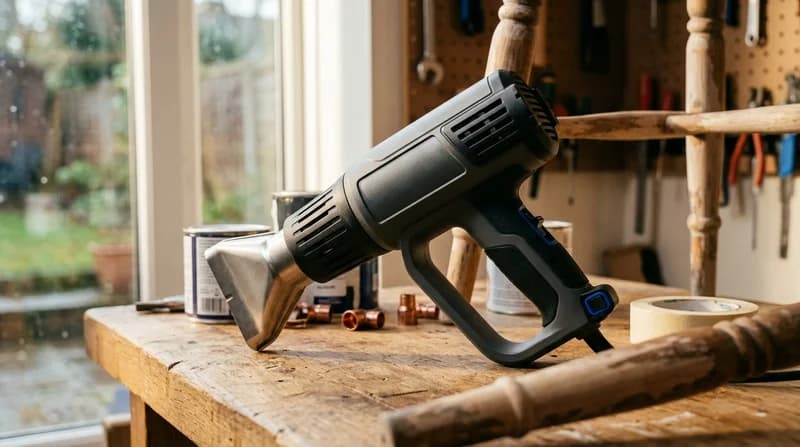
A heat gun can turn a stubborn task into a smooth one. Old paint starts to lift. Adhesive softens without a fight. Heat shrink tubing hugs wire cleanly. Plastic becomes easier to shape with a steady hand.
The better choice is rarely the highest wattage. It is the model that sends the right heat pattern to the right spot, as control matters more than brute force on delicate surfaces.
That is why many shoppers on the marketplace now compare heat guns by task. A variable temperature heat gun UK setup often feels far more useful than a one speed tool that blasts everything the same way. So which type suits your work best?
Choose by task for cleaner, calmer results
For paint stripping and adhesive removal
If you need a heat gun for paint stripping and adhesive removal, look for broad, even heat and comfortable grip balance. Wider airflow helps soften larger areas without forcing you to hover too long in one place, as lingering heat can blister surfaces fast.
A scraper friendly setup also helps. When the paint loosens in visible waves and the adhesive turns soft under the blade, the work feels quicker and far less messy.
For electronics and shrink tubing
A compact heat gun for electronics and shrink tubing needs precision first. Lower temperature steps and smaller nozzles help you guide heat exactly where it belongs, as nearby wires, plugs, and plastic housings can react quickly.
This kind of tool feels more controlled in the hand. You can aim, listen to the gentle fan sound, and watch tubing tighten neatly instead of scorching at the edges.
For vinyl wrap, decals, and car detailing
A hot air gun with nozzles for vinyl wrap should offer focused airflow and easy handling. Narrow attachments help direct warmth along edges and curves, as vinyl responds best to even, patient heat rather than sudden hot spots.
For car work, many users also like a portable heat gun for car detailing and decals. Lighter designs feel easier around mirrors, trim, badges, and tight body lines.
For plastic bending and softening
If your projects involve shaping sheets, pipes, or craft materials, choose a heat gun for plastic bending and softening with stable output. Consistency matters, as uneven heat can leave one section rigid while another turns too soft.
When the warmth spreads evenly, you can feel the material relax at the right moment. That makes bends cleaner and results more professional looking.
What features actually matter
Variable temperature
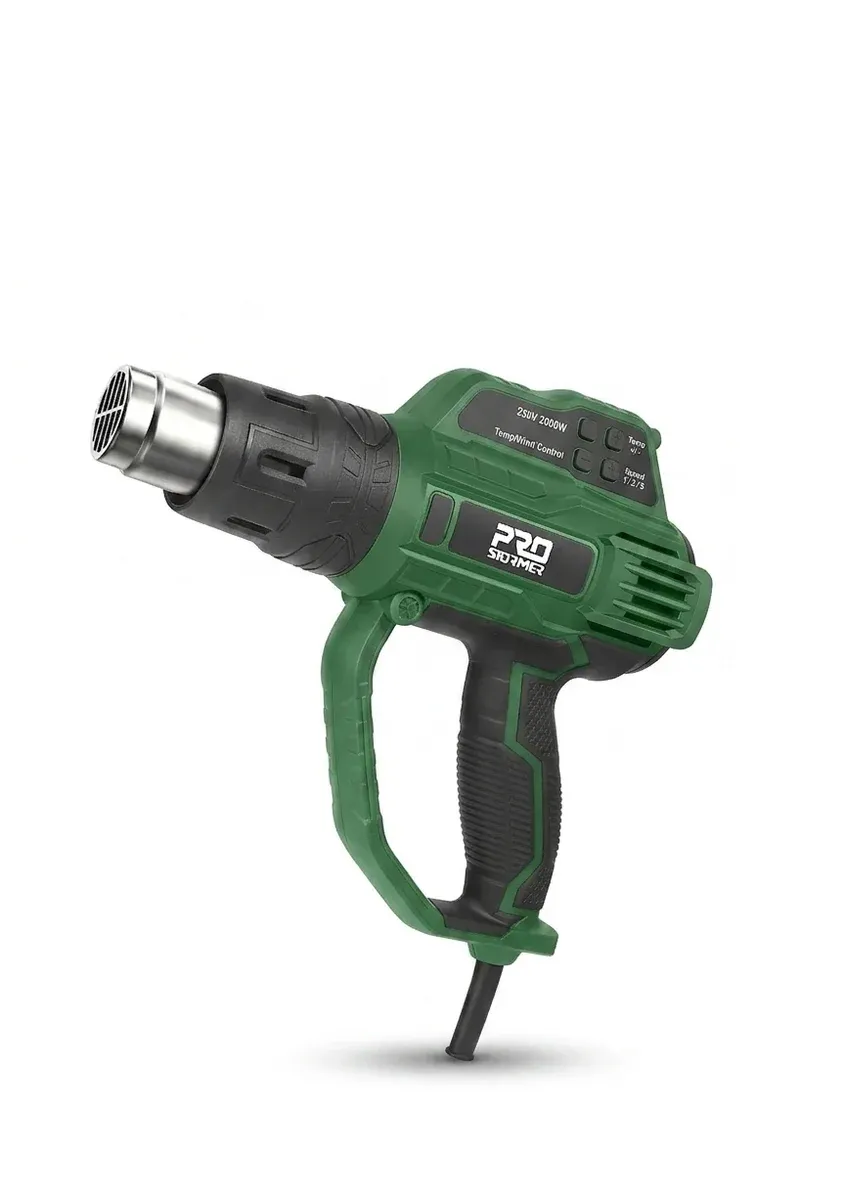
This is one of the smartest upgrades for home users and makers. A variable temperature heat gun UK model gives you room to work slowly on sensitive materials, as not every job wants maximum heat.
- Lower settings suit shrink tubing, crafts, and lighter adhesive work
- Mid range settings help with vinyl, decals, and gentle softening
- Higher settings support paint lifting, stubborn glue, and seized fittings
Adjustable airflow
An electric heat gun with adjustable airflow can feel easier to control than a fixed fan design. Lower airflow helps keep heat concentrated in a small area, as strong air can push warmth away from detail work.
Higher airflow helps cover broader surfaces faster. That is useful when you want visible progress on paint, film, or old sealant.
Nozzle options
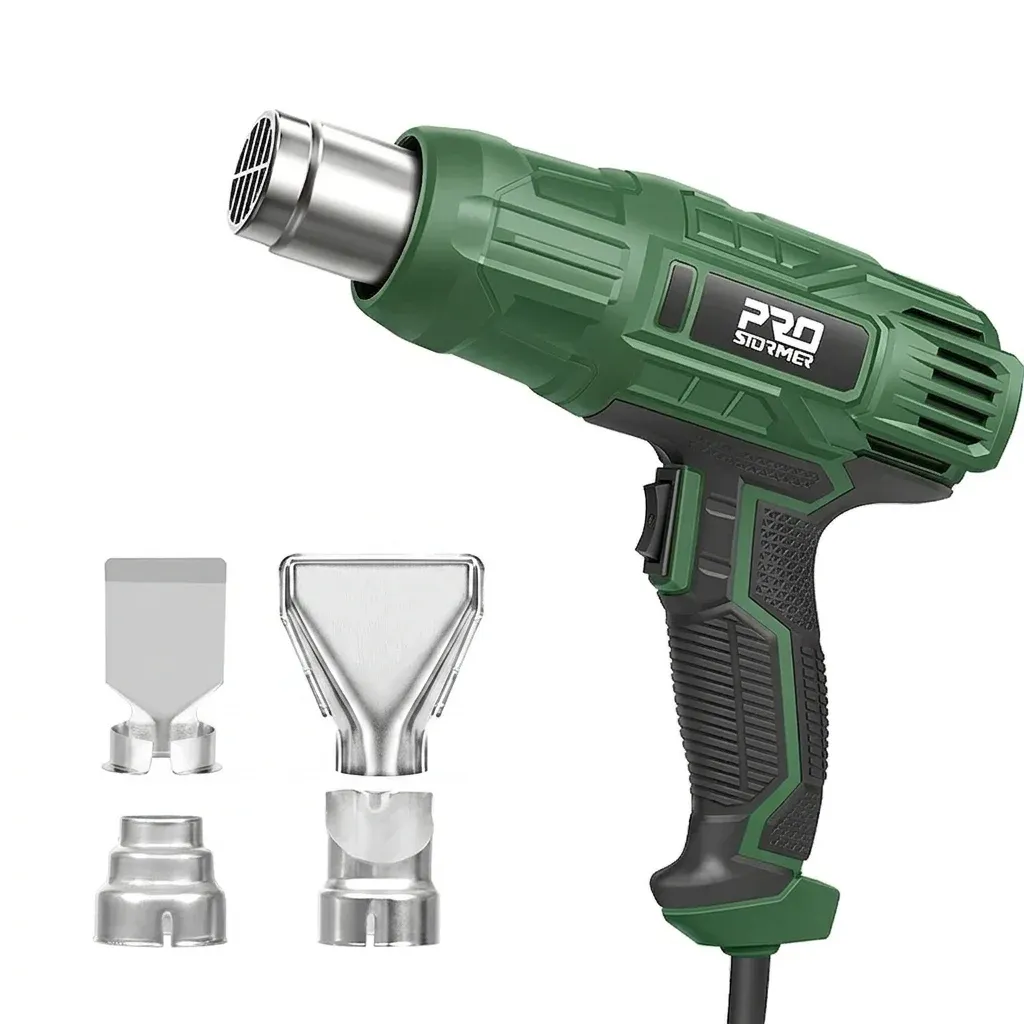
Nozzles often decide whether a heat gun feels precise or frustrating. A reduction nozzle can focus heat into a narrow stream. A wider nozzle can spread warmth across larger areas. A reflector style attachment can wrap heat around tubing or pipe.
If you already use Soldering Kits for fine electrical work, a heat gun with the right nozzle set can cover the wider heating jobs those tools are not built for.
Weight and balance
Heavy tools wear on your wrist quickly. A well balanced DIY heat gun for home repairs UK use feels steadier over longer sessions, as hand fatigue often leads to shaky movement and uneven heating.
This matters even more when you work overhead, around trim, or inside tighter spaces.
Costly mistakes to avoid before you choose
The most common mistake is choosing by wattage alone. High output sounds impressive, yet raw power means little as the heat pattern may still be too harsh or too wide for the job.
Another costly error is ignoring temperature adjustment. That can leave paint bubbling too fast, plastic warping, or shrink tubing turning glossy and brittle, as the tool gives you no gentle middle ground.
Many people also overlook nozzle compatibility. Then they wonder why adhesive removal feels slow or why vinyl edges refuse to settle cleanly, as the heat never reaches the exact spot properly.
One more mistake is picking a bulky model for long sessions. It may seem fine at first, then your grip tires, your wrist stiffens, and your control drops right when the finish needs a steady pass.
How heat guns fit into your wider tool setup
Heat guns sit in a useful middle ground inside the Chinese marketplace tool range. They do not replace fastening tools or measuring tools. They solve heat based tasks that other workshop gear cannot handle as cleanly.
If you are building a more capable bench, it can help to browse Tools for the wider setup, Hand Tools for scraping and prying, and Power Tool Accessories for job specific add ons.
For detail repairs, pairing a heat gun with Multimeters or Electric Screwdrivers can make electrical and casing work feel far more complete.
For car focused tasks, you may also want to explore Car Accessories, Car Lights, or Reversing Cameras if your projects extend beyond trim and decals.
Finding the best fit on the platform
The best heat gun for DIY and craft jobs UK shoppers is usually the one that fits real materials, real hand comfort, and real task variety. On AliExpress UK, that often means choosing adjustable heat, useful nozzles, and a shape that feels secure after ten minutes, not just ten seconds.
On the platform, a smaller precision model can be the right move for craft benches and wiring jobs. On the global value marketplace, a broader, higher airflow design may suit paint, filler softening, and workshop stripping better.
Start with the task you do most. Then check temperature control, airflow stages, nozzle set, and grip comfort. Get those right, and the work usually looks cleaner, feels faster, and sounds less stressful from the first warm pass. The only question left is which job you want to make easier first.