



Choose fans by room use, not by guesswork
A fan can look sleek on screen and still feel underpowered in your room. That is why this collection focuses on real use first. Bedroom sleep, desk focus, kitchen airflow, and compact flat living all need different airflow patterns.
On the global marketplace, you will see tower, desk, clip, pedestal, and portable models together. That can feel noisy before the fan even arrives. This page makes it simpler, as the right fan is the one that fits your room size, your listening tolerance, and where the breeze needs to land.
If you are building a fuller comfort setup, pair cooling with Smart Home essentials. Some homes also feel better with cleaner air from Air Purifiers or gentler moisture from Humidifiers. Yet personal airflow is different. It gives you that immediate skin level relief you can feel within moments.
Which fan type fits your room best
Bedroom fans for calmer sleep
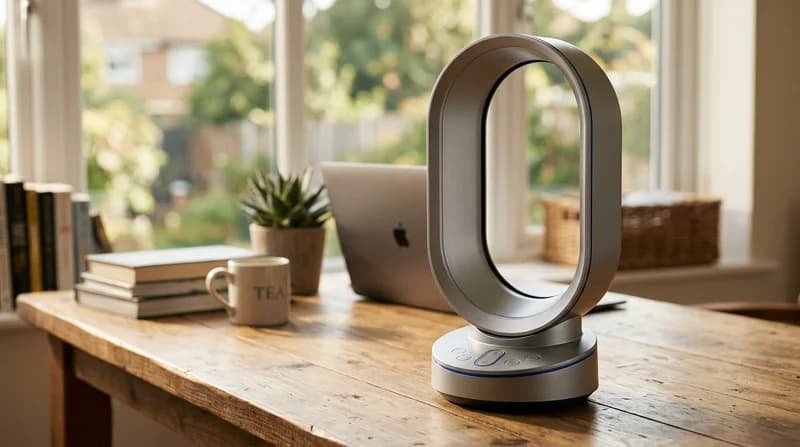
If your room feels close and stuffy at night, a quiet bedroom fan UK style is often the strongest starting point. Tower fans and oscillating bedroom models work well, as they spread air more evenly across the bed instead of blasting one narrow spot.
Look for multiple speed settings and a gentler night mode, as softer airflow can sound smoother and feel less distracting. A good oscillating fan for bedroom sleep matters, as the moving breeze helps the room feel less trapped and heavy.
Desk fans for home office focus
A desk fan for home office UK use should cool your face, hands, and upper body without filling the room with motor noise. Smaller desk and USB models are useful, as they place airflow exactly where long work sessions start to feel sticky and tiring.
A usb fan for desk and bedside can also move easily between daytime work and evening reading. That flexibility matters, as one compact fan can support two routines without taking over your room.
Tower fans for small rooms and flats
A tower fan for small room UK setups often suits narrow corners, bedside gaps, and tighter floor plans. The slim shape looks cleaner and takes less visual space, as it stands upright without spreading wide across the floor.
Many shoppers on the Chinese marketplace prefer tower styles for bedrooms and lounges, as they feel tidier in modern interiors. But does a slim body always mean quieter cooling and better reach?
Pedestal fans for larger spaces
A pedestal fan for large room UK use gives you height and reach. That matters in lounges, kitchens, and open plan areas, as the raised airflow can travel across wider spaces instead of staying low and local.
Pedestal models also help when several people share one room. Oscillation and adjustable height matter here, as you can direct air above furniture and across more of the room.
Portable and clip fans for flexible cooling
A portable fan for room cooling UK use is helpful when heat moves with you. Morning desk, afternoon kitchen, evening bedside. Portable and clip fans suit that rhythm, as they can follow your day instead of staying fixed in one corner.
On AliExpress, these are especially useful for renters, students, and compact homes. Light weight, USB charging, and easy placement can make warm days feel far less awkward.
What actually makes a fan feel effective
Airflow is not only about blade size or body size. Reach matters more than many shoppers expect, as a fan that pushes air across the right zone feels cooler faster than a larger model pointed badly.
- Oscillation helps spread airflow across the bed, desk, or sofa area.
- Tilt control helps you aim the breeze where heat gathers most.
- Speed settings help you shift from daytime cooling to quieter nights.
- Power source matters for placement, cable reach, and portability.
- Noise level matters for sleep, reading, and focused work.
Think about what you want to hear. A soft hush can fade into the background. A sharp motor tone can pull your attention every few minutes. That is why a quiet bedroom fan UK choice often feels better long term, even if the design looks simpler.
If you like connected living, you may also enjoy nearby categories such as Smart Bulbs, Smart LED Lighting, and Smart Sensors. The retail platform offers many ways to shape room comfort, yet cooling still starts with airflow you can feel on your skin.
Costly mistakes to avoid when choosing fans
The biggest mistake is choosing by size alone. A larger fan can still disappoint, as poor oscillation, weak tilt, or bad placement may leave the room feeling barely different.
The next mistake is ignoring sound. A stylish fan that hums too loudly can ruin bedtime, reading, or video calls, as constant noise feels bigger in quiet rooms.
Another common miss is overlooking power details. USB, mains power, battery support, and cable length all shape where the fan can actually live. A fan that cannot reach the right spot often ends up unused.
Many shoppers also skip speed control. UK weather can shift quickly, and one fixed airflow level may feel too weak one day and too harsh the next. That is why adjustable settings matter, as they let the fan adapt with your room.
Want a comfort setup that feels even more complete during warm evenings? A nearby Night Lights option or a softer Desk Lamps setup can make your room feel calmer while the air starts moving.
How to choose the best fan for bedroom and home cooling UK
Start with the room and the moment. Sleep, work, cooking, and general lounging all create different heat patterns. The best fan for bedroom and home cooling UK use is the one that solves your exact warm spot, not the one with the flashiest label.
- Choose tower fans for slim spaces and broad bedroom airflow.
- Choose desk fans for direct cooling during work and study.
- Choose pedestal fans for larger rooms and wider reach.
- Choose portable or clip fans for flexible daily movement.
- Choose oscillating models for a softer, more even room feel.
If your room still feels stale, compare airflow comfort with other home categories on the eastern marketplace. Some shoppers also browse Handheld Vacuums for quick warm weather dust control or Security Cameras while improving home setup overall.
The real goal is simple. You walk into the room and it feels lighter. You sit at your desk and your focus lasts longer. You lie down at night and the air no longer feels trapped around you. And once you know which fan type matches your space, the next choice becomes much easier. So which detail matters more for your room right now, quieter sound or wider airflow?