







Why smart sensors matter more than they look
Smart sensors are the hidden decision layer of a connected home. They do not mainly shine, lock, or record. They notice a door opening, a warm room, a damp floor, or movement across a hallway, then tell the rest of your setup when to react.
That changes how a home feels. Instead of tapping apps all day, you walk into a hall and the light appears at the right second. You leave home and know an open window or water drip can still be spotted. That calm matters, as trust grows when alerts feel timely and useful.
If you are comparing the best smart sensors for home automation UK, focus less on gadget appeal and more on decision quality. The right sensor creates smooth, almost invisible convenience. The wrong one creates noise. Which rooms in your home need sharper awareness first?
Choose the right sensing type for the moment
Motion sensors for passing movement
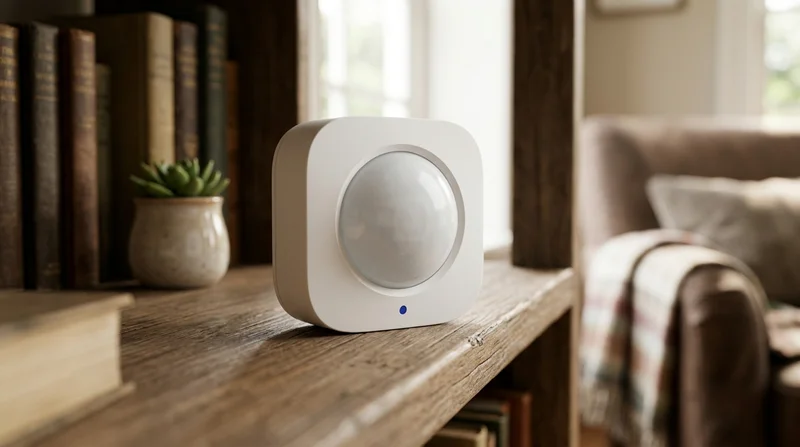
Smart motion sensors for home UK work well in halls, landings, utility rooms, and entrances. Choose them when you want a fast reaction to someone moving through a space, as they can trigger lights, alerts, or linked routines without a screen tap.
The best ones feel natural. You step forward, the room wakes, and the response feels instant rather than delayed. That visual and physical flow makes everyday movement easier, especially at night.
Door and window contact sensors for clean entry alerts
Smart door window sensors UK are often a cleaner choice than motion sensors near entrances. Use them when the real event is opening or closing, as that gives a clearer signal with fewer stray triggers from pets, shadows, or passing heat.
They are especially useful on front doors, patio doors, cabinets, and windows you want to monitor while away. The click of a door opening becomes a precise digital event your home can act on.
Water leak sensors for quiet protection
Water leak sensors for home UK belong near washing machines, sinks, boilers, toilets, and under radiators. Choose them for low level, high impact risks, as a small unnoticed leak can spread before it becomes visible.
These sensors offer a different kind of comfort. You do not hear water. You do not see dampness. Yet the system can still flag trouble early, which helps a home feel watched over even in hidden corners.
Temperature and humidity sensors for room balance
Temperature humidity smart sensors UK help you manage comfort and air quality with more precision. Use them in bedrooms, nurseries, kitchens, and bathrooms, as those rooms often swing between stuffy, damp, chilly, or overheated.
They also pair naturally with Humidifiers, Fans, and Air Purifiers. One reading can guide a whole room toward a steadier feel.
Compatibility decides whether your setup feels smooth
Many shoppers choose on price alone, then wonder why pairing feels awkward. Compatibility matters first, as even a well reviewed sensor can become frustrating if it does not fit your hub, app, or voice routine.
If you want simple placement without an extra hub, WiFi smart sensors for home security UK may suit you. If you want lower power use and broader multi device setups, Zigbee smart sensors for smart home UK are often the stronger path, as they are built for connected ecosystems with many triggers.
Think about the wider scene too. Sensors often work best when paired with visible devices like Smart Bulbs, Smart Locks, Smart Doorbells, and Security Cameras. The marketplace becomes more useful when each device has a clear role. And that leads to the next question: where should each sensor actually go?
Placement logic changes everything
A great sensor in the wrong spot can feel unreliable. Range, angle, wall material, room layout, steam, pets, and furniture all shape what the device notices. Placement is not a small detail. It is the difference between trust and second guessing.
Where motion sensors usually work best
- Hallways where people cross the field naturally
- Stair landings for quick lighting routines
- Entry zones aimed away from direct heat sources
- Rooms where pet movement is limited
Where contact sensors shine
- Front and back doors for clean open close status
- Windows in less visible parts of the home
- Cupboards or drawers for routine reminders
- Garden access points linked to evening alerts
Where leak and climate sensors belong
- Under sinks and near washing machines
- By boilers, toilets, and pipe joins
- In bedrooms that feel stuffy overnight
- In bathrooms where moisture builds fast
If your goal is smart sensors for lights and routines UK, placement should follow behaviour. Put the sensor where the event begins, as that creates a response that feels almost mind reading rather than random.
Costly mistakes to avoid before you choose
The biggest mistake is choosing the wrong sensing type. A motion sensor near a door can create messy alerts, while a contact sensor gives a crisp open close signal. Match the sensor to the event, as cleaner input creates cleaner automation.
The next mistake is ignoring battery life and refresh speed. A sensor that reports too slowly can make lights feel laggy and alerts feel late. Fast feedback matters, as trust drops quickly when the home reacts one beat too late.
Another common error is overlooking moisture, wall thickness, and pet movement. Bathrooms, kitchens, and utility areas can challenge weaker designs. Homes with pets need extra care too, as low movement near the floor can trigger the wrong routine.
Finally, do not forget app logic. Too many notifications can make you mute the system entirely. The Chinese marketplace offers plenty of choice, yet the smart move is filtering for sensors that support useful scenes, grouped alerts, and clear status updates.
Build a calmer smart home, one trigger at a time
The strongest setup usually starts small. Add a hallway motion sensor. Add a front door contact sensor. Add a leak sensor under the sink. Then connect them to devices that already shape daily comfort, like Smart Home gear, Smart LED Lighting, or even Robot Vacuums for occupancy based routines.
For many homes, the best path is not more devices. It is better triggers. One well placed sensor can remove repeated checking, reduce wasted light, and make the house feel quietly responsive. That is why smart home sensors compatible with Alexa UK and other common ecosystems attract so much attention on this platform.
Explore options with a room by room mindset. Picture the hallway glowing softly as you pass. Picture a phone alert arriving before a leak spreads. Picture leaving home with less mental clutter, as the setup is doing more of the noticing for you. Once you see sensors this way, the next upgrade becomes much easier to spot.