










Dual-frequency access control in one USB tool
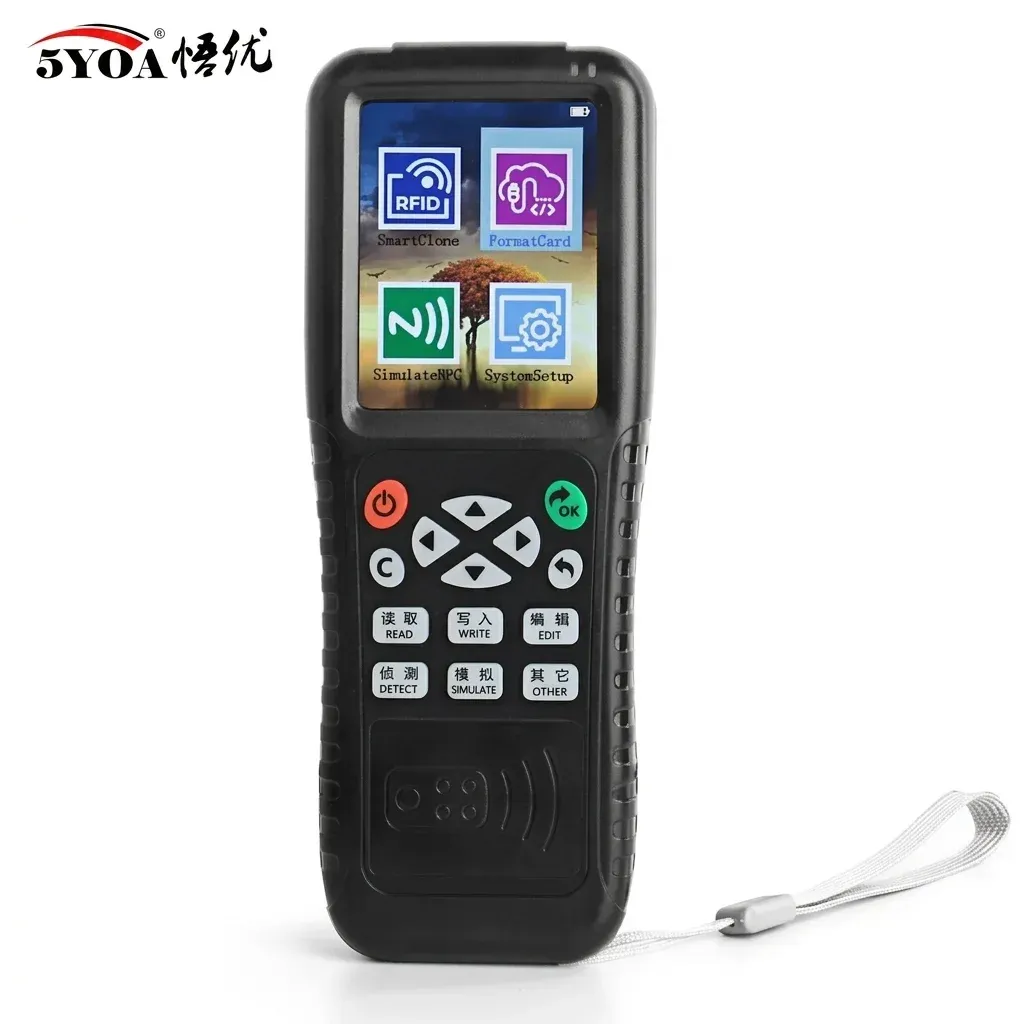
The main job of this programmer is simple: reduce the clutter of using separate tools for low-frequency and high-frequency cards. With 125KHz and 13.56MHz support, it covers the two most common access-card families seen in small security setups, office badges, and hobby cloning work.
That makes it a practical desktop device for people who want a single USB connection instead of juggling multiple readers. According to customers, it works well both as a standalone unit and when paired with a PC, which suggests the iX100 is aimed at flexible day-to-day use rather than specialist lab work.
What the USB connection changes in practice
The USB interface is more than a convenience feature, because it lets the device sit beside a laptop or access-control workstation and stay ready for repeated reads. That matters when you are testing tags, checking compatibility, or preparing duplicates in batches, since a stable wired connection is usually less fussy than wireless alternatives.
For users who work with access systems, the benefit is speed and repeatability. You can move from card detection to programming without changing hardware, and that is exactly the kind of workflow improvement that saves time in a busy security or maintenance setting.
Compatibility still decides the result

The product description is clear that failure to read or write does not always mean the unit is faulty. Some cards are simply unsupported, and some are not writable, so the real value here depends on matching the right card type before expecting a clone or rewrite to succeed.
That honesty is useful, because it frames the iX100 as a capable tool rather than a universal copier. If you already know your tag family, the device is a neat fit; if you are unsure, this is the point where checking card specifications will matter most, and that is where many users save themselves frustration.
Build and everyday handling
The iX100 is designed as a small USB accessory, so it should suit a desk, toolkit, or access-control bag without taking much space. The lack of listed chemical concerns is a small but welcome detail for a product that will be handled regularly during setup and testing.
Its appeal is not in flashy design, but in practical handling: plug it in, place the card, and work through the task. For simple copying jobs and routine card management, that straightforward approach is often better than a feature-heavy unit that takes longer to learn, isn’t it?
How it compares with simpler readers

Basic RFID readers usually stop at identification, while a writer adds the ability to create or duplicate compatible credentials. This model sits in the more useful middle ground, giving users a more complete workflow without stepping into the complexity of full professional access-control hardware.
The real-world value is strongest for technicians, makers, and small-site administrators who need a compact tool for common card formats. One customer review noted that the device performed well in both standalone and PC-connected use, while the included white cards were less useful than the fobs, which is a helpful clue about what may work best with it.
Who will get the most from it
This is a good match for people maintaining entry systems, cloning approved tags for internal use, or testing NFC and RFID compatibility on a workbench. It is less compelling for anyone who wants broad, guaranteed support across every encrypted credential, because the card itself still determines the outcome.
For the right user, though, the iX100 offers a tidy balance of reach, simplicity, and desk-friendly size. That combination is exactly why it stands out in the AliExpress UK electronics niche: it solves a focused problem without making the setup feel oversized or overcomplicated.