










Small NFC tags that solve a very specific job
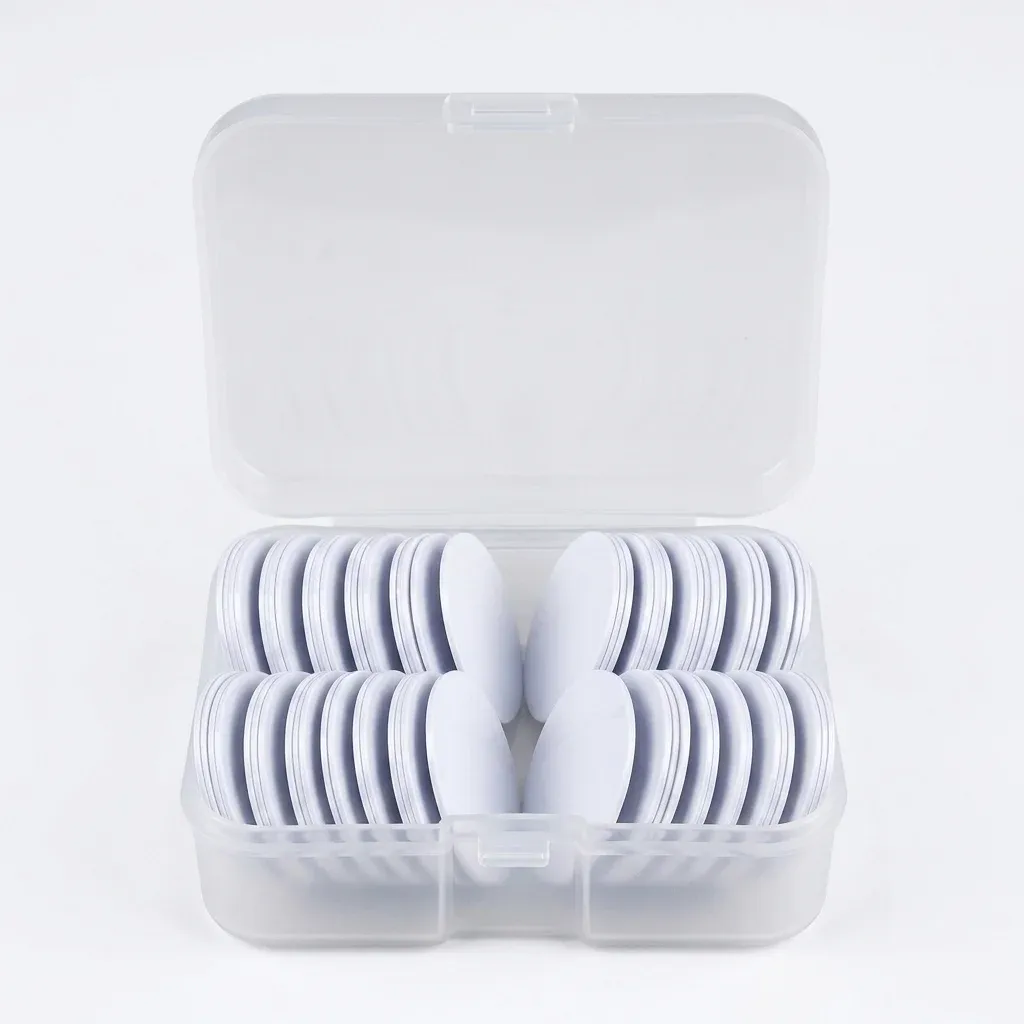
These 25mm Ntag215 coin tags are made for people who need a discreet NFC surface that still works reliably with phones, TagMo setups, and Switch Amiibo use. The appeal is simple: you get a tiny blank tag that can be programmed for shortcuts, game figures, or device actions without adding bulk.
5YOA has built a reputation in the AliExpress niche for straightforward NFC accessories that focus on compatibility rather than gimmicks. That matters here, because the value of a tag like this depends less on appearance and more on whether the chip responds cleanly when you tap it, so how does it perform in practice?
Ntag215 compatibility is the real selling point
The Ntag215 chip is the correct choice for Amiibo-style use, and that is why this product stands out from generic NFC stickers. With 504 bytes of user memory, it leaves enough room for the data most common NFC workflows need while staying compact enough to hide inside a key ring, card holder, or small prop.
Users report that these tags work well for making custom Amiibo, which aligns with the chip specification and the 13.56MHz NFC Forum Type 2 format. One customer noted that the tag was correctly recognised by a Switch, which is exactly the kind of real-world confirmation buyers look for before setting up a batch of blanks.
25mm size: discreet, but not oversized
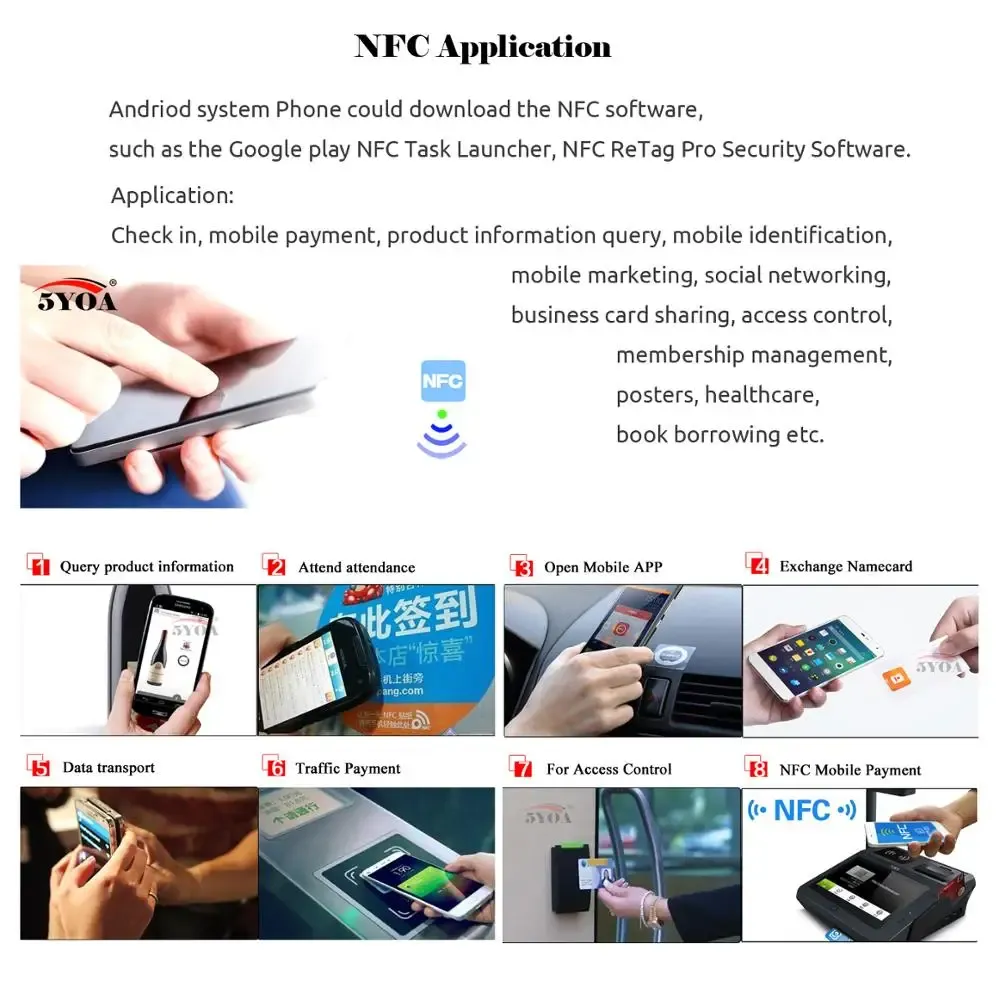
The 25mm round format is a smart middle ground between a full-sized card and a tiny inlay. It is large enough to handle easily during programming, yet small enough to fit into crafts, key fobs, and compact mounts where a rectangular card would look awkward.
That size also makes the tags easier to place consistently if you are creating multiple identical items, such as door-trigger automations or game-related NFC sets. If you are comparing them with thin NFC stickers, the coin shape is usually more durable in daily handling, so where does the construction help most?
PET and paper construction for everyday handling
The listed PET and paper build is basic, but it suits the product’s job as a low-cost programmable tag. The stated waterproof, acid-proof, and alkali-proof properties suggest better resilience than plain paper labels, which is useful if the tag will live on a keychain or move between bags and desks.
The operating range of -40°C to +85°C is wider than most casual users will ever need, but it does signal that the tag is intended for practical use rather than decorative storage only. That makes it a sensible option for workshop labels, access workflows, and repeated tapping, especially when the environment is not perfectly controlled.
What the real reviews suggest
With a 4.7/5 average from 14 reviews and a 93% positive rate, the early feedback is encouraging rather than inflated. Customers repeatedly mention that the tags work as expected for Amiibo creation, which is the clearest proof that the chip and formatting are on target.
There is one note of caution: a user reported that it did not work on an iPhone, which is a reminder that NFC compatibility depends on the device and the app, not just the tag itself. If your setup is focused on TagMo, Switch use, or general Android NFC tasks, the evidence points in a much better direction, so what should you expect before ordering?
Best fit and practical limits
This pack makes the most sense for hobbyists, makers, and organisers who want inexpensive Ntag215 blanks in a compact form. It is less compelling if you need a polished printed finish or if your workflow depends on Apple-specific NFC behaviour, because the tag’s strength is compatibility with standard Ntag215 use cases rather than premium presentation.
For the asking level, the attraction is not luxury finishing; it is getting the right chip, the right size, and a format that is easy to deploy in multiples. That combination is why these tags are a useful pick for NFC projects that need to work the first time, not just look neat on the table.