











Why this tiny RFID tag solves a very common access problem
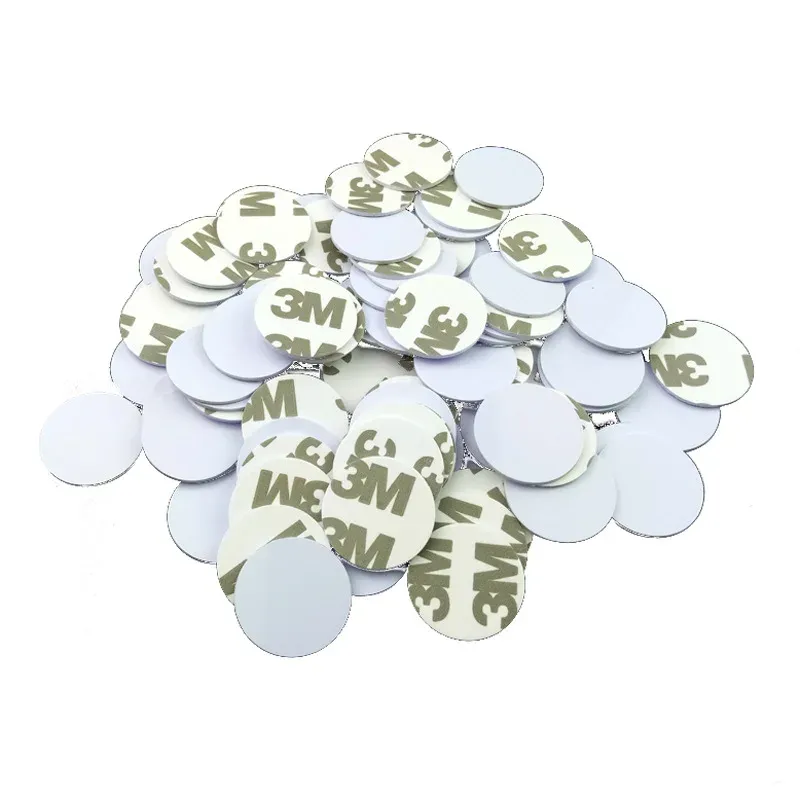
If you need a spare access token that is easier to carry than a bulky fob, this 25mm rewritable tag is a practical fix. It is designed for 125kHz systems, so it fits the kind of gate, intercom, and door access setups that still rely on classic low-frequency RFID.
5YOA has built a solid reputation in the AliExpress niche for access-control accessories that focus on compatibility first, not flashy extras. That matters here, because the value of this product is not the sticker shape itself, but how reliably it behaves once it is cloned and written to your system.
T5577 and EM4305 compatibility in real use
The key point is that this is a rewritable token, not a fixed-ID badge. In practice, that means you can copy an existing 125kHz credential onto it with the right writer, then reuse it if you need to reprogram another access point later.
Users mention that the reader and writer combination works cleanly, and the real-world feedback is strong at 4.8/5 from 27 reviews. That is a useful signal for a low-cost accessory, because cloned access media can fail in subtle ways if the chip or antenna tuning is inconsistent.
25mm size: why the sticker format is more useful than a fob

The 25mm coin format is the feature that changes daily use the most. It can be hidden under a phone case, attached to a flat surface, or kept on a slim wallet card, which makes it easier to carry than a dangling keychain.
That slimmer profile also reduces the chance of snagging or clattering against other keys, which is a small but noticeable advantage if you use access control several times a day. For users who want something discreet, the sticker format is the part that makes the product feel more modern than a standard fob.
Where it fits better than a standard key fob
A traditional RFID key fob is still fine for a front door, but it is less flexible when you want the credential to stay with a phone or a spare card. This tag is a better match for people who want one token in a pocket, one in a bag, and one as a backup in the car.
According to customers, it also works well when placed under a phone cover, which is a clever use case if you want the token close at hand without adding bulk. If your access reader is sensitive to placement, the next question is whether the surface material or mounting position changes performance.
What to expect from the writing process

This product only becomes useful if you already have the right 125kHz copier or writer, because the tag itself is not a standalone programming tool. That makes it a companion accessory for installers, tinkerers, and anyone managing multiple access points, rather than a universal solution for every RFID system.
The CE marking is helpful, though the listing does not provide deeper electrical or durability data, so it is best treated as a functional consumable rather than a rugged industrial badge. For the low asking cost, the package makes sense when you need several spare tokens and want the flexibility of rewritable memory.
Best-fit use cases
- Gate and intercom access backups
- Spare credentials for family members or staff
- Phone-case storage for always-on-hand access
- Cloning and testing 125kHz systems
The strongest appeal is simple: it gives you a compact, rewritable token that behaves like a proper access accessory instead of a novelty sticker. The details that matter are compatibility, profile thickness, and how easily it disappears into everyday carry, so the next step is deciding whether you need one tag or a small batch.