






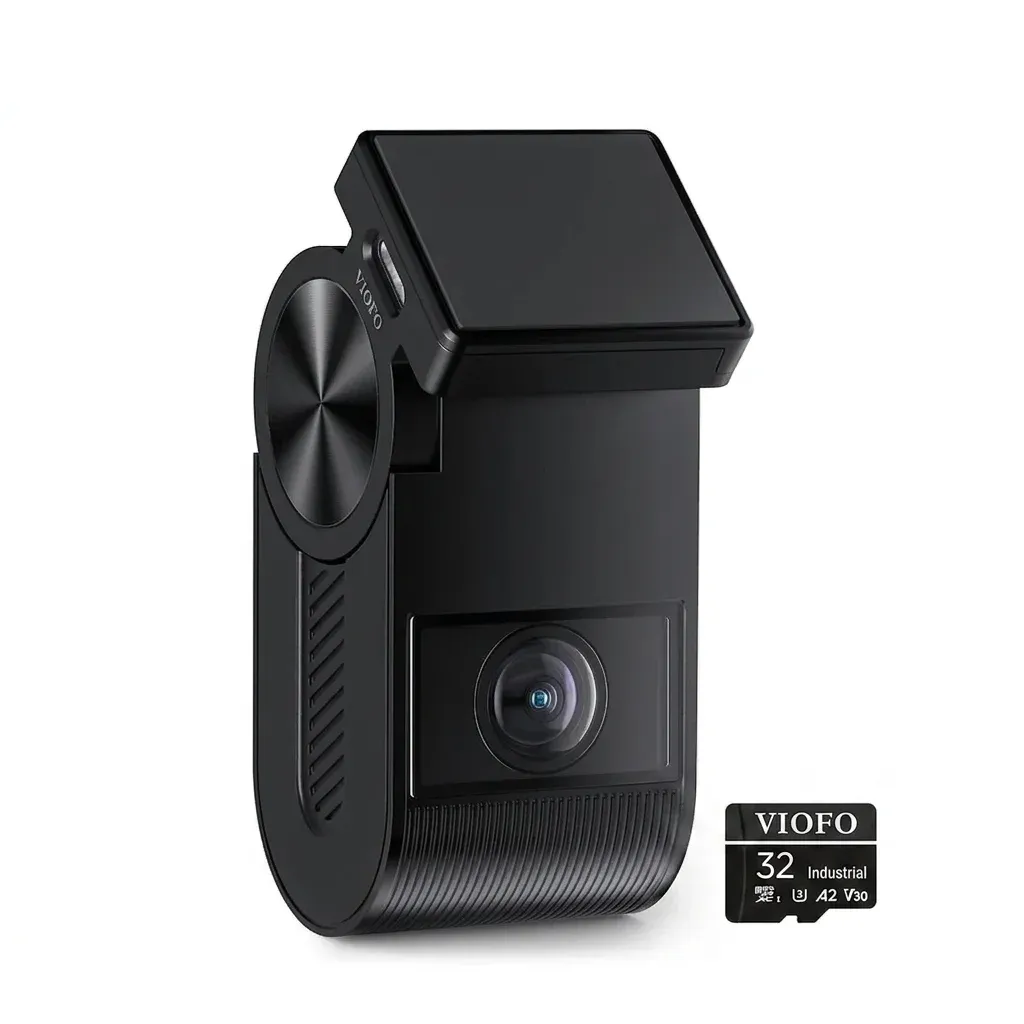
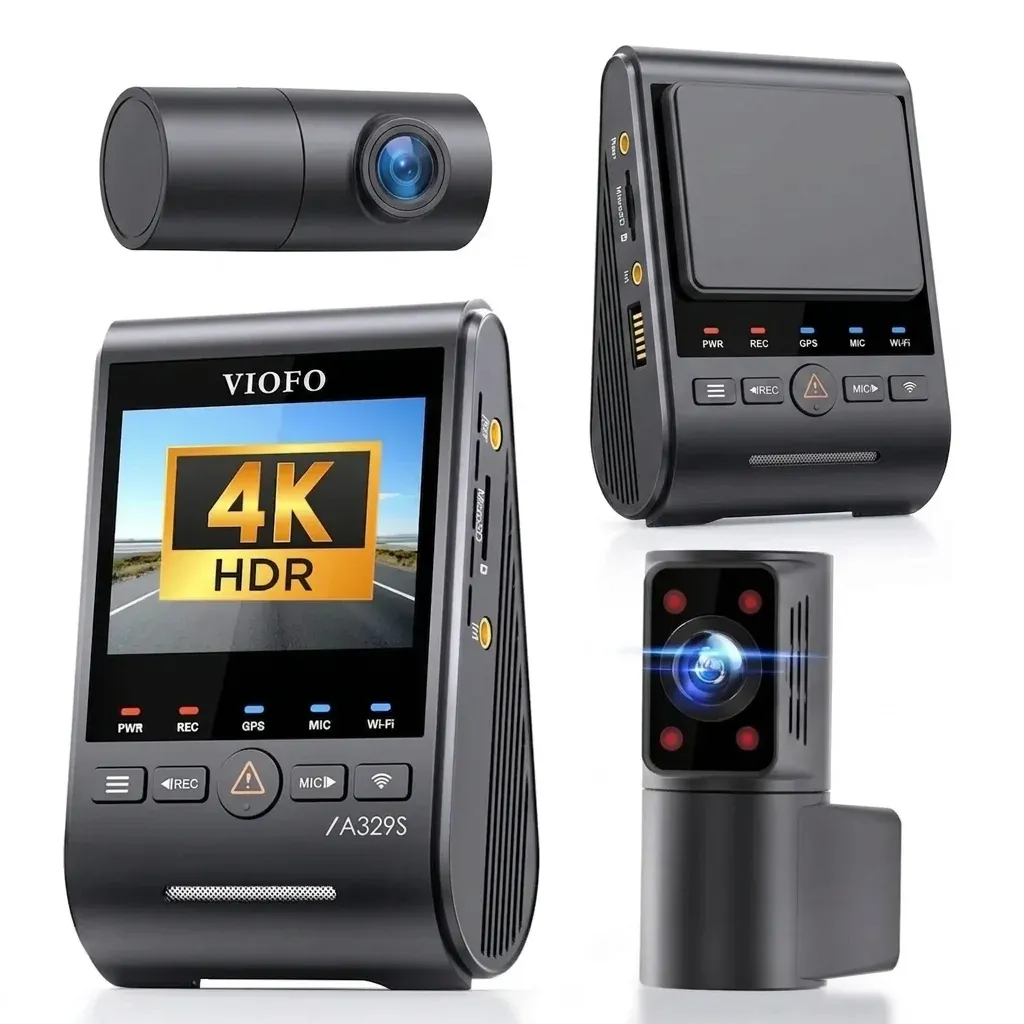
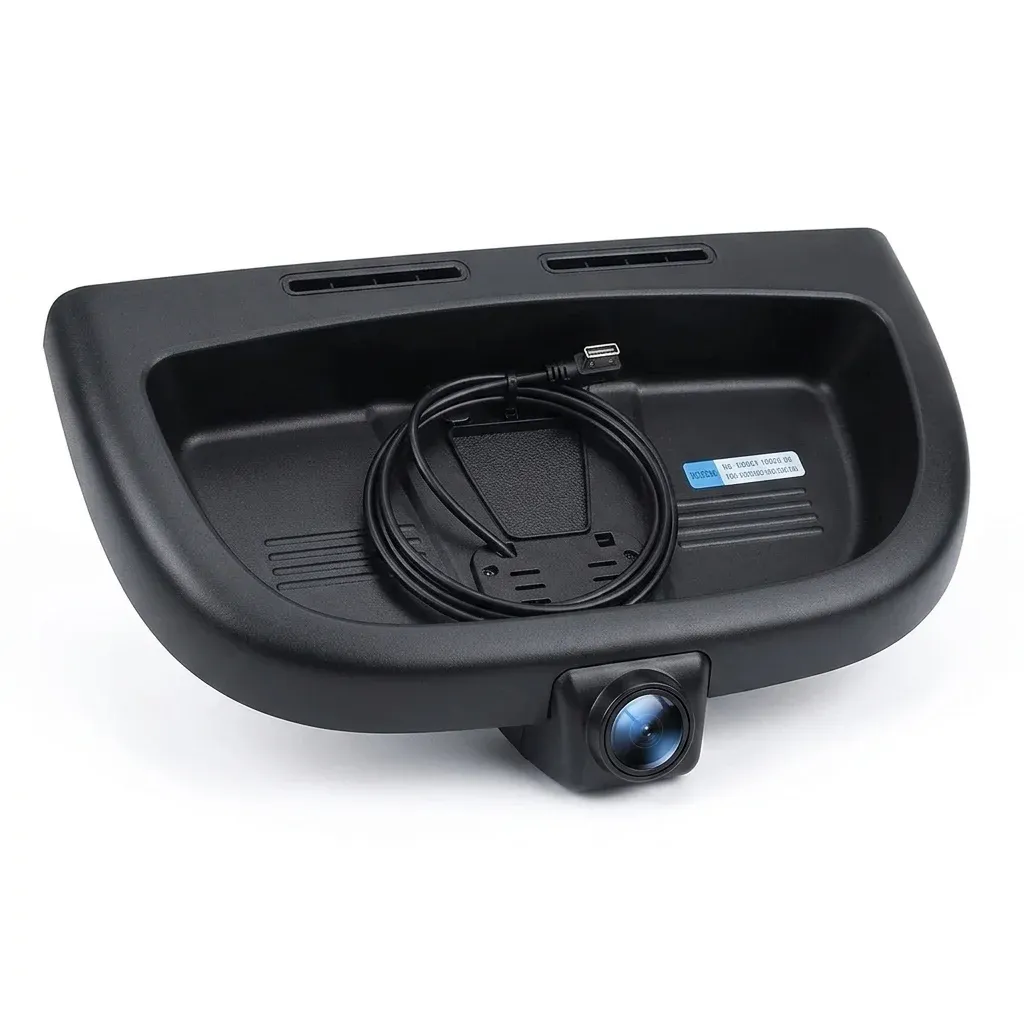
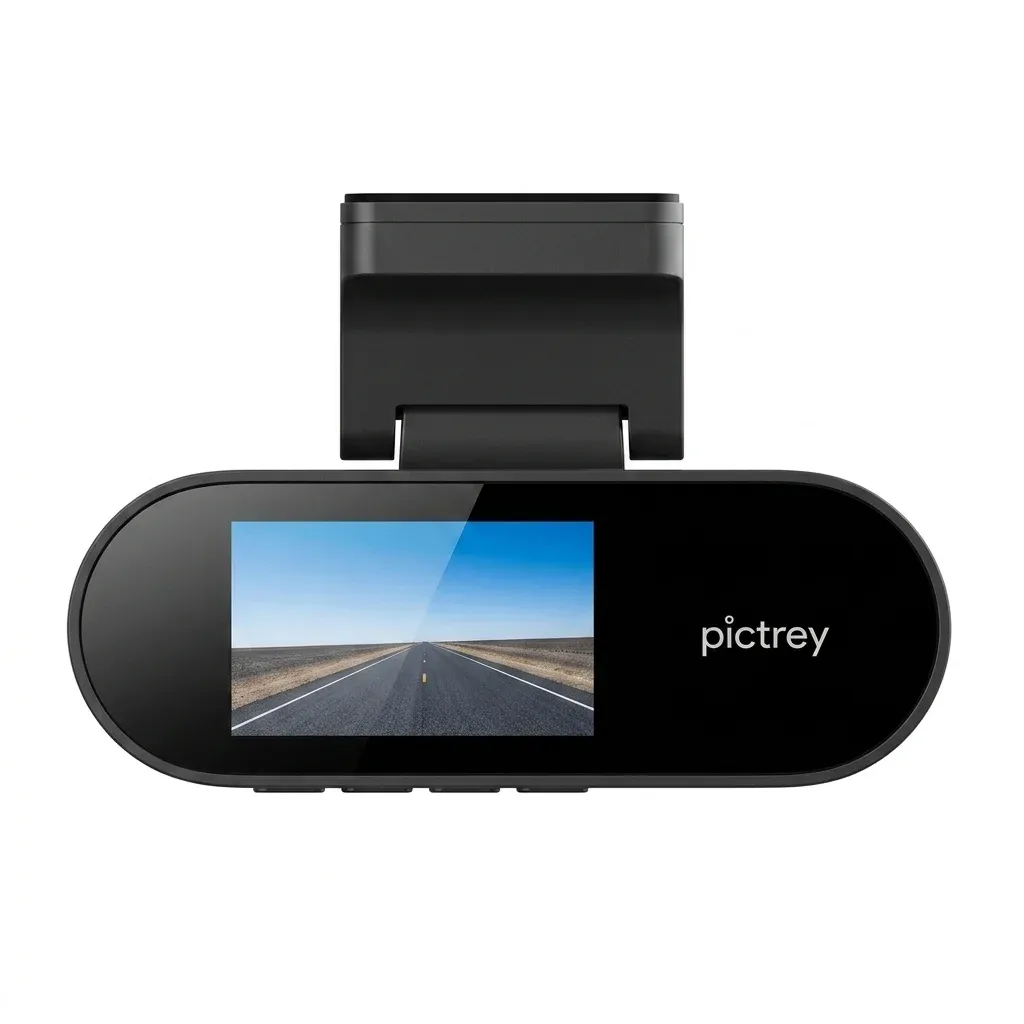

Three angles at once, so incidents are harder to miss
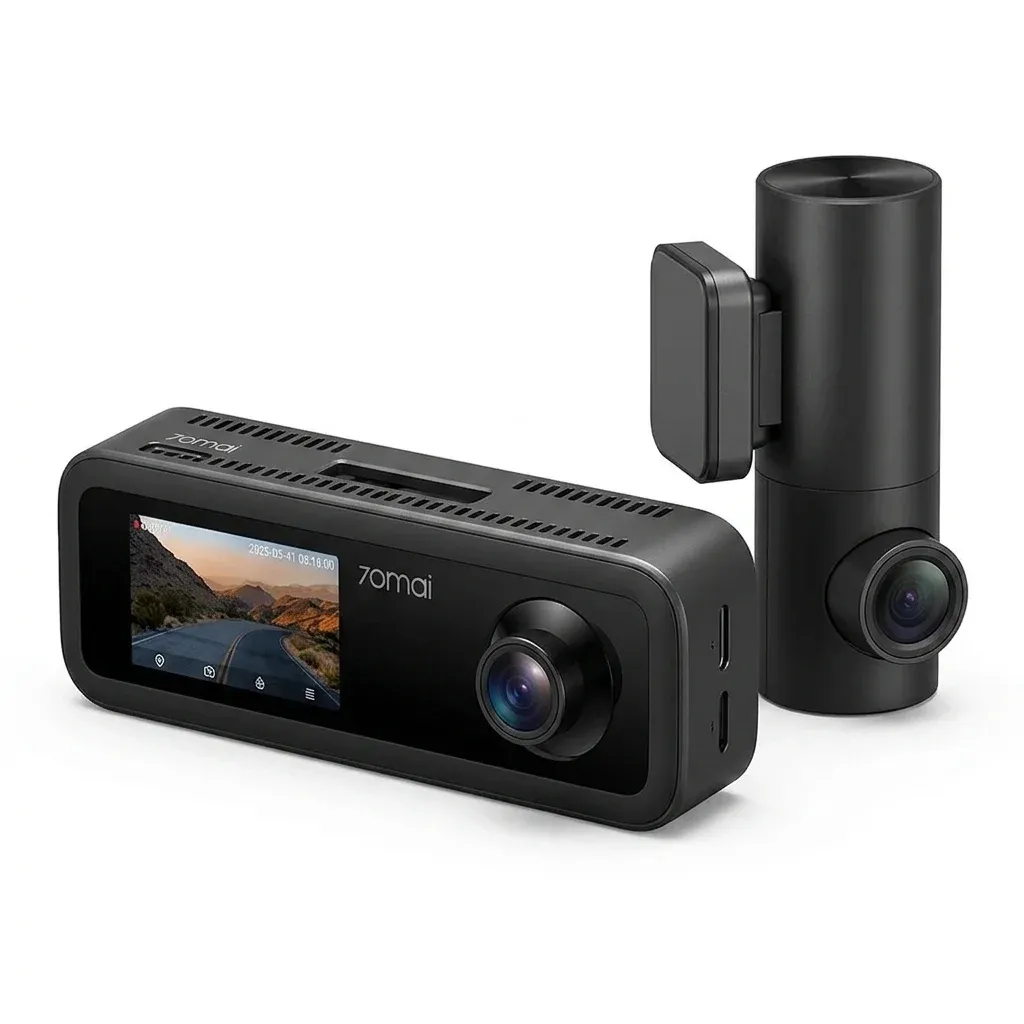
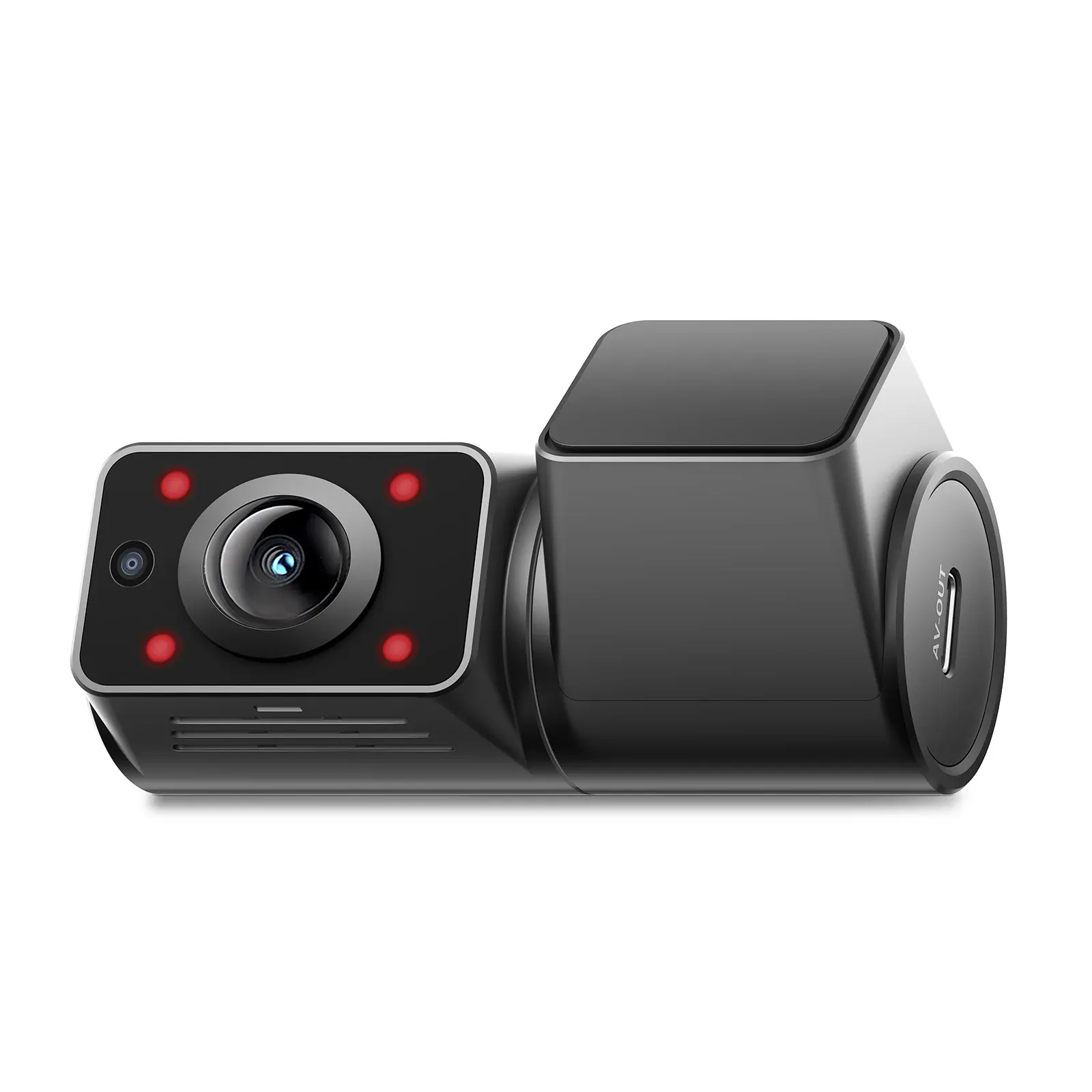
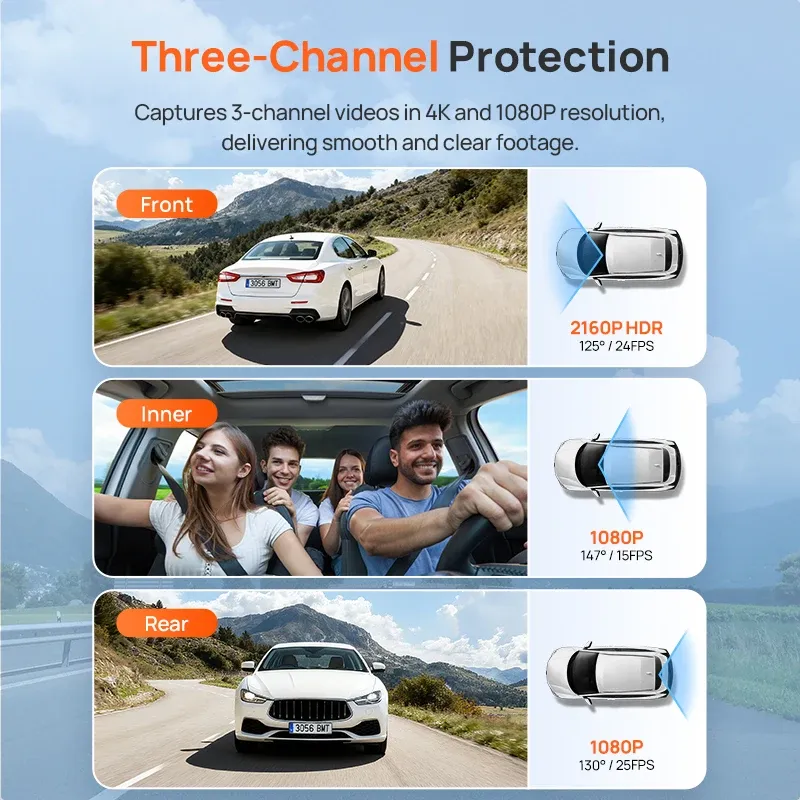
The 70mai T800E solves a common dash cam problem: one lens often leaves blind spots at the rear or inside the cabin. With three cameras recording together, it gives a much fuller picture of what happened before, during, and after an incident.
The front unit records in 4K at 3840 x 2160, while the rear and interior cameras run at 1080p, which is a practical split for drivers who want the strongest detail where it matters most. That balance is one reason this model stands out in the AliExpress UK dash cam segment, so how does it hold up in daily use?
4K front footage and wide coverage where it counts
The front camera uses a GC4663 sensor with a wide 125° field of view, which helps it capture lane changes, junctions, and number plates more cleanly than basic 1080p units. The rear camera stretches to 147°, so it is better suited to covering the lane behind than to zoom-like detail.
The interior camera offers 130° coverage and is the most useful part of the system for taxi drivers, ride-hailing drivers, and parents who want cabin evidence. Users also note that the interior night performance is especially strong, which matters when the cabin is dark and the only light comes from street lamps or dashboard reflections.
Night recording, HDR, and the value of a supercapacitor
NightShot support, F1.55 aperture, and intelligent HDR give the T800E a better chance of keeping highlights and shadows under control after dark. The result is not cinema-grade footage, but data and user feedback suggest it handles low-light commuting, parking bays, and wet roads better than many budget multi-channel rivals.
The supercapacitor is a more durable choice than a small lithium battery, especially in hot parked cars or winter cold snaps. It does not hold power for long on its own, yet that is exactly the point: it is designed for stability and safer shutdowns rather than portable use.
Voice control, GPS logging, and the practical side of ownership
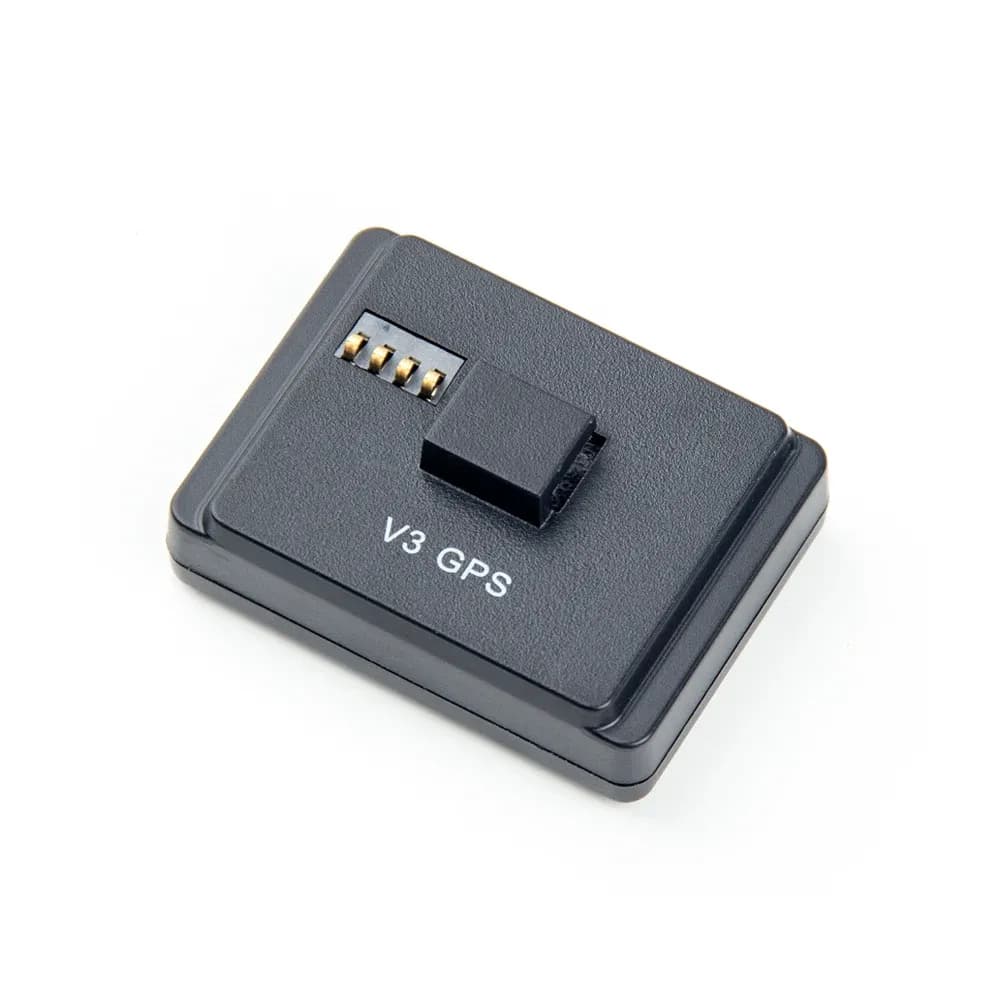
Built-in GPS records speed and coordinates automatically, which is useful when you need context for a claim or a route record. Voice control also reduces the need to fumble with the screen, and the 1.9-inch display is enough for quick checks without taking over the windscreen.
The camera supports loop recording, G-sensor protection, Wi-Fi, Bluetooth, and up to 512GB microSD cards, but it expects a U3 card for reliable performance. Several customers mention that using a slow or low-end card causes problems, so the storage choice matters as much as the camera itself.
Parking surveillance needs the right hardwire setup
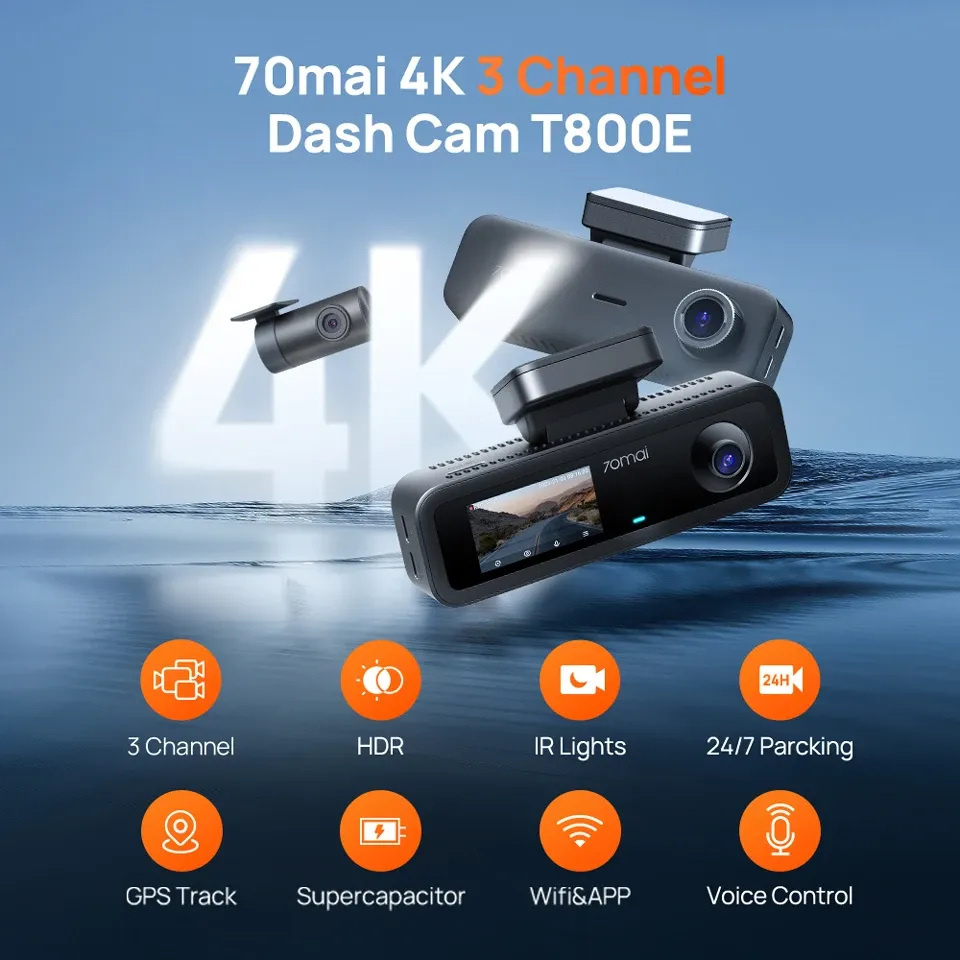
24-hour parking surveillance is supported, but it requires the UP03, UP06, or OBD power accessory rather than the UP04 4G kit. That detail matters because the T800E is not a 4G model, so buyers looking for remote cellular alerts should look elsewhere.
For drivers who want a hardwired security layer without moving into connected-car complexity, this is a sensible trade-off. The camera is compact at 83 x 60.5 x 37.9 mm, and the portable recorder design keeps installation straightforward, but what should you expect before fitting it?
Who gets the most from this 3-channel setup
This model makes the most sense for drivers who want evidence from every direction rather than a single front-facing clip. It is especially relevant for shared vehicles, family cars, and anyone who wants cabin coverage for accountability as well as road footage.
Reviews are broadly positive, with customers repeatedly praising the triple-lens layout, night recording, and front image quality, while also warning that the rear feed is weaker at night. That is a fair trade in this class, and it explains why the T800E feels more like a serious evidence tool than a simple commuter accessory.