








Why this mirror dash cam makes sense for busy roads
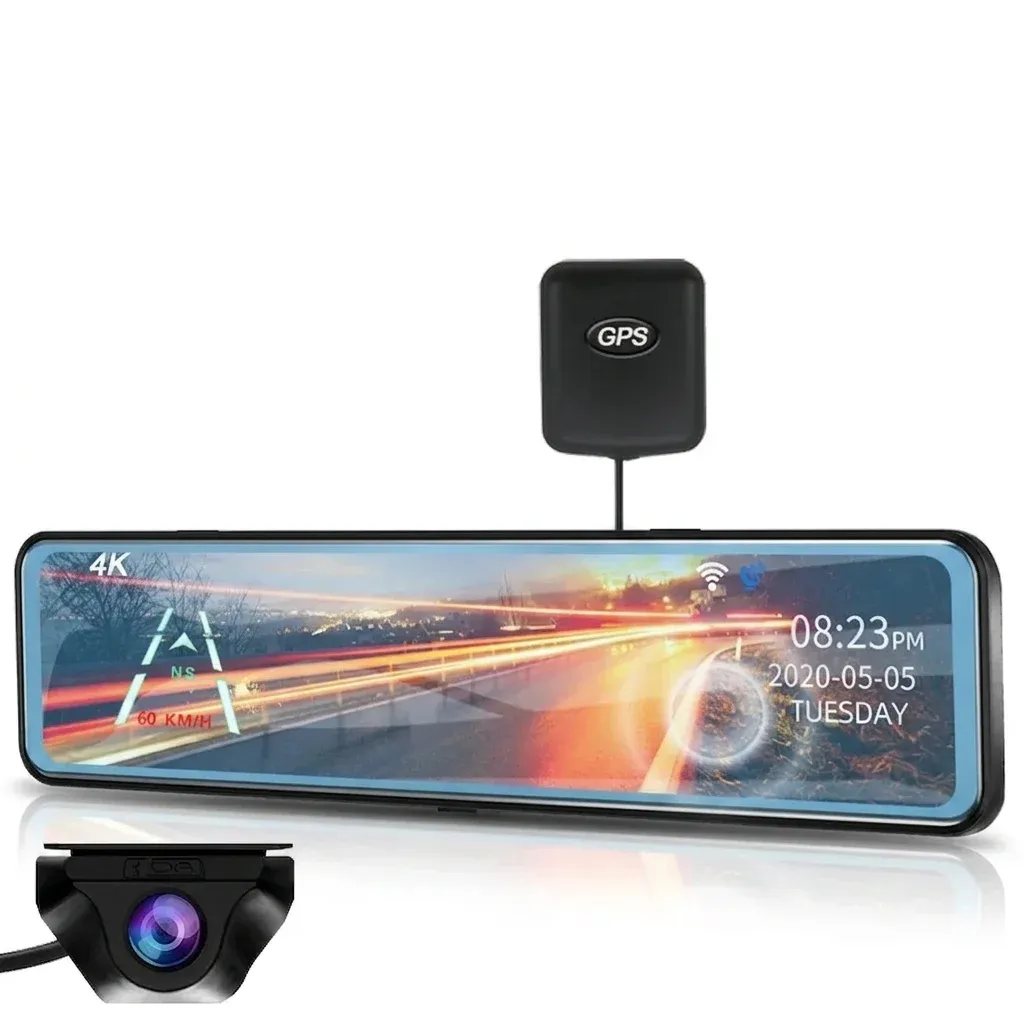
This Acceo unit solves a common problem in one move: it records the road while replacing a standard mirror with a larger, brighter display. That means you get a cleaner cabin layout, rear-camera visibility, and front footage in one installation.
For drivers who want a discreet setup without a separate screen glued to the windscreen, the mirror format is the main appeal. It looks more integrated than a traditional dash cam, and the 11.28-inch IPS panel gives the system a proper in-car monitor feel, so what happens next with image quality matters a lot.
4K front recording and what it means on the road
The front camera is rated at 3840x2160 with a Sony IMX415 sensor and an F1.6 aperture, which is the combination that should help it hold detail in daylight and keep headlights from washing out the frame too quickly at night. A 170-degree field of view also gives you a broad look at lanes, junctions, and roadside activity without feeling overly narrow.
In practice, this kind of spec sheet is useful for capturing number plates at closer distances and giving context around an incident, not just the car directly ahead. Users’ feedback is generally positive on image clarity, though a few comments suggest the advertised 4K performance can feel softer on the rear feed and that setup quality affects the final result.
Night driving, parking, and the value of a rear camera
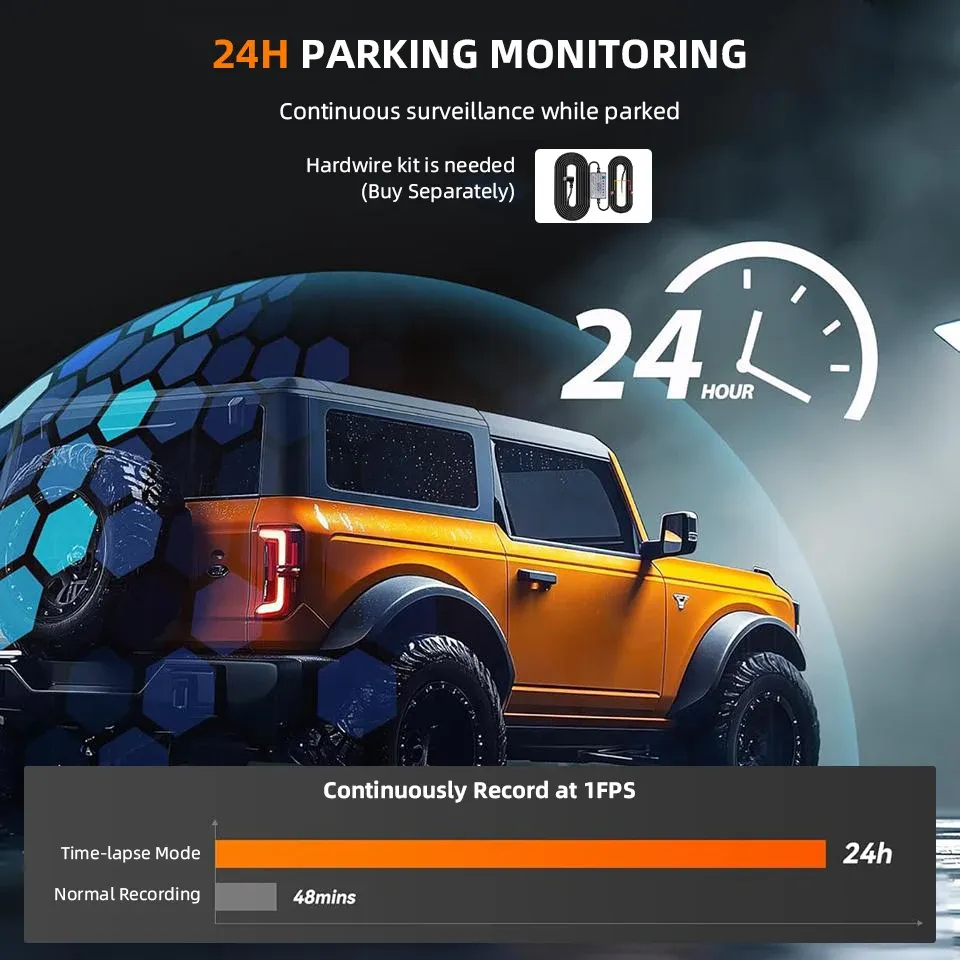
The NightShot function, WDR, 3D DNR, and automatic white balance are the features that should make the biggest difference after dark or in tunnels. They are designed to reduce grain, tame glare from streetlights, and keep moving objects readable when contrast drops.
The optional rear camera matters if you want more than incident recording, because it also turns the mirror into a reversing monitor. That is especially useful in tight supermarket bays or narrow residential streets, and one customer review noted the screen could work even before a memory card was fitted, which hints at its value as a parking display too.
Touchscreen control, Wi‑Fi pairing, and day-to-day usability
The 11.28-inch IPS touch screen is the feature that makes this feel closer to an in-car display than a simple recorder. It should be easier to review clips, switch views, and rotate the display than on tiny button-based dash cams, though one user reported noticeable touch lag, so responsiveness may not be as polished as the hardware looks on paper.
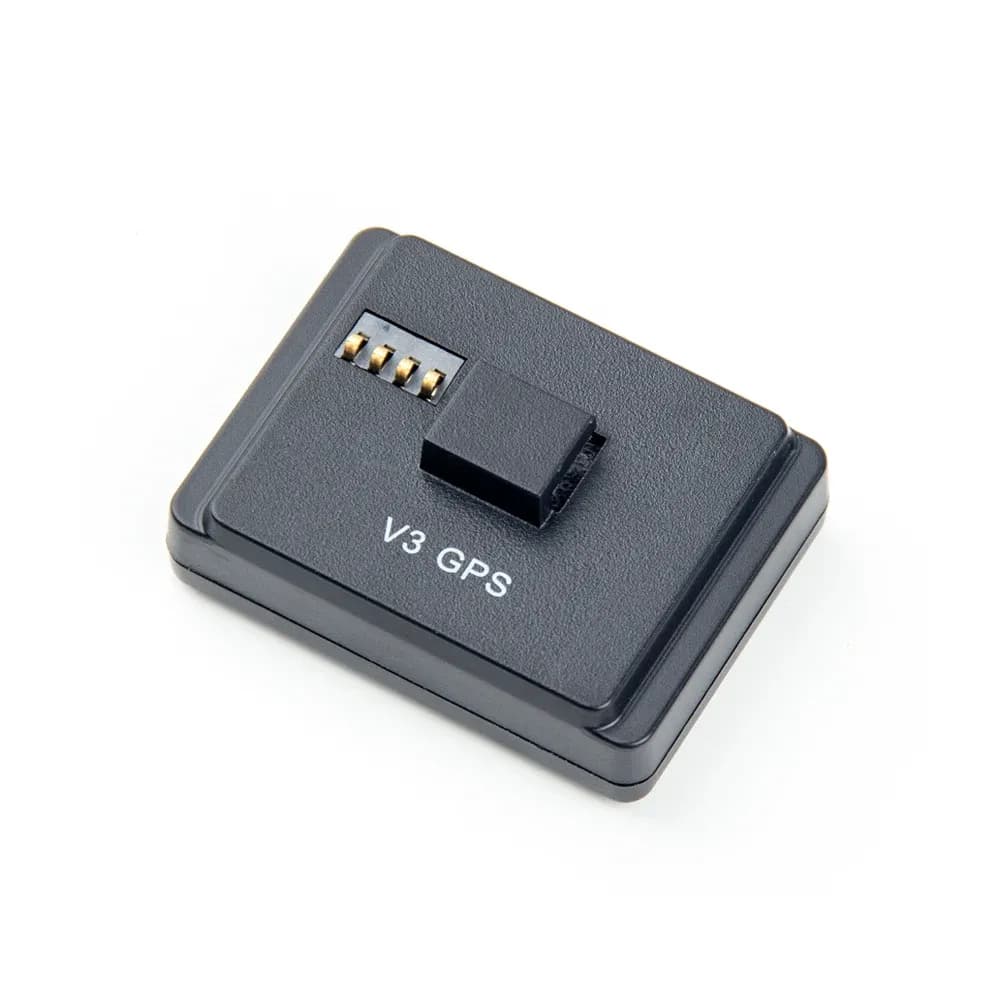
Wi‑Fi, speed and coordinates recording, and an external GPS logger broaden the system beyond basic recording. That combination is useful if you want route data attached to footage or prefer moving clips to a phone instead of removing the card every time, and it is here that the software experience becomes just as important as the lens.
Installation details that matter before you fit it

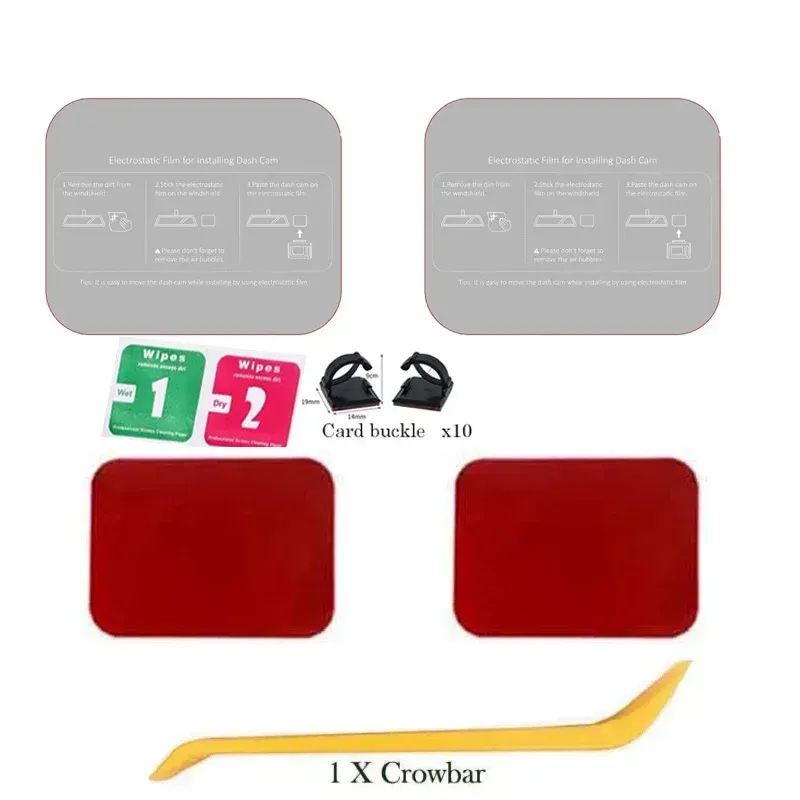
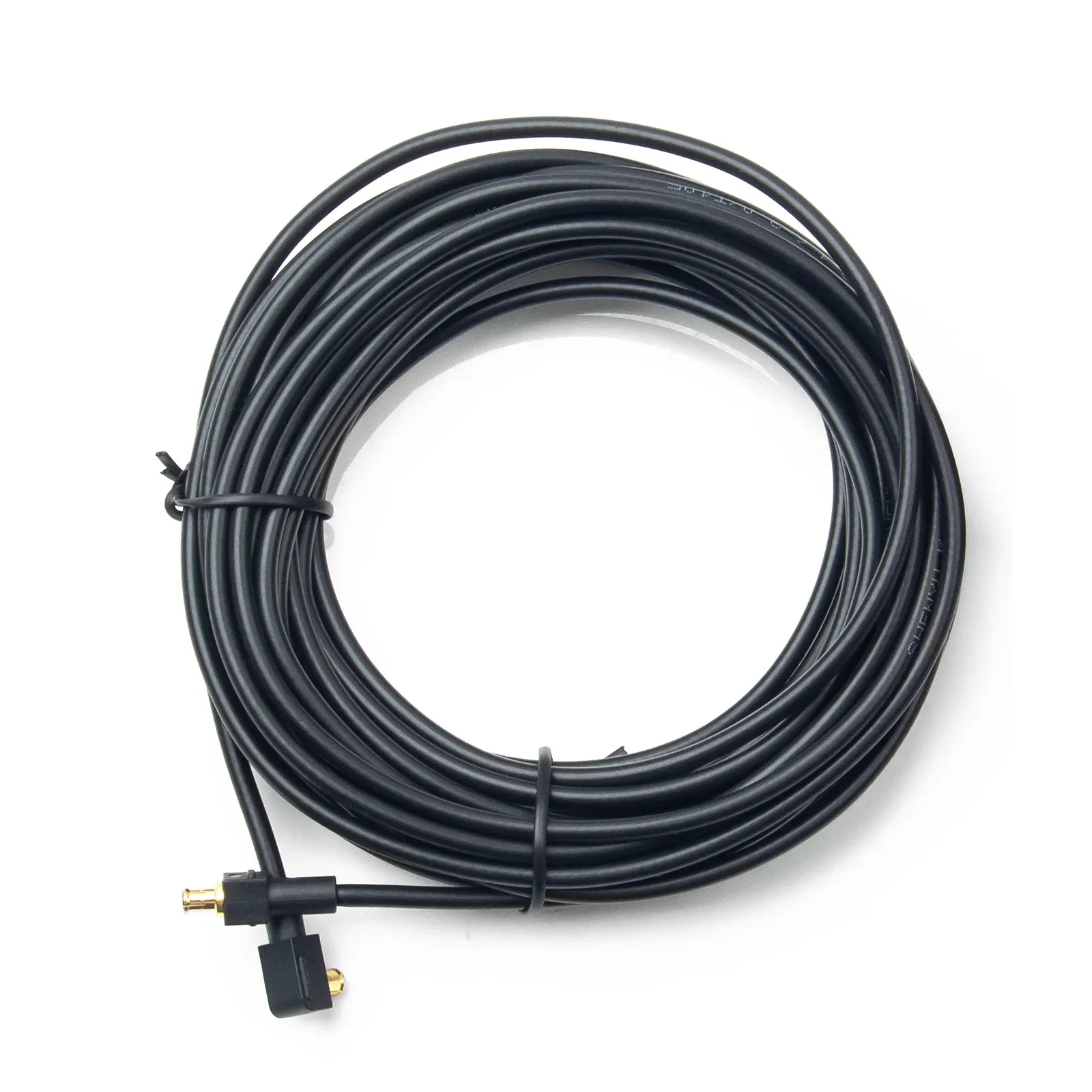
This is a corded mirror assembly with a built-in battery used only for saving settings, so it is not designed to run from a casual USB lead. The product note is worth taking seriously: it expects the correct car charger or hardwire-style power setup, otherwise startup issues and voltage instability can appear.
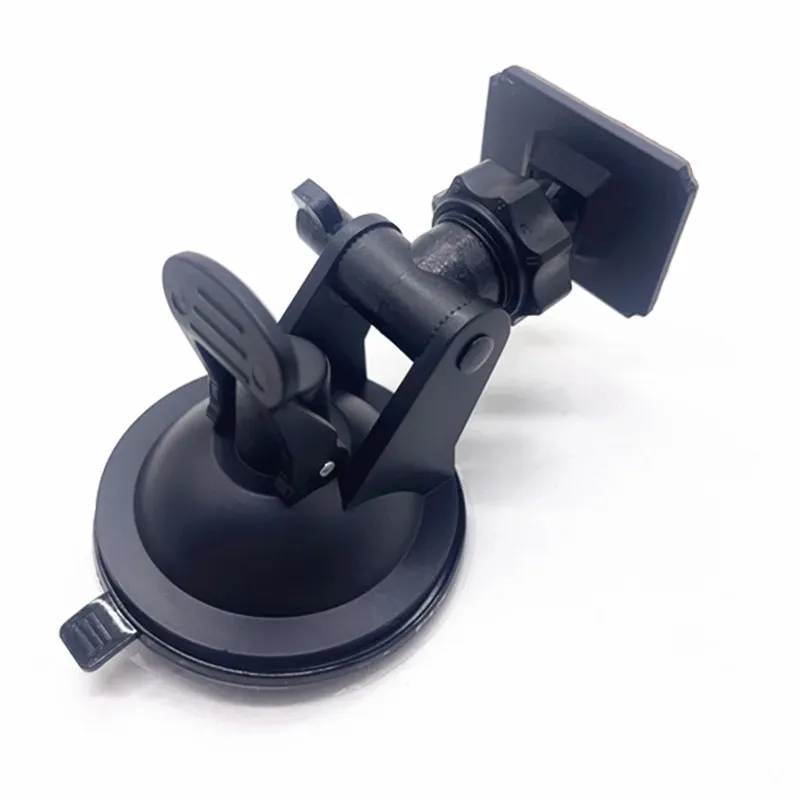
The elastic mirror straps may also need careful tensioning, especially on larger mirrors, because users mention the fit can feel tight. If your vehicle already has a broad factory mirror, the mirror-style design is usually neater than a suction-mounted dash cam, but the physical fit is what decides whether it feels OEM-like or awkward.
Who gets the most from it
This model suits drivers who want front-and-rear coverage, a parking aid, and a screen that is easy to glance at without cluttering the cabin. According to AliExpress UK user feedback, the strongest points are the solid mirror finish, good viewing angles, and useful Wi‑Fi function, while the weakest are touch speed and the rear image on some setups.
If you are choosing between a compact single-lens dash cam and a mirror recorder, this one leans toward convenience and visibility rather than minimalist hardware. That trade-off is exactly what makes it interesting for everyday commuting, family cars, and vehicles that spend time in tight parking spaces.