









Clear evidence for front and rear incidents
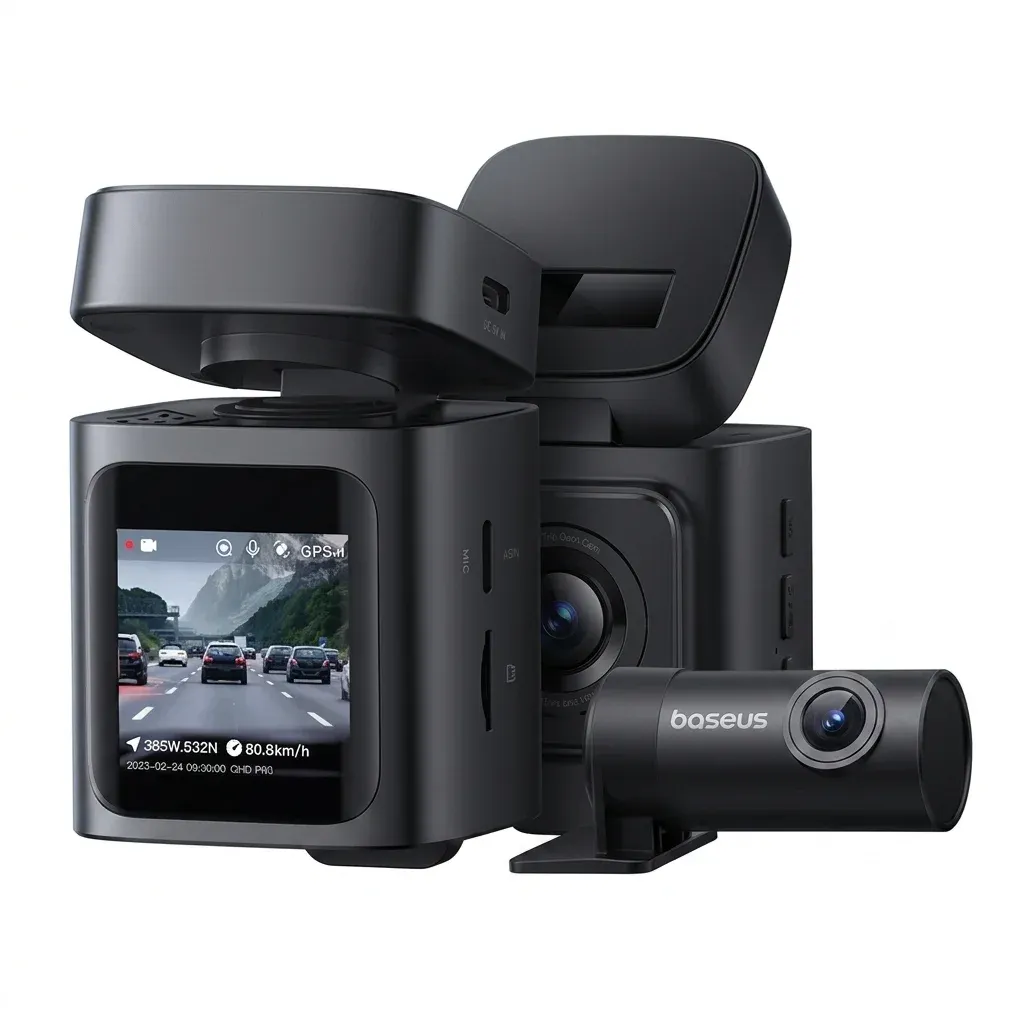
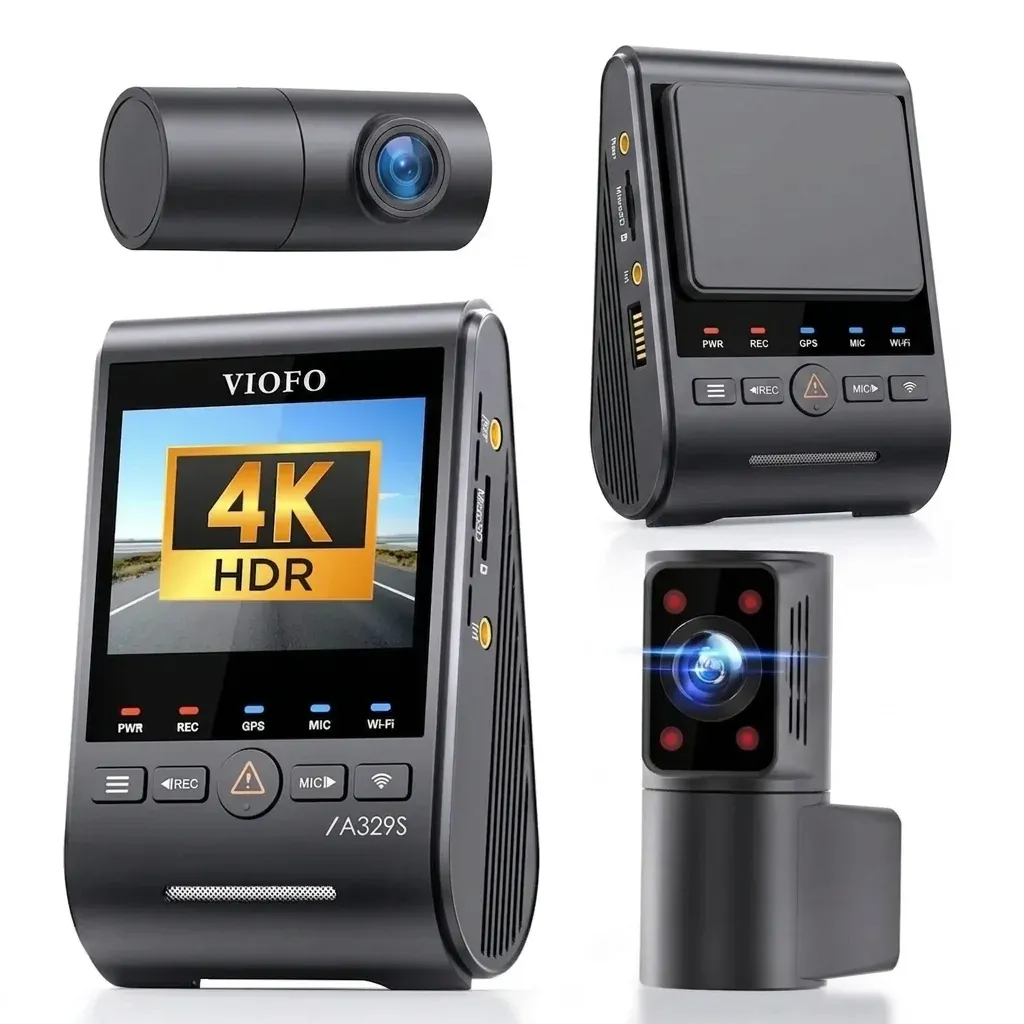
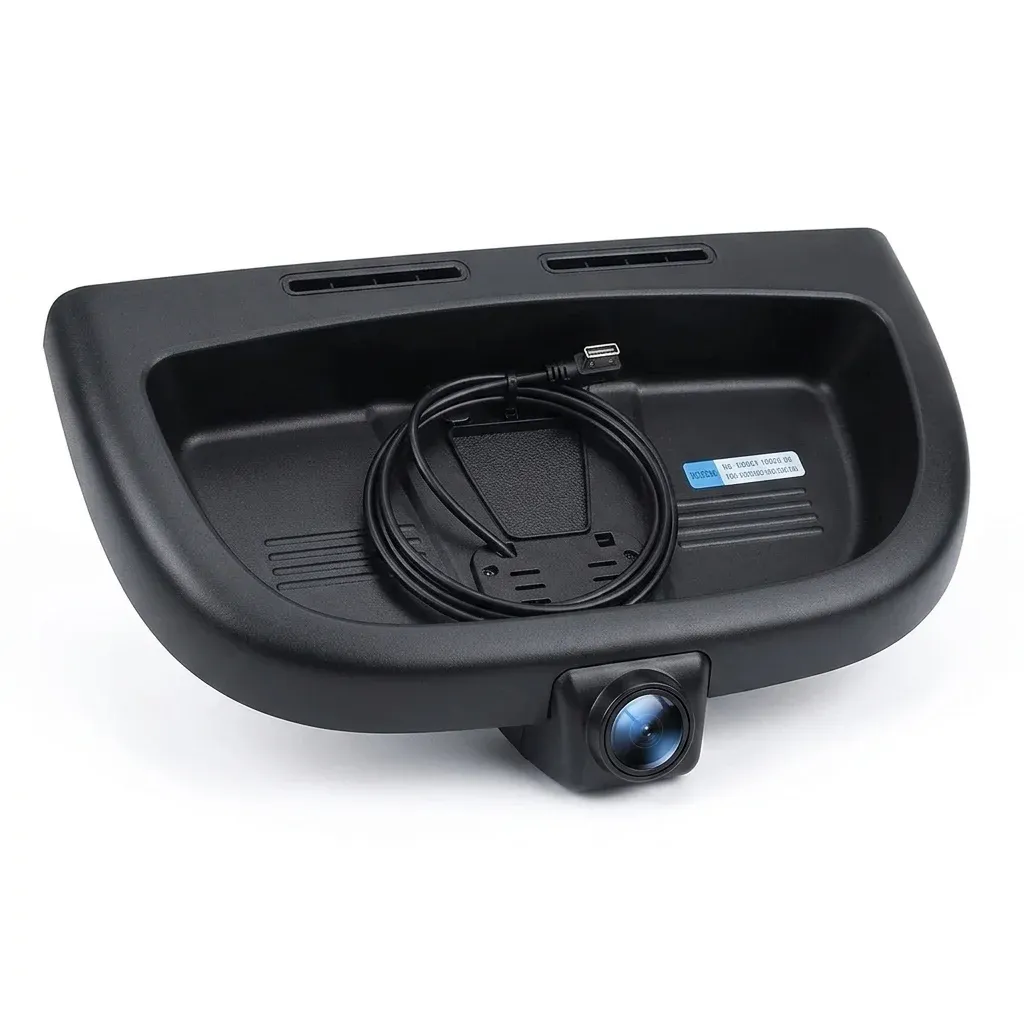
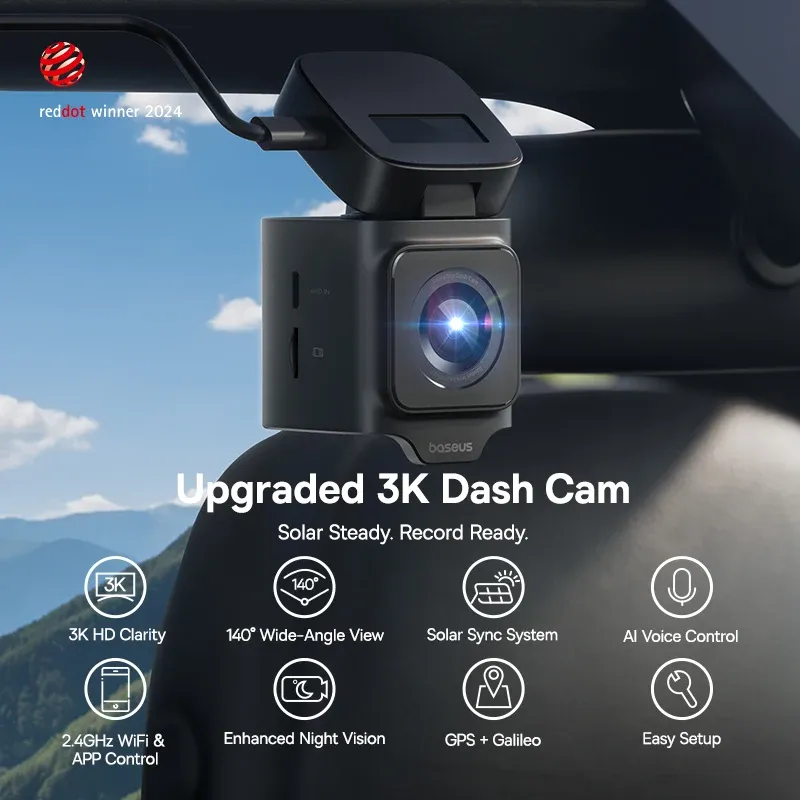
The main job of a dash cam is simple: capture enough detail to identify what happened, and the Baseus VD1 is built around that goal. Its 3K front camera and 1080P rear unit give it a stronger evidence trail than basic 1080P single-lens models, especially when number plates and lane positions matter.
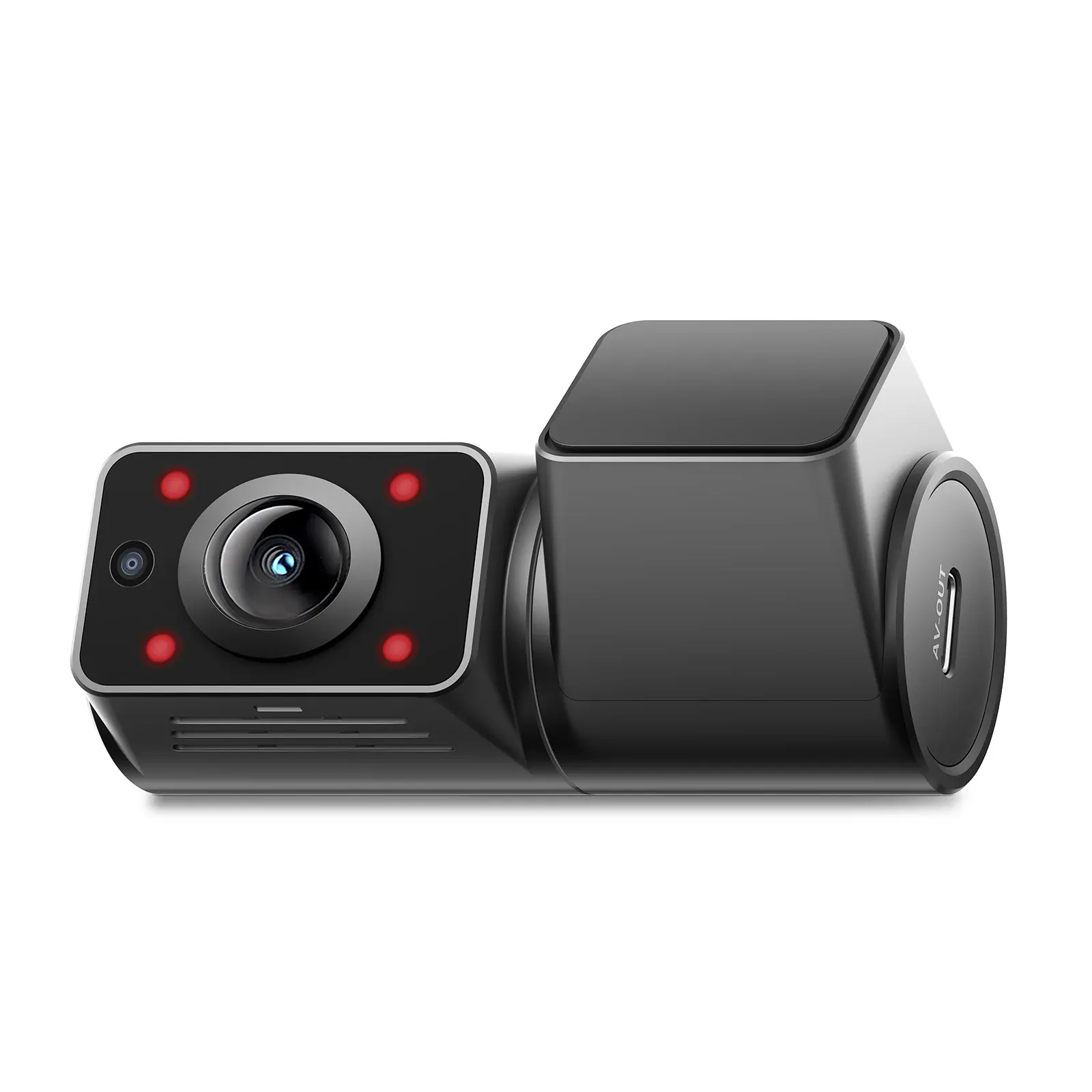
With a 140° front view and 120° rear view, it covers the road without turning the image into a stretched fish-eye effect. That balance is useful in urban traffic and on motorways, where a wider frame can catch side impacts or cut-ins that narrower cameras miss.
Night footage is where the F1.5 lens earns its keep
The F1.5 aperture and NightShot function are the key signs that this camera is aimed at low-light use rather than daylight-only recording. Users often report that plate reading stays usable after dark, which matters more than cinematic sharpness when you need a clean record of an incident.
Baseus also leans on anti-ghost and low-noise processing in the original description, which should help reduce the smeared headlights and grain that cheaper dash cams often produce. If you regularly park on dim streets or drive late, that processing is likely more useful than chasing higher headline pixels alone.
Why the supercapacitor design matters in real UK weather
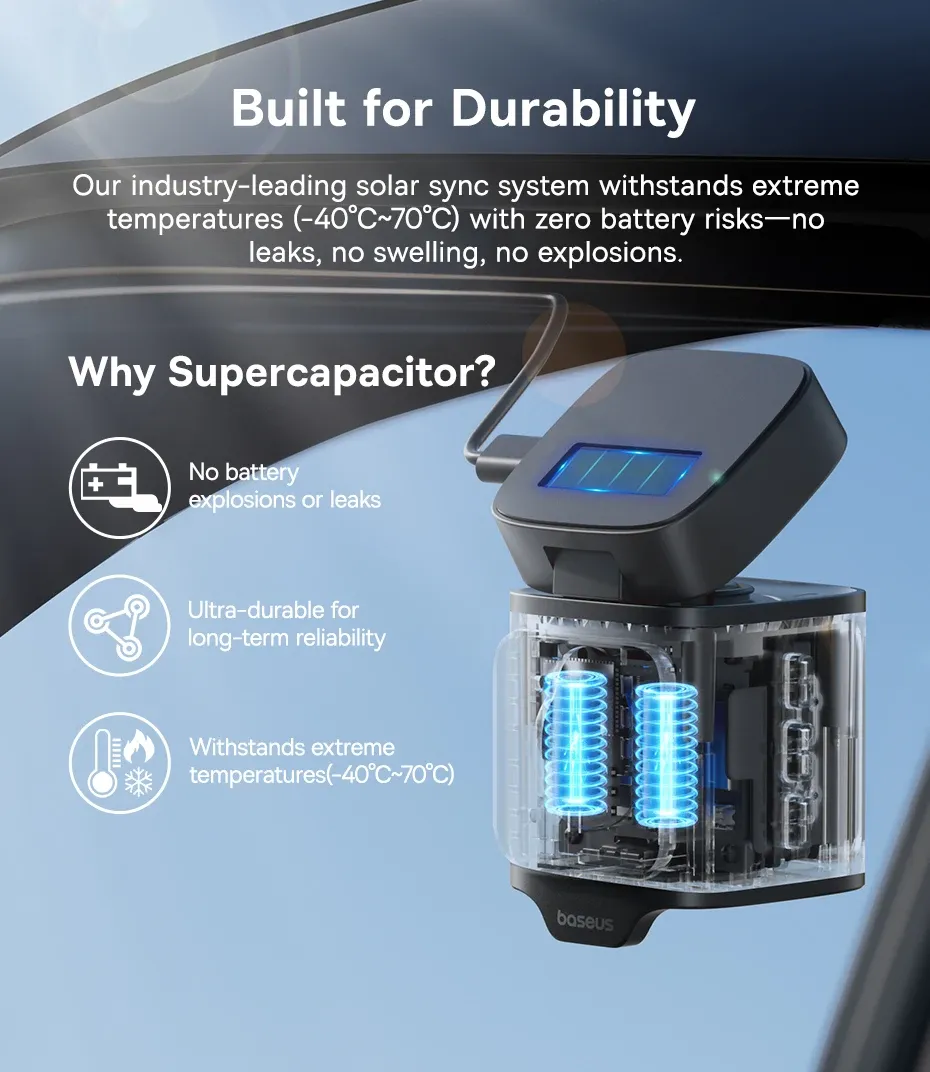
Instead of a battery, this recorder uses a supercapacitor, so it is better suited to heat, cold, and long-term dashboard exposure. The stated operating range of -40℃ to 70℃ is unusually broad, and that makes it a sensible option for cars that sit in direct sun or face winter starts.
This also reduces the risk of battery swelling over time, which is one of the most common complaints with older dash cam designs. For drivers who want a device that can stay installed year-round, that durability is a more meaningful benefit than a flashy screen interface.
GPS, Wi-Fi, and voice control make the footage easier to use
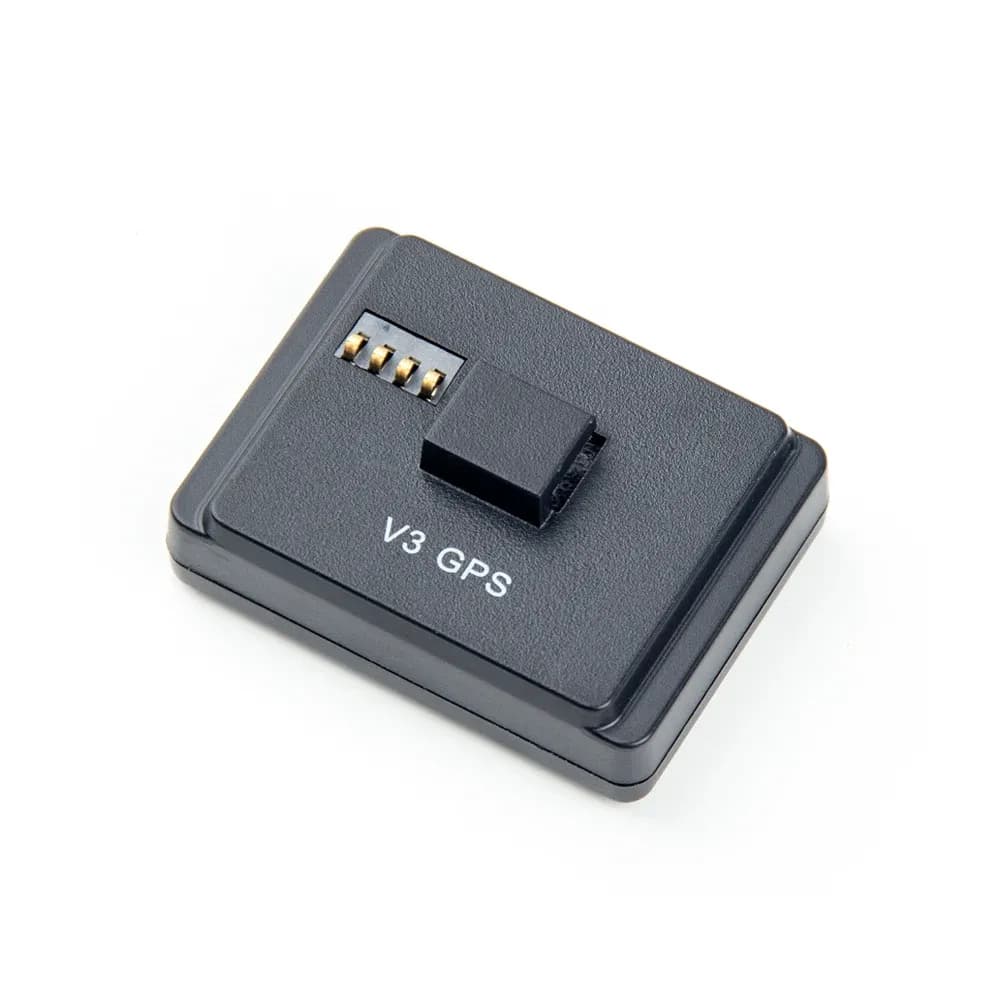
Built-in GPS adds speed and route data to recordings, which can be useful when reconstructing a journey or checking where an event took place. The Wi-Fi connection works with iOS and Android, so clips can be reviewed on a phone without removing the memory card every time.
Voice control is a welcome extra when you want to save a clip without taking your hands off the wheel. According to customer feedback, the app is easy to use, though the 2.4GHz Wi-Fi transfer speed is not as fast as newer dual-band systems, so very long clips may take patience.
Parking mode depends on the right setup
The 24H parking monitor is one of the strongest reasons to consider this model, but it is only as good as the installation behind it. The optional hardwire kit is important here, because it allows the camera to stay alert when the car is off and react to vibration or impact events.
That makes it a better fit for overnight street parking than a basic plug-in recorder that shuts down with the ignition. If you want time-lapse or motion-based coverage while the car is unattended, the hardware support is already in place, and the next question is how much storage it can handle.
Storage and file handling are practical rather than flashy
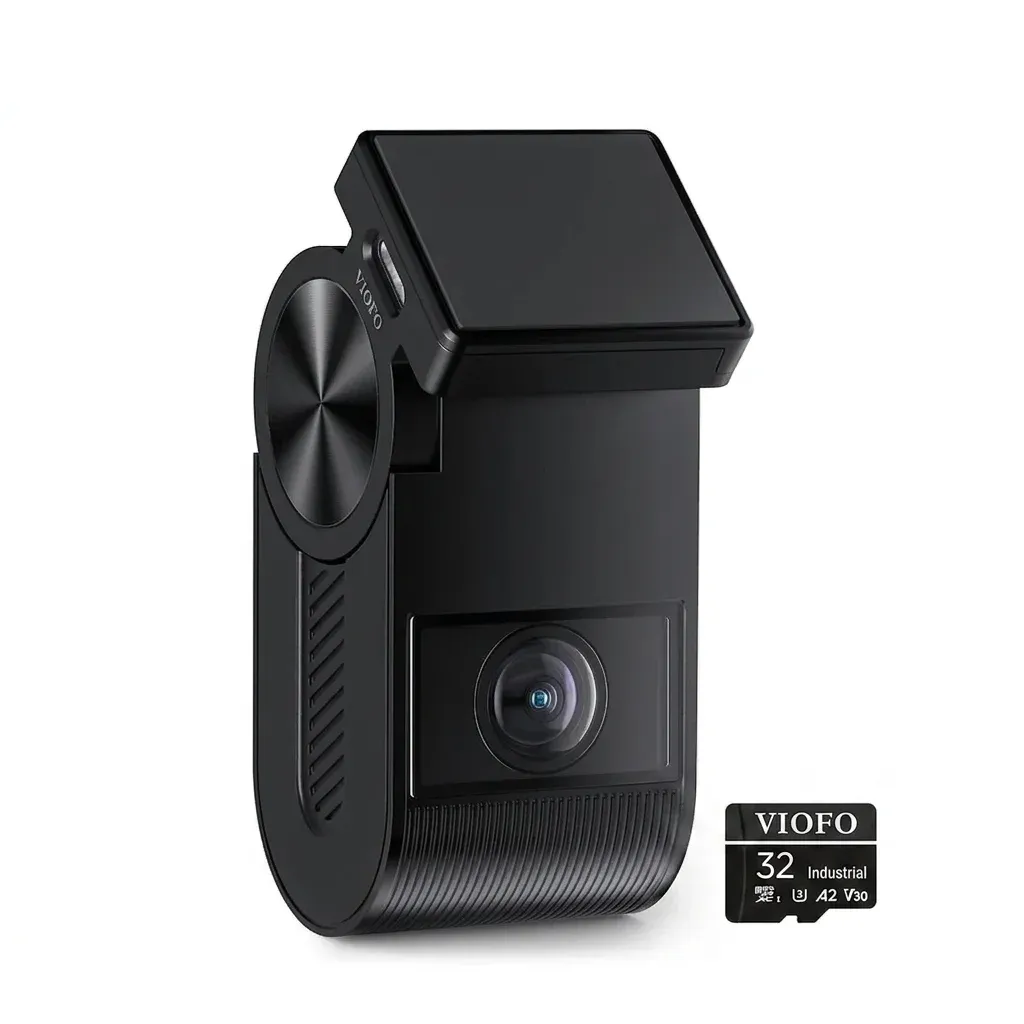
The VD1 supports Class 10 microSD cards from 32GB up to 256GB, which gives enough room for long loop recording cycles without constant card swapping. H.264 compression and MP4 output keep files widely compatible, so clips are easier to review, share, or archive.
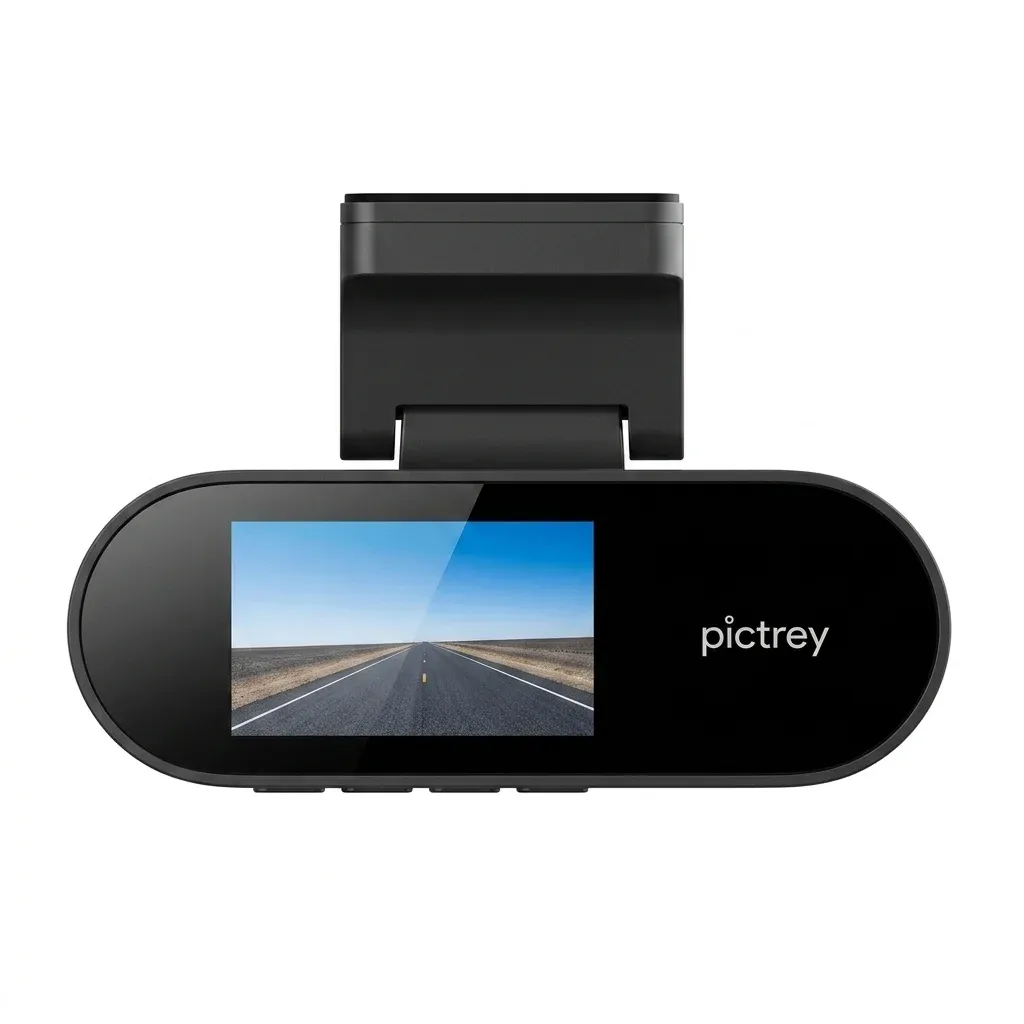
The 1.54-inch LCD is small, but that is normal for a compact recorder with a portable form factor. It is best treated as a setup and status screen rather than a media display, which is exactly how most drivers will use it anyway.
What real users seem to value most
Across the review sample, customers repeatedly mention strong video quality, solid packaging, and straightforward installation. The recurring theme is not luxury features; it is dependable recording that does the job without demanding much attention once fitted.
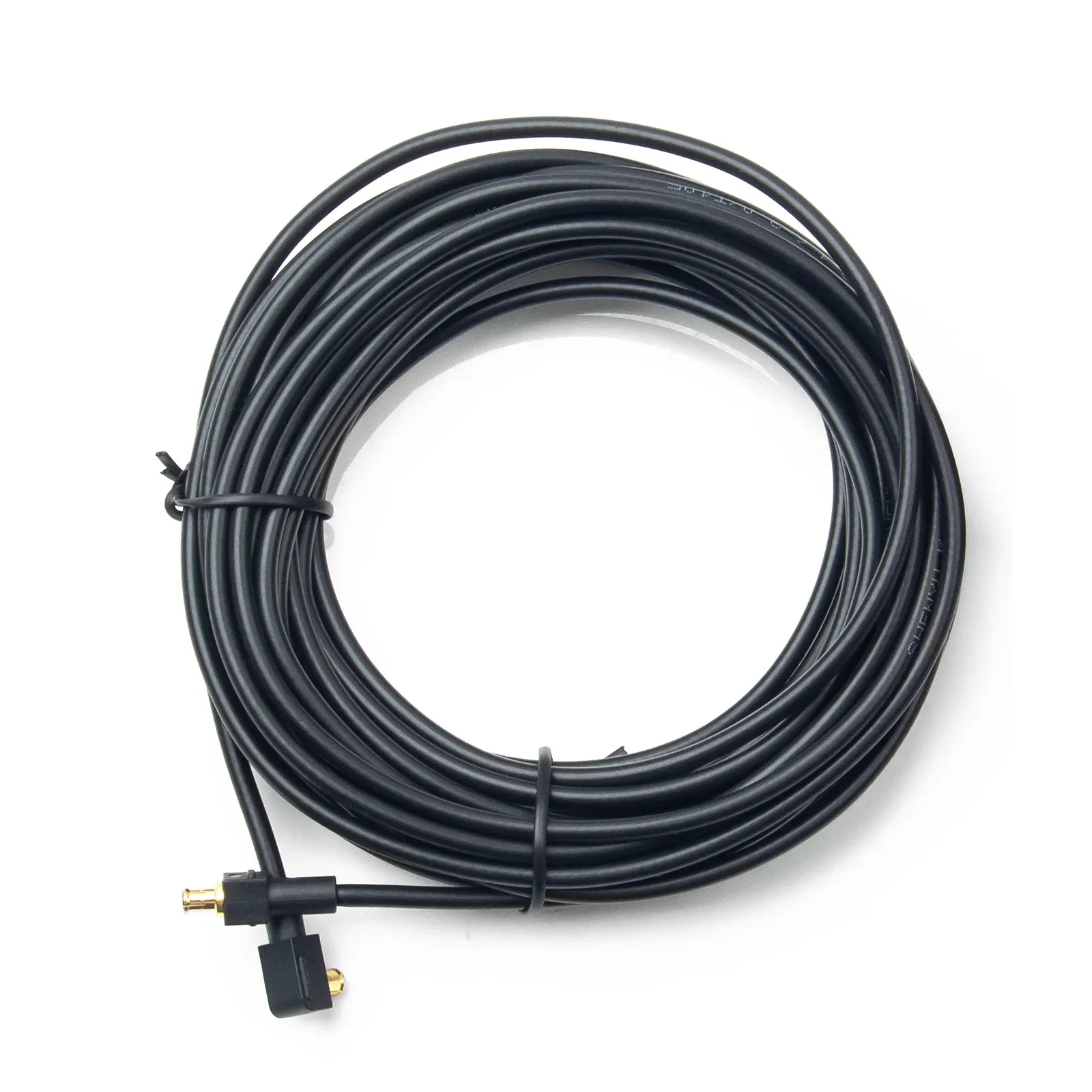
That is where this Baseus model lands best: a feature-rich dual dash cam that looks designed for evidence, not entertainment. The remaining detail is whether the included cable length and optional rear setup suit your vehicle layout, and that is worth checking before installation.