






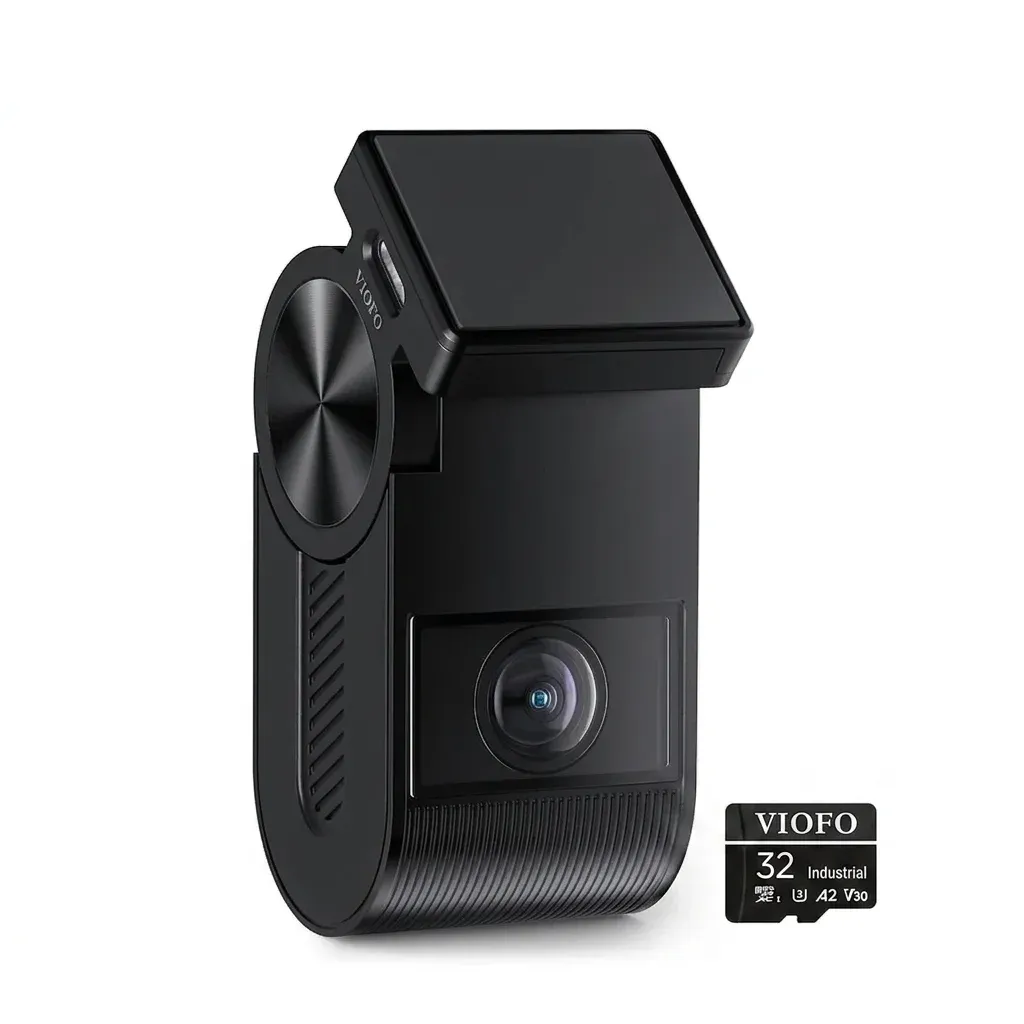
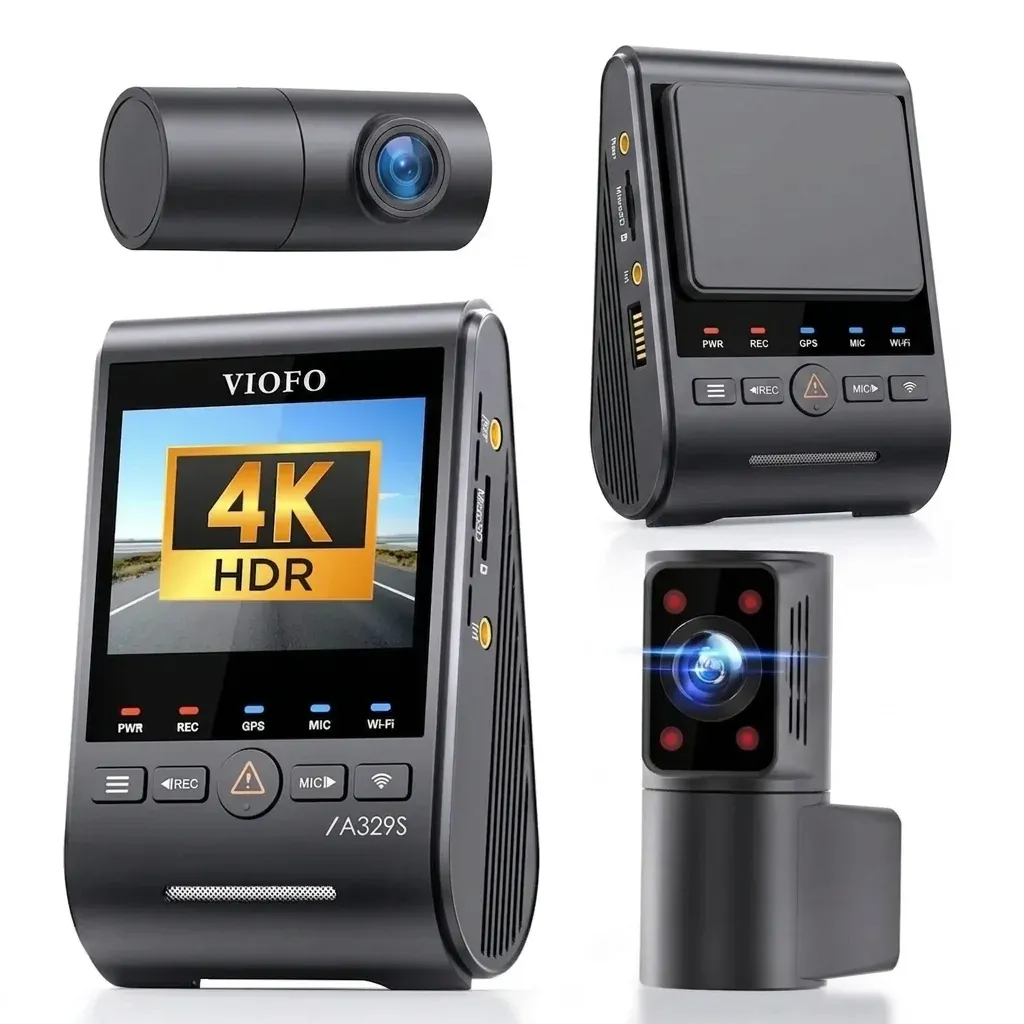
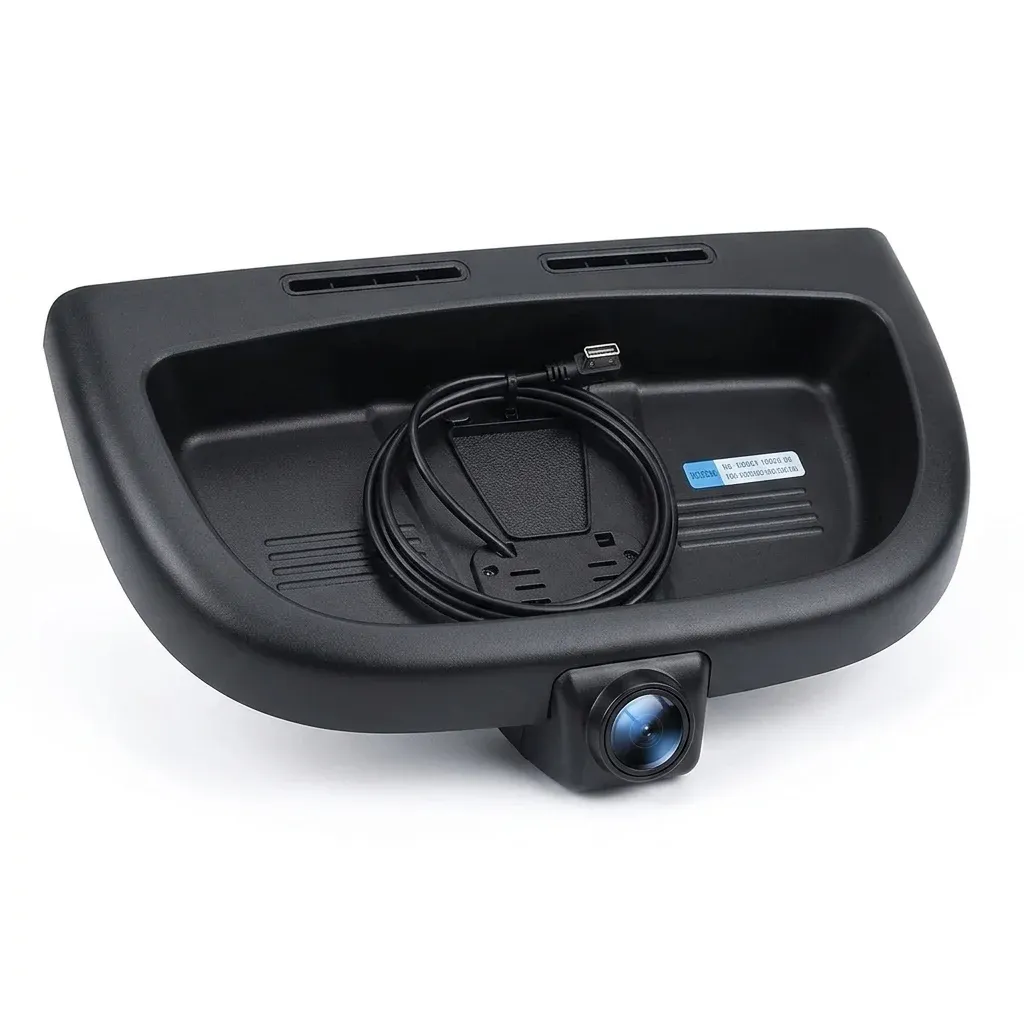
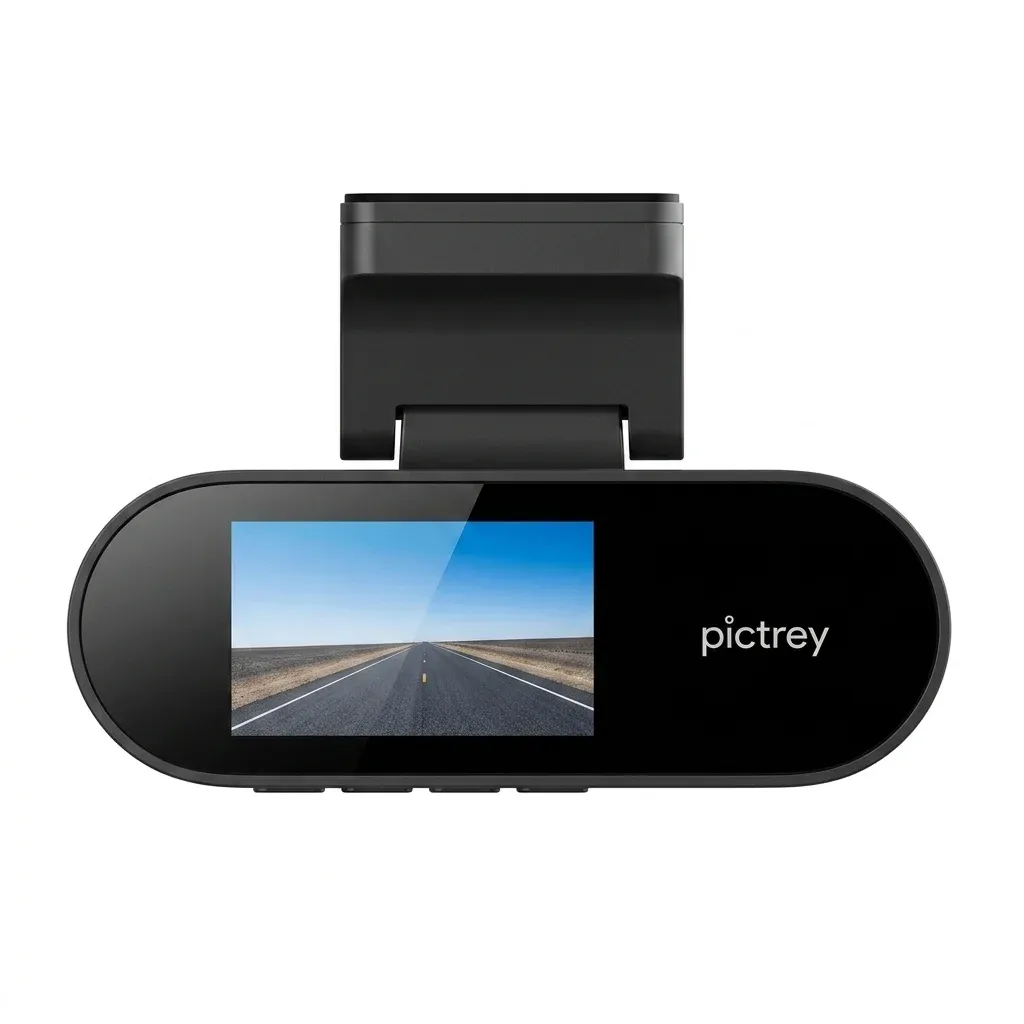

Connected protection when your car is parked or moving
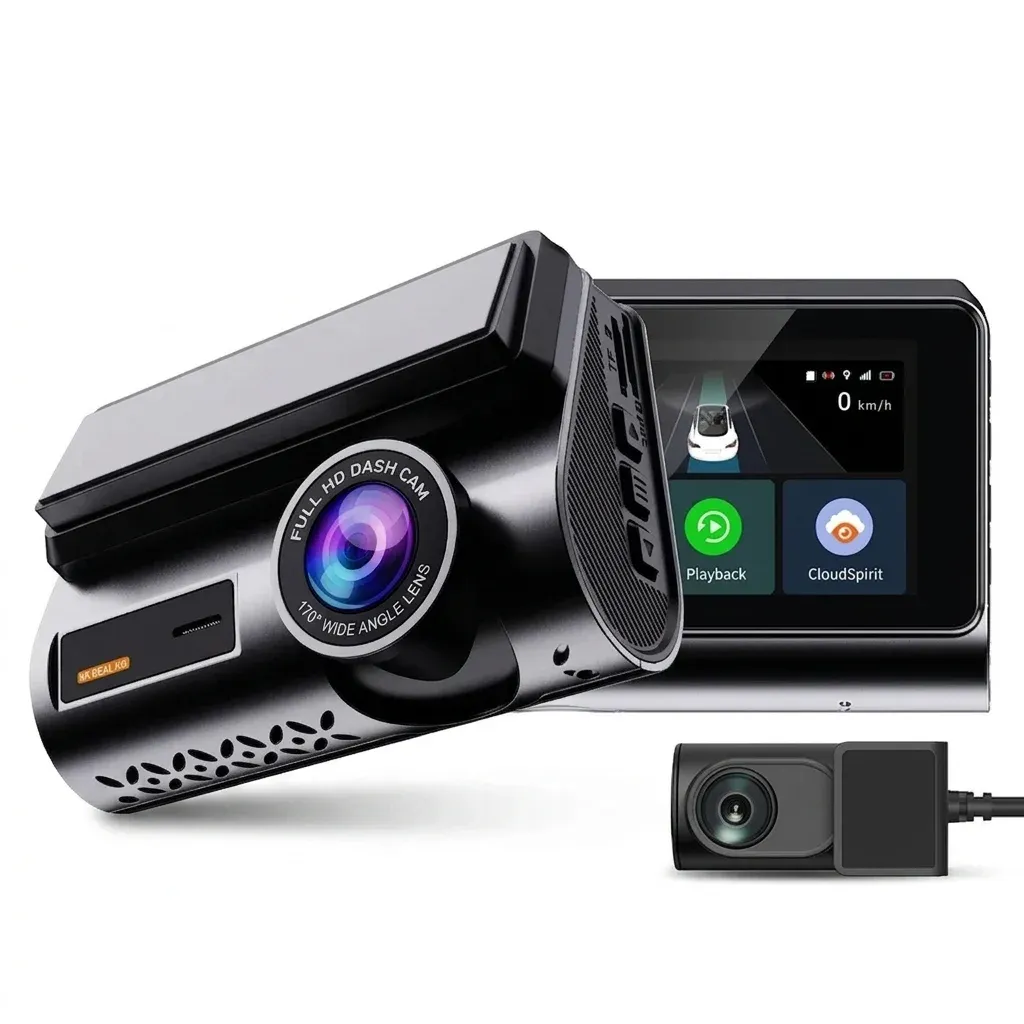
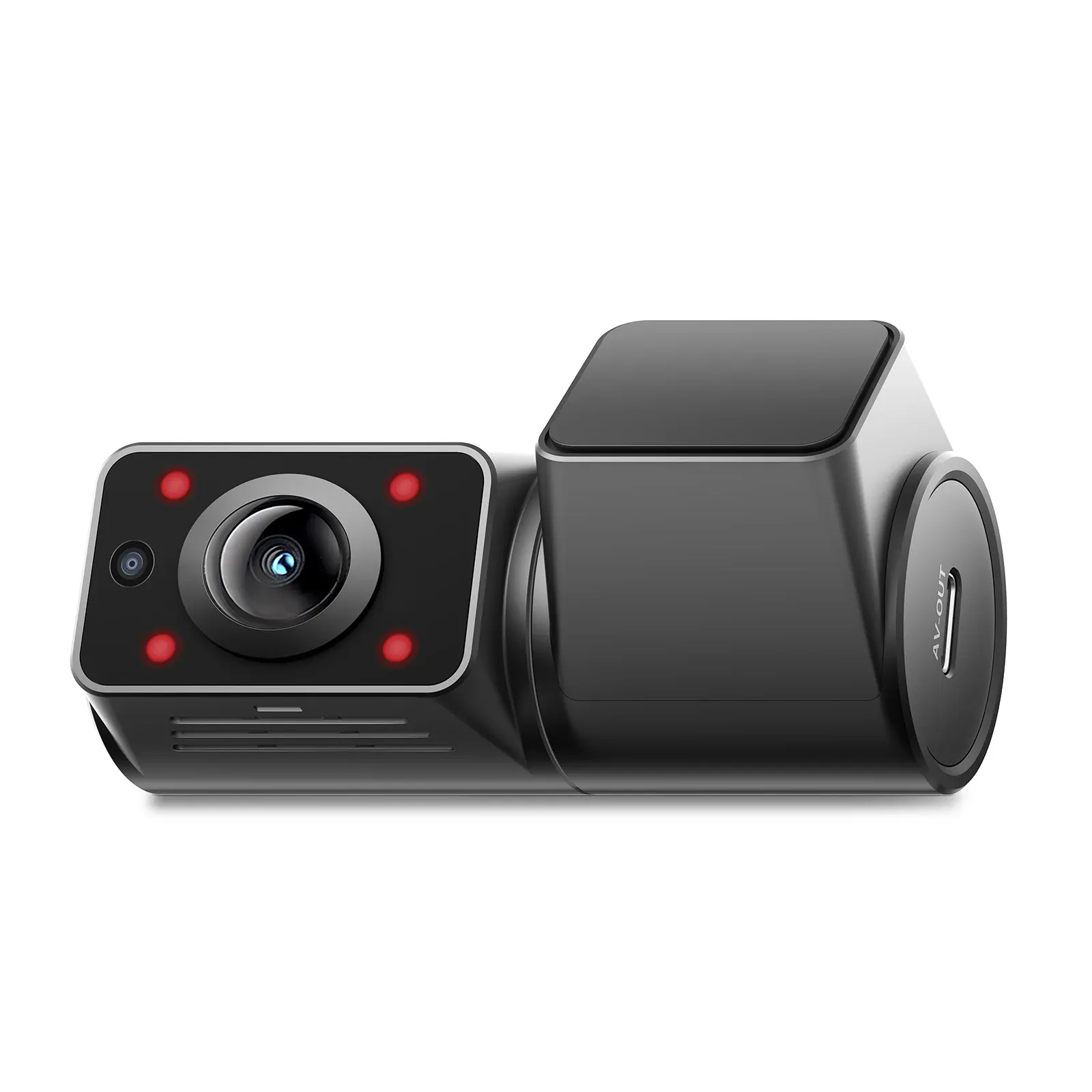
This dash cam is built for drivers who want evidence not just after an incident, but while the car is unattended. The 4G connection and CloudSpirit app turn it into a remote monitoring tool, so you can check live footage, location data, and alerts without being near the vehicle.
That makes it more capable than a standard front-and-rear recorder, especially for fleet use, long-term parking, or cars left in open car parks. The key question is whether the camera hardware keeps up with the connected feature set, and that is where the 2K front unit and 720P rear unit matter.
2K front recording and a rear camera that covers the blind side
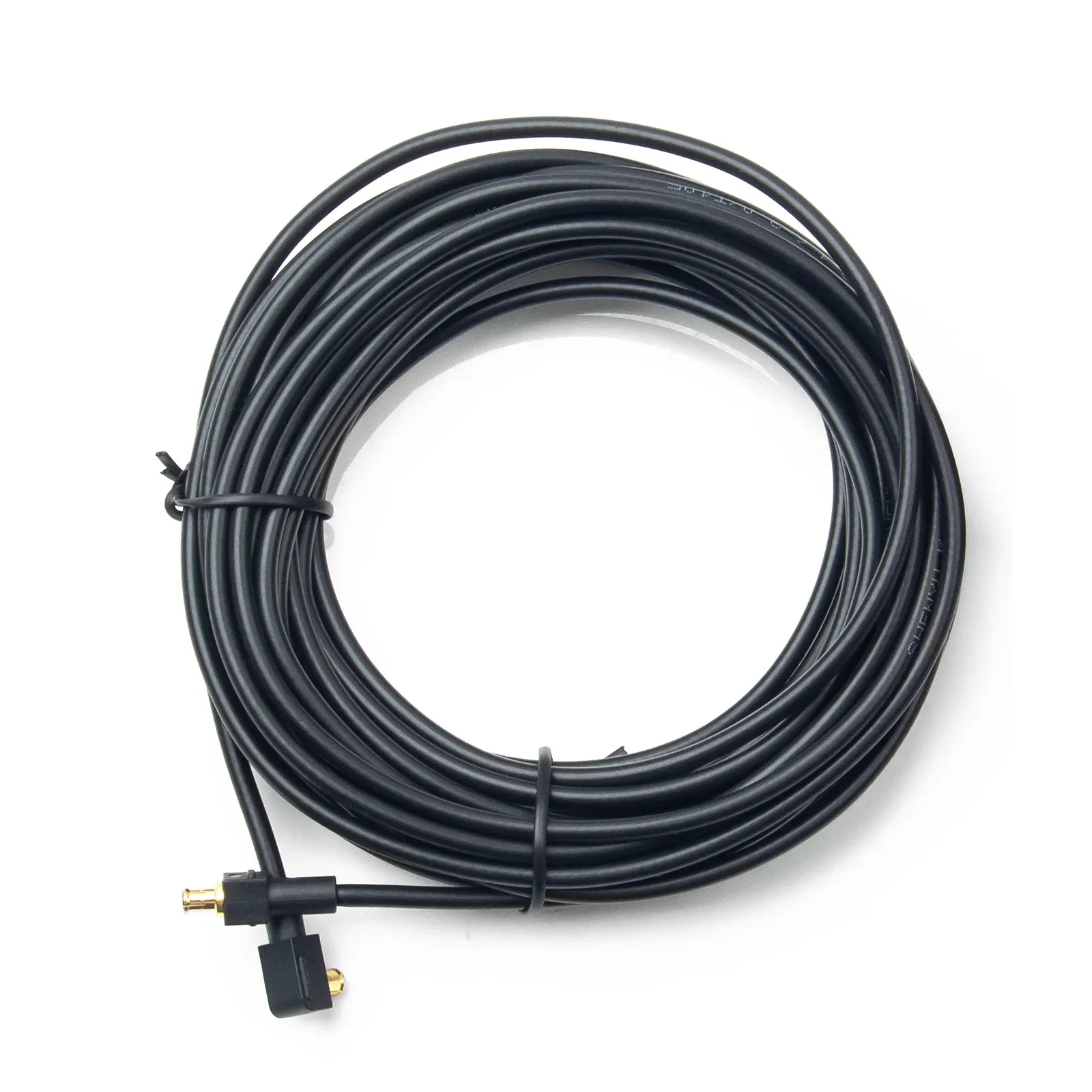
The front camera records at 2560x1440 with a 140-degree field of view, which should capture lane changes, junctions, and number plates more cleanly than a basic 1080p unit. The rear camera runs at 720P over a 6-metre cable, giving enough reach for larger saloons and SUVs without forcing awkward routing.
In practice, the front channel is the one that will do most of the heavy lifting, while the rear view adds context during tailgating, reversing knocks, or parking disputes. A few customer comments suggest the image quality is strong for the segment, though one reviewer questioned the true resolution, so expectations should stay realistic at this level.
NightShot, F2.0 optics, and why low light should be usable

The Sony CCD sensor, F2.0 aperture, and NightShot function are the parts that should help when headlights, street lamps, and reflections fight for visibility. Instead of a washed-out smear of white and black, the goal is a clearer outline of vehicles and road markings after dark.
That matters in the UK, where winter commuting often means recording in poor light for much of the day. The 25fps cap is not cinematic, but it is enough for incident capture, and the H.264 format should keep files manageable on a Class 10 microSD card.
GPS logging and speed data for cleaner incident records
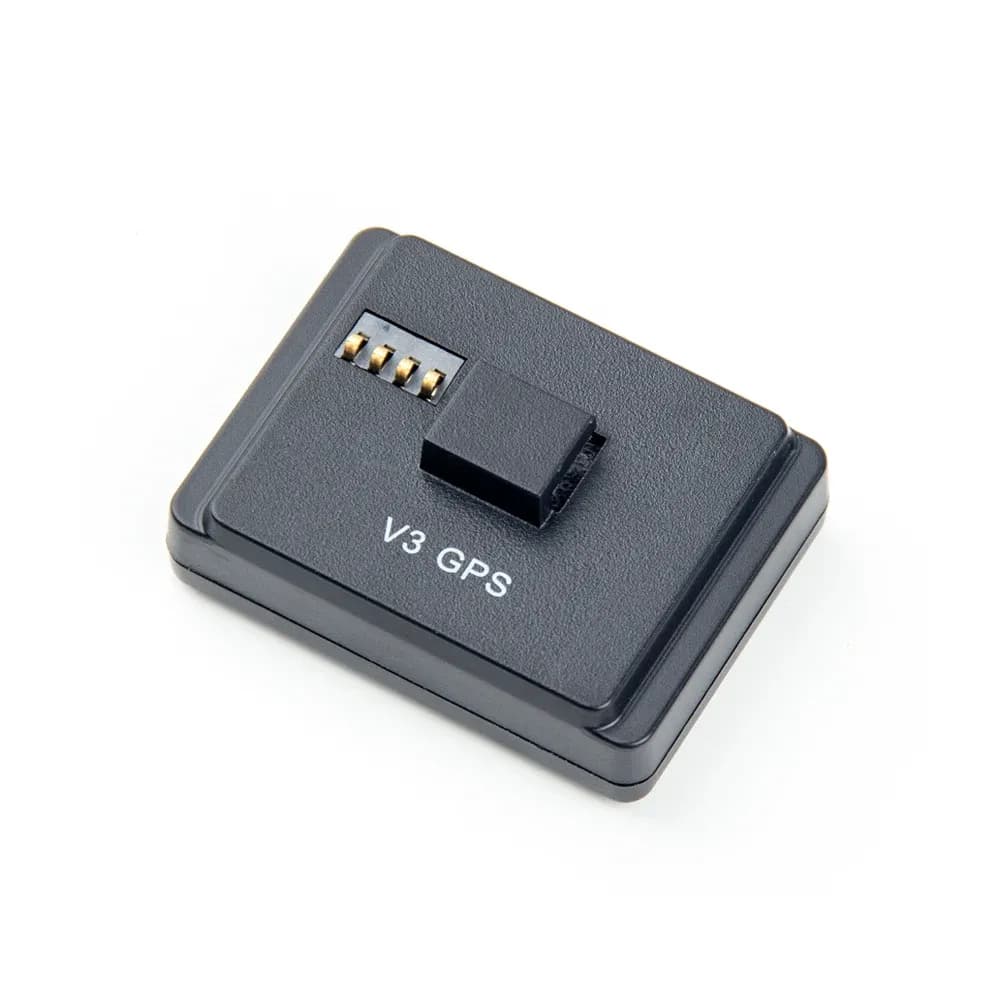
Built-in GPS adds speed, coordinates, and route history to the footage, which is useful when you need more than a timestamp. If a claim or dispute ever needs context, the dash cam can show where the car was, how fast it was moving, and what direction it was travelling.
That makes this model more useful than a simple recorder that only captures video. For drivers who regularly commute, deliver, or cover long motorway runs, the location trail can be the difference between a vague clip and a properly documented event.
Parking monitor and G-sensor: the car keeps recording after you leave
The parking monitor and G-sensor are the standout safety features here, because they wake the system when motion or impact is detected. If someone nudges the car in a car park, the camera is designed to preserve the relevant footage automatically.

This is one of the strongest reasons to consider a connected dash cam over a cheaper single-channel unit. The caveat is power management: the product notes that it needs the original 5V 3A power cord, so cable choice matters if you want stable parking surveillance.
Setup details that matter more than the spec sheet
The unit uses a portable recorder design with a built-in LCD screen, Type-C input, and Wi-Fi support, so initial setup should be straightforward. There is no battery, which is actually useful here because heat resistance and long-term reliability tend to be better in corded dash cams than in battery-based models.
It also supports multiple OSD languages, including English and Hebrew, and it is rated for working temperatures from -20 to 70 degrees. For drivers who want a dash cam that feels closer to a small vehicle security system than a simple camera, that combination is the real selling point.
- 4G live viewing through the CloudSpirit app
- 2K front recording with 720P rear coverage
- Built-in GPS with speed and coordinate logging
- Parking monitor with G-sensor event capture
- NightShot support for low-light driving
- Wi-Fi sharing and remote notifications
- Loop recording for continuous use