







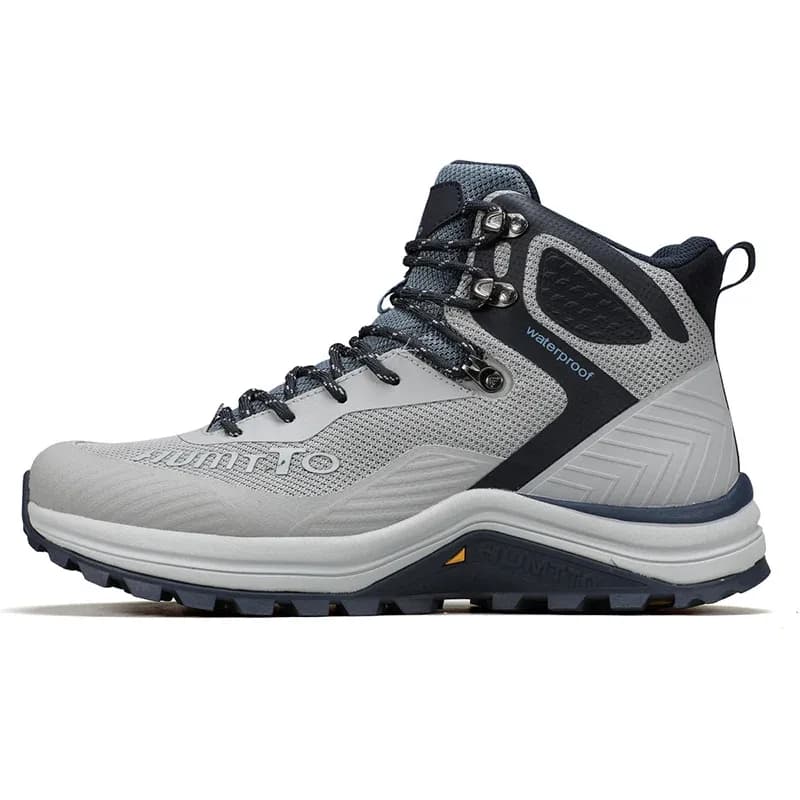
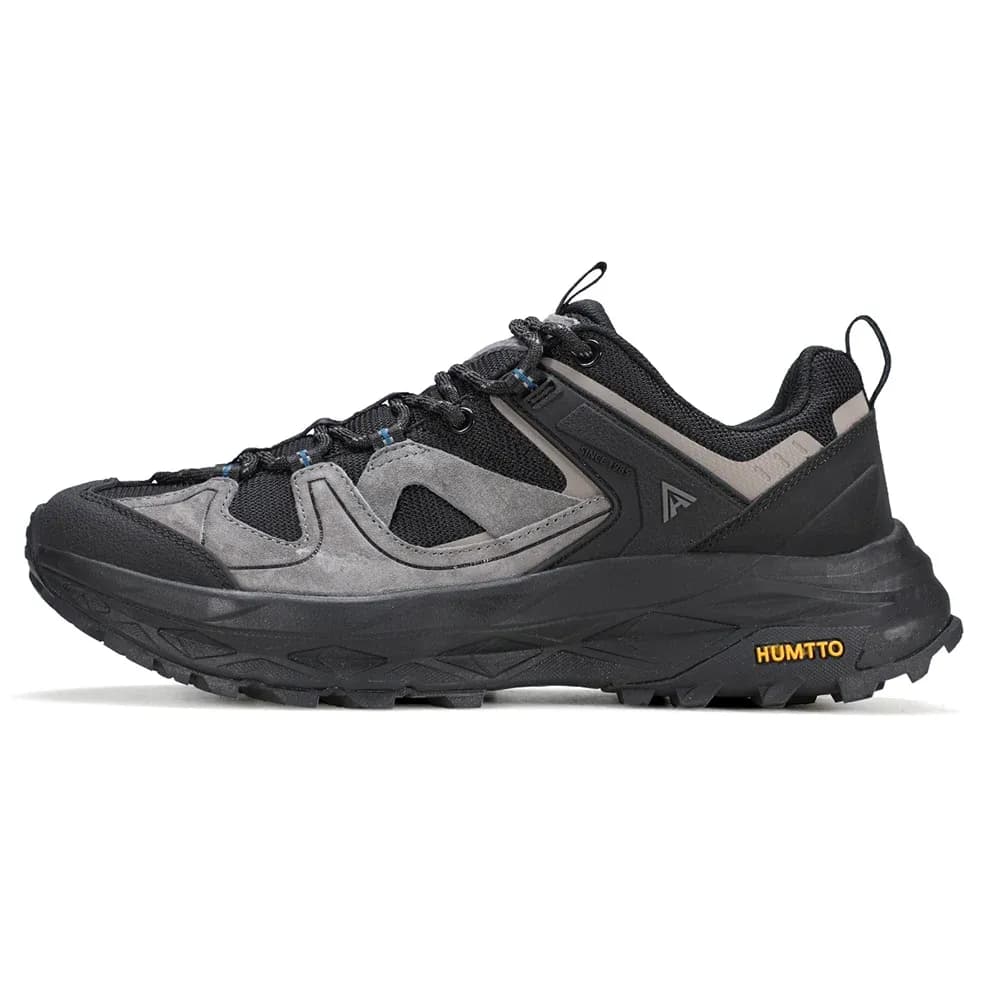

Cold feet are the problem, not the weather
BONA has built a strong reputation in the AliExpress niche by focusing on practical footwear that feels more refined than typical budget outdoor boots. The brand usually gets the basics right: sensible construction, wearable shapes, and materials that aim for comfort before gimmicks.
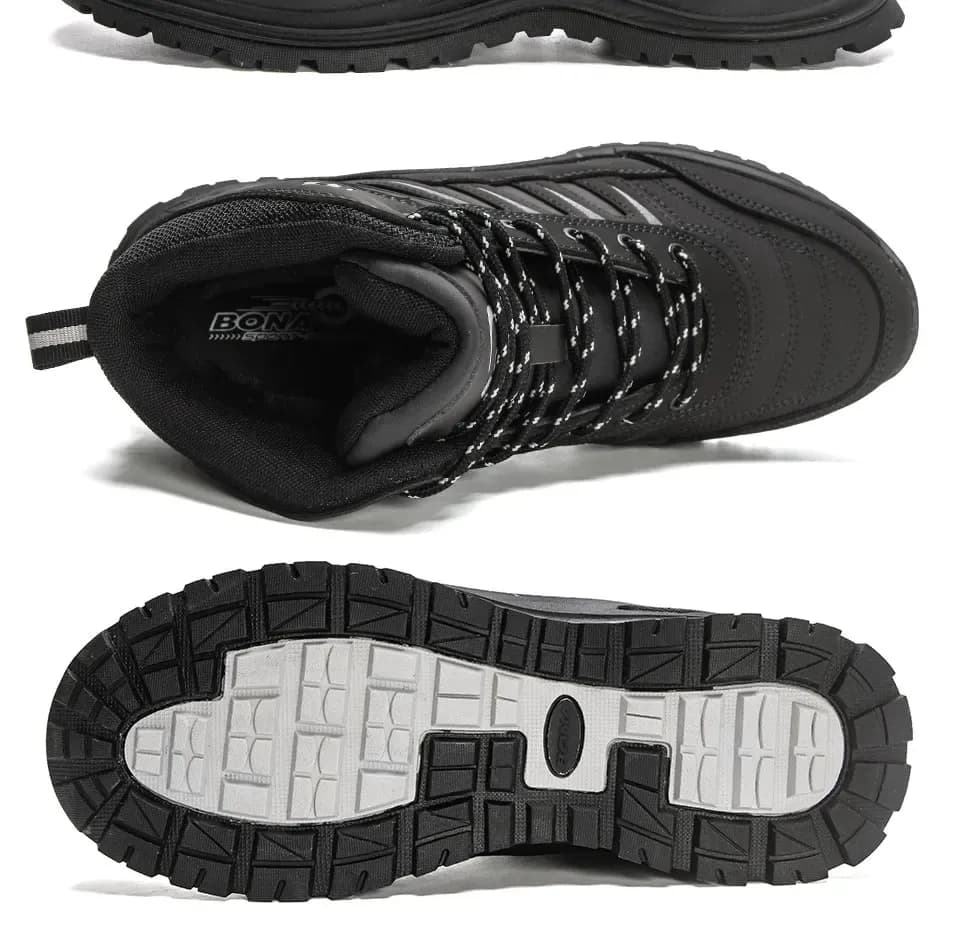
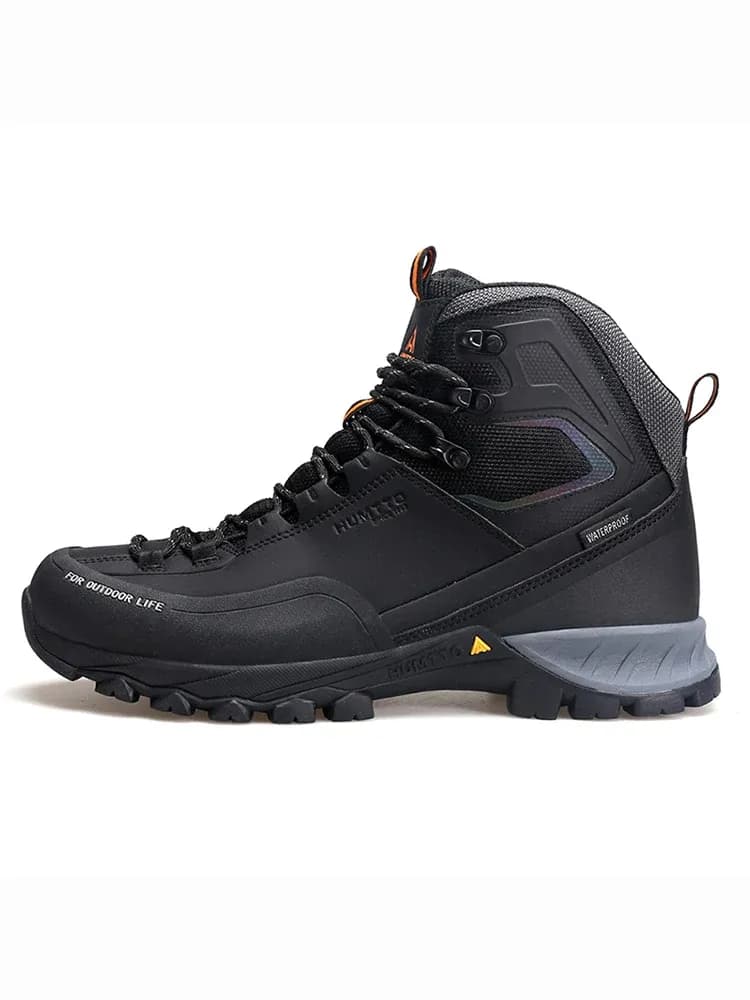
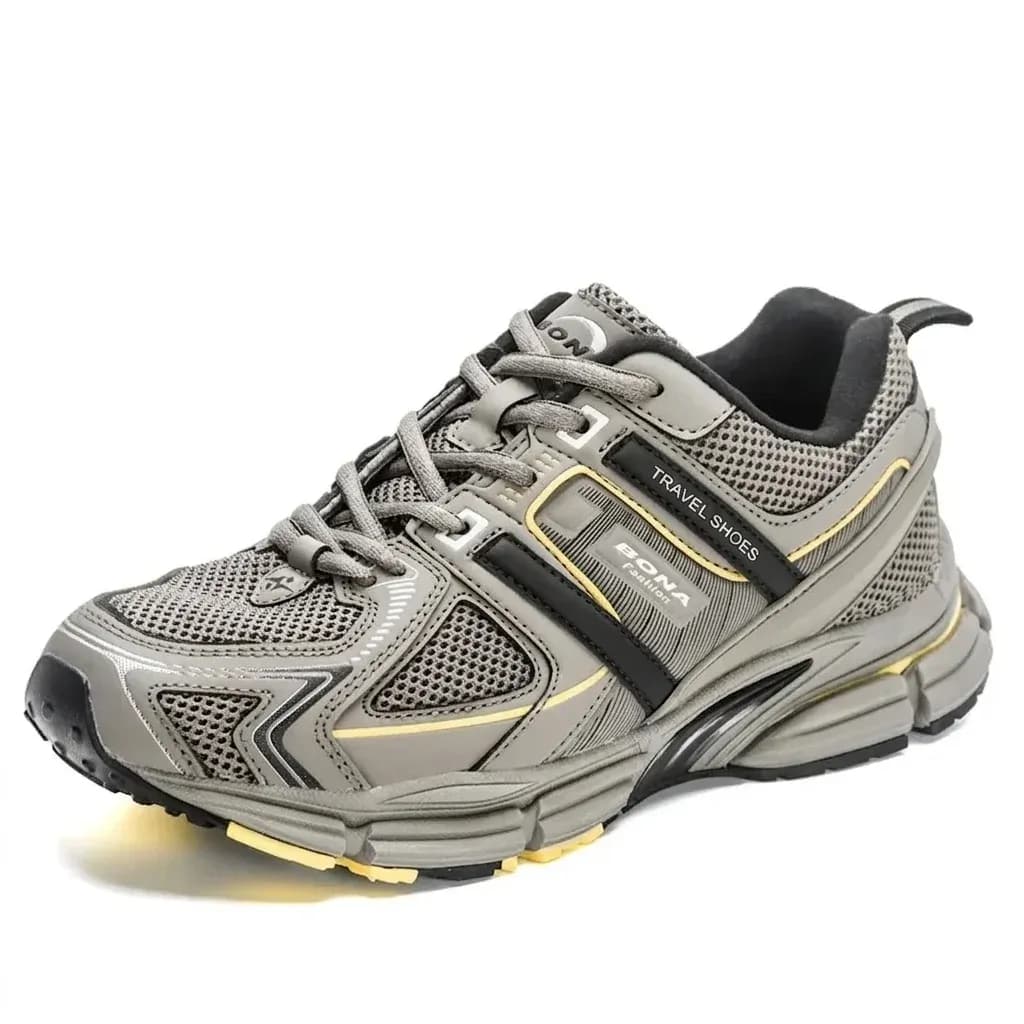
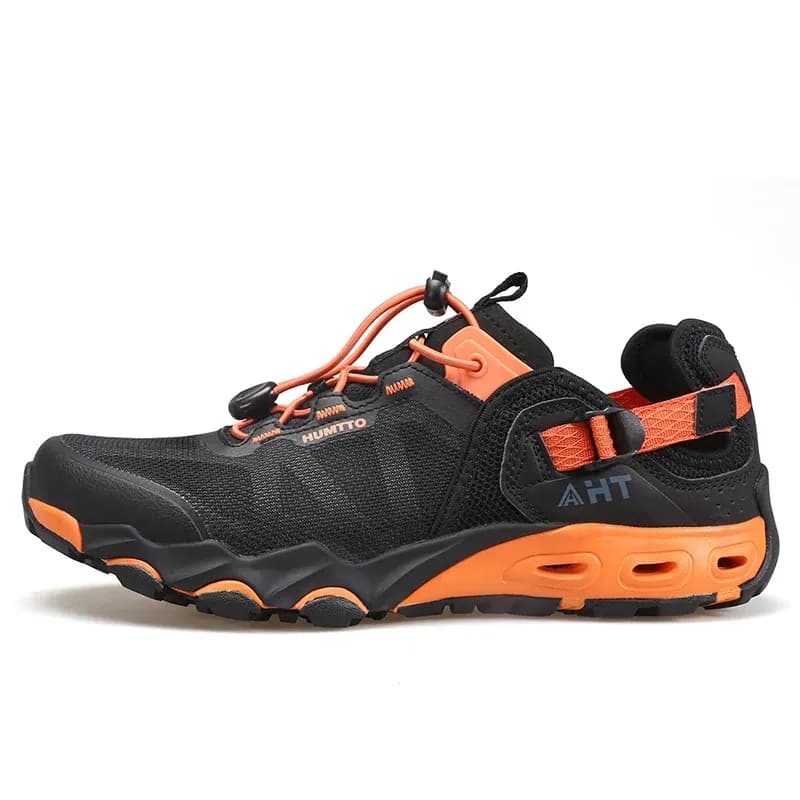
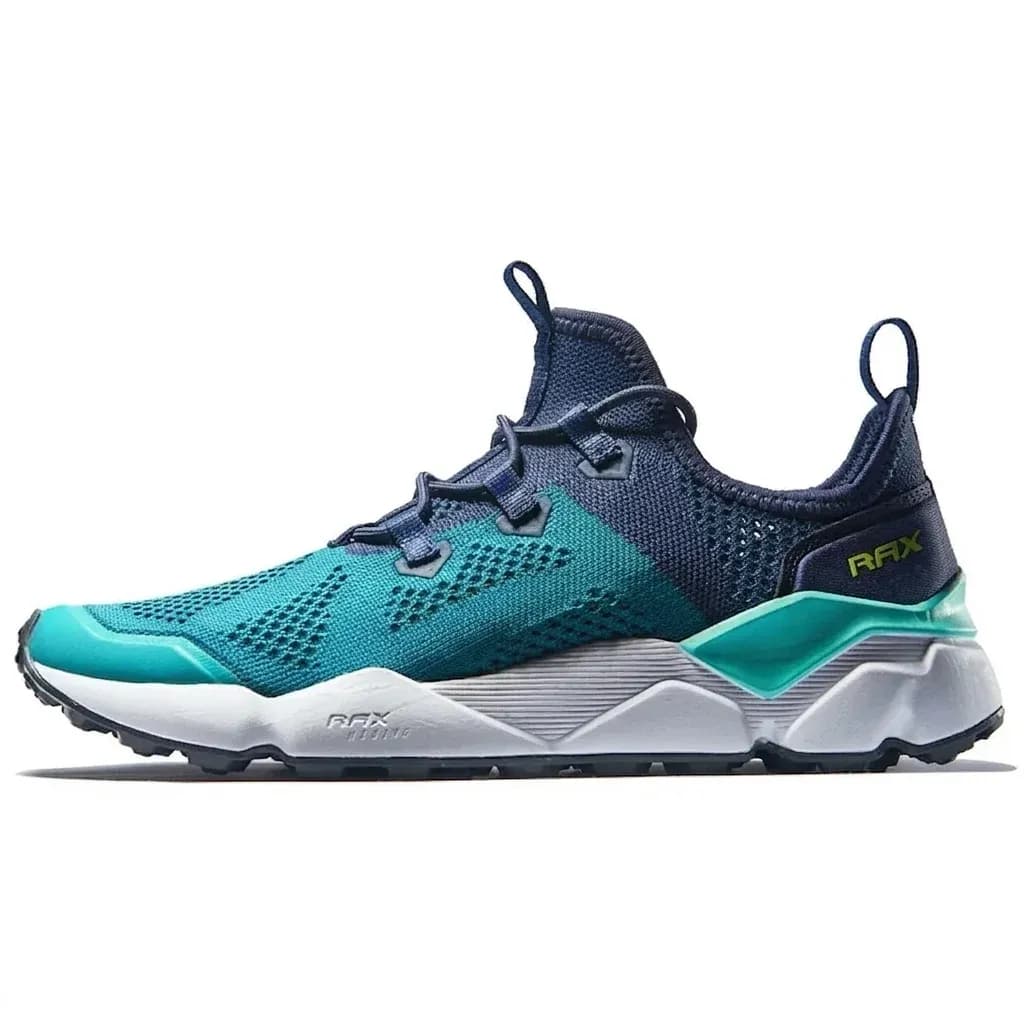
This pair follows that pattern with a leather upper, plush lining, and a rubber outsole that gives the boot a more grounded feel than soft casual winter shoes. It is the kind of design that makes sense for commuting, weekend walks, and light trail use, so what does that mean once you actually wear it?
Plush lining and leather upper: warmth without bulk
The main appeal is the combination of microfiber and leather on the outside with plush lining inside, which creates a boot that should feel warm as soon as you step into it. Users describe the fit as comfortable and genuinely warm, and several mention that they could wear a thicker sock without losing the shape of the boot.
That matters because many winter boots trap heat but feel heavy or clumsy, while this one aims for a lighter step and a more flexible ankle profile. If you want a boot that feels closer to a hiking shoe than a bulky snow boot, this construction is the key detail to watch.
Rubber outsole and ankle height: made for steady winter walking

The rubber outsole is one of the more useful parts of the spec sheet because it usually translates into better grip on wet pavements, hard-packed paths, and slushy city streets. The above-ankle cut adds a bit of support and helps block out cold air around the collar without climbing so high that the boot feels restrictive.
This is not a waterproof design, so it is better for cold, dry, or lightly damp conditions than for deep puddles or heavy snowmelt. If your winter routine includes train platforms, parking lots, and short outdoor stretches, this balance is more practical than a fully sealed mountaineering boot, isn’t it?
Fit and sizing: why the size chart deserves attention
The fit is reported as true to size by many customers, but the brand’s own size table is detailed enough that measuring heel-to-toe length still makes sense before choosing. Real feedback also suggests that some users prefer one size up when they want room for a thick winter sock, which is a useful clue rather than a warning sign.
That extra precision is valuable because winter footwear should not squeeze the forefoot when temperatures drop and socks get thicker. If you are between sizes, the chart and the user feedback together point to a more considered choice than guessing from your usual trainers size.

What the review pattern says about daily use
Real customer feedback is strongly positive, with repeated comments about warmth, comfort, and reliable sizing, and the average rating sits at a very high level. A few users note small cosmetic issues such as minor glue marks or a stronger adhesive smell, which is worth knowing if you are sensitive to finishing details.
Even so, the overall pattern suggests a boot that performs best when comfort and insulation matter more than premium finishing or full weatherproofing. That makes it especially relevant for buyers comparing it with lighter winter sneakers or heavier snow boots, so where does it sit on that spectrum?
Best use cases
- Cold-weather commuting on pavements and hard surfaces
- Weekend walks in dry or lightly damp winter conditions
- Light hiking where warmth matters more than waterproof protection
- Everyday wear with jeans, cargo trousers, or outdoor layers