







Why CaDA’s micro-architecture sets stand out
CaDA has built a strong reputation in the AliExpress building-block scene for sets that feel thoughtfully engineered rather than purely decorative. The brand usually focuses on cleaner part fit, more coherent street scenes, and a finished look that reads well on a shelf, which matters when the model is meant to resemble real architecture.
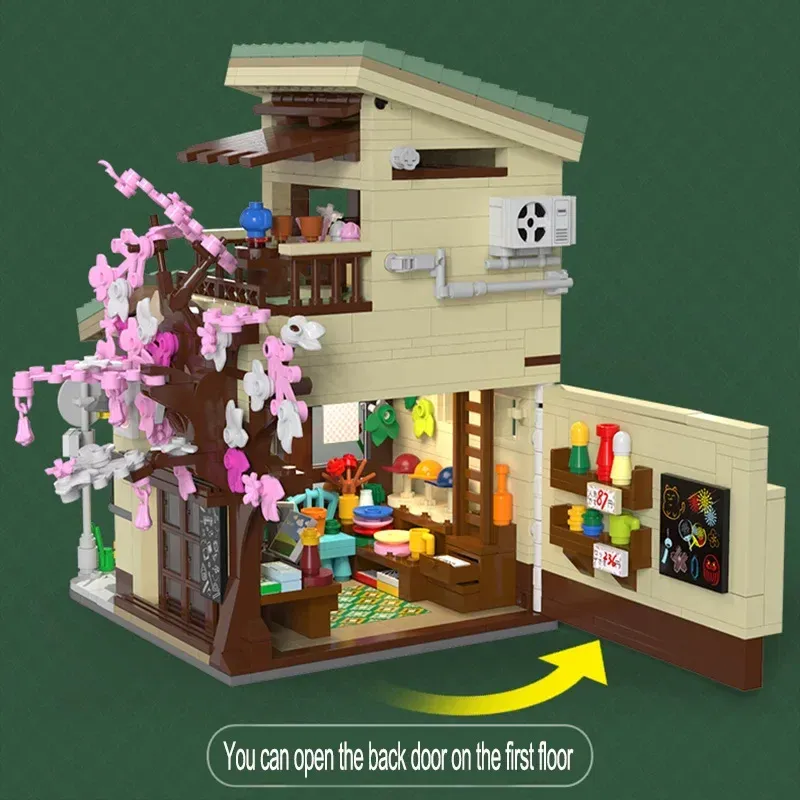
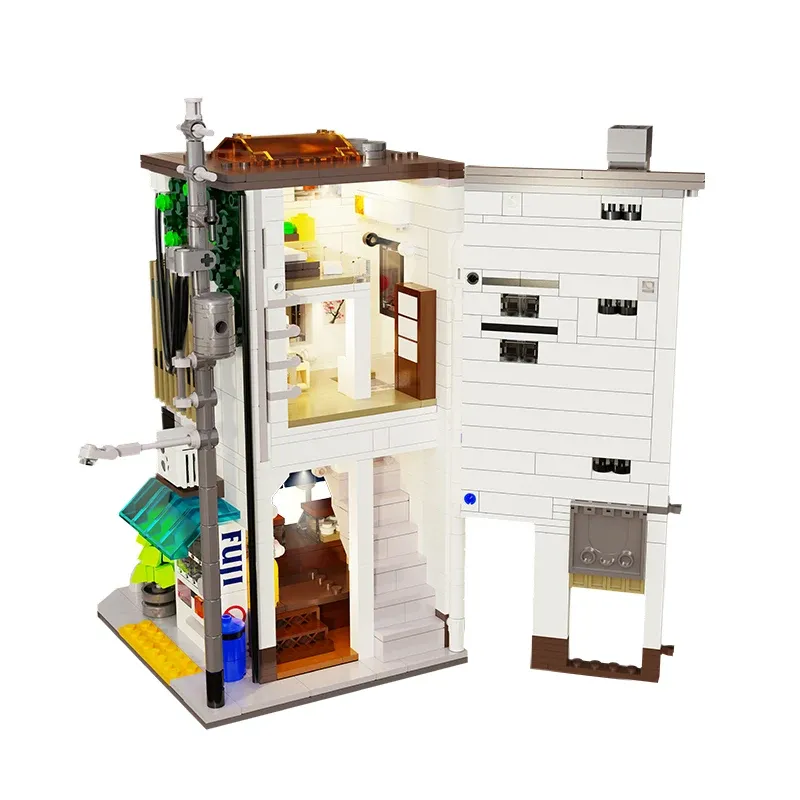
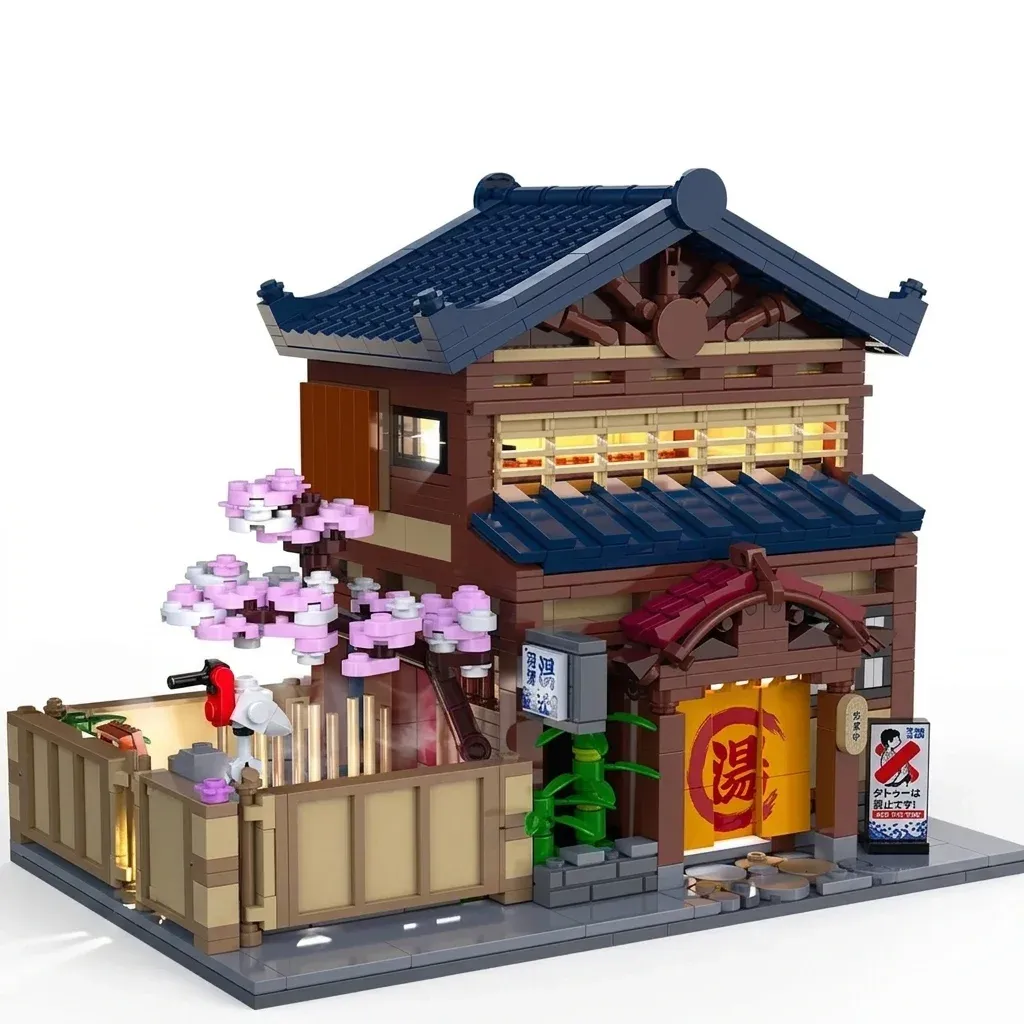
This 921-piece build follows that approach with a Japanese-style grocery store and duplex layout that looks compact but visually busy in the right way. It is the kind of set that rewards closer viewing, so what does that mean once the bricks start coming together?
921 pieces: enough detail without turning into a marathon
With 921 pieces, the build sits in the sweet spot for adult display models and older teens who want a project with structure but not a multi-day engineering challenge. The count is high enough to create depth in the facade, signage, windows, and roofline, yet still manageable for an evening build session or a weekend reset.
Compared with smaller micro-street sets, this one should feel more layered and less repetitive, especially because the duplex format gives the exterior more vertical interest. If you enjoy sets that look richer than their footprint suggests, the piece count is doing useful work here.
Japanese storefront styling in a compact city footprint

The main appeal is the atmosphere: a narrow grocery shop front with a Japanese urban feel, paired with a double-decker structure that gives the model a believable city-block presence. That kind of design usually works best in modular displays, where the viewer can appreciate the awning, signage, and tight architectural proportions from a short distance.
For collectors of street-scene bricks, this is more distinctive than a generic corner shop because the Japanese styling gives it a clear identity. It should pair naturally with other CaDA micro-builds, and that makes the set useful if you are planning a small city shelf rather than a lone display piece.
What the plastic build means in daily use
The model uses plastic bricks, which is standard for this category, but the real benefit is practical: the finished build should be light, stable, and easy to reposition without stressing the structure. That matters for display owners who like to rotate sets between shelves, desks, and cabinet lighting.
Because there is no electronics or battery system, the build stays clean and low-maintenance, with no cable routing or power management to interrupt the architecture. It is a straightforward display model, which may sound simple, yet that simplicity often makes the final presentation sharper.
Who will enjoy it most
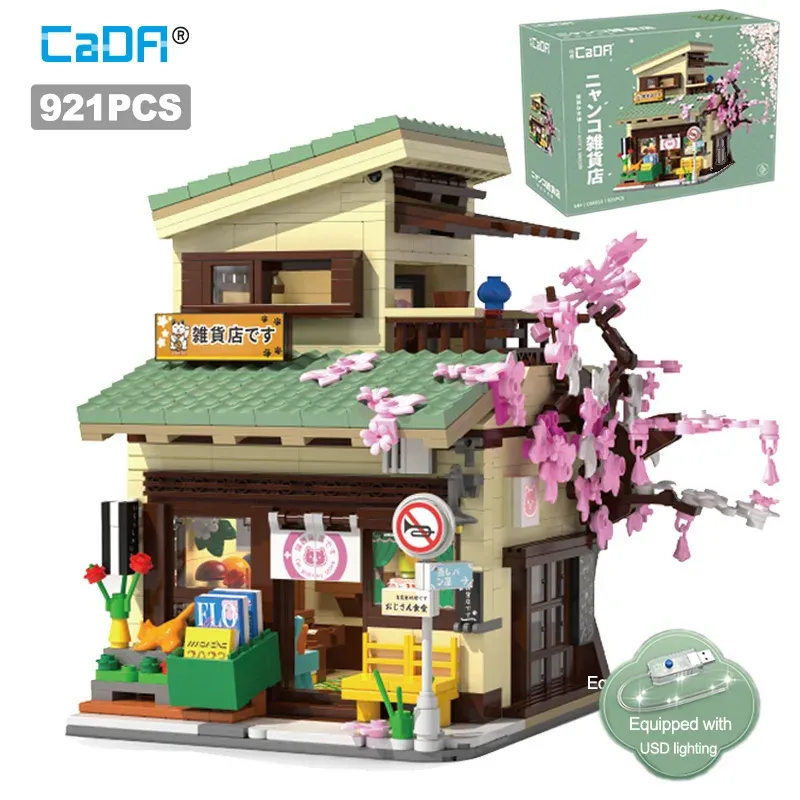
This set is best suited to adult collectors, older teens, and anyone who prefers urban micro-architecture over vehicles or mechanical builds. Users who enjoy calm, detail-focused construction tend to get the most from sets like this, especially when the finished model is meant to be part of a larger shelf story.
It also fits gifting occasions well because the theme is specific without being niche to the point of being hard to place. If the recipient likes Japanese street culture, storefront dioramas, or compact display bricks, the model has a strong chance of landing well, and the next question is how it compares on value.
Display value at £33.19
At £33.19, the set sits in a sensible range for a licensed-style micro-architecture display where the main value comes from visual density and brand confidence rather than electronics or moving functions. For that kind of buyer, the appeal is not gimmicks; it is the finished silhouette and the satisfaction of building a scene that feels designed, not random.
According to customers on similar CaDA sets, the brand’s strength is often in the final look rather than flashy features, and that is exactly the lane this model occupies. If you want a compact Japanese storefront that can hold its own beside other city builds, this one makes a convincing case.