







Why this dash cam matters on crowded roads
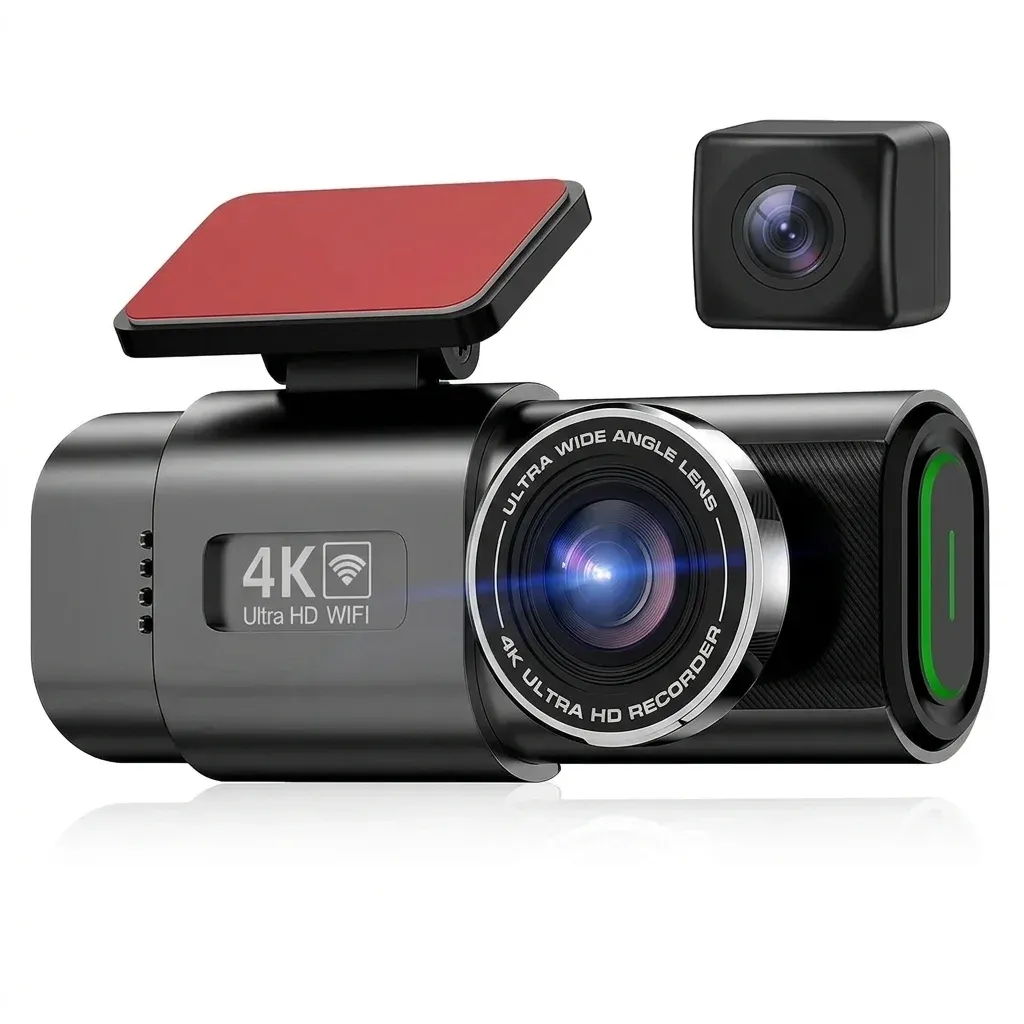
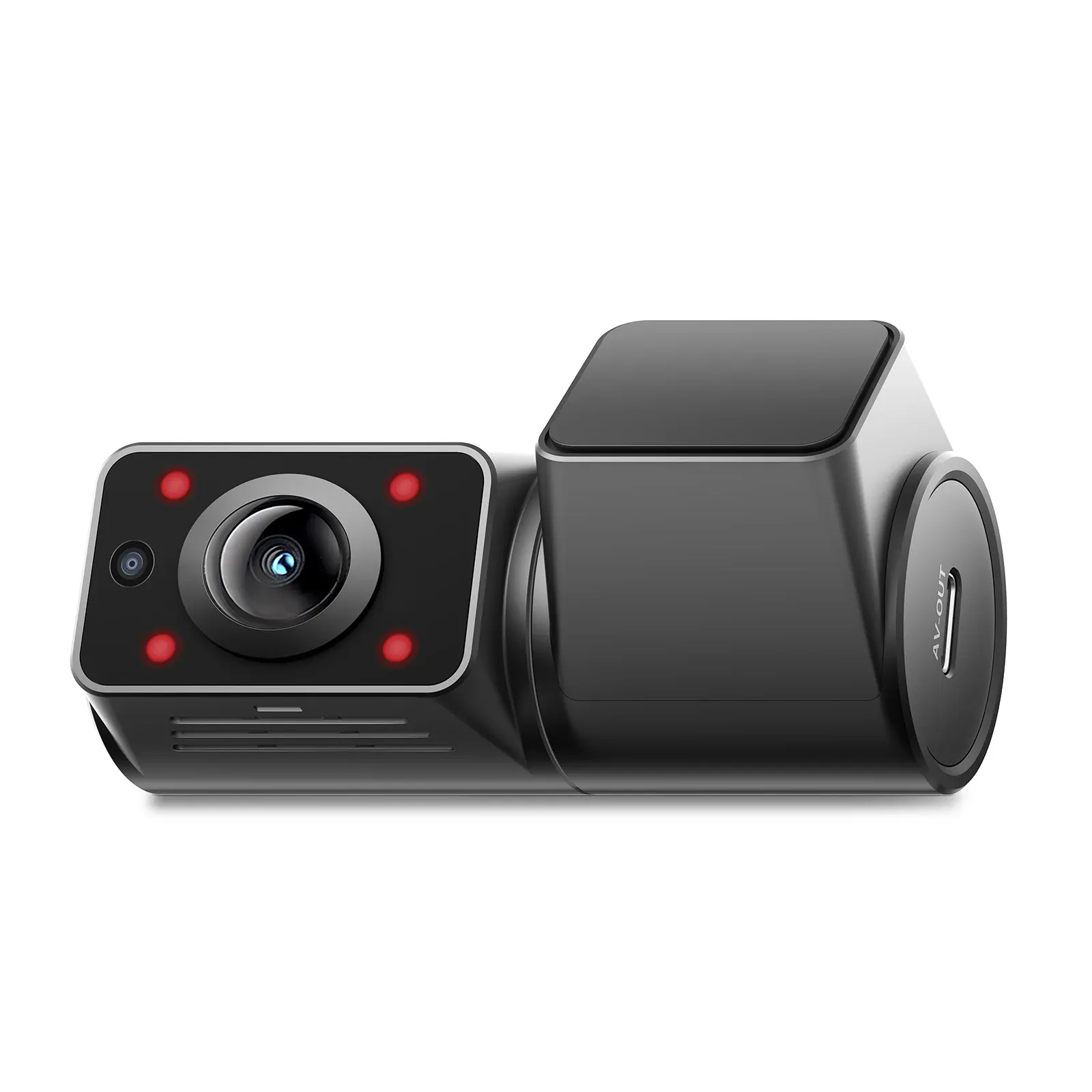
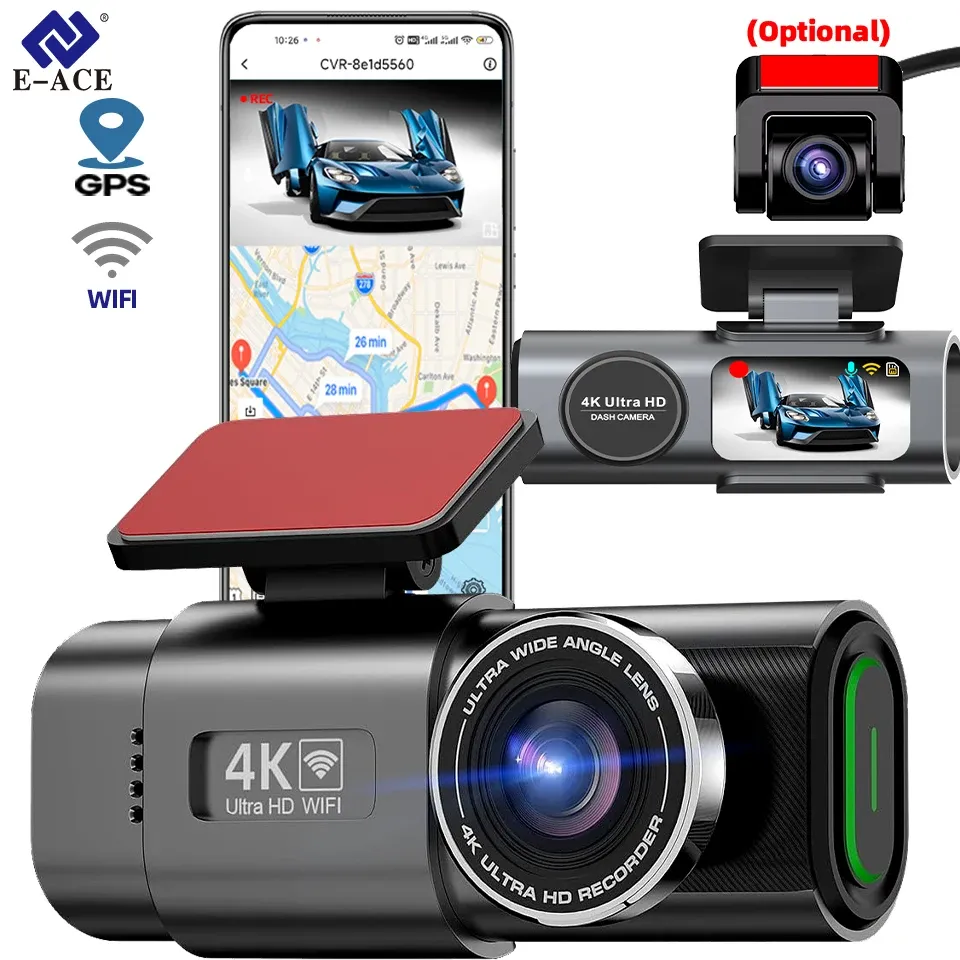
A dash cam only proves its worth when a clip is clear enough to read plates and reconstruct a moment without guesswork. The E-ACE B53P aims at that exact job with 4K front recording, a rear camera, and a hidden-style body that sits neatly behind the mirror line.
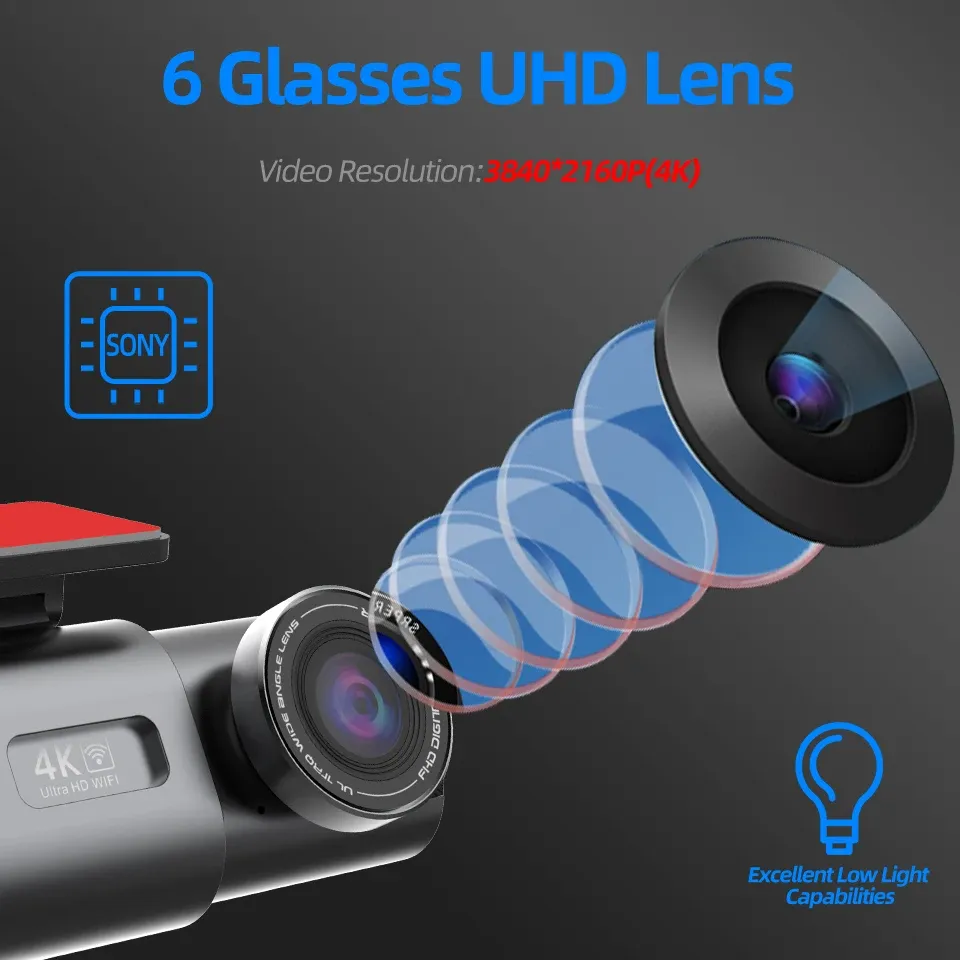
At this level, the appeal is not just resolution but how much evidence the camera can preserve in a small package. That becomes more interesting once you look at the Sony IMX415 sensor and Novatek chipset working together, so what does that mean in daily use?
4K front footage and 1080p rear coverage
The front unit records at 3840x2160, while the rear lens captures 1920x1080, giving you a strong split between detail and coverage. In practical terms, the front feed is the one that matters for number plates and lane disputes, while the rear view helps document tailgating or low-speed bumps.
The 170-degree front angle is wide enough to cover multiple lanes without turning the image into a fisheye-style distortion festival. The rear lens is narrower at 140 degrees, which is sensible for a backup view because it keeps the image more focused and easier to read, but how well does it handle night driving?
NightShot, WDR, and what users noticed after dark
NightShot support, WDR, and 3D DNR are the features that decide whether a budget dash cam feels useful after sunset. Customer feedback points to strong night visibility for the money, with several users saying plate details remain readable in low light, which is a serious advantage for roadside evidence.
That said, the lens can still struggle on unlit roads or when fast-moving cars pass through glare and shadow. If you mainly drive lit urban routes or motorways, the camera should feel capable; if your commute is rural and very dark, the rear feed may need more forgiving expectations.
Wi‑Fi app control without pulling the card out
Built-in Wi‑Fi and app support make this model easier to live with than older dash cams that force you to remove the microSD card every time. You can review footage, change settings, and pull clips to your phone, which is especially handy after a parking incident or a traffic stop.
Real user comments suggest the app experience is generally smooth, though some owners prefer the simpler interface over feature-heavy extras. That matters because a dash cam should be quick to access when the moment is fresh, not buried under menus and cables, so how does the parking and loop setup help?
Parking monitor, loop recording, and the hidden-type fit
Loop-cycle recording means the camera keeps working without you managing storage manually, and support for up to 256GB cards gives it enough room for long drives. The parking monitor and G-sensor are the features that turn it from a travel camera into a guard for parked cars, capturing sudden impacts or movement while the vehicle is unattended.
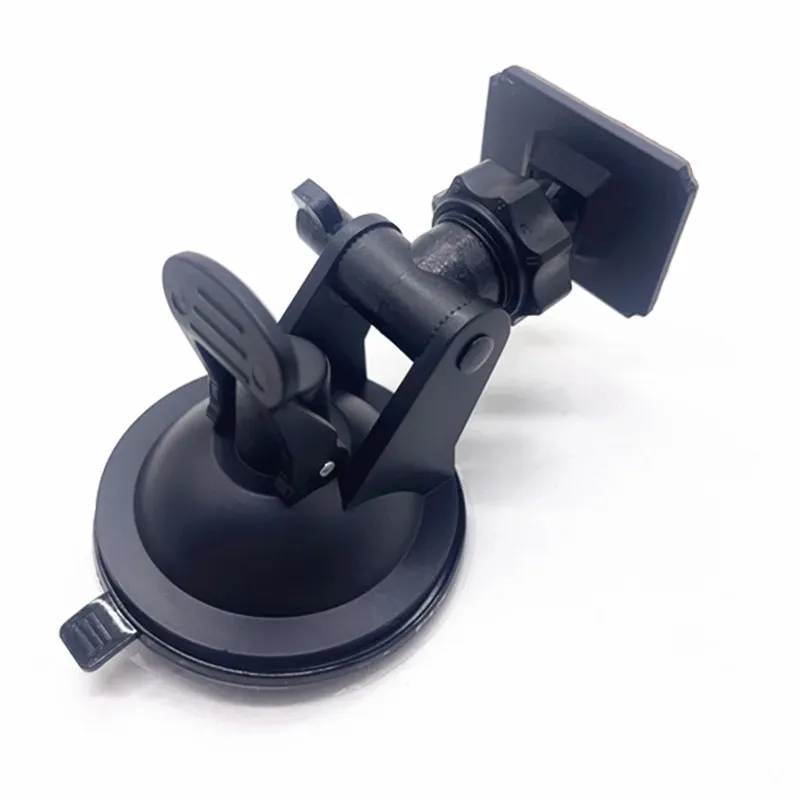
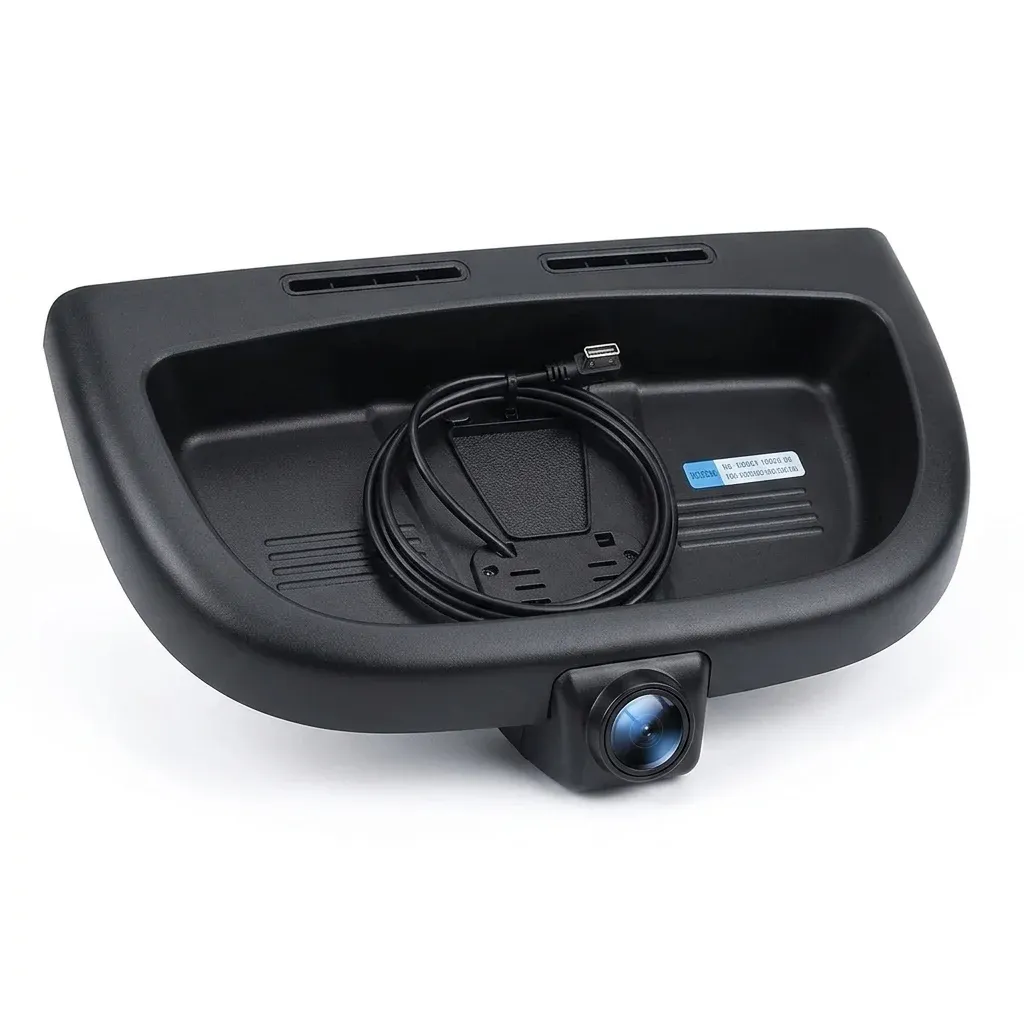
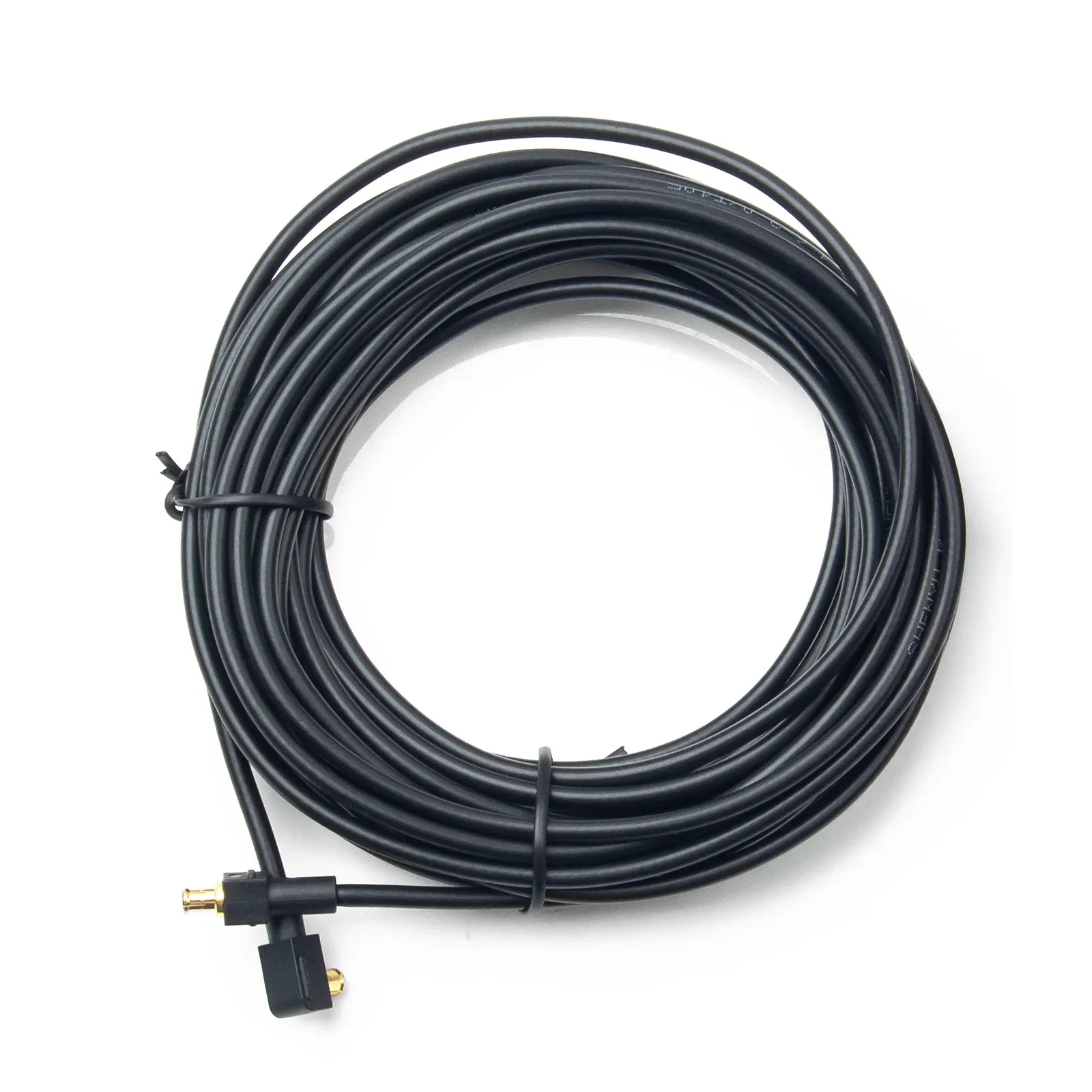
The hidden-type assembly and 6-metre cable are useful if you want a cleaner cabin with fewer dangling wires. One important note from the listing is that the internal battery is small, so the unit needs external power to stay on, which is normal for hard-working dash cams but worth knowing before installation.
Who gets the most from it?
This is a strong fit for drivers who want a dual-lens setup without stepping into premium pricing. According to AliExpress UK buyer feedback, the camera is most convincing when users value clear daytime footage, dependable app access, and a discreet install over luxury extras like touch control or advanced voice features.
The trade-off is straightforward: you get a lot of core dash-cam function for the money, but you should treat the rear camera, app, and parking features as practical tools rather than showroom-grade tech. If that balance sounds right, the next question is whether the hardware details support it in daily use.