








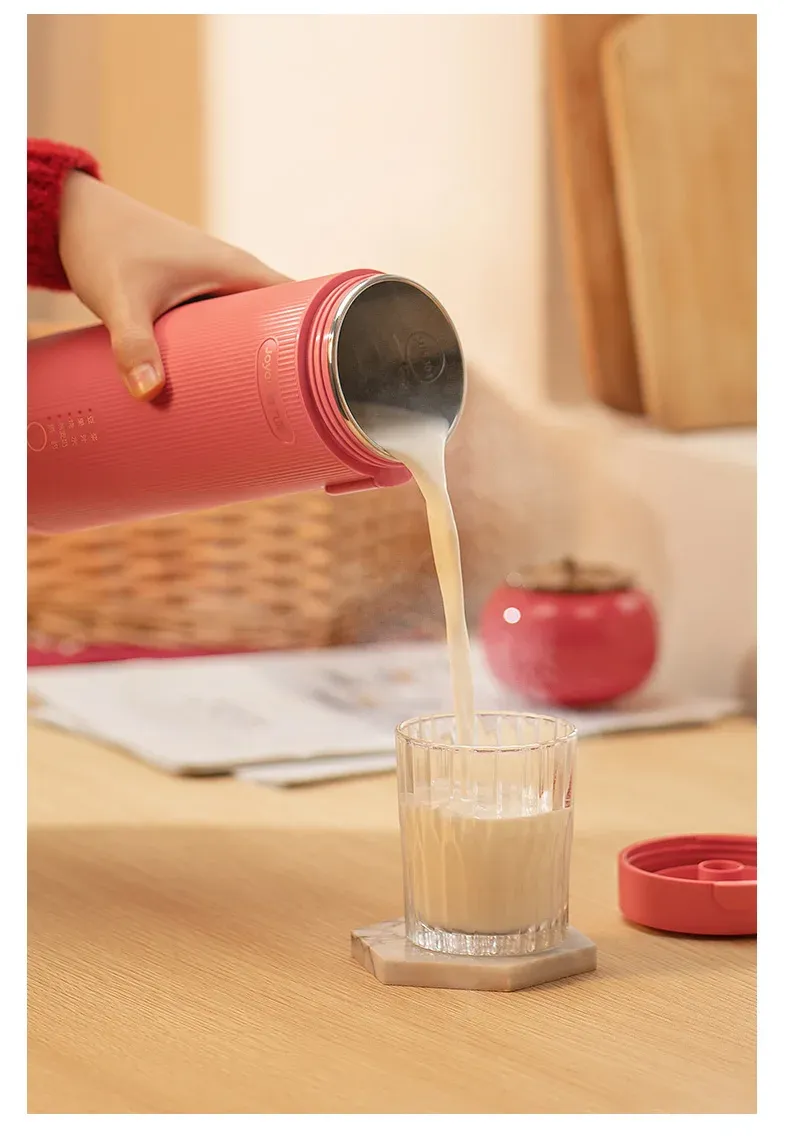
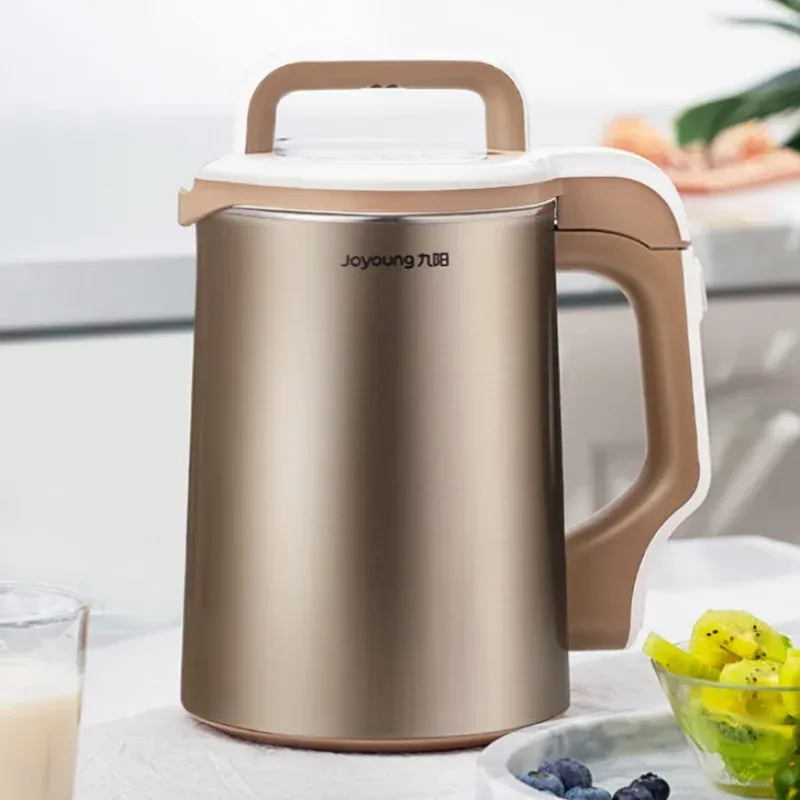

A cleaner way to make soy milk without the mesh filter
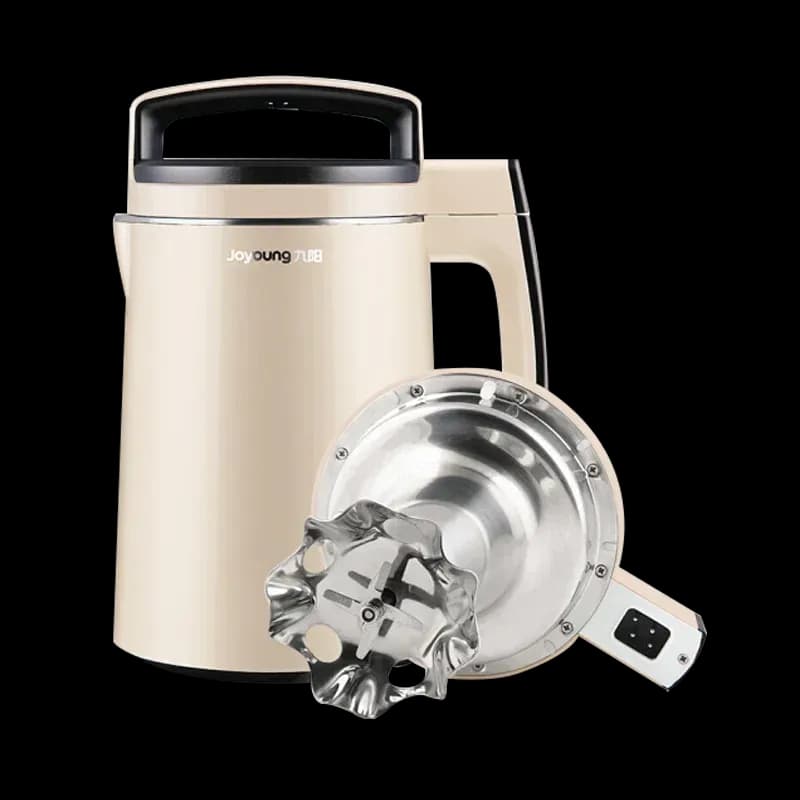
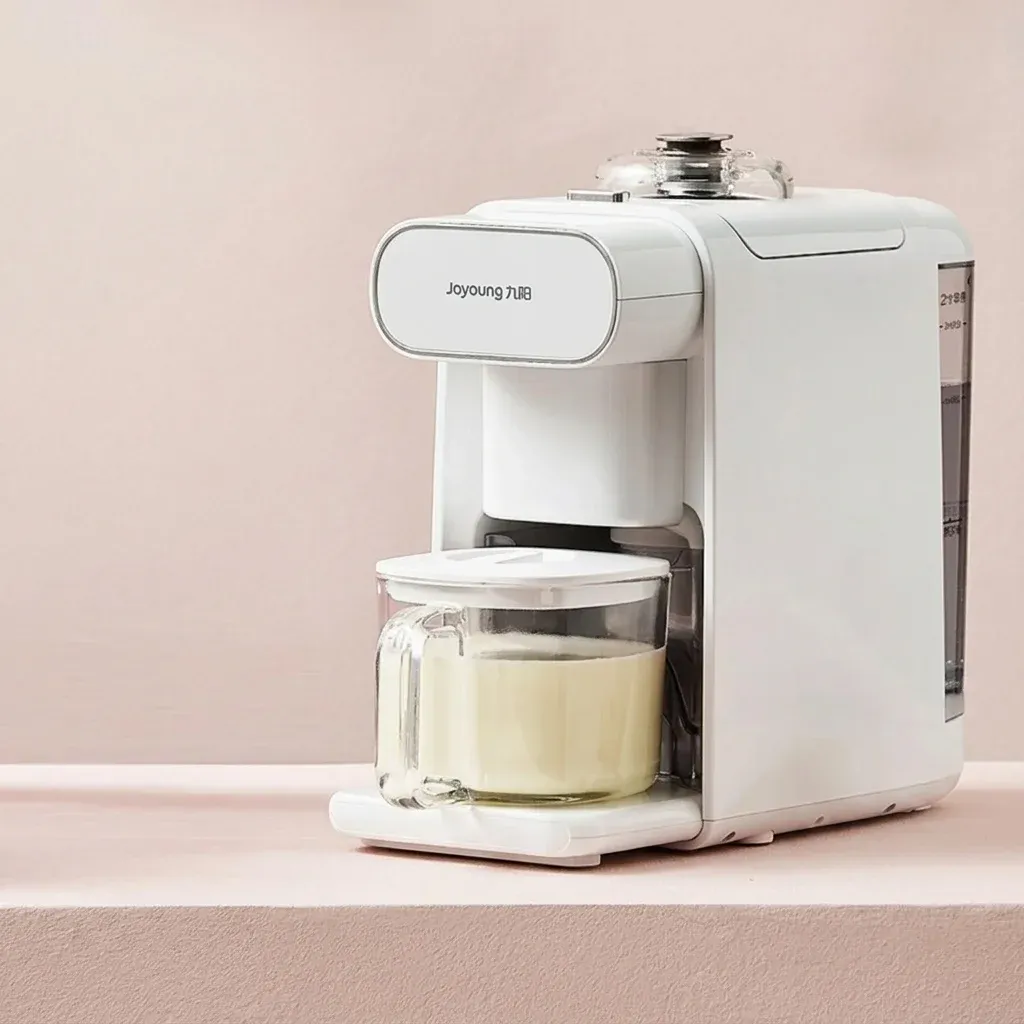
This Joyoung machine solves a familiar kitchen problem: turning beans, grains, and soaked ingredients into a smooth drink without the fuss of straining afterward. The filter-free design is the main appeal, because it reduces one of the messiest steps in home soy milk making.
For households that want a warmer, fresher alternative to packaged plant drinks, the format makes sense straight away. Joyoung has a strong reputation in this category on AliExpress UK, and that matters when you are comparing similar machines with far less proven appliance engineering.
1.3L capacity: enough for morning routines, not bulk batching
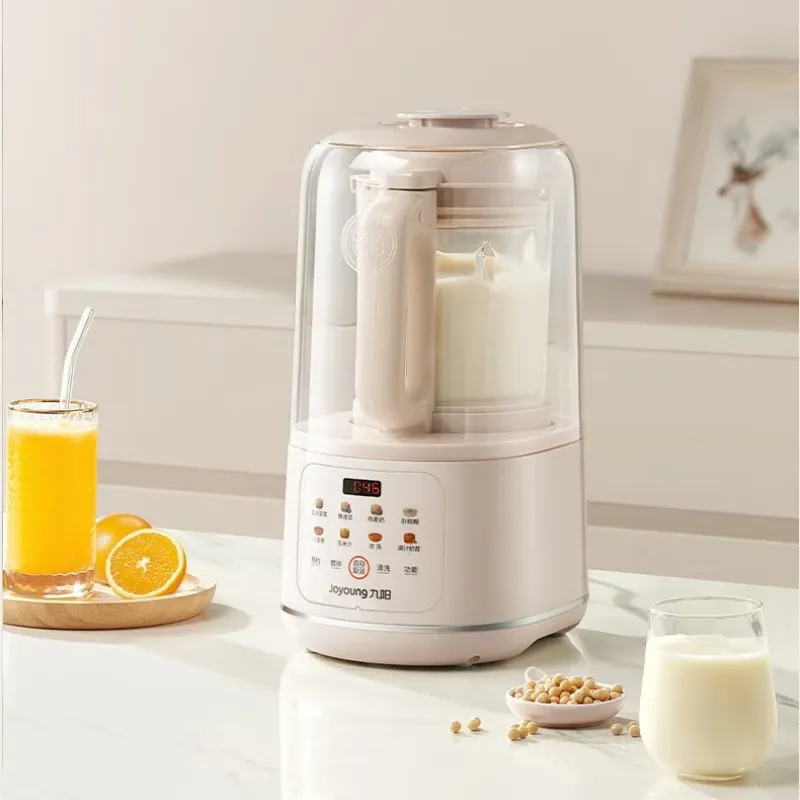
The 1.3L jug sits in the practical middle ground for couples, small families, or anyone who wants a few servings in one run. It is large enough to cover breakfast for more than one person, yet compact enough to avoid dominating the worktop.
That size also helps keep the machine relevant for everyday use rather than occasional batch cooking. If you mainly want fresh soy milk, rice paste, or soup-style blends without making a litre-heavy surplus, this capacity is easier to live with than oversized countertop machines.
Dual reservation: the feature that changes weekday use

The dual reservation function is the detail that gives this model its rhythm. Set it in advance and the machine can line up with your wake-up time or evening prep, which is useful when you want hot soy milk waiting rather than another task on the morning list.
In practice, reservation functions tend to matter more than extra blending modes because they change how often a machine gets used. If you are comparing it with a basic blender, this is the kind of automation that turns a niche appliance into a real routine tool.
Filter-free blending and the texture question
Filter-free machines are often chosen for convenience, but the real test is mouthfeel. Users usually look for a drink that feels less gritty and more uniform, especially when making soy or mixed grain recipes that can expose cheaper blades and weaker heating control.
The benefit here is not just fewer accessories to clean, but a more direct workflow from soaked ingredients to cup. That makes it a stronger fit for people who want homemade drinks without treating the sink as part of the recipe.
What the build suggests about daily ownership

The CE certification and Mainland China origin fit the typical Joyoung appliance profile: focused, functional, and aimed at domestic kitchen use rather than luxury styling. The listed voltage is “other,” so UK buyers should check compatibility carefully before assuming it is plug-and-play.
That small caveat is important because the machine otherwise reads as a well-targeted countertop helper with a sensible feature set. The question is less about whether it can make soy milk and more about whether your kitchen setup matches its power requirements.
Who gets the most value from it?
This model suits users who want fresh plant-based drinks, simple breakfast prep, or a compact appliance that can handle more than one recipe type. It is less convincing for large households that need bigger volumes or for buyers who want a fully universal setup without checking voltage first.
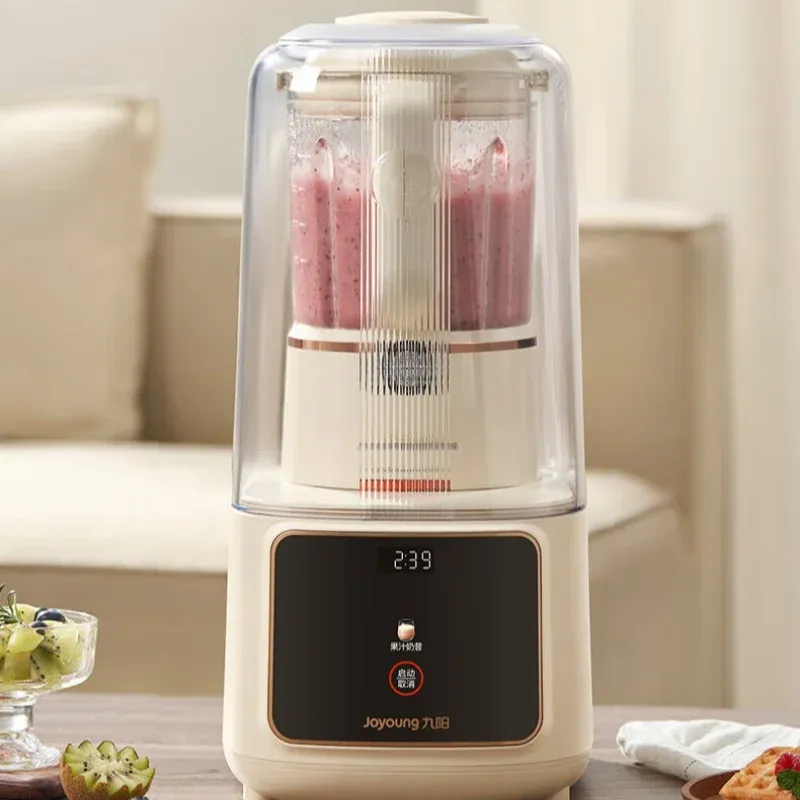
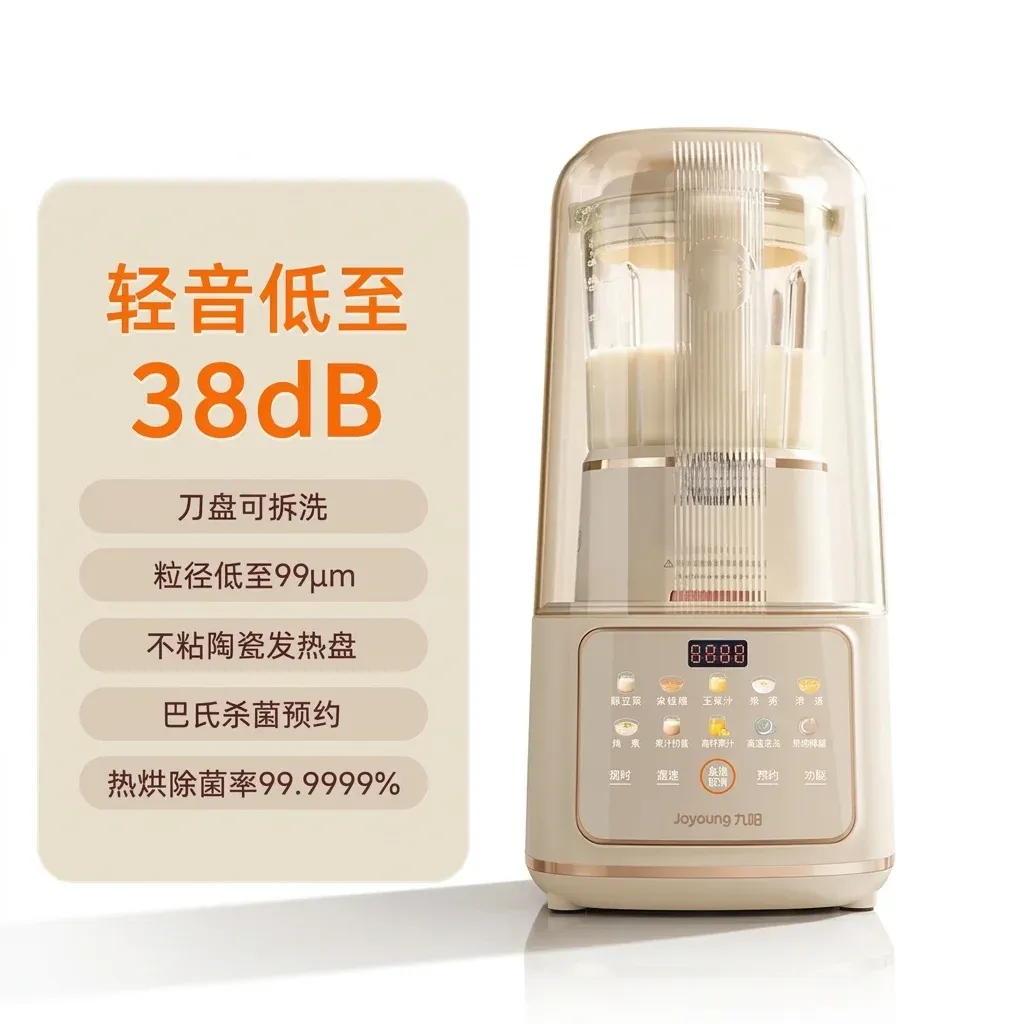
Compared with a standard blender, it offers a more specialised experience with less manual work and fewer finishing steps. Compared with larger wall-breaking soy milk makers, it feels easier to place and easier to justify if your kitchen is short on space, so what matters most is how you plan to use it.