









Joyoung’s practical take on fresh noodles at home
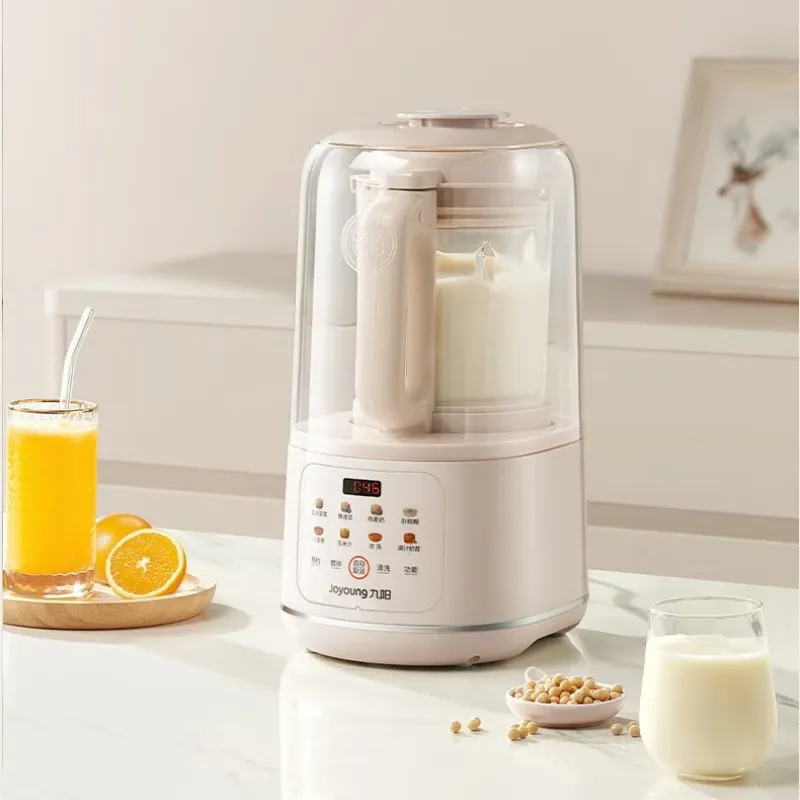
Joyoung has built a solid reputation in the AliExpress kitchen-appliance space by focusing on functional machines that do one job well and feel more refined than the usual budget imports. This model follows that pattern closely, pairing a compact footprint with the kind of build and certification details that matter when a machine is meant to sit on the counter and work often.
It is not a smart appliance, and that is part of the appeal for many users: fewer app layers, fewer distractions, and a more direct cooking workflow. If you want a machine that turns flour and water into usable dough with minimal fuss, the JYN-L6 is designed around that exact task.
What the 220W motor changes in daily use
The 220W power rating tells you this is aimed at controlled dough handling rather than industrial output. In practice, that means steady kneading for home batches, enough force to mix noodle dough or dumpling skin dough without taking over the kitchen with noise or bulk.
Compared with larger stand mixers, a vertical noodle machine usually keeps the dough path more contained, which helps when you are working with sticky mixtures. Users who make fresh noodles or wrappers regularly will likely appreciate the cleaner process, especially in smaller kitchens where splatter and drag matter more than raw speed.
Vertical design and why it matters for countertop space

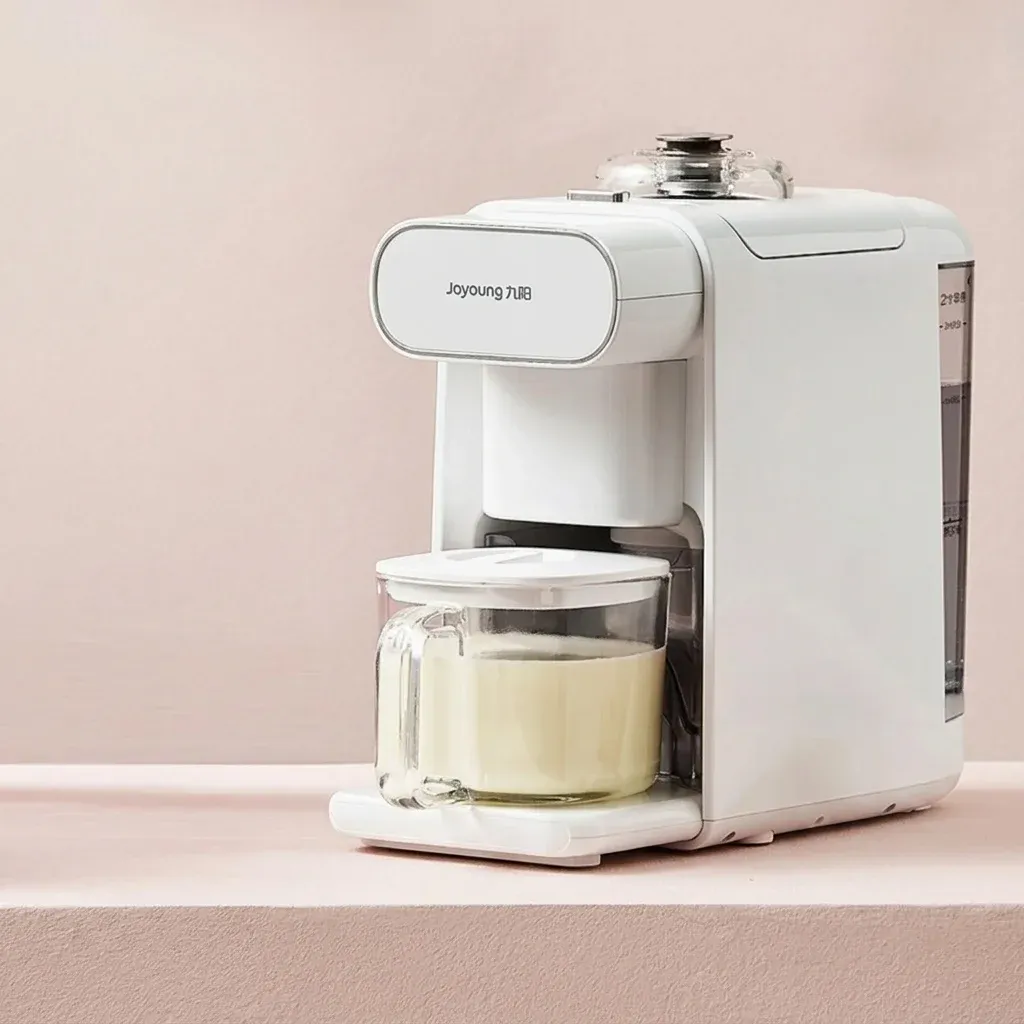
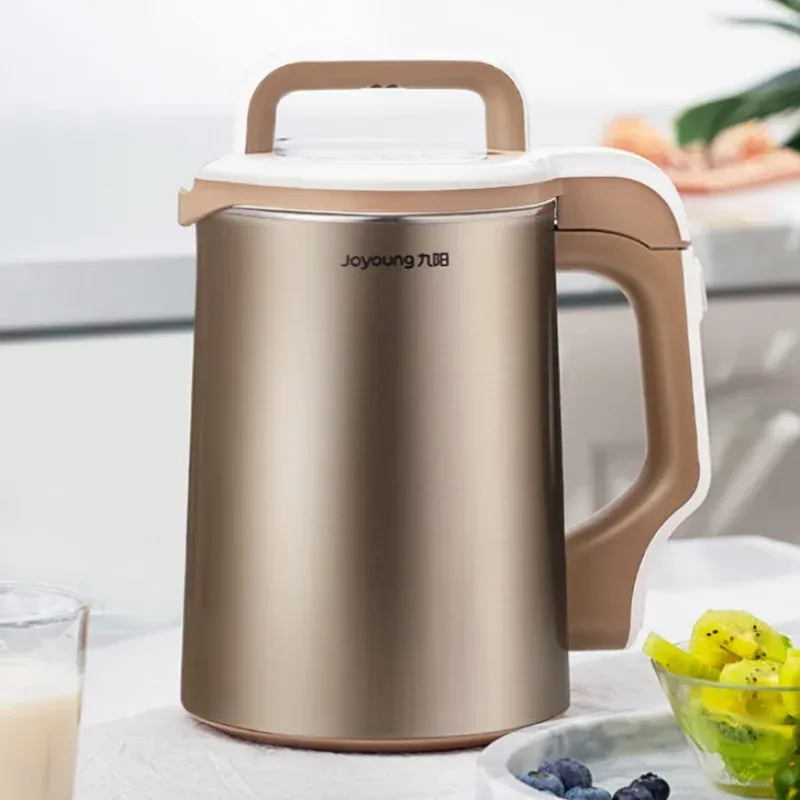
The vertical noodle machine layout is one of the most useful details here because it saves horizontal space while keeping the working chamber accessible. On a crowded counter, that shape makes the machine easier to place near a sink or prep board without dominating the whole area.
The milk white finish also gives it a softer, more domestic look than many stainless-heavy appliances, while the stainless steel screw version should appeal to users who prefer a more durable-feeling contact point. That choice hints at a machine built for repeat use rather than occasional novelty, so what does the dough experience feel like in practice?
From noodle dough to dumpling skins
This machine is not limited to one recipe style, which is where it becomes genuinely useful. According to users, the appeal is the ability to move from noodle dough to dumpling skin dough without switching to a separate processor, making it a better fit for households that cook across different Asian-style dishes.
That flexibility is more valuable than a long feature list because the real time saving comes from reducing manual kneading and keeping the dough texture more consistent. If your kitchen routine includes fresh noodles, wontons, or hand-rolled wrappers, this kind of machine can remove the messiest part of the job.
Build confidence, safety markers, and what is missing

The CE certification and the absence of high-concern chemicals are reassuring details for a countertop appliance that handles food directly. The brand and model information are also clearly defined, which is helpful on AliExpress where product naming can be inconsistent and buyers need a clearer identity trail.
What is missing is just as important: there are no stated speed levels, batch capacity figures, or included accessory details in the supplied listing. That makes it harder to judge whether it suits large family meal prep or smaller weekly use, so checking the seller’s exact package contents before getting it would be wise.
Who will get the most from it?
This machine makes the most sense for home cooks who already enjoy making noodles, dumpling wrappers, or other fresh doughs and want a more repeatable method. It is less convincing for occasional users who only need a tool once in a while, because the value comes from regular use and workflow convenience.
For AliExpress UK shoppers comparing it with generic dough machines, the Joyoung name adds credibility, while the simple non-smart design keeps the learning curve low. If you want a practical kitchen gadget rather than a connected appliance, this one lands in a sensible middle ground.