








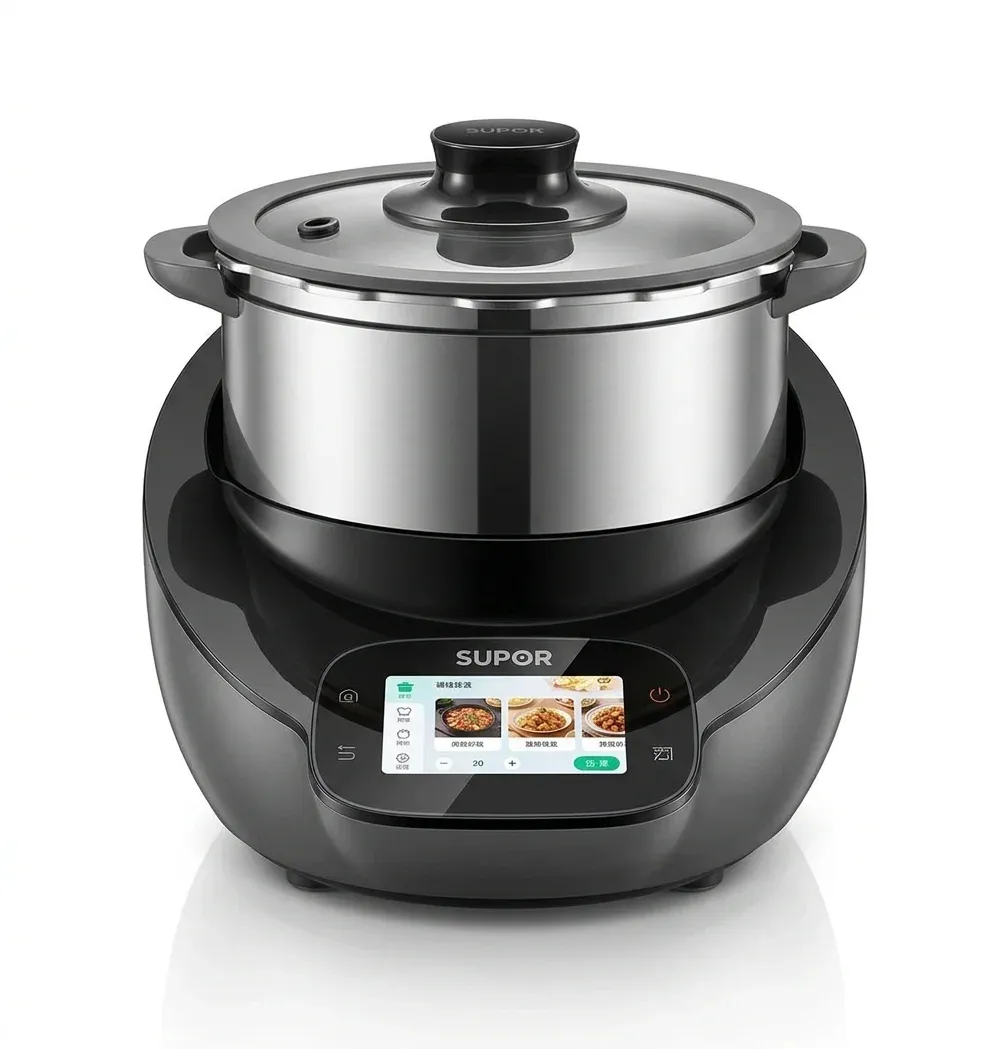
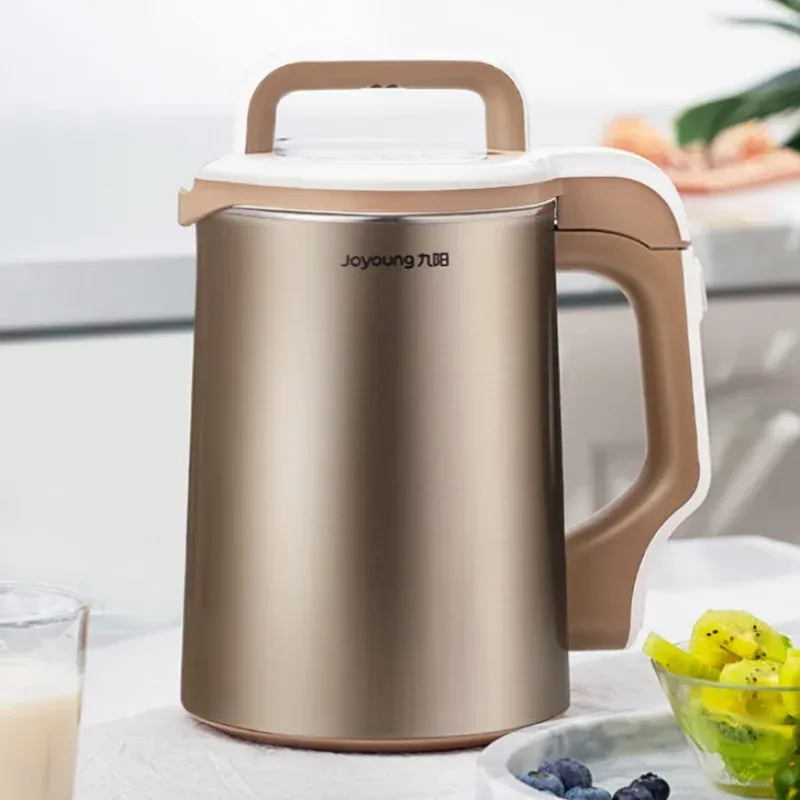

Joyoung’s take on hands-off wok cooking
Joyoung has built a solid reputation in the AliExpress kitchen niche for turning routine cooking tasks into controlled, appliance-led workflows. The brand is especially known for practical automation, and this stir-fry machine follows that logic with a setup aimed at reducing constant pan-tending.
That matters because stir-frying usually asks for speed, attention, and a steady wrist, which not every home cook can manage on a busy evening. This model tries to bridge that gap with a robot-style approach, so the real question becomes how much of the wok experience it can preserve.
What automatic stir-frying changes in daily cooking
The main benefit is consistency: instead of standing over the hob and moving ingredients by hand, the machine handles the stirring rhythm for you. For users cooking sauces, vegetables, noodles, or small meat portions, that can mean fewer hot splashes and a more even coating of seasoning.
It also makes multitasking easier, which is where automated kitchen gadgets usually earn their keep. If you are preparing rice, side dishes, or a second pan at the same time, the machine can free up your attention without turning the meal into a fully manual process, and that is where its appeal starts to show.
Non-stick cooking surface and cleanup reality

The non-stick pan is one of the most practical parts of the design because stir-fry residue can cling fast once sugar, soy sauce, or oil reduces. A smoother surface should help food release more cleanly and keep the final texture glossy rather than torn or stuck.
From a real-world perspective, this also affects cleanup time, which is often the hidden cost of stir-fry cooking. Users who dislike scrubbing burnt aromatics or caramelised sauce around a curved wok base will likely appreciate a surface that keeps the aftermath lighter, so the next meal starts faster.
Where this robot wok fits better than a standard pan
Compared with a conventional frying pan, this appliance is more about workflow than raw cooking freedom. You gain automation and a more guided process, but you lose some of the tactile control that experienced cooks use when chasing wok hei or finishing a dish by feel.
That trade-off makes it more suitable for home kitchens that value convenience, predictable results, and less supervision. It is less of a chef’s performance tool and more of a practical countertop assistant, which is exactly what many buyers in the Joyoung range tend to look for.
Who is most likely to benefit

Busy households, smaller kitchens, and users who cook stir-fry often but not expertly are the clearest audience for this machine. It also makes sense for anyone who wants to reduce splatter and standing time while still getting a freshly cooked meal with visible texture and colour.
Because the product is listed with no high-concern chemicals and comes from Mainland China under the SAINTCIAGA brand label, the listing itself suggests a straightforward material and manufacturing profile rather than a heavily specialised premium build. That makes the value case depend less on luxury and more on whether the automation matches your cooking habits, which is worth checking before you commit.
What to consider before adding it to your kitchen
The biggest limitation is that automated stir-fry machines naturally work best within a certain recipe style, especially dishes that benefit from steady mixing rather than rapid tossing. Delicate searing, ultra-high-heat wok techniques, and highly customised pan control may still be better left to a traditional burner and wok.
Another practical point is footprint, since a robot-style cooker usually asks for more counter space than a standard pan. If you already use compact appliances and value neat storage, measuring your available prep area first will tell you whether this is a smart fit or an awkward one, and that decision matters more than the headline feature.