











Thin NFC labels that turn everyday surfaces into shortcuts
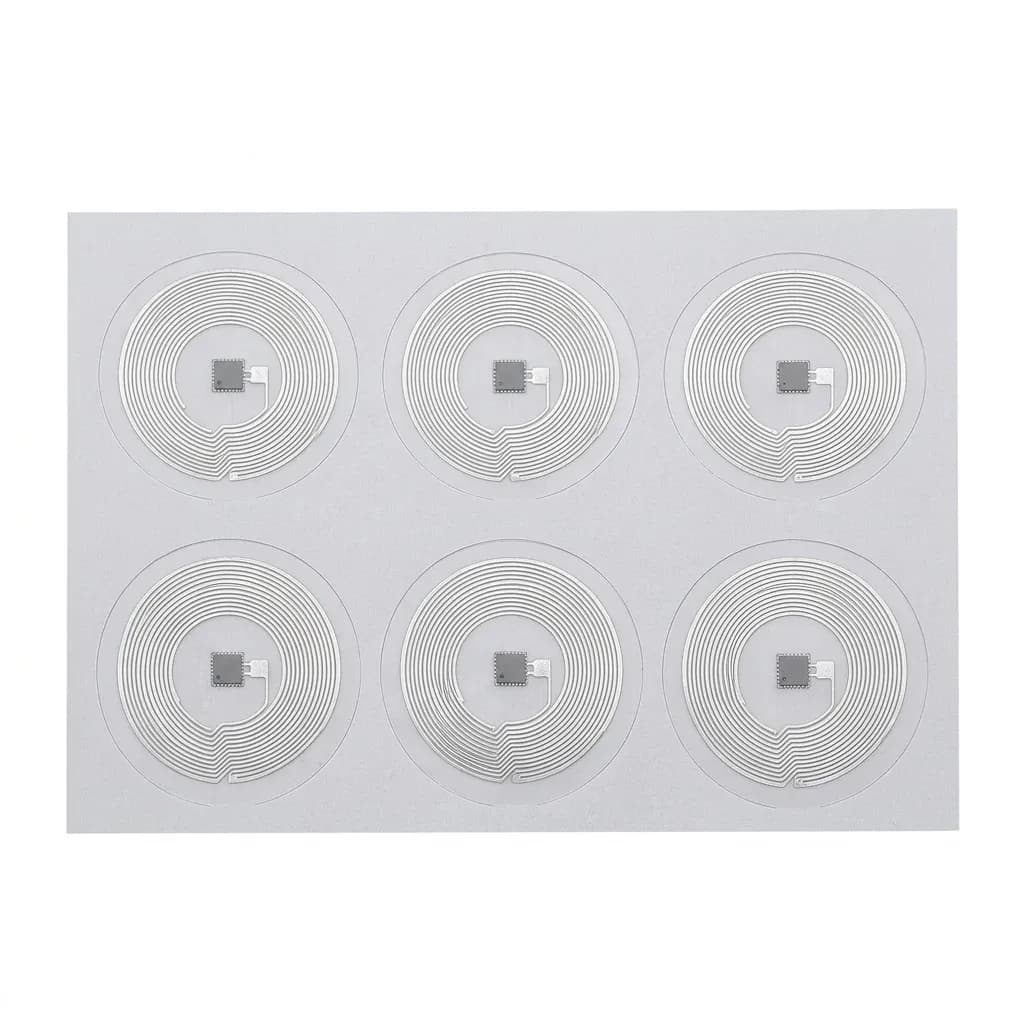
These adhesive NFC stickers solve a simple problem: making routine actions happen with a single tap. Instead of opening menus or hunting through apps, you can place a tag on a desk, charger, car mount, or bedside table and trigger a preset action instantly.
The appeal is in the form factor. At this level, the sticker is meant to disappear into the background while still being readable at 13.56MHz, which makes it far more discreet than a plastic card or keyfob. What matters next is how NTAG213 and NTAG215 behave in real automation use.
NTAG213 versus NTAG215: where the difference matters
The model name suggests support for both 213 and 215 variants, and that matters because storage capacity changes how much data you can write. NTAG213 is enough for short links, Wi-Fi handoff, simple shortcuts, and contact triggers, while NTAG215 gives more room for richer records and app-based workflows.
For most phone automation, the tag is not limited by the sticker shape but by the memory behind it. If you only need one-tap actions such as turning on a focus mode, launching a playlist, or sharing a profile, 213 is usually enough; if you want more flexible encoding, 215 is the safer option. That raises the practical question of compatibility, which is where these tags are strongest.

Built for iPhone shortcuts and Huawei Share-style tasks
These tags suit iOS Shortcut automations and similar Android workflows, so they are useful in homes where phones do more than make calls. A tag near the door can trigger lights, a morning routine, or a navigation preset, and a tag on a workbench can open a timer, checklist, or notes app.
Because the adhesive format is flat and lightweight, it sticks neatly to plastic, glass, wood, and painted surfaces without adding bulk. Users often prefer this style when they want a clean installation that looks intentional rather than improvised, and the next consideration is how durable that installation is over time.
Adhesive labels for permanent placement, not frequent moving
These are best treated as semi-permanent labels rather than reusable accessories. The adhesive backing is designed for a fixed location, so the strongest use case is a spot you will tap often, such as a nightstand, office monitor stand, or entry shelf.
That makes them useful for structured automation setups, but less ideal if you want to reposition tags every few days. In AliExpress UK terms, they fit the low-cost NFC category well: simple, functional, and easy to scale across a home without turning the setup into a project.

What to expect at this entry-level NFC tier
The CE marking and mainland China origin are typical for this category, and the low unit cost suggests a practical rather than premium build. There is no sign of advanced shielding, rugged casing, or specialty weatherproofing, so the best results come indoors or in protected locations.
For users who want a clean way to automate small tasks, that trade-off makes sense. The value here is not in luxury materials but in how quickly a tap can replace a series of phone actions, and that is exactly what these stickers are meant to deliver.
- Use one tag for one task to avoid confusion.
- Place it where your phone naturally comes close.
- Keep the written command short for faster reads.
- Avoid metal surfaces unless you add insulation.