




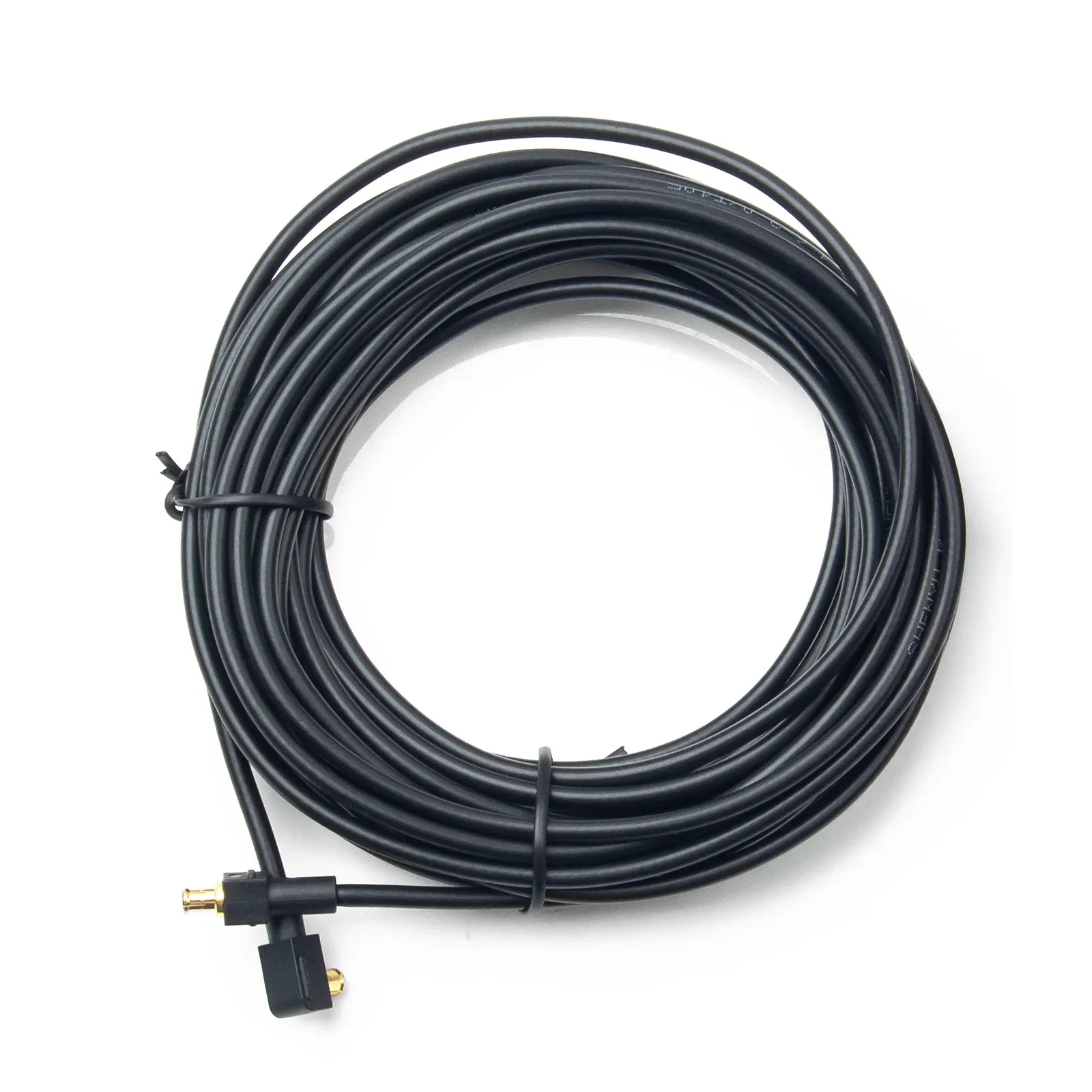
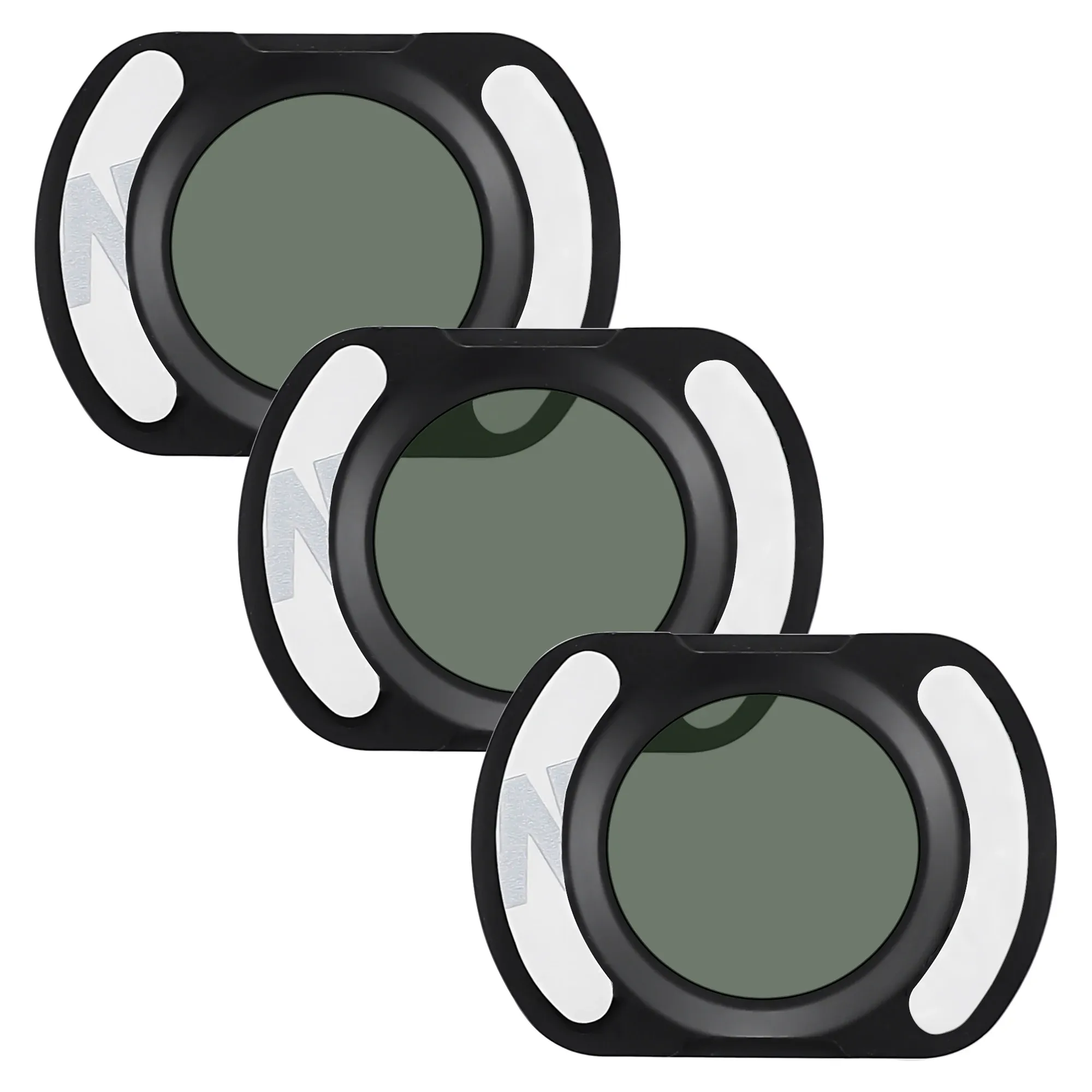

Three angles, one mirror, less blind-spot guesswork
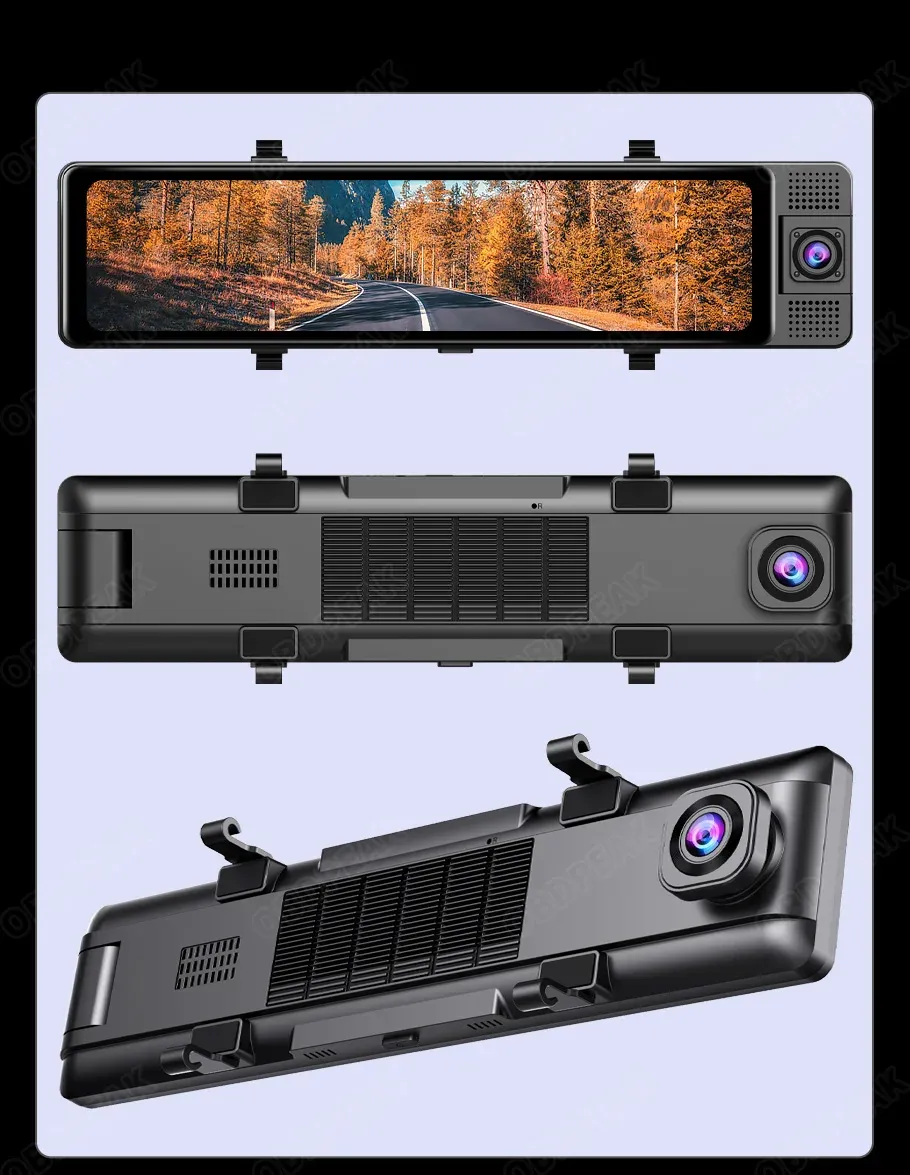
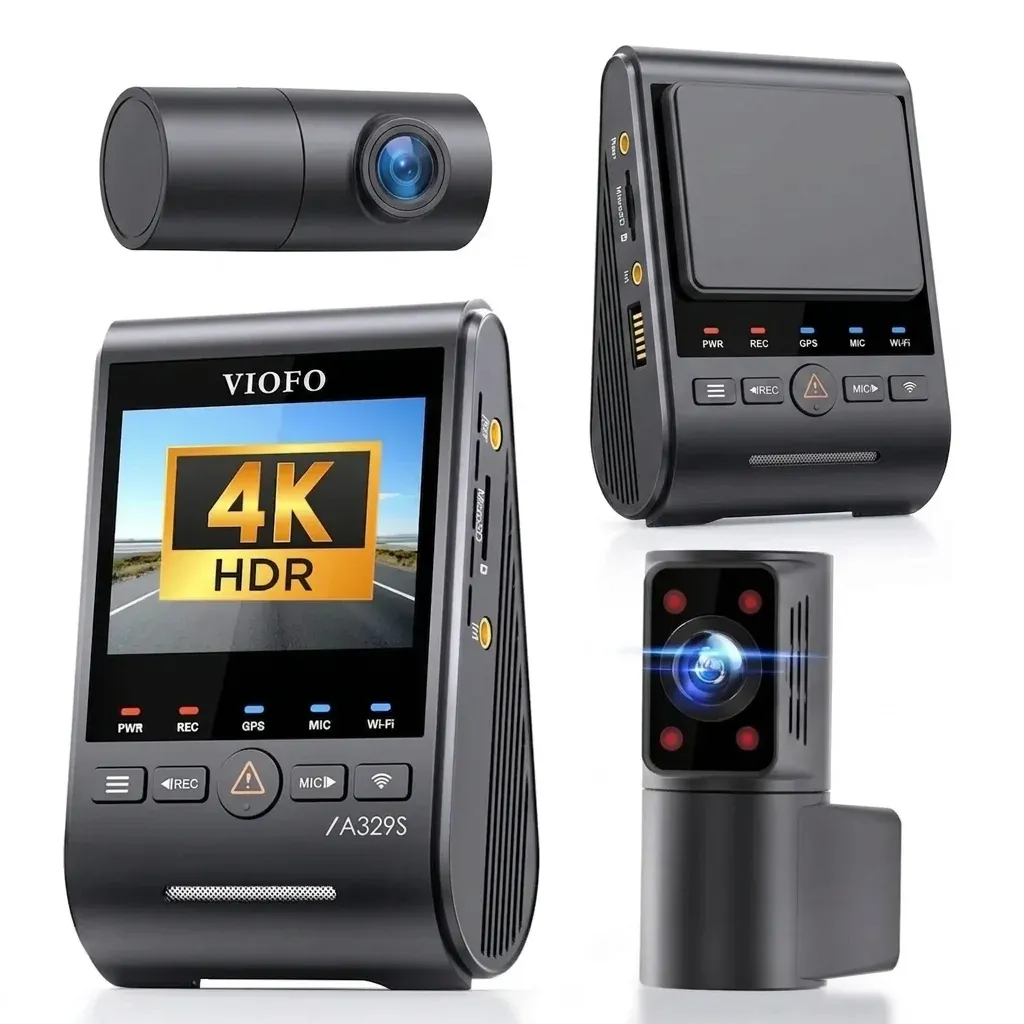
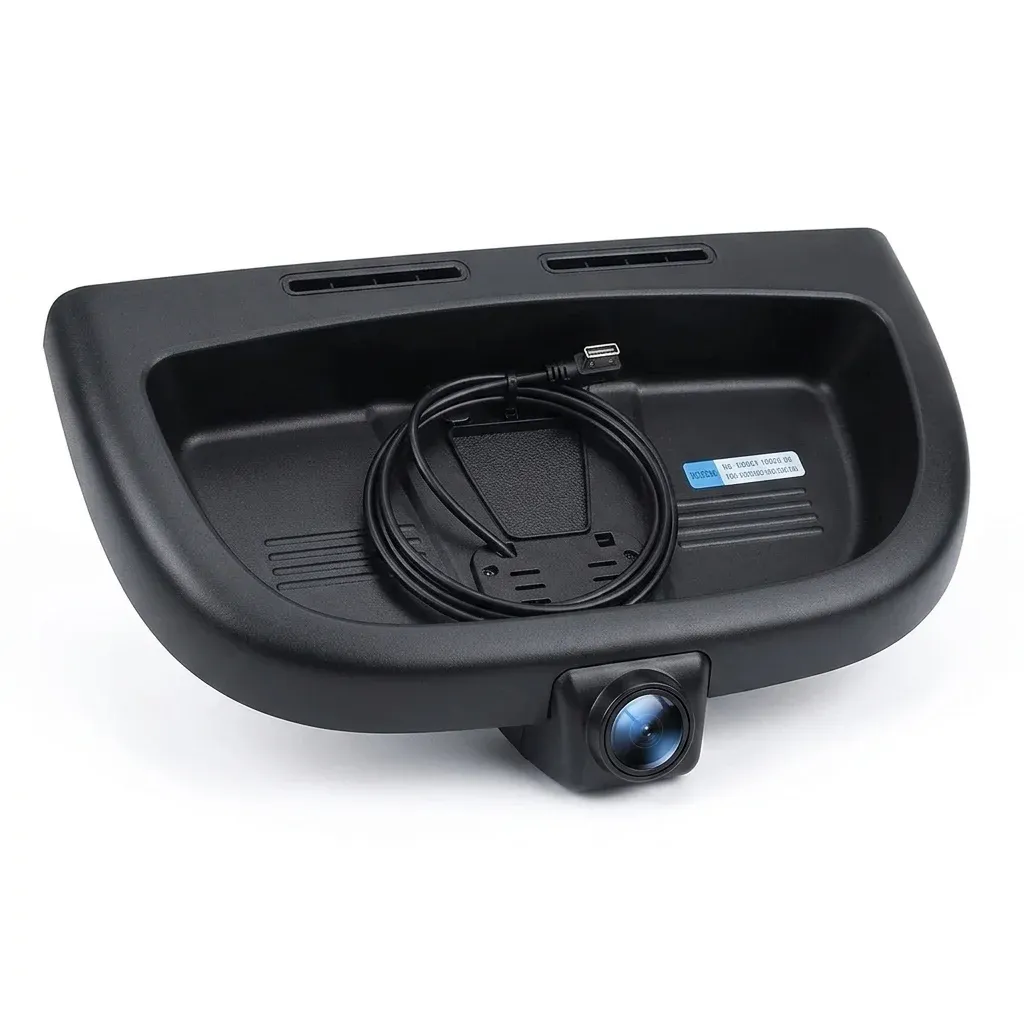
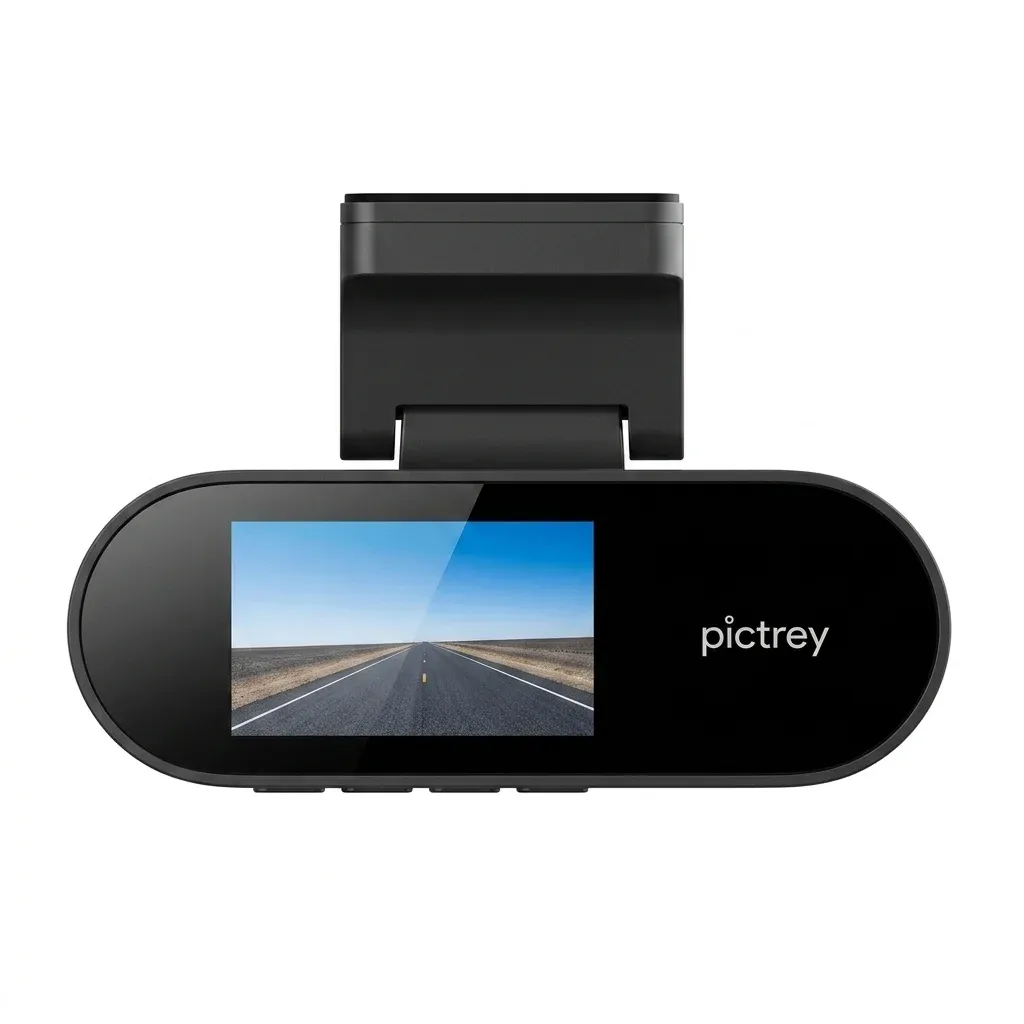
The H330 solves a common dash cam problem: standard front-only recording leaves too much unseen when incidents happen behind the car or inside the cabin. This mirror-style unit replaces the factory mirror and adds three channels, so you get a front, interior, and rear perspective in a single package.
That approach is especially useful for ride-hailing drivers, family cars, and anyone who wants a cleaner dashboard than a two-camera setup usually allows. The 12-inch touch display turns the mirror into a live control centre, which makes the system feel more integrated than a clipped-on dash cam, so how does the image quality hold up in real use?
4K front footage and 1080p side coverage: where the detail goes
The headline spec is 4K front recording at 3840x2160, supported by 1080p interior and rear capture depending on the chosen mode. In practice, that means the forward camera is doing the heavy lifting for number plates, lane position, and road signs, while the other lenses fill in the context that often decides fault in a dispute.
Users consistently describe the image as sharp for the class, and the 170-degree viewing angle helps reduce the tunnel vision effect common on cheaper mirror cams. The trade-off is that ultra-wide coverage can stretch edges slightly, so the best results come from careful mounting and a clean windshield, which matters more than most buyers expect.
Night driving and cabin capture: the infrared advantage
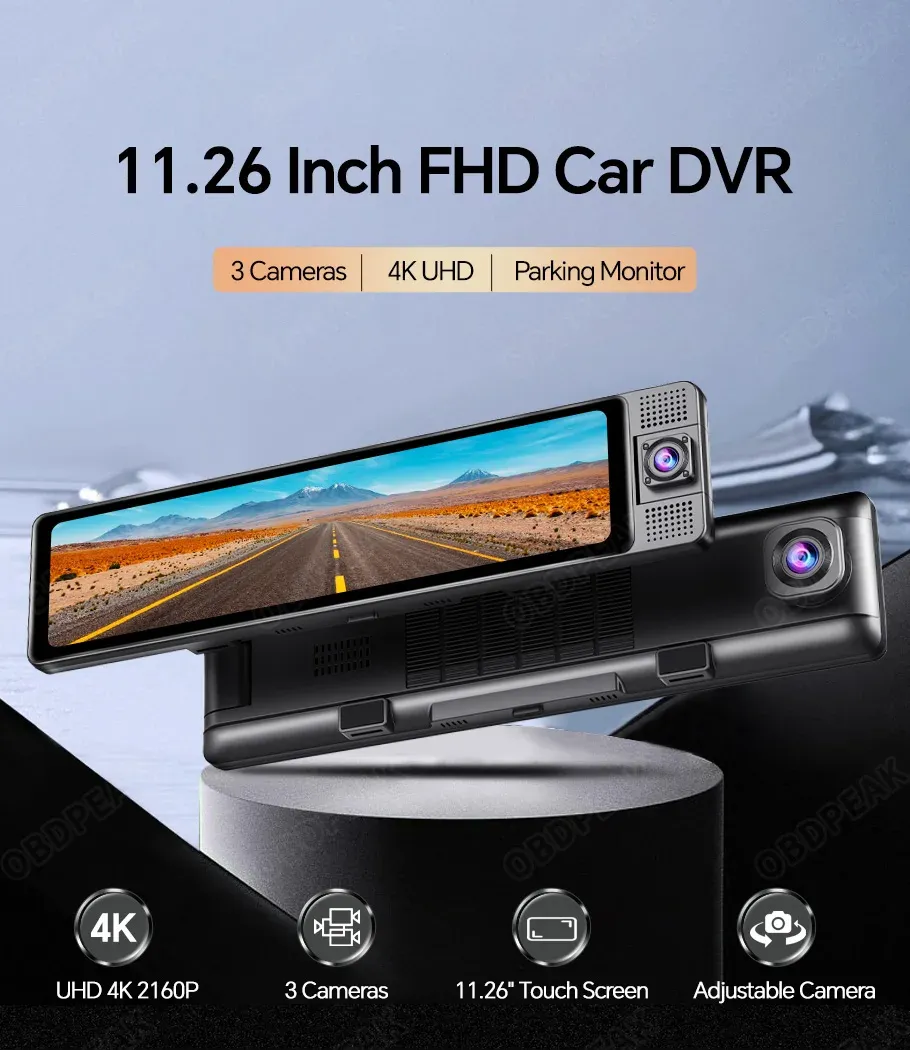
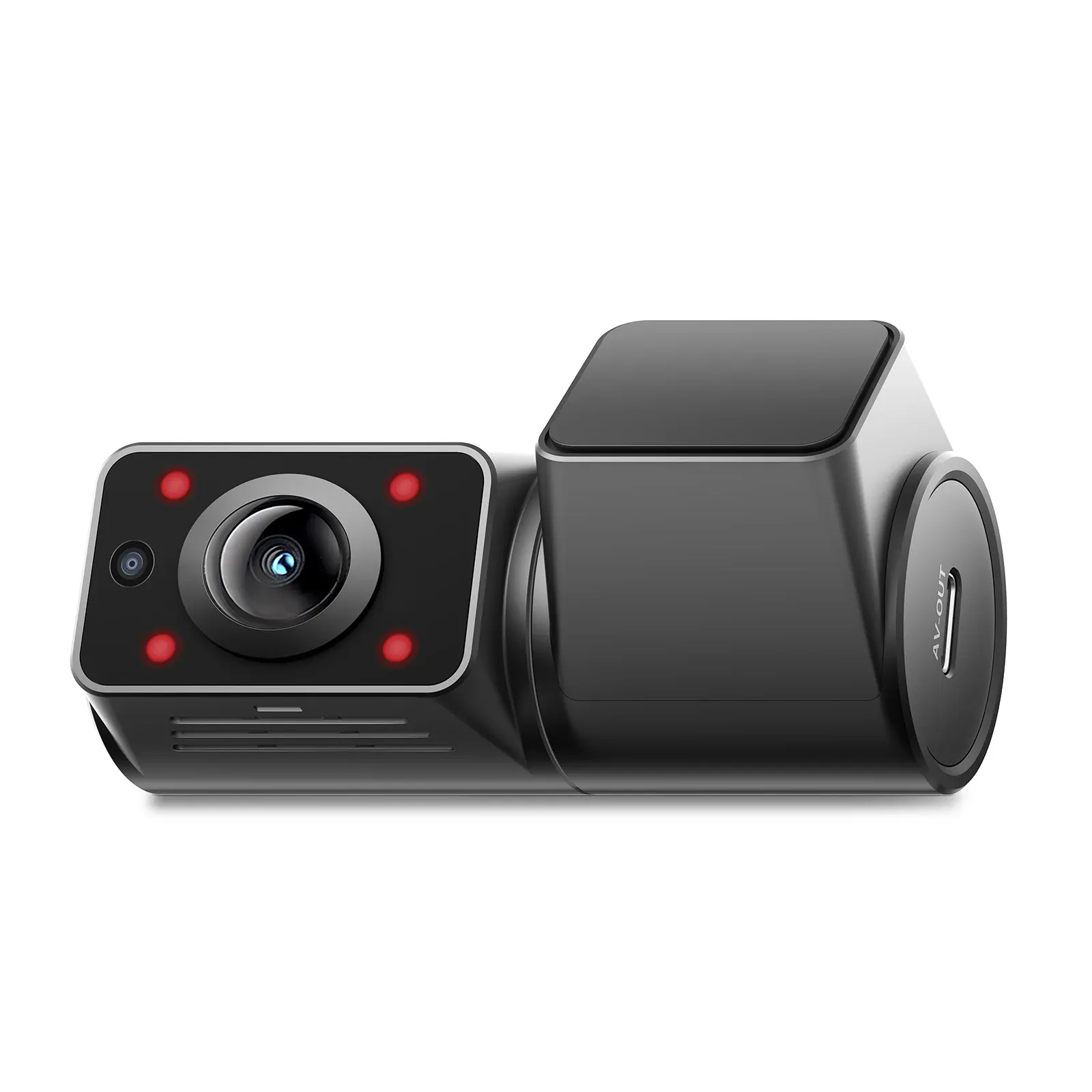
NightShot support and infrared interior recording are the features that separate this model from basic daytime recorders. The cabin camera can still pick up passengers after dark, while the rear feed helps when reversing or documenting tailgaters in low light.
That said, real-world reviews suggest bright headlights can create glare in the rear image, so this is a strong low-light system rather than a flawless one. If you often drive at night, the benefit is not just visibility but evidence quality, and that becomes clearer when you look at the GPS and app features.
Wi-Fi and GPS: evidence that is easier to organise
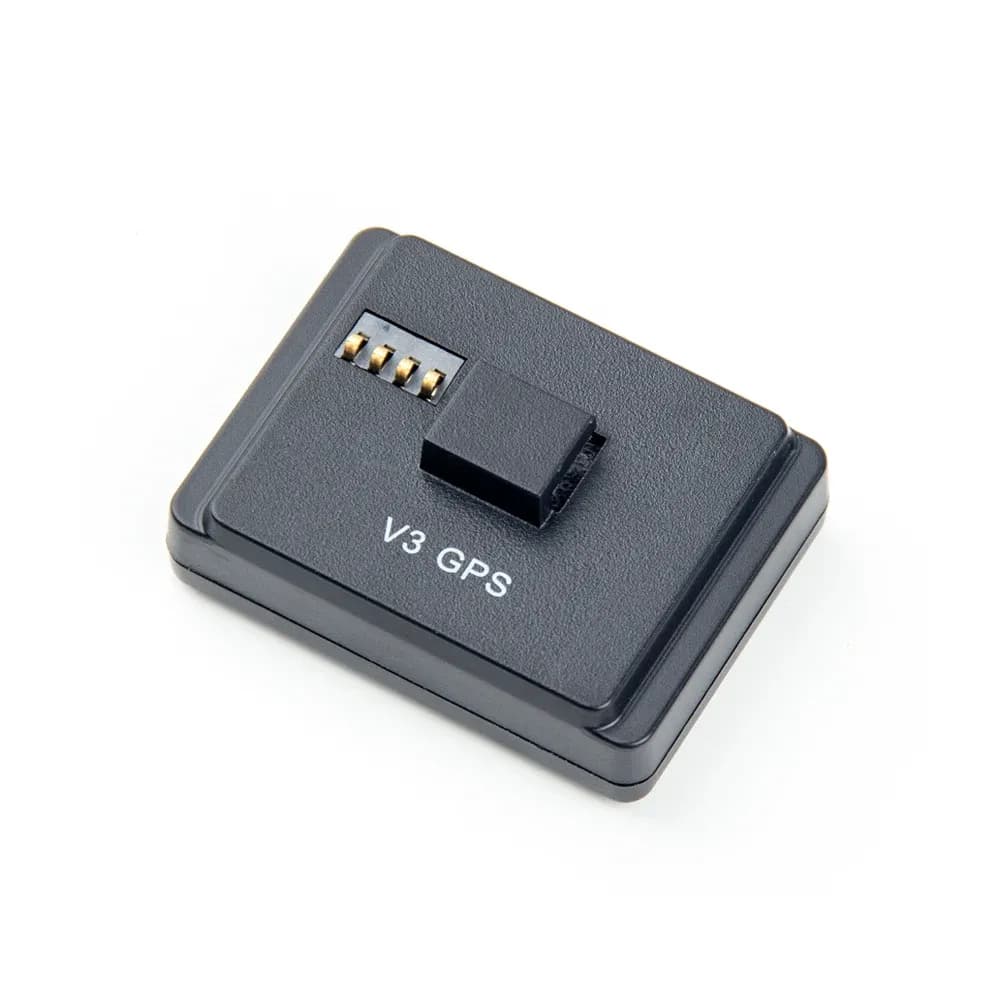
Wi-Fi app support lets you pull clips to a phone without removing the microSD card, which is a practical advantage when you need footage quickly. External GPS adds route and speed logging, giving the video more context if you ever need to explain where and how an event happened.
The unit supports up to 128GB cards with Class 10 speed, so it is designed for continuous loop recording rather than short, occasional clips. That is important because a three-channel system generates more data than a single camera, and storage management becomes part of the experience, not an afterthought.
Touch screen mirror design: useful, but not featherweight
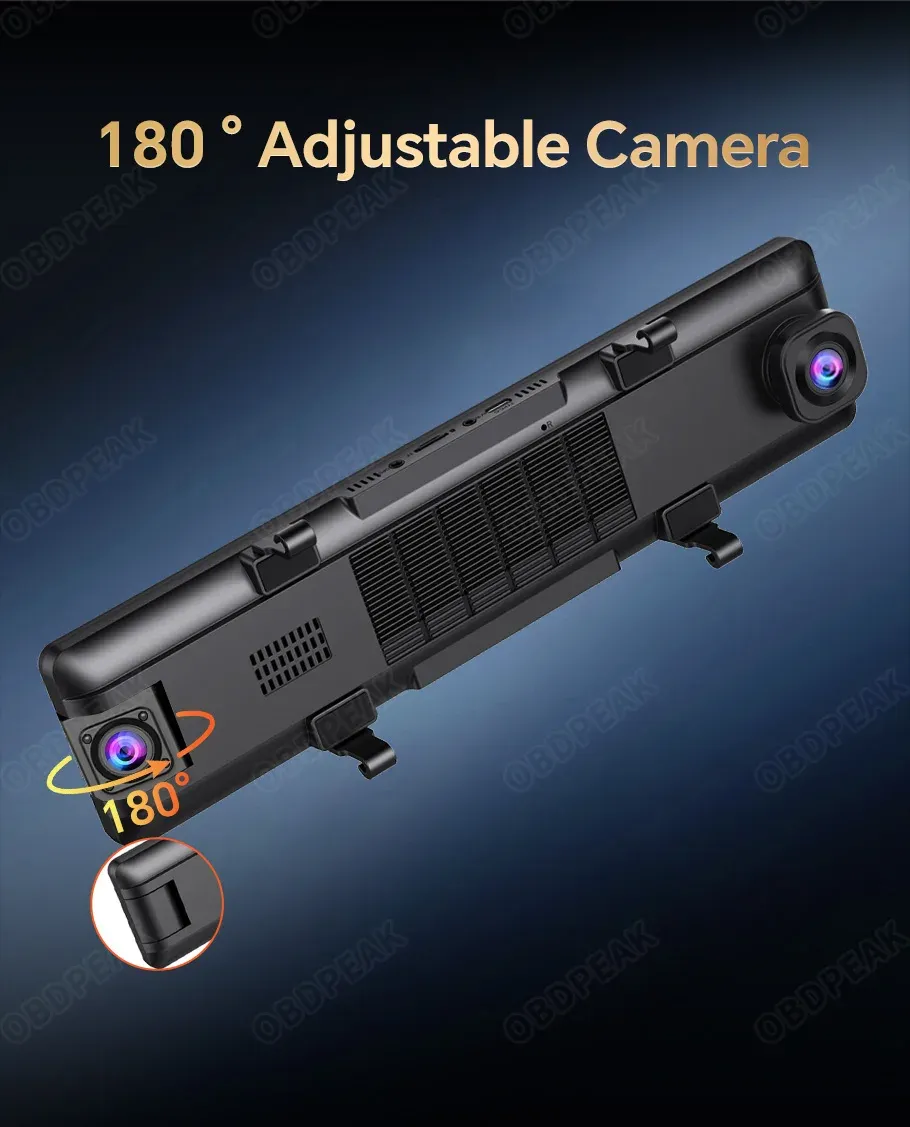
The 11.26-inch IPS display is large enough to read menus without squinting, and the 16:9 layout keeps playback and live views familiar. According to customers, the mirror itself feels substantial, which can inspire confidence in build quality but also means installation needs a secure mount rather than a casual clip-on fit.
One practical point stands out: the interior camera angle is not as flexible as the front lens, so placement matters before you tighten everything down. If you want a cleaner setup than a traditional dual-dash-cam kit, this mirror format is compelling, and the remaining question is whether the small compromises are worth the coverage.
What stands out in daily use
- Front recording carries the strongest detail for plates and road markings.
- Interior and rear feeds add context that single-lens cameras miss.
- Wi-Fi app access makes clip review faster after an incident.
- GPS support helps document route and speed with the video.
- The touch display makes menu control easier than button-only mirror cams.
For drivers comparing mirror-style systems on AliExpress UK, the H330 lands in the useful middle ground: feature-rich without moving into premium territory. The real value comes from combining three perspectives with a single display, which is exactly the sort of setup that makes sense when you want coverage rather than just a forward-facing recording, so what should you watch out for before fitting it?