







Front-road coverage without cabin clutter
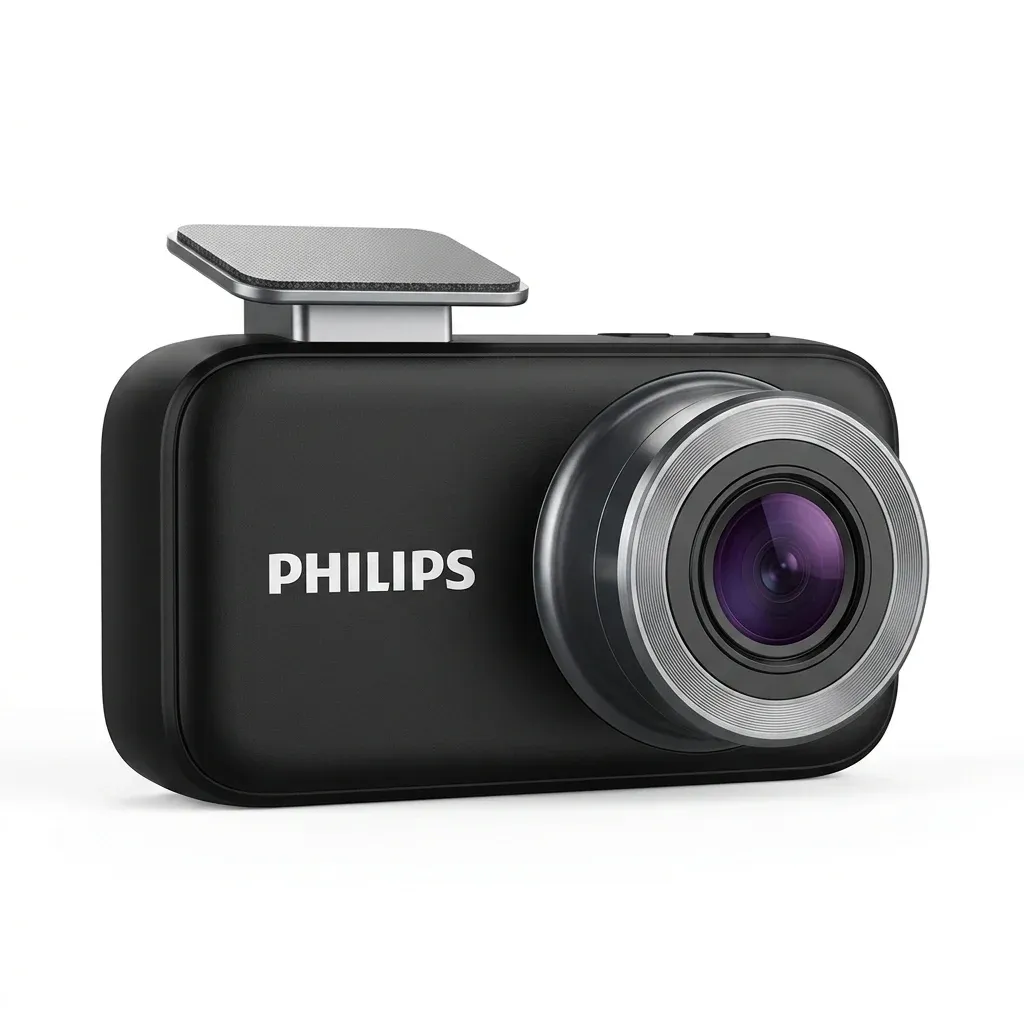
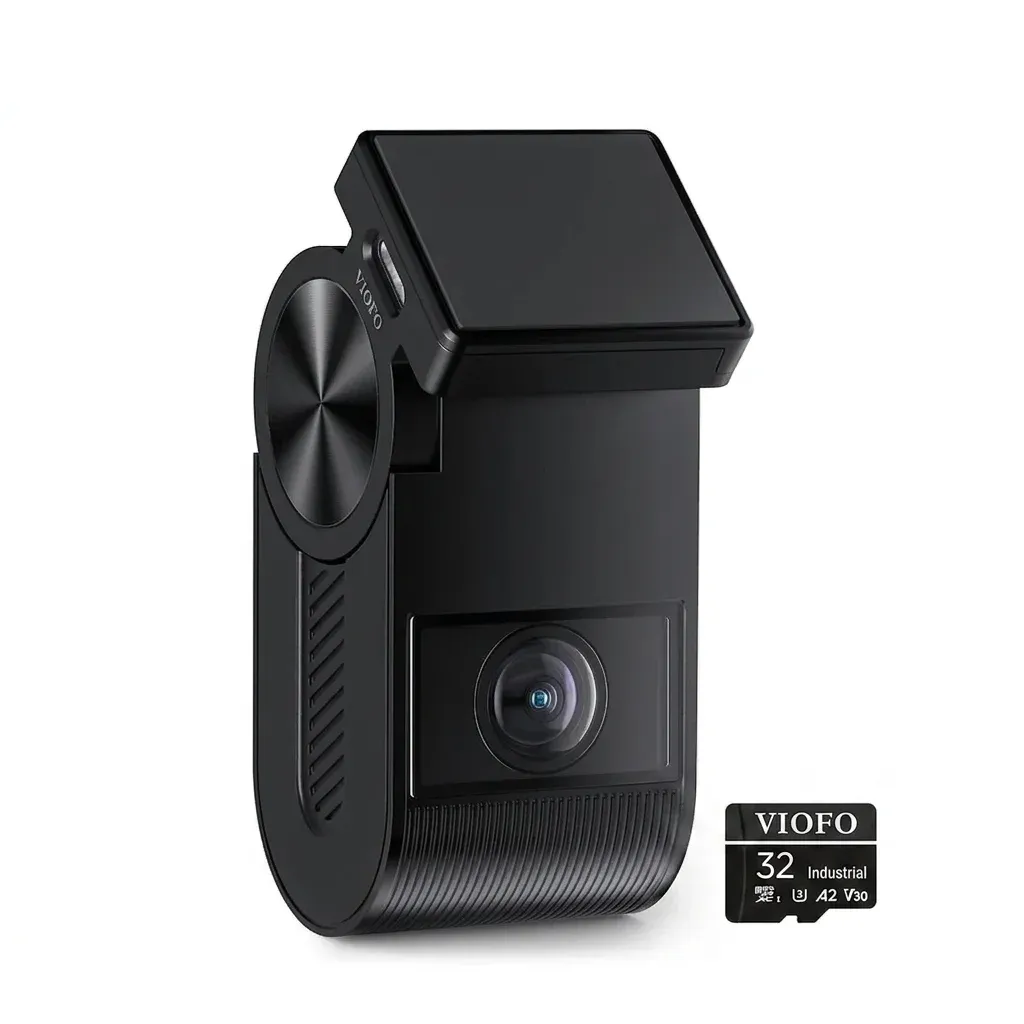
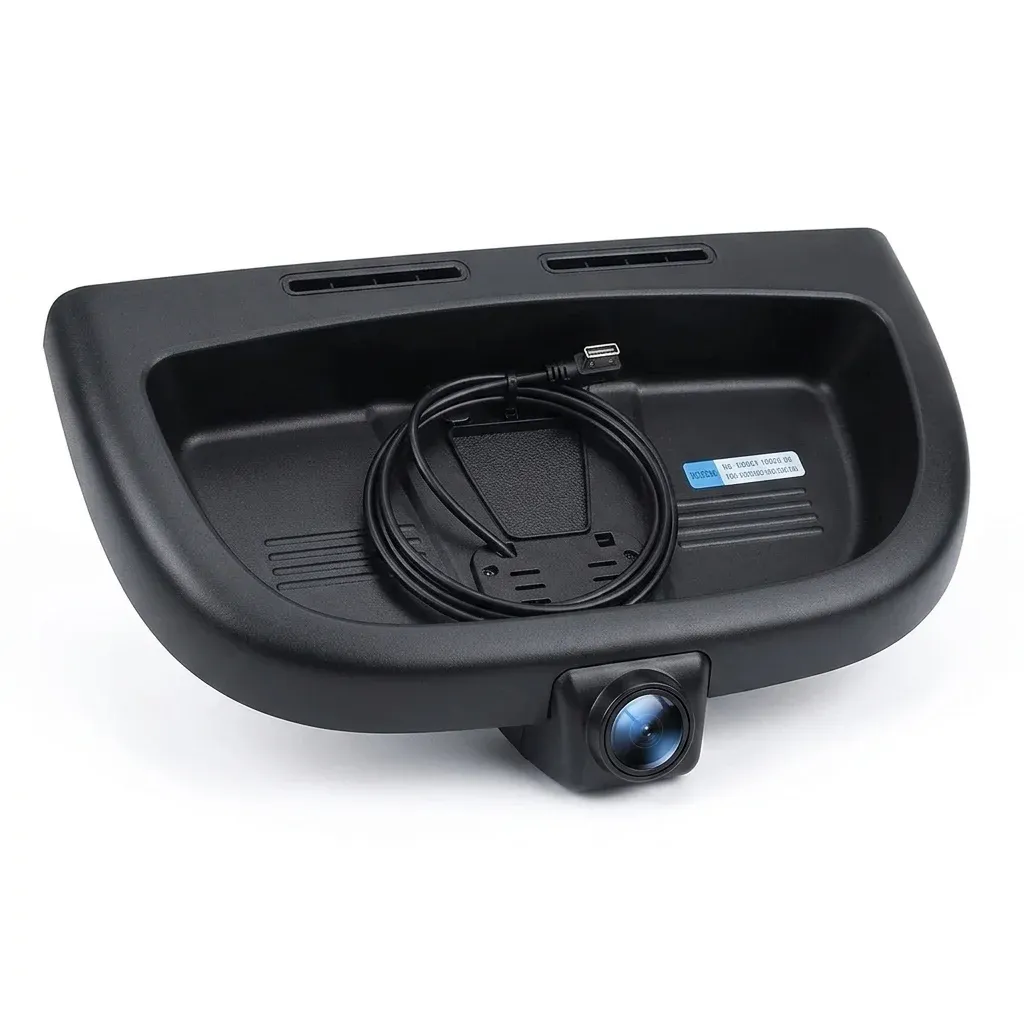
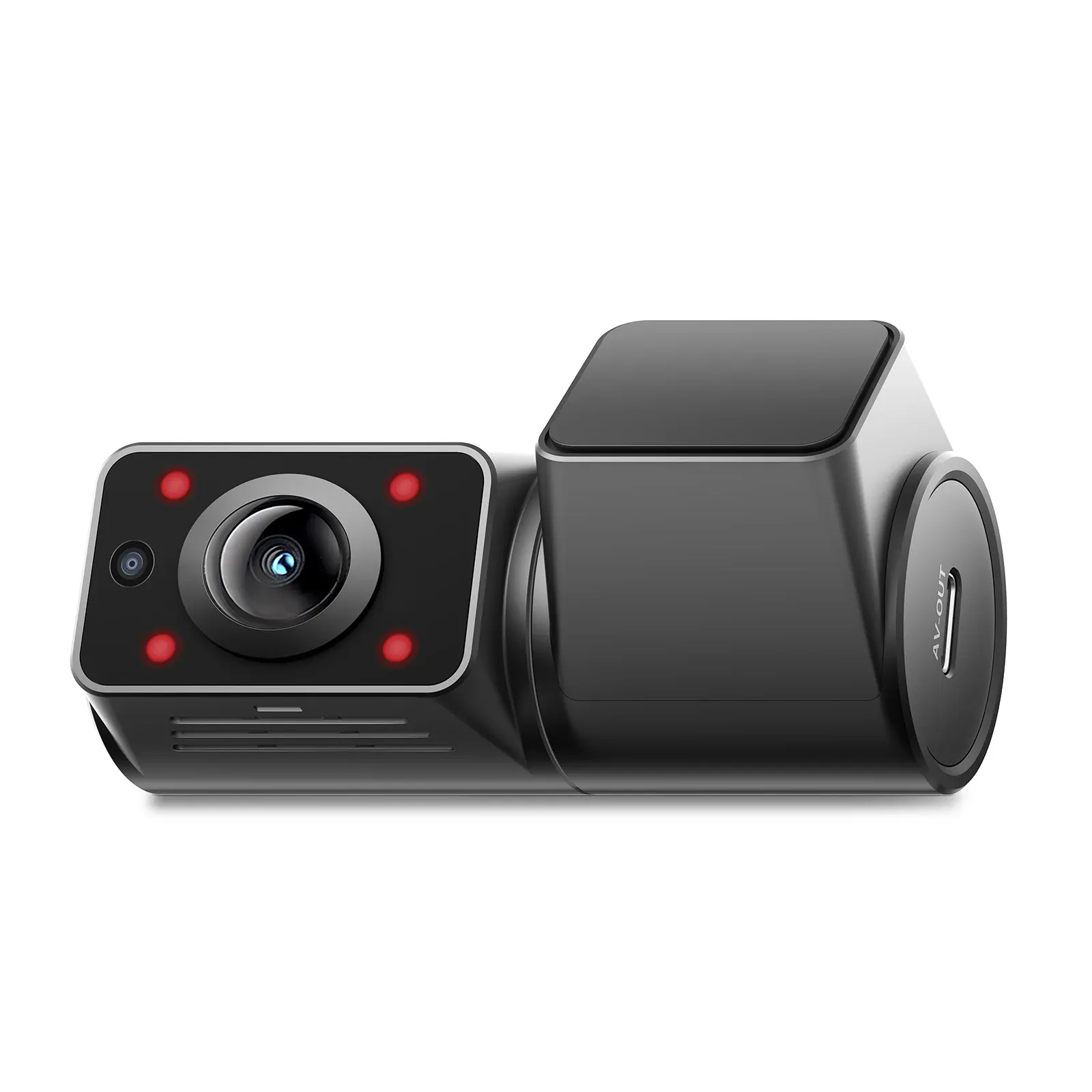
The GS3201 solves a common dash cam problem: drivers want reliable incident footage without a screen hanging off the glass. Its hidden-type body is compact, weighs just 78g, and sits neatly on the windscreen, so the installation looks closer to OEM than to a typical aftermarket camera.
That discreet approach matters if you leave the car parked in public or simply prefer a cleaner cabin line. The trade-off is obvious, though: you manage everything through the app rather than a built-in display, which makes the Wi‑Fi experience central to how well it works.
1080p recording at 30fps: what you actually get
On paper, 1920x1080 resolution at 30 frames per second is the sensible baseline for front-facing evidence capture. It is not a high-end 4K unit, but the H.264 encoding and MP4 format should keep files manageable on a Class 10 microSD card up to 64GB.
In practice, this spec set is best for daily commuting, insurance documentation, and general road monitoring rather than reading distant number plates at speed. The 132° field of view helps widen the scene without stretching it too aggressively, so the image should feel more useful than ultra-wide budget cams that distort lane edges.
Wi‑Fi app control instead of a screen
The strongest selling point is app compatibility, which lets you connect directly to the camera over Wi‑Fi and manage clips from your phone. Philips routes setup through the GoSure Safe app, and the original instructions indicate English support alongside Simplified Chinese, which is useful if you want quick file access without removing the card.
Real customer feedback suggests the app experience is the part that needs the most patience, with several users reporting connection or availability issues depending on region and phone model. If you are comfortable with app-based setup and a little troubleshooting, the workflow is convenient; if you want a plug-and-play screen interface, this is not the easiest path.
Loop recording and G-sensor: the practical safety layer
Loop recording keeps the camera working continuously by overwriting the oldest unlocked clips, so you do not have to manage storage manually every trip. The built-in G-sensor adds another layer by marking impact events, which is the feature that matters most when a minor bump or sudden brake becomes a claims dispute.
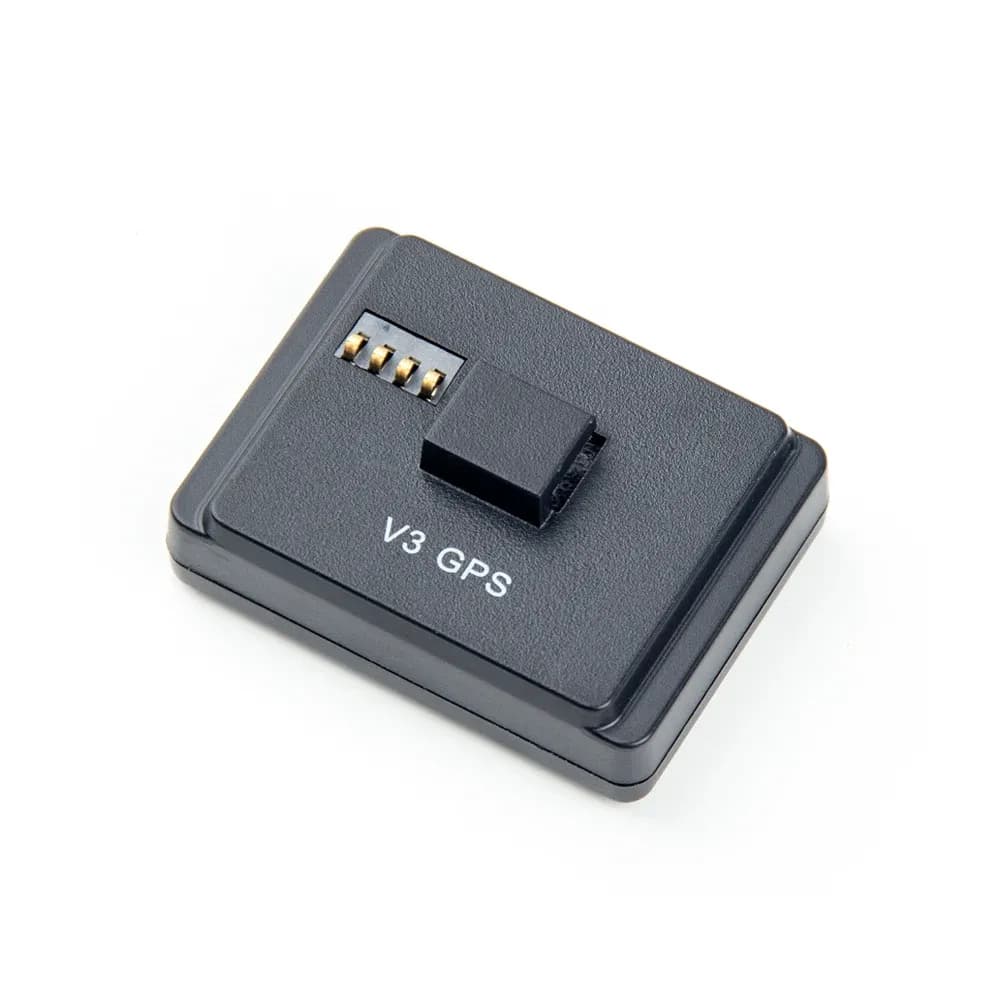
This setup is especially useful for drivers who spend a lot of time in traffic, where small incidents happen fast and evidence disappears even faster. The lack of GPS means you will not get route speed overlays, but the footage still serves the core purpose of showing what happened and when.
Installation details that affect daily use
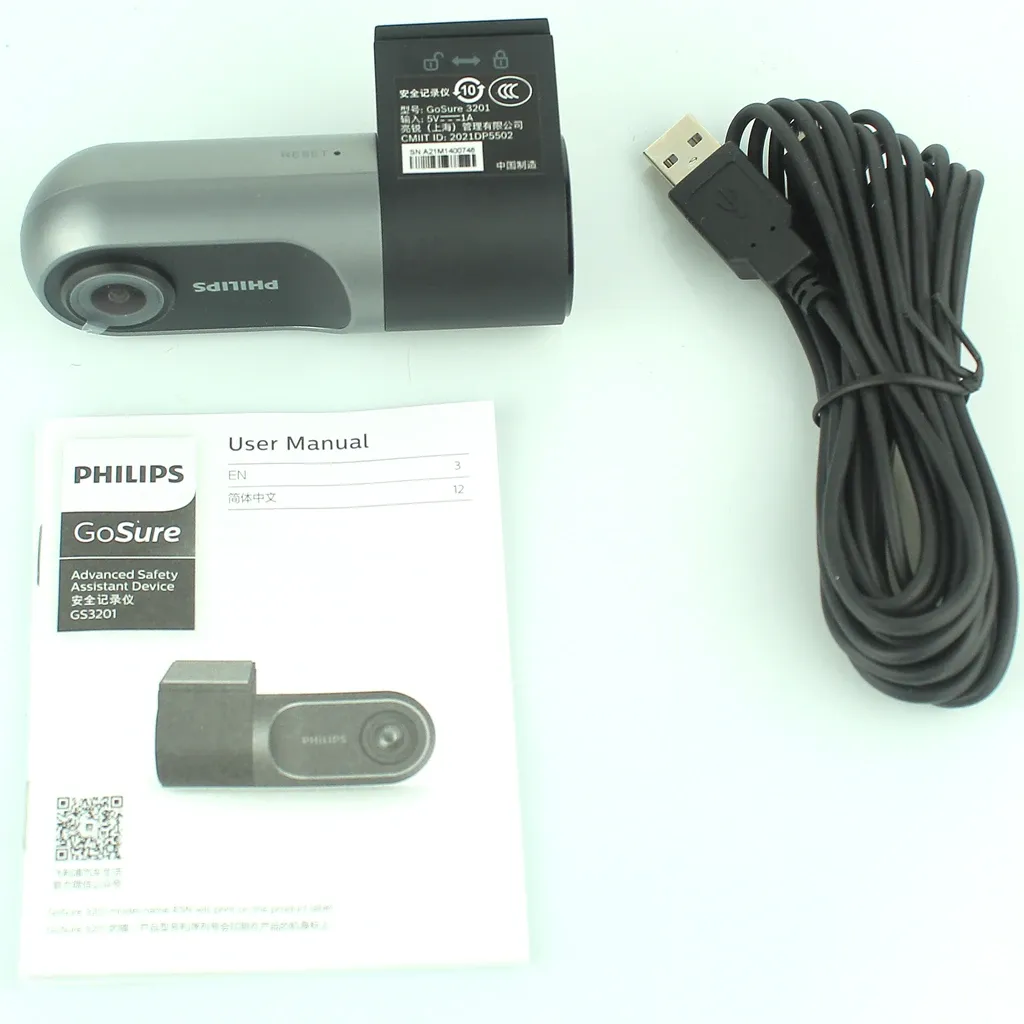
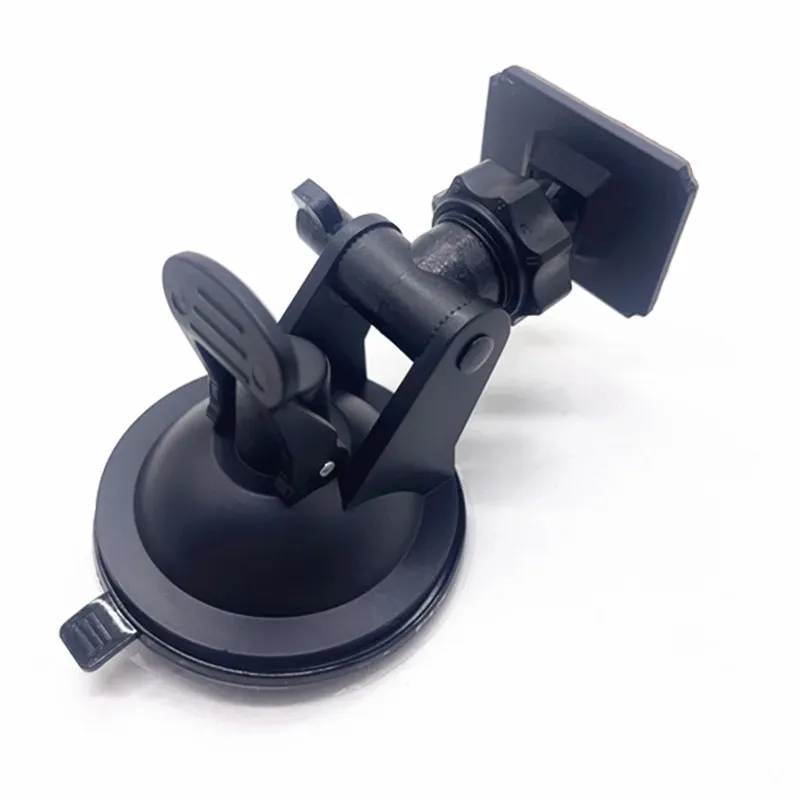
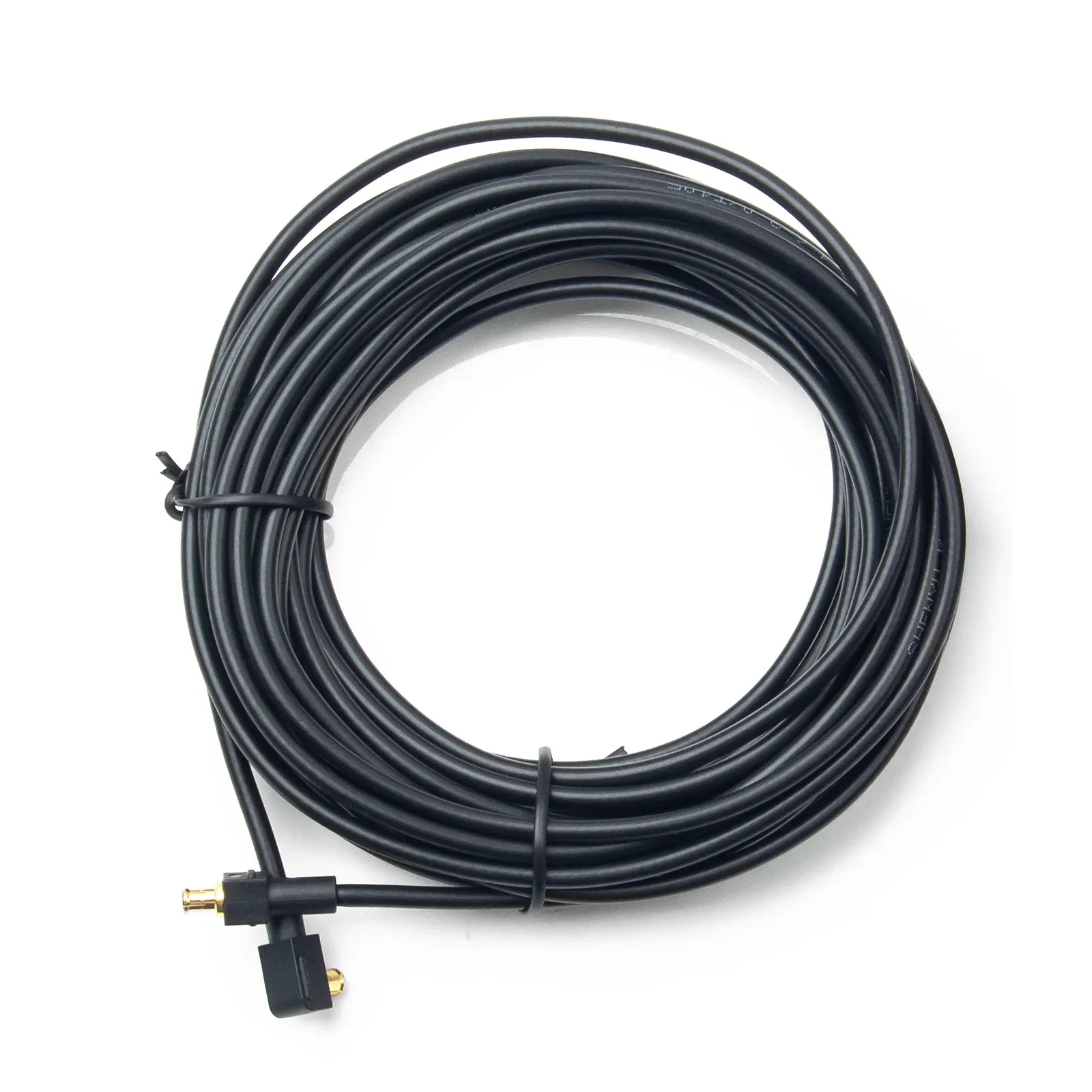
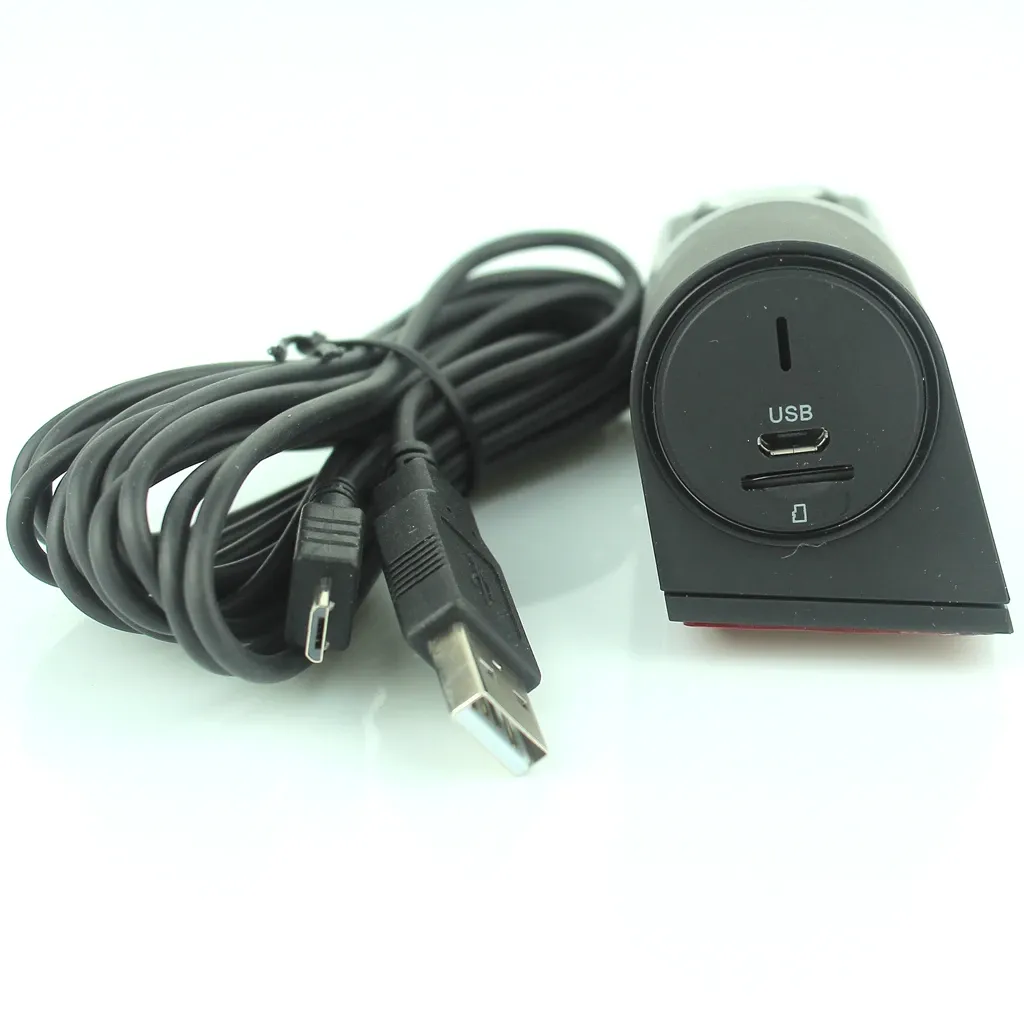
The 3.6m cable length gives enough reach for most front-windscreen installs, including cleaner routing toward the fuse box or centre console. Power comes from a corded electric connection rather than an internal battery, which is better for heat stability and long-term parked readiness in a dash cam of this type.
With no screen, no touch interface, and no rear camera, the GS3201 stays focused on one job: front-road recording. That makes it a simpler option than dual-channel kits, but also a more natural fit for drivers who want a straightforward single-lens setup and do not need a cabin monitor or rear coverage.
Who this Philips dash cam suits best
According to users, the image quality can be very good when the app and setup cooperate, while the main complaints cluster around connectivity and app availability. That pattern suggests the hardware concept is solid, but the purchase makes most sense for drivers who value a tidy install and are comfortable using phone-based controls.
At AliExpress UK, this is the kind of dash cam we would place in the practical-midrange bracket: useful features, compact form, and a familiar brand name, with software expectations that should stay realistic. If you want a discreet front camera for everyday evidence capture, the next question is whether the app experience matches your phone and region.