







Clean mirror fit with front and rear coverage
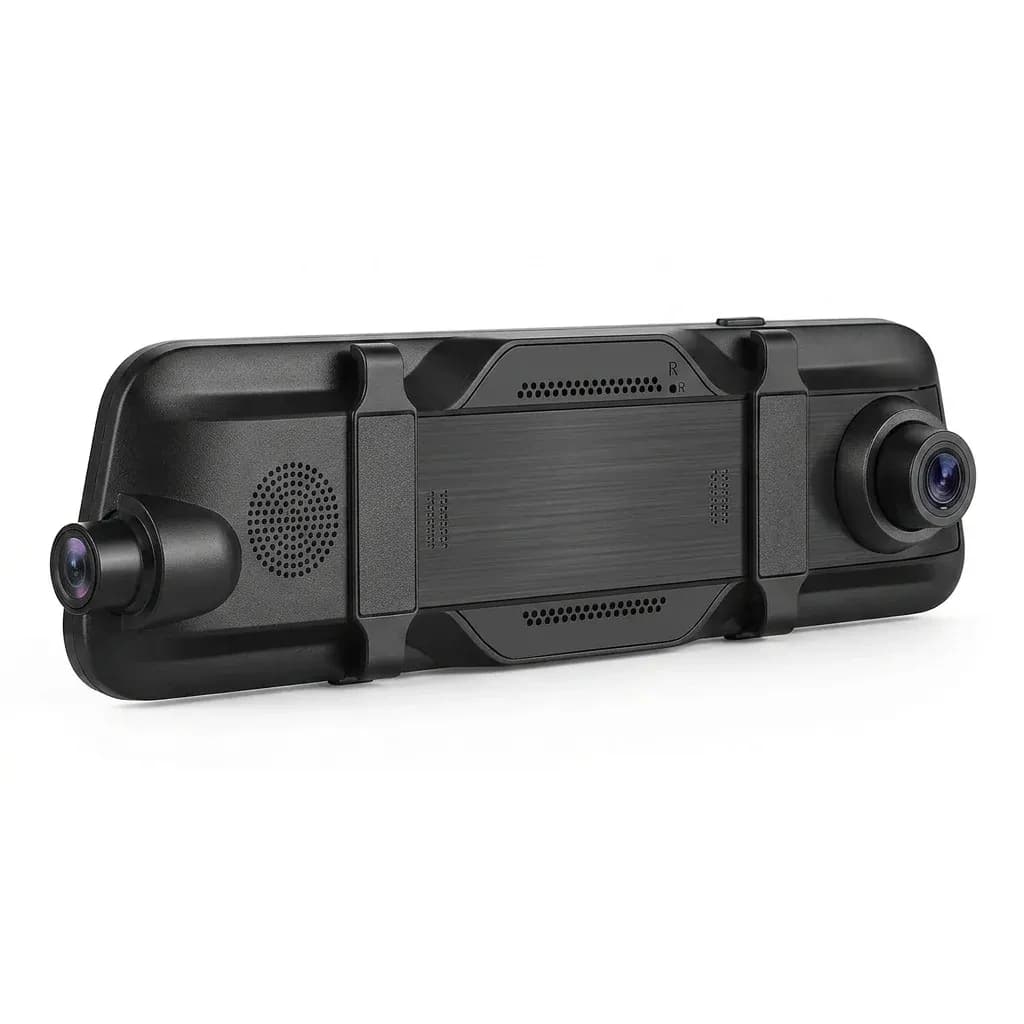
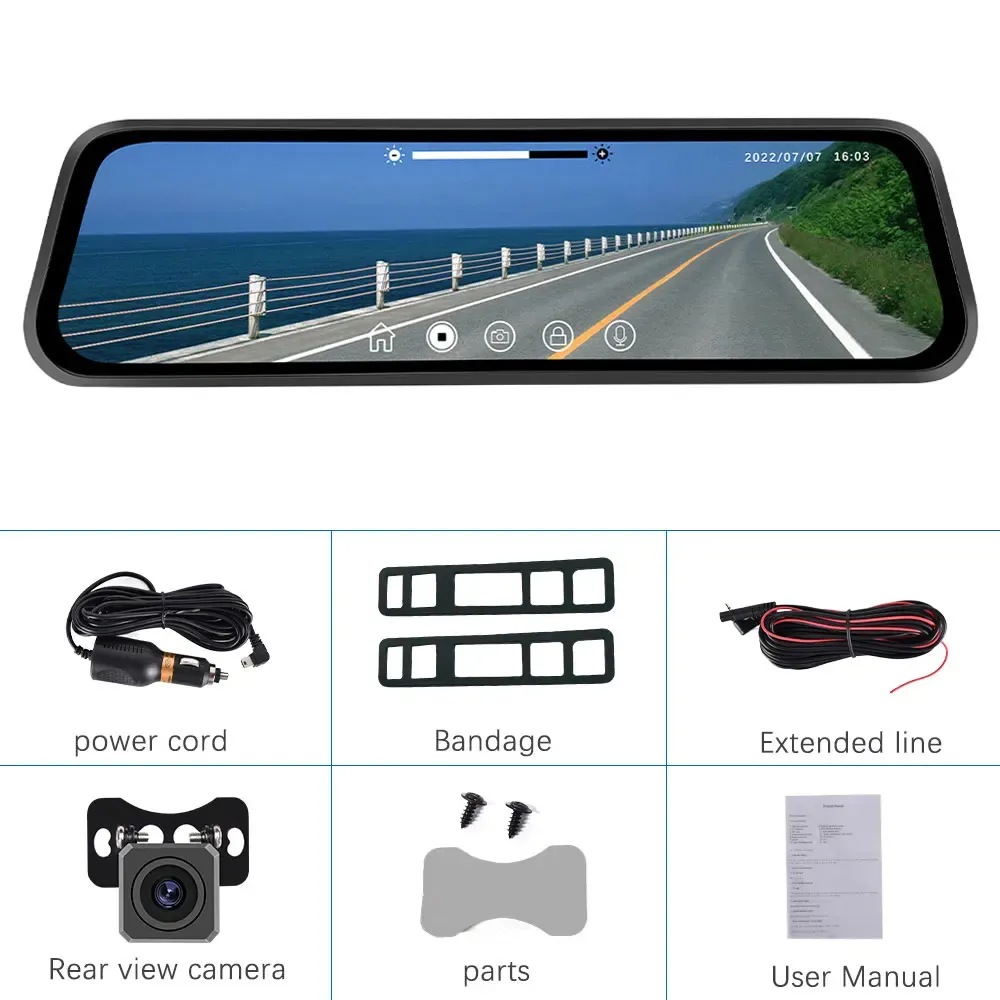
This Podofo unit solves a simple problem: many dash cams add another screen to the cabin, while this one turns the rear-view mirror into the display itself. The result is a tidier cockpit and a recording setup that feels closer to factory equipment than a bolt-on accessory.
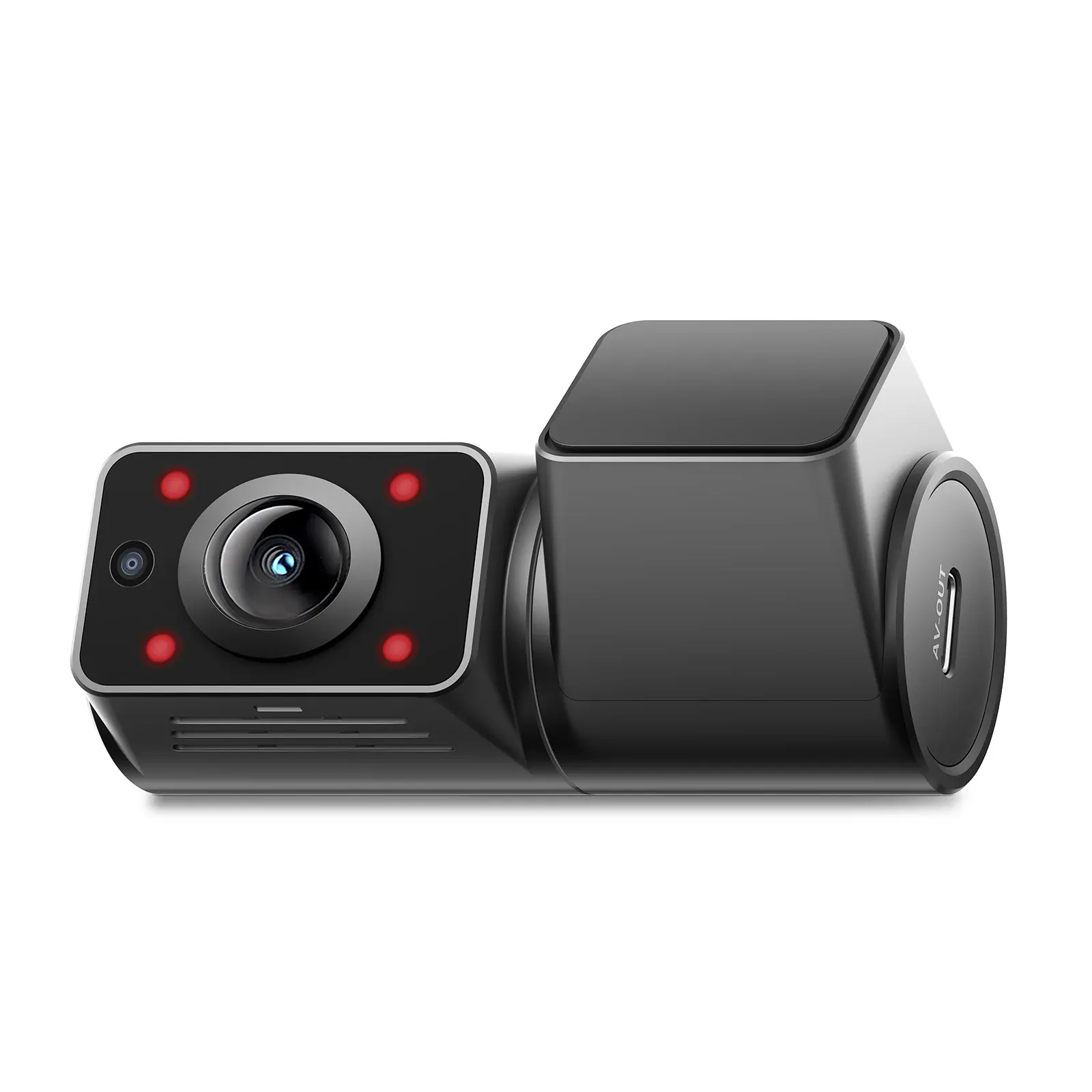
Its dual-lens layout captures traffic ahead and behind, which matters when a claim depends on what happened at the rear bumper as much as the front grille. For drivers who want an all-in-one layout without a large windshield mount, that is the main appeal, and the screen makes the next part easier to judge.
9.66-inch IPS touch screen: the practical gain
The 9.66-inch IPS panel is the feature that changes day-to-day use the most, because the image is large enough to check framing, playback, and settings without leaning forward. IPS technology also helps keep the picture readable at an angle, so the display remains useful when sunlight shifts across the cabin.
Touch control is a real advantage over button-heavy budget dash cams, especially when you need to review footage quickly at a roadside stop. The interface is set up in English, which lowers the learning curve for first-time users, and that matters more than flashy spec sheets in a product like this.
1080p front and rear recording: what it should deliver
Both cameras are listed at 1920 x 1080 resolution, so the system is aimed at clear evidence capture rather than cinema-level detail. At this level, number plates and lane position should be usable in normal daylight conditions, though the 20 fps spec suggests motion may look less fluid than higher-frame-rate rivals.
The wide viewing angles, listed at 150 degrees for the front lens and 120 degrees for the rear lens, are useful for catching adjacent lanes and side movement. That wider perspective can be more valuable than sheer zoom in urban traffic, where impacts often happen at the edge of the frame.
Loop recording and motion detection for everyday driving
Loop-cycle recording means the camera keeps working without constant manual file management, overwriting older clips once the memory card fills up. For a commuter or ride-share driver, that is the difference between a camera that records in theory and one that stays ready in practice.
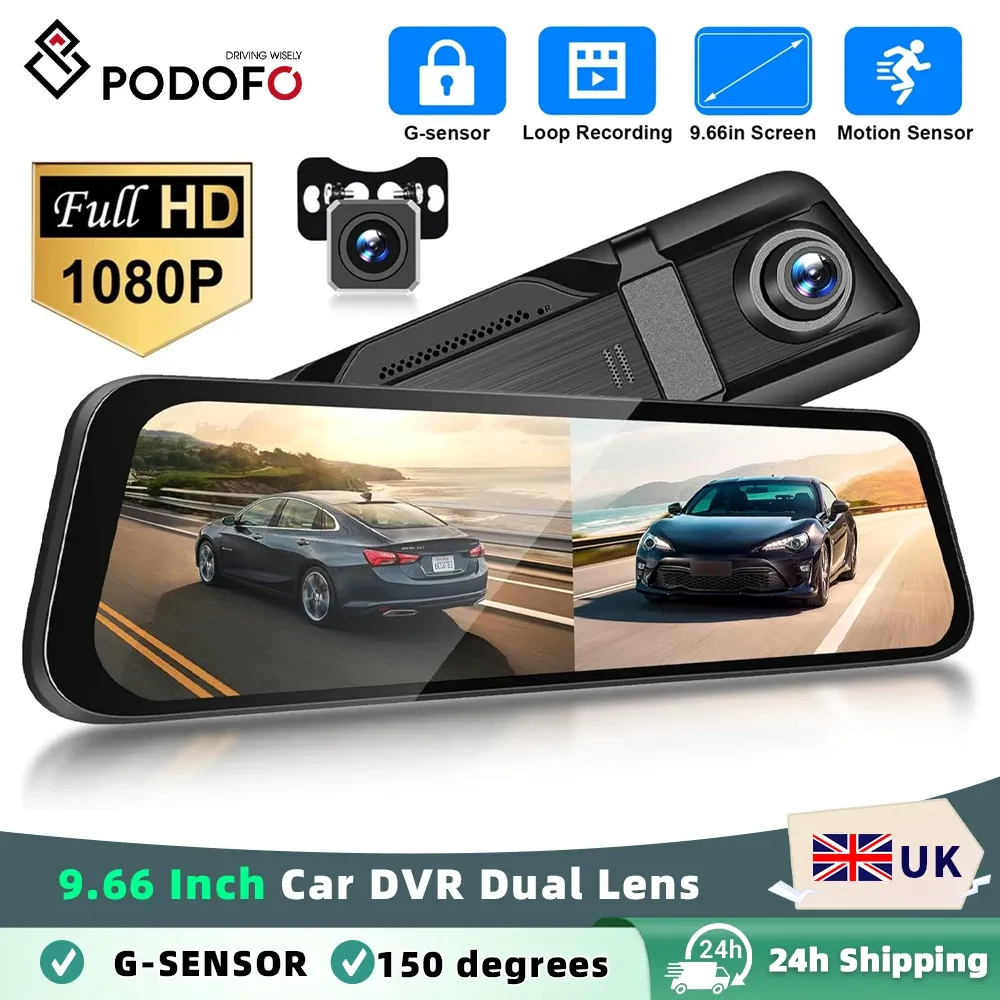
Motion detection and time/date stamping add context to parked or low-speed incidents, while the built-in battery helps preserve settings and short clips when power is interrupted. According to the single available customer review, the setup experience was straightforward, which is a small sample but still encouraging for a budget mirror cam.
Memory limits and who this model suits
The card support is where expectations should stay realistic: the listing points to Class 10 microSD support with a maximum of 32GB in the technical data, while the description mentions up to 64GB. In practical terms, that means buyers should plan for modest storage and regular loop overwriting rather than long archive sessions.
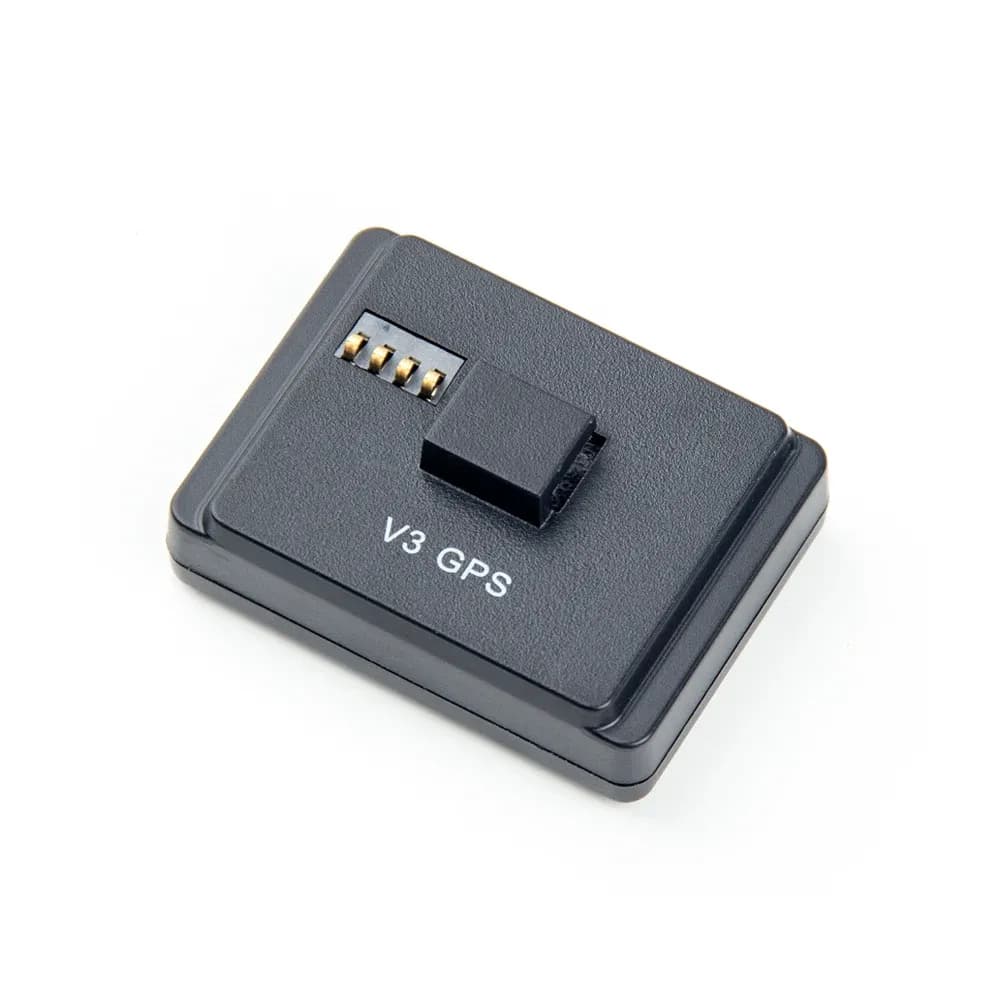
This makes the Podofo a sensible fit for short commutes, school runs, delivery work, and drivers who want front-rear evidence without a premium outlay. If you want GPS, Wi‑Fi, or 4K capture, you will need to move up the AliExpress UK ladder, but if your priority is simple dual-channel coverage, this design keeps the essentials in reach.