















Why this degausser exists in a modern hi-fi chain
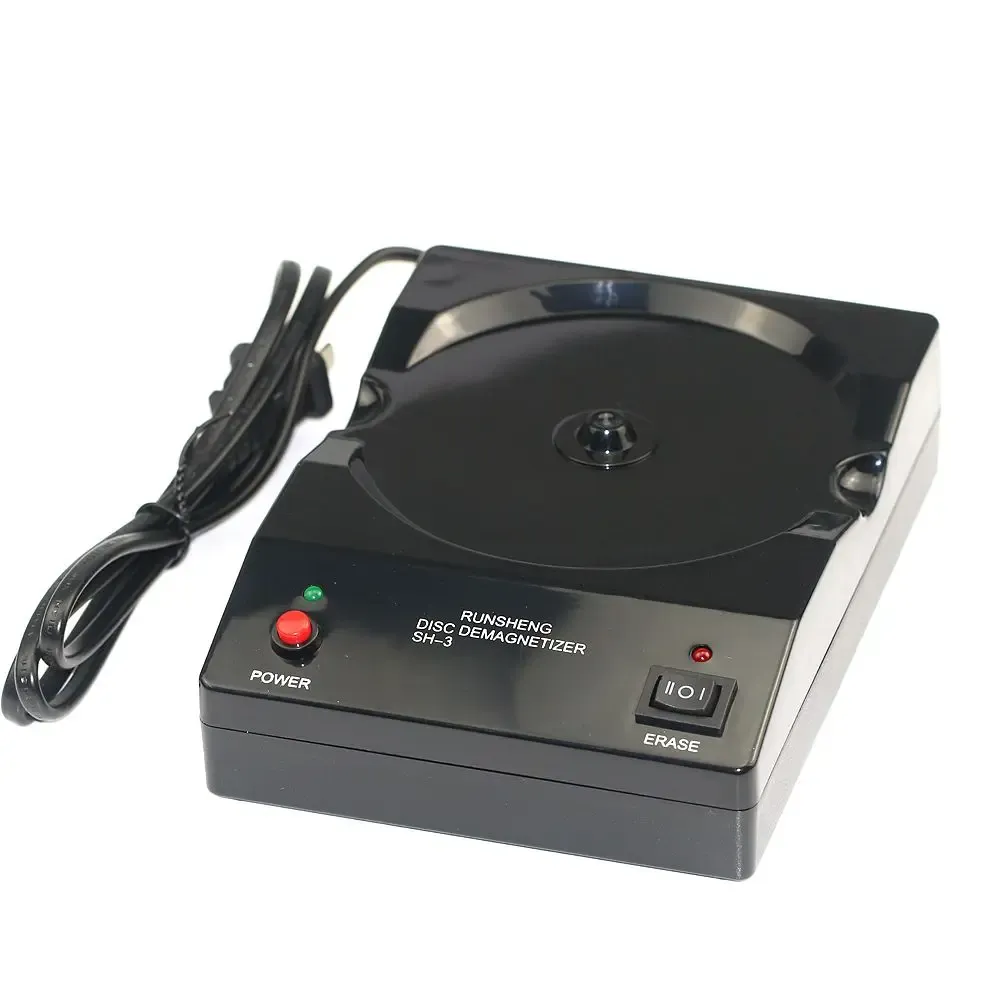
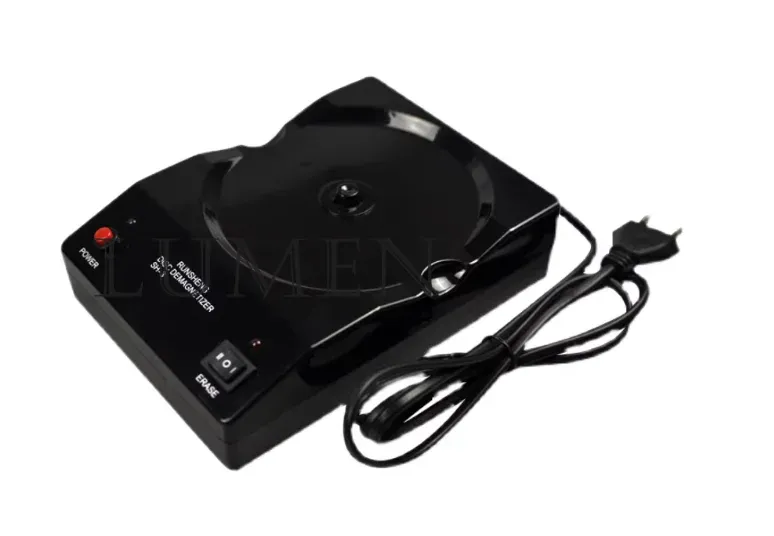
Digital discs and signal cables can accumulate magnetic residue over time, and that can blur the sense of background silence and image focus. The SH-3 is built to address that problem with a quick demagnetising pass that aims to restore a cleaner, more natural presentation.
It is not a universal sound upgrade in the casual sense; the effect depends heavily on how resolving the rest of the system already is. That makes it most interesting for users who can already hear small changes in tone, staging, and low-level detail, so the real question is how it behaves in practice.
What the degaussing process changes on playback
The manufacturer claims improvements in transparency, soundstage realism, and detail roundness after treatment, and that matches the type of change users expect from this class of accessory. In practical terms, the benefit is usually less about louder or brighter sound and more about removing a faint haze that can sit over vocals and acoustic instruments.
One real-user report noted that the device had audible effect, but only when paired with a high-quality audio system, which is exactly the right expectation. If your source, amplifier, or speakers are already modest, this will not create missing resolution from nowhere, so it works best as a fine-tuning tool rather than a rescue device.
Disc use versus cable use: where it makes the most sense

The SH-3 is marketed for CD, VCD, and DVD discs, yet it also claims compatibility with video cables, power cables, and audio cables. That wider use case is appealing for enthusiasts who like to keep a whole playback chain tidy, but the strongest logic still sits with disc-based setups where repeated handling and playback are common.
If you still spin physical media, the accessory may be useful after a disc has been played many times and the presentation starts to feel slightly congested. The idea is simple: treat the disc, listen again, and judge whether the background opens up enough to justify the ritual, which is where the next practical issue appears.
Heat, duty cycle, and why timing matters
One customer review described a failed first unit with smoke and melted plastic, then later received a working replacement after the seller intervened. That makes safe use worth taking seriously, especially because another reviewer noted that you need to wait a few minutes before demagnetising a second disc.
This points to a device that should not be left powered indefinitely, even if the indicator lights suggest it is active and ready. For a niche accessory like this, thermal behaviour matters as much as sonic effect, because the value comes from short, controlled use rather than continuous operation.
Build, language, and the AliExpress buying reality
The listing information is sparse, and the product data itself is inconsistent, showing MEEAOCC as the brand and “Speaker Wall Plate” as the item type even though the description clearly refers to a degausser. That mismatch is typical of some AliExpress catalogue entries, so buyers should focus on the function described rather than the autogenerated category label.

There is also no English manual mentioned in the reviews, and one user reported scratches and missing power-light behaviour on arrival. On AliExpress UK, that means the most sensible approach is to treat this as an enthusiast accessory with some quality-control variability, then verify operation carefully on first use.
Who will notice the difference
This type of accessory makes the most sense for listeners with a dedicated CD transport, a revealing DAC, and a system that already exposes small tonal changes. It is less compelling for casual streaming setups, where the source chain bypasses the very medium the degausser is trying to influence.
Users who enjoy experimenting with cable dressing, contact cleanliness, and other low-level optimisations are the natural audience here. If you like to hear whether a quieter background and firmer imaging are real or imagined, this is the sort of tool that invites that test, and the final question is whether the effect is repeatable enough to keep in a rack.
- Best suited to resolving CD-based hi-fi systems
- Can be used on selected audio and power cables
- Short treatment cycles are safer than repeated back-to-back use
- Reported gains are subtle, not dramatic
- Quality control appears mixed, so first-use checks matter