







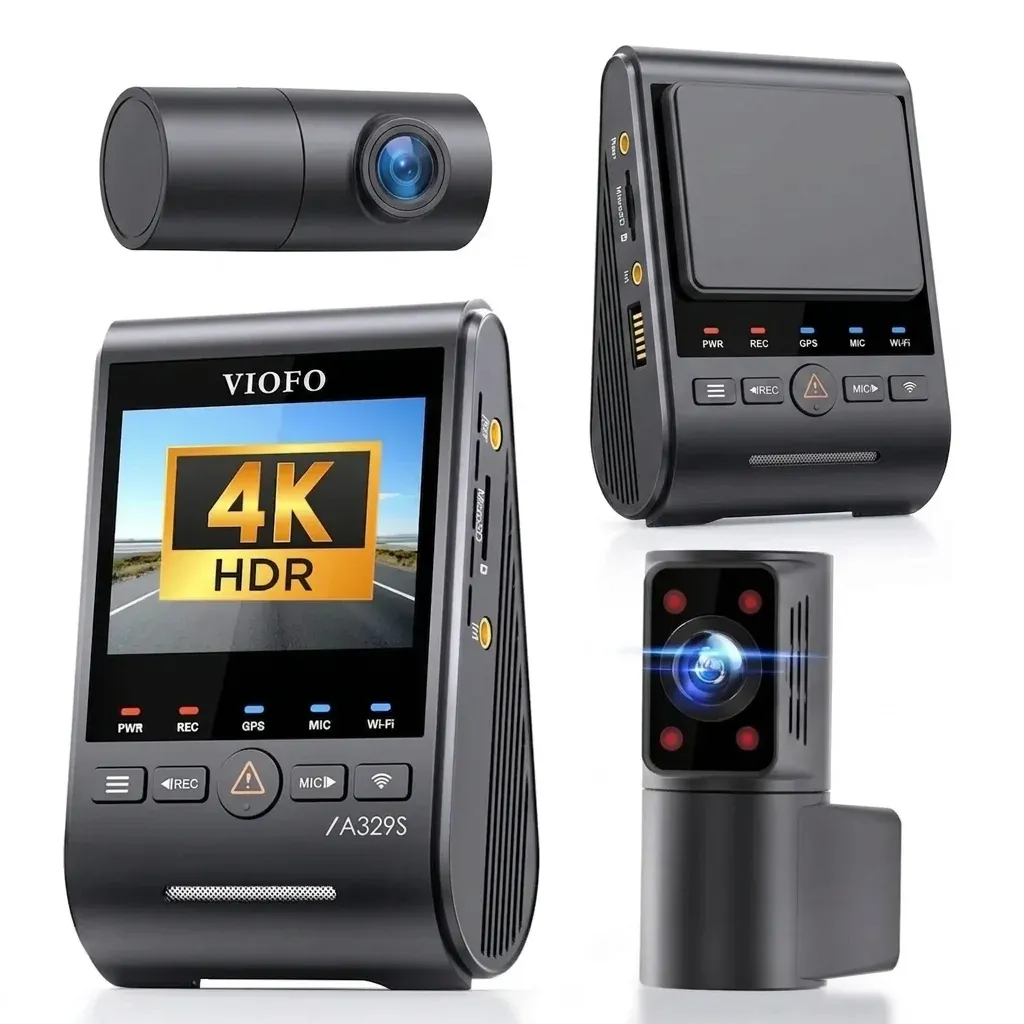
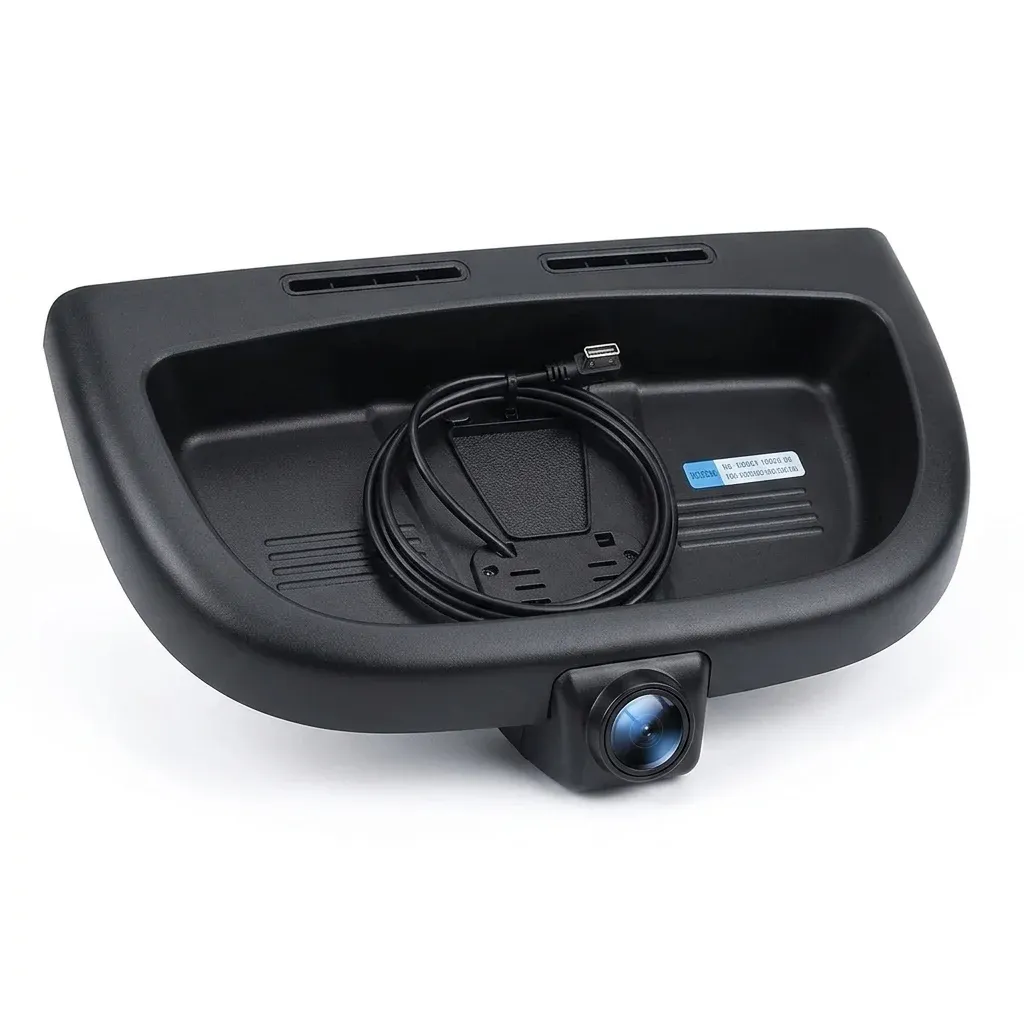
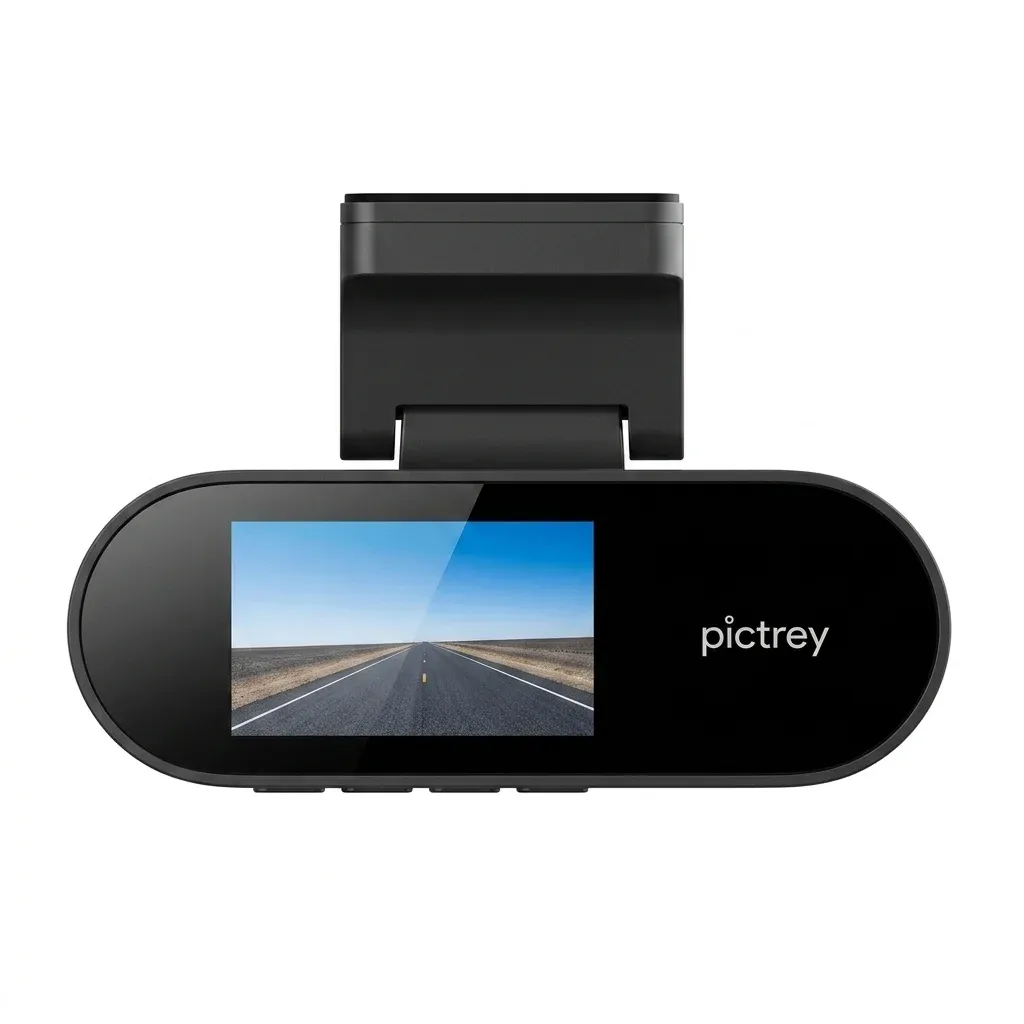
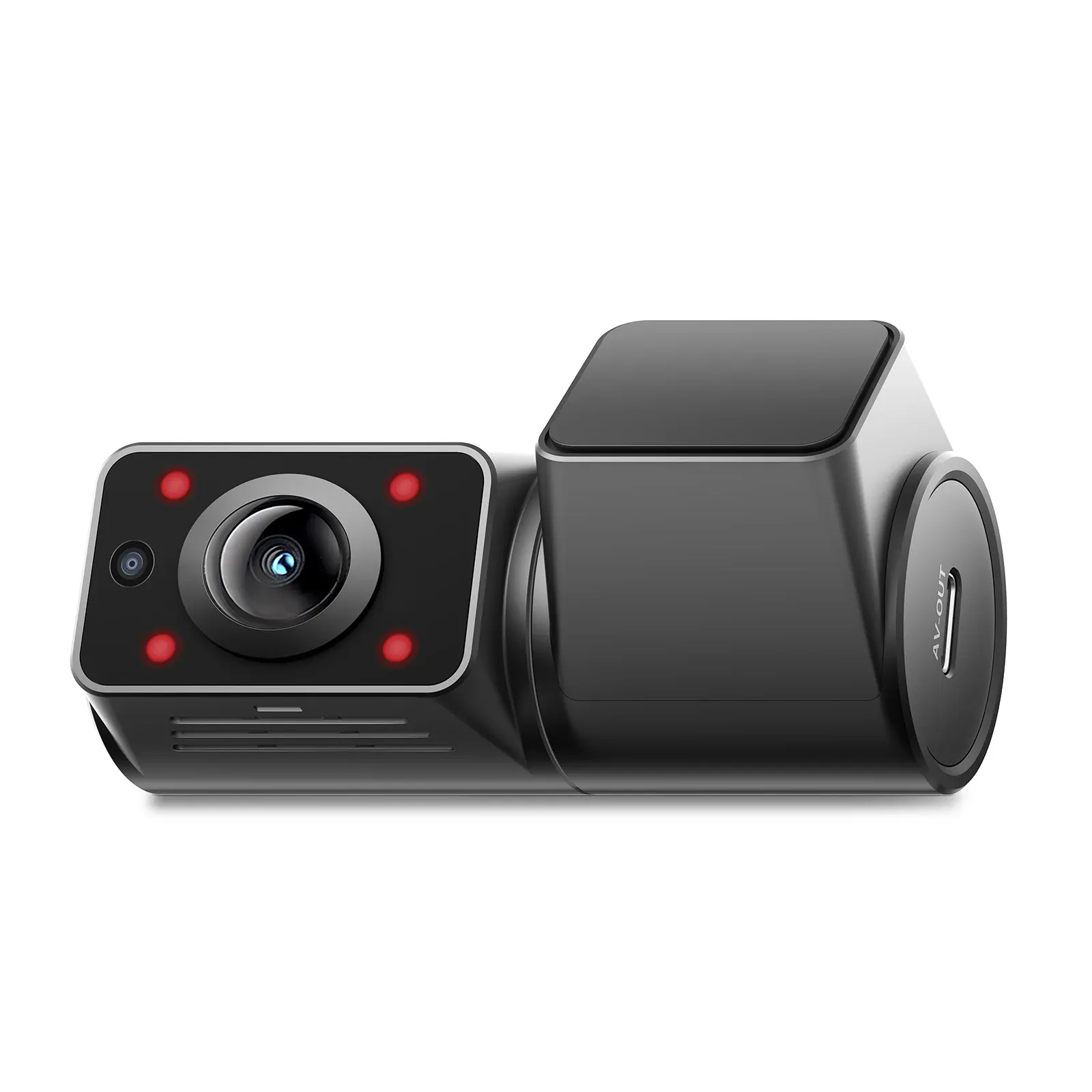



Four angles in one drive: why this setup matters
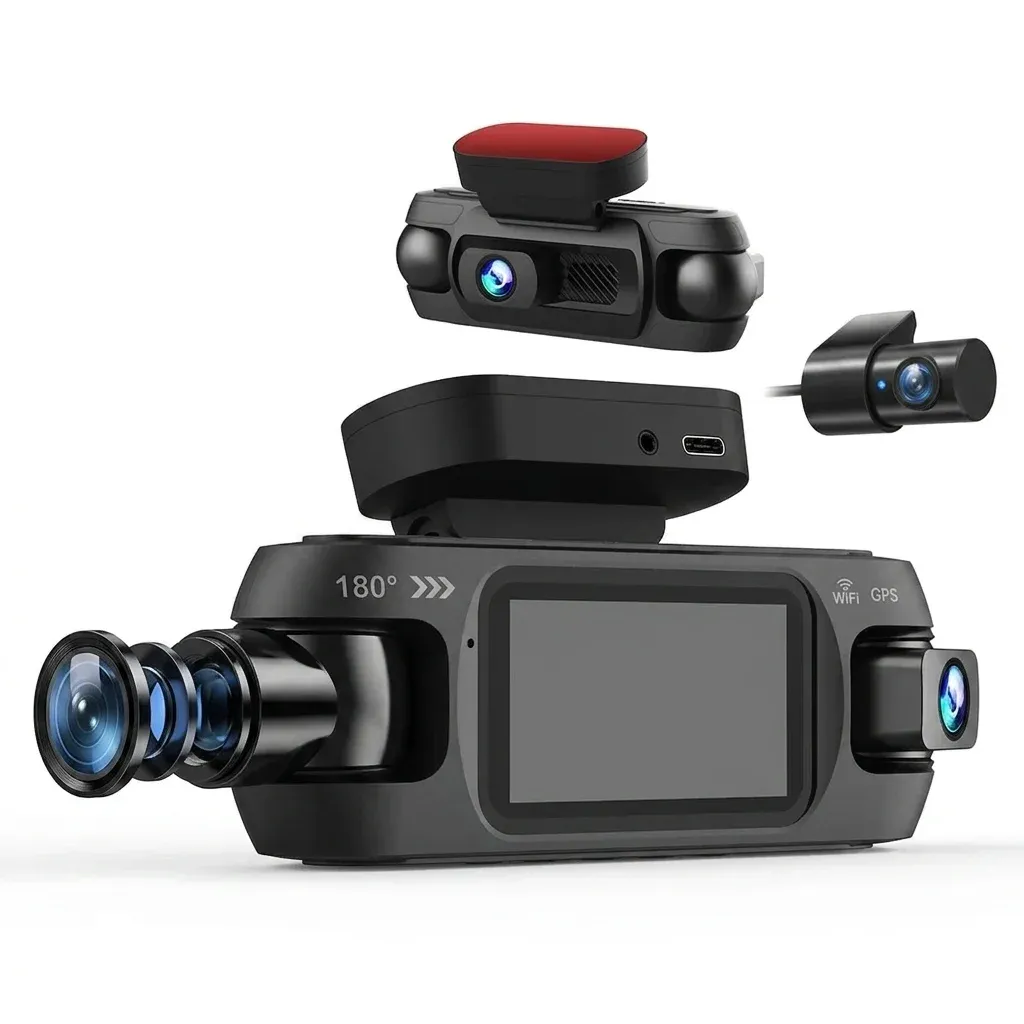
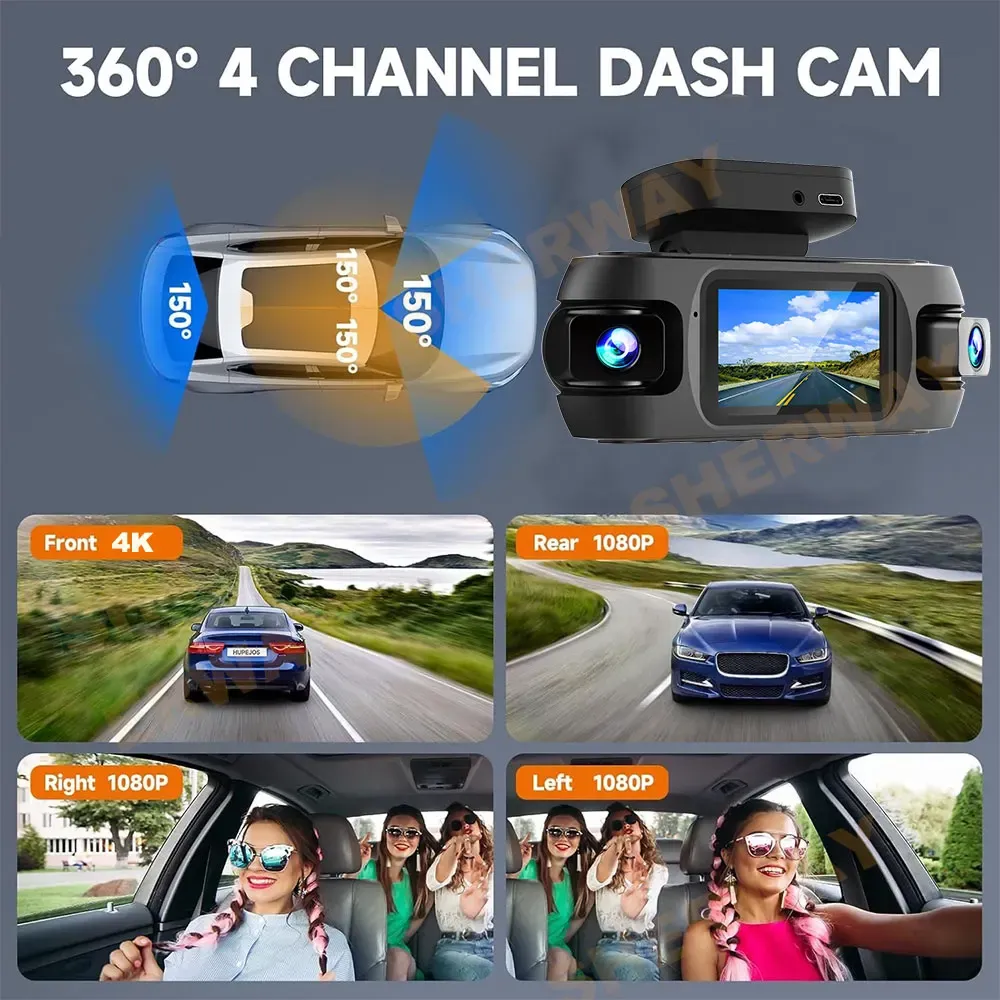
This dash cam solves a common problem in urban driving: one front lens rarely captures the whole story. With four lenses covering front, rear, left, and right, it gives a far broader record of lane changes, tight parking, and side impacts.
That wider coverage is the real appeal here, not just the headline 4K wording. Users report that the panoramic view makes the system feel more secure in traffic and easier to trust when the car is parked, so the next question is how well the image holds up in real use.
4K plus 4x1080p: what the recording format means on the road
The spec mix suggests a main high-resolution feed paired with three 1080p channels, which is a practical balance for evidence capture. The camera uses H.265 compression, so files stay more manageable than older formats while preserving more detail in motion.
In daylight, this kind of setup is aimed at license plates, vehicle positions, and side movement rather than cinematic footage. That matters because dash cams are judged by clarity under pressure, and the next factor is how it behaves after dark.
Night vision and WDR for low-light commutes
The built-in night vision, WDR, and GC4653 sensor are the features that should help in tunnels, unlit streets, and early-morning starts. According to customers, the image remains clear enough to read plates and monitor surrounding cars without the washed-out glare that cheaper units often produce.
That said, night performance on multi-lens cameras depends heavily on installation angle and windshield reflections. If you drive often after dark, the next feature worth paying attention to is parking surveillance.
24-hour parking monitor and G-sensor protection
The parking monitor and G-sensor make this model more useful than a basic travel recorder. When the car is stationary, buffered recording can capture bumps or suspicious movement, which is especially valuable in crowded car parks and on-street parking.
The anti-surge voltage protection is another practical detail for hardwired setups, since it helps the system cope with electrical noise in the vehicle. That leads naturally to the question of how easy the unit is to live with every day.
Wi‑Fi, GPS, and the built-in screen
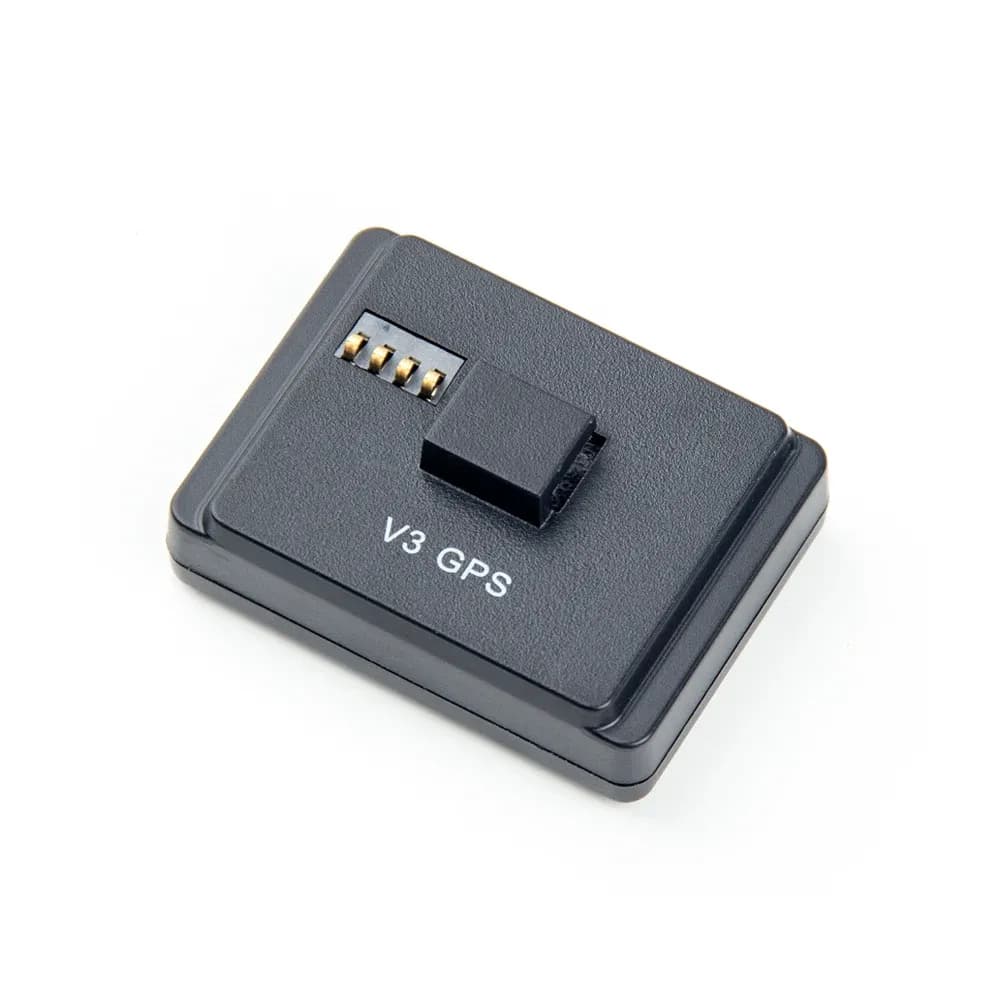
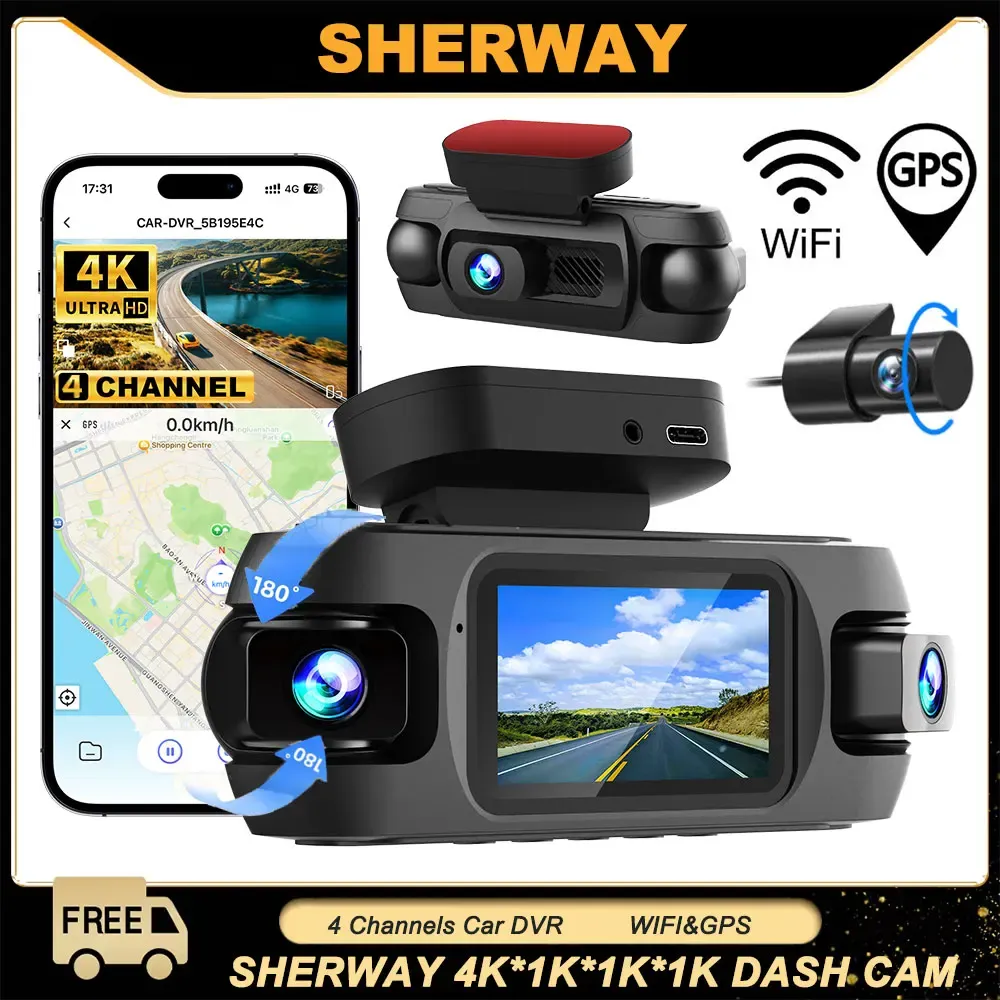
Wi‑Fi means clips can be checked on a phone without removing the card every time, and GPS adds route and speed context to a recording. The 3-to-5-inch IPS touchscreen should make menu navigation easier than tiny button-only dash cams, especially when adjusting lens views or playback.
For drivers who want quick access rather than desktop-style file handling, this is a sensible layout. Real-world feedback points to simple setup and smooth app use, which is useful because the next concern is installation and storage.
Installation, storage, and who it suits best
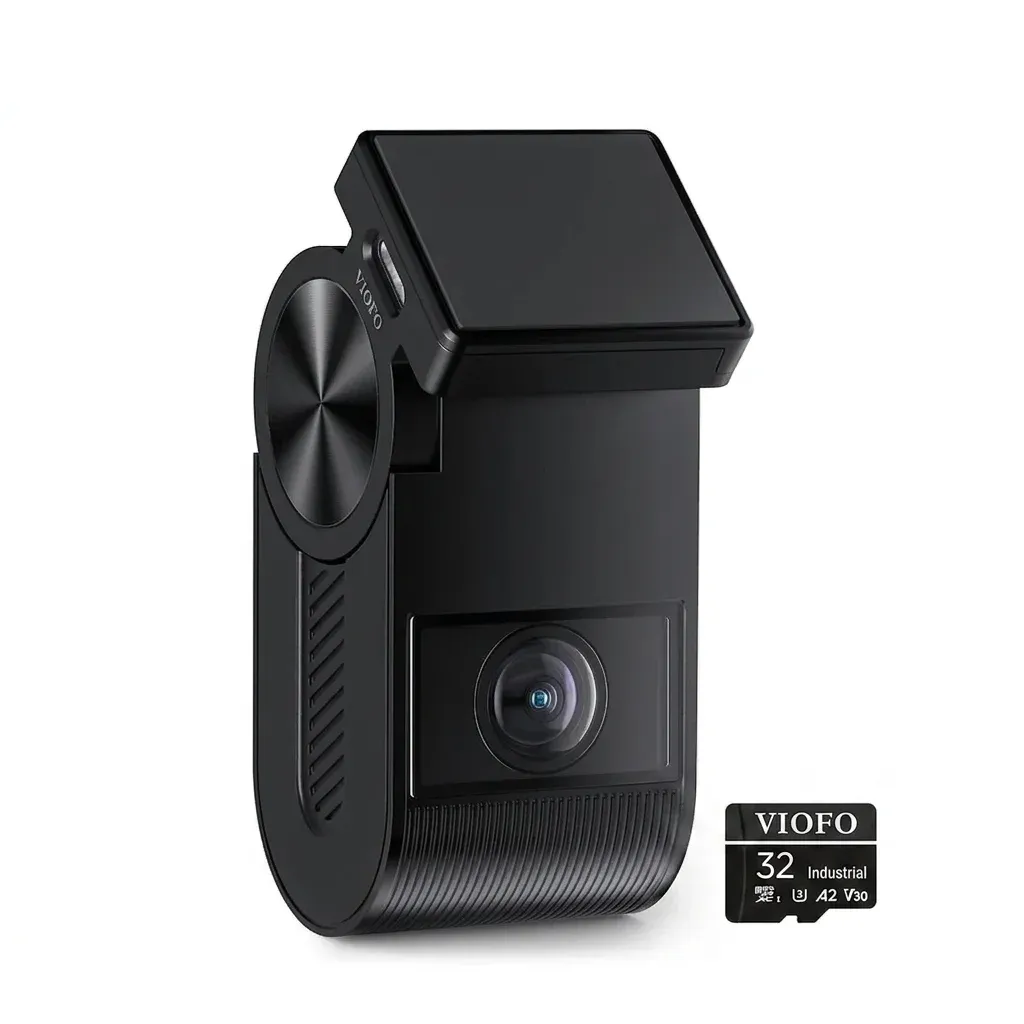
The ACC hardwire kit included by default is a sign that Sherway expects this camera to be used as a proper parked-car monitor, not just a plug-in recorder. It supports up to 128GB Class 10 microSD cards, so users who drive long shifts or commute daily should have enough space for loop recording.
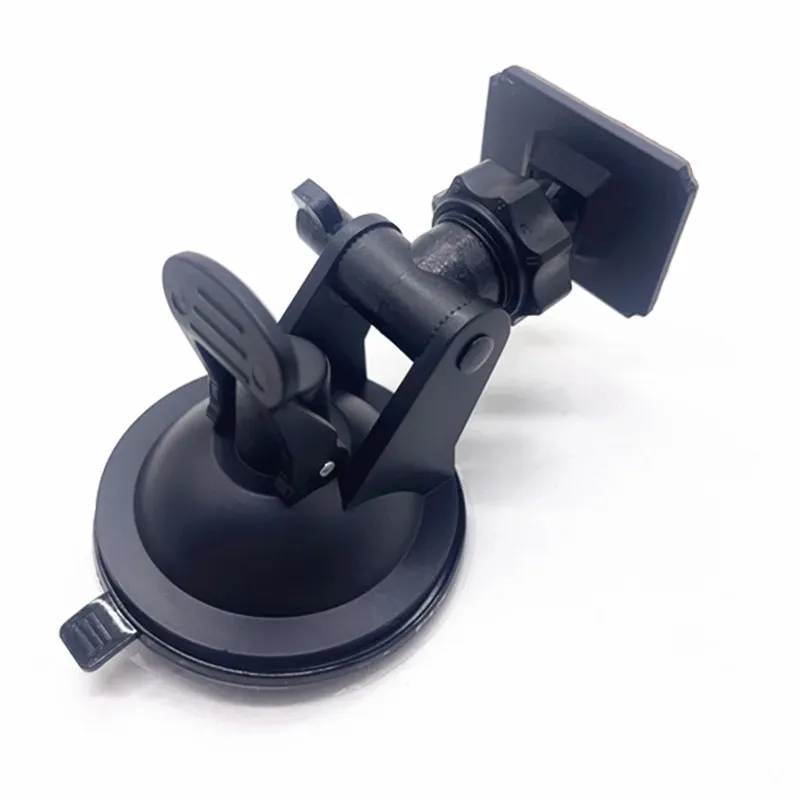
At £78.18 on AliExpress UK, it sits in the value-focused end of the multi-channel dash cam market, where feature count matters as much as polish. The strongest fit is for drivers who want all-round coverage, while the main trade-off is that four-camera systems take more effort to position neatly, so the mounting plan matters from day one.