








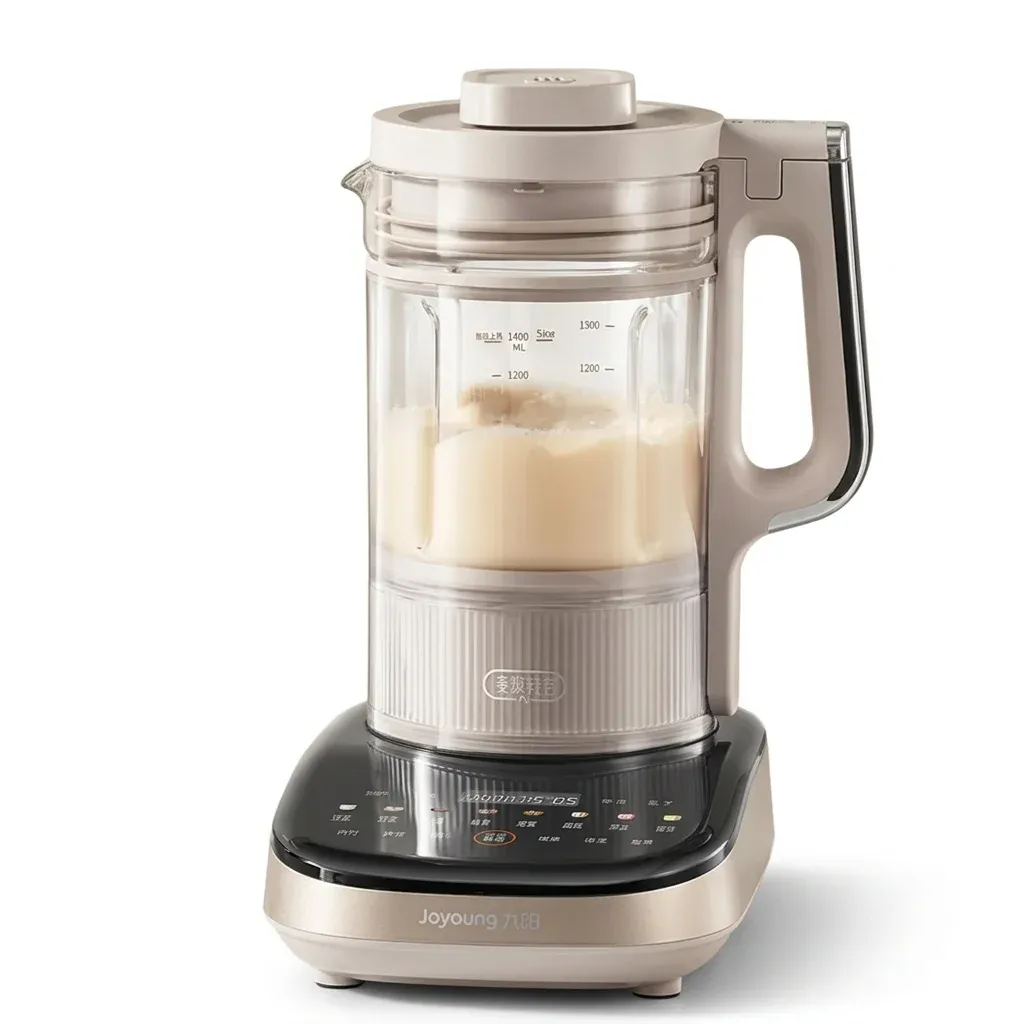
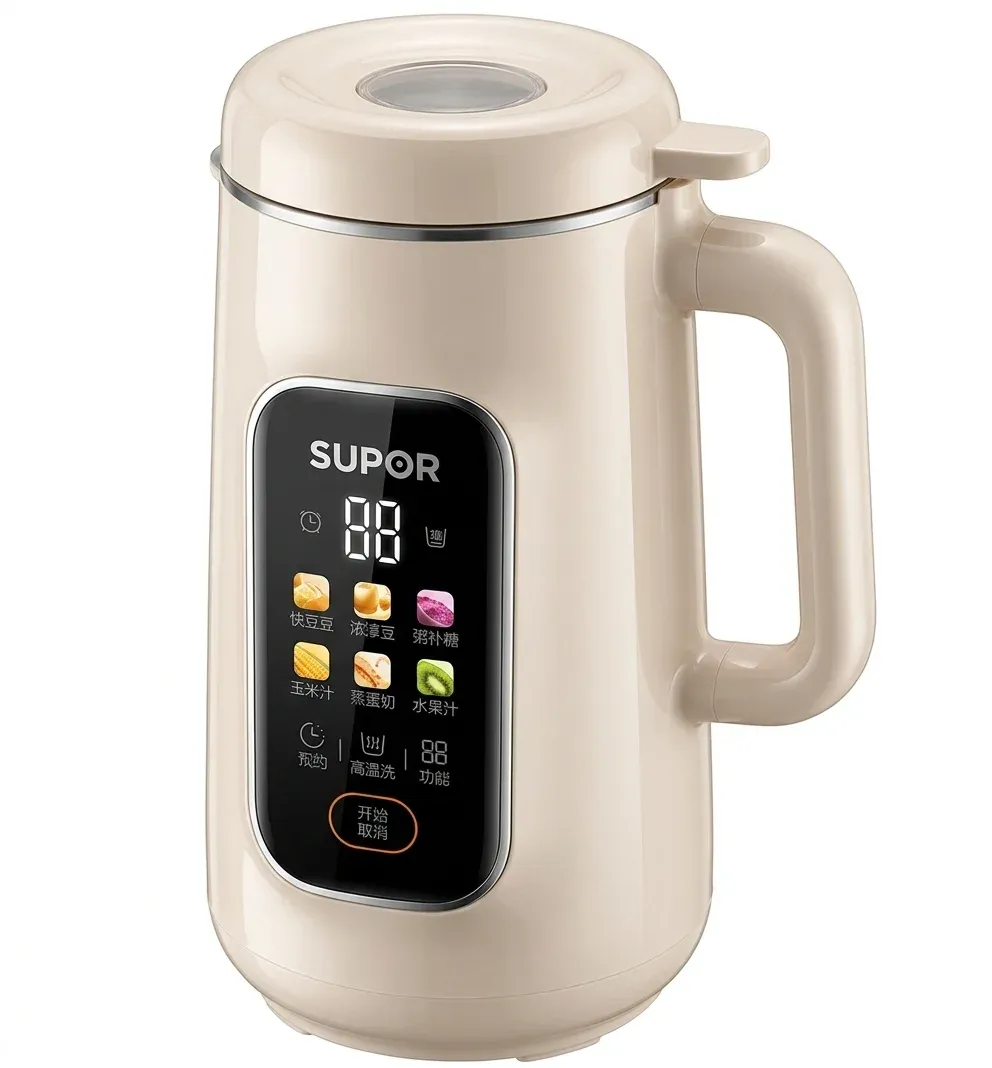

Compact blending for households that want less cleanup
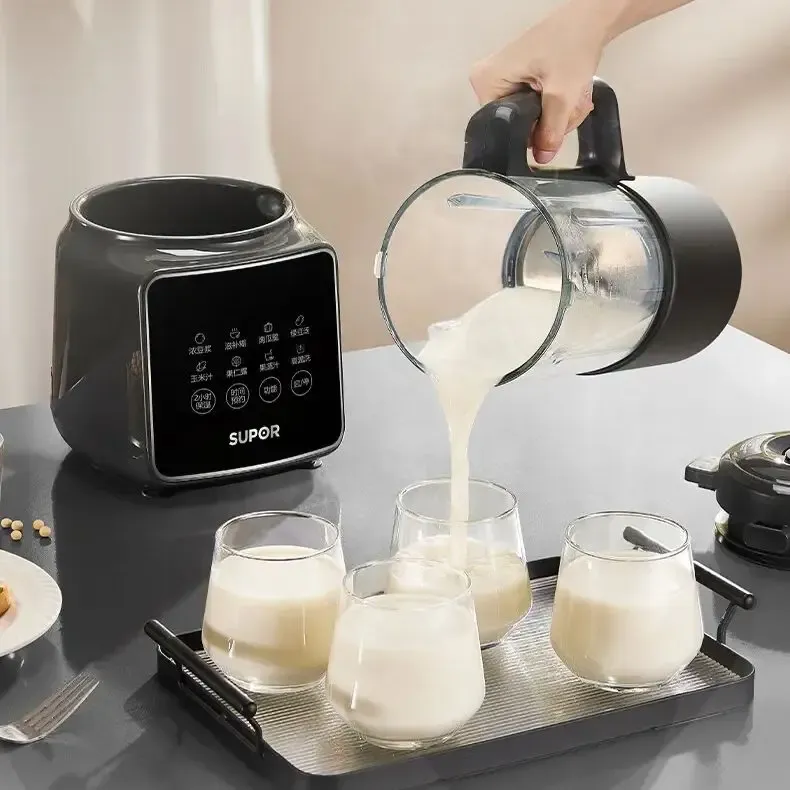
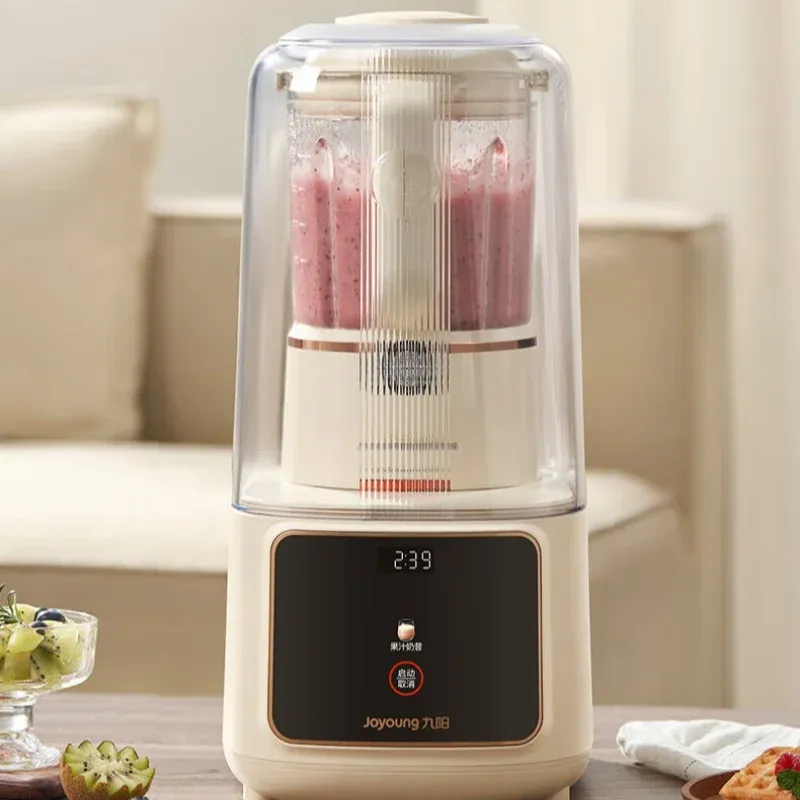
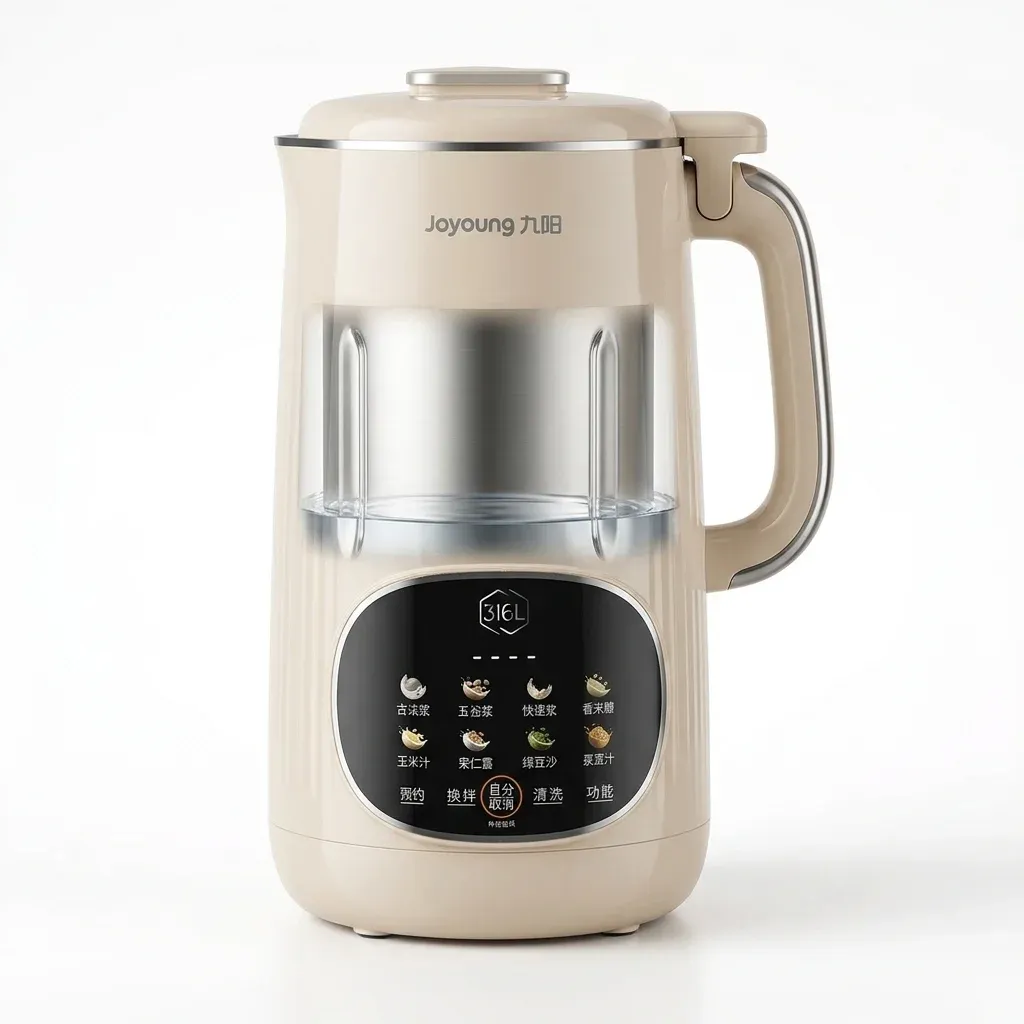
This SUPOR 1.2L machine solves a familiar kitchen problem: making fresh soy milk or blended soups without a separate strainer, extra jug, or noisy early-morning routine. Its filter-free design is the main convenience here, because it reduces the steps between ingredients and a ready-to-serve drink.
As a product from SUPOR, a brand that is widely recognised in the AliExpress UK kitchen category for practical small-appliance engineering, it aims for everyday reliability rather than flashy extras. That makes it more interesting than generic blenders that look similar but usually lack timed operation or a purpose-built hot blending workflow, so what does that mean in daily use?
1.2L capacity: what 3-4 people actually get
The 1.2L jug is best understood as a family breakfast size, not a party pitcher. It should comfortably cover two large mugs or three to four smaller servings, which is enough for a household that wants fresh soy milk, oat-style drinks, or a light soup batch in one run.
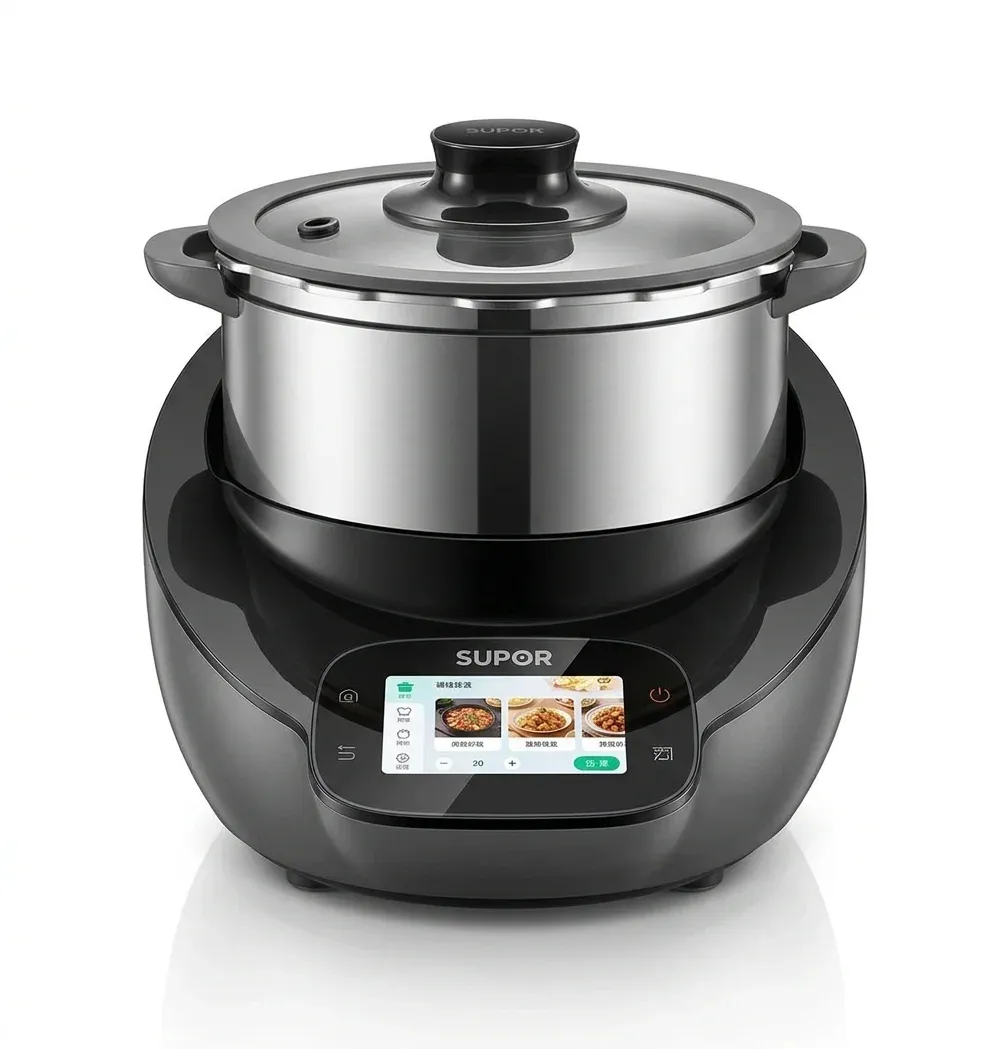
That capacity also keeps the footprint sensible on a kitchen counter, especially compared with larger multi-function cookers that eat up storage space. If your routine is more about daily convenience than bulk prep, this size makes a lot of sense, but the heating cycle matters just as much as the jug volume.
Timer control and quiet operation in real kitchens
The built-in timer is the feature that turns this from a basic blender into a more manageable morning appliance. You can prepare ingredients, set the cycle, and move on to other tasks instead of standing nearby waiting for the blend to finish.

Quiet operation is harder to measure from a listing alone, yet it usually means less vibration and a softer motor note than older high-speed units. Users tend to notice this most in open-plan homes, where a loud blender can wake the whole kitchen zone, so the question becomes whether the no-filter design changes texture enough to matter.
No-filter blending: smoother workflow, different texture expectations
The no-filter approach is useful because it removes a separate straining step and cuts down on washing up. For soy milk and grain-based drinks, that is a practical gain if you value speed and convenience over absolute control of pulp removal.
Compared with traditional soy milk makers that rely on a filter basket, this style usually gives a slightly fuller, more rustic result. That is not a flaw for everyone, but buyers who want a very silky finish should pay attention to how the machine handles fine particles before making it their daily appliance.
220V mainland build: where it fits best
This model runs on 220V, so it is suited to standard UK-style household power without extra conversion hardware. The product is listed as originating from Mainland China, which is common in the small-appliance segment and often means a strong feature set at a focused form factor.

The absence of high-concern chemicals in the listing is reassuring for a food-contact appliance, especially when the machine is meant for regular hot blending. For a more complete picture, it helps to look at what it does well and where the trade-offs appear in daily use.
What stands out in use
- Timer-based operation reduces hands-on monitoring during busy mornings.
- Filter-free design saves time during both prep and cleaning.
- 1.2L size suits small families and shared households.
- Quiet running is better suited to open kitchens than older loud blenders.
- Useful for soy milk, soups, and grain drinks rather than only cold smoothies.
Where careful buyers should pause
- The no-filter system may leave a more textured drink than filtered machines.
- 220V compatibility is important, so it is not a universal travel appliance.
- The listing does not specify blade speed, heating power, or self-cleaning mode.
For shoppers comparing it with simpler countertop blenders, the appeal is clear: this model is built around warm, blended drinks rather than one-off smoothie duty. The remaining question is whether the feature set matches the way you actually cook, and that is where the practical details matter most.