








Why this mirror dash cam makes sense in a busy car
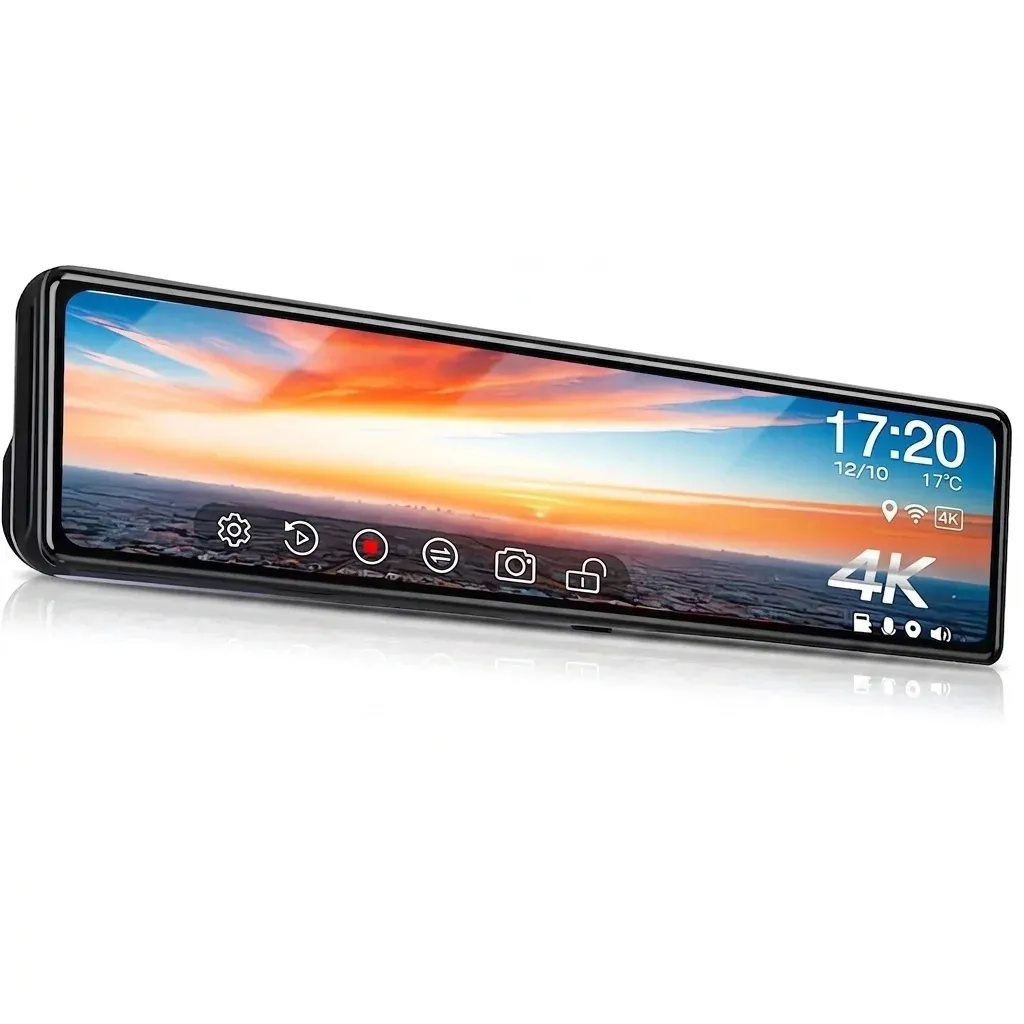
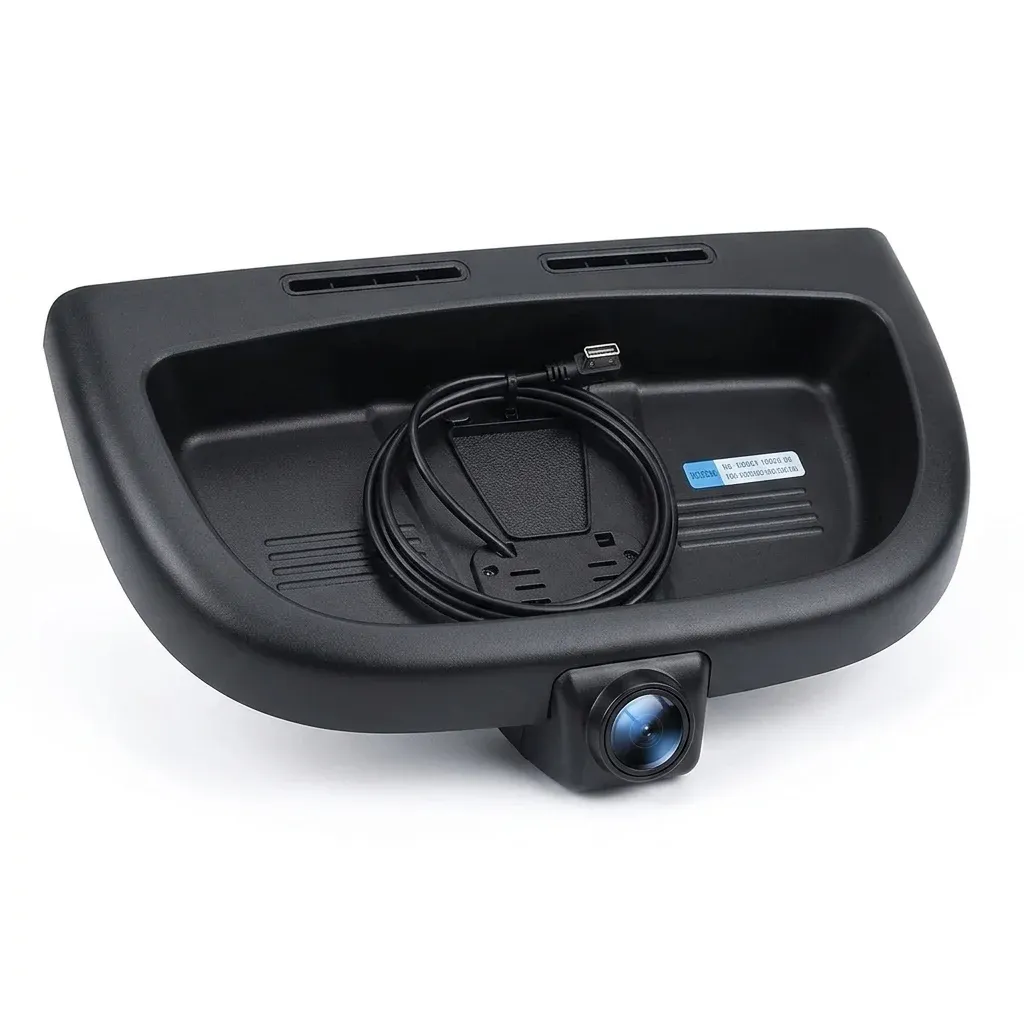
This unit solves a common problem: a standard dash cam records the road, but it does not improve the view you use every day. By replacing the mirror surface with an IPS display, it gives you recording, live monitoring, and a clearer rearward image in one place.
The 11.26-inch format is large enough to feel like a proper in-car screen without turning the cabin into a tech showroom. For drivers who want a cleaner windscreen and fewer dangling cables, that hidden-installation approach is the real attraction, so how well does it hold up in practice?
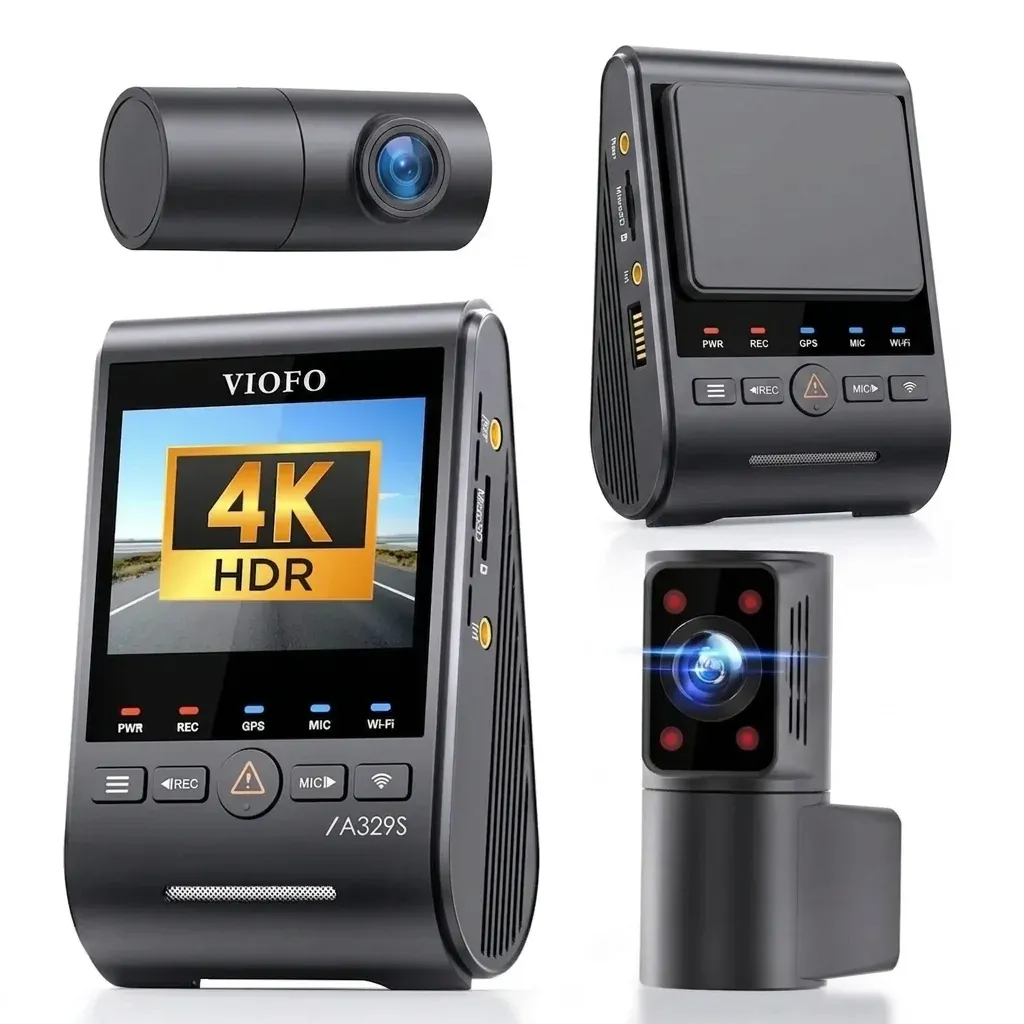
4K front capture and a rear camera that matters
The headline spec is 3840x2160 recording from the front camera, backed by a Sony IMX415 sensor and H.265 compression. In plain terms, that means sharper number plates, cleaner edges, and less storage waste than older file formats, which is useful when traffic gets dense or light drops.
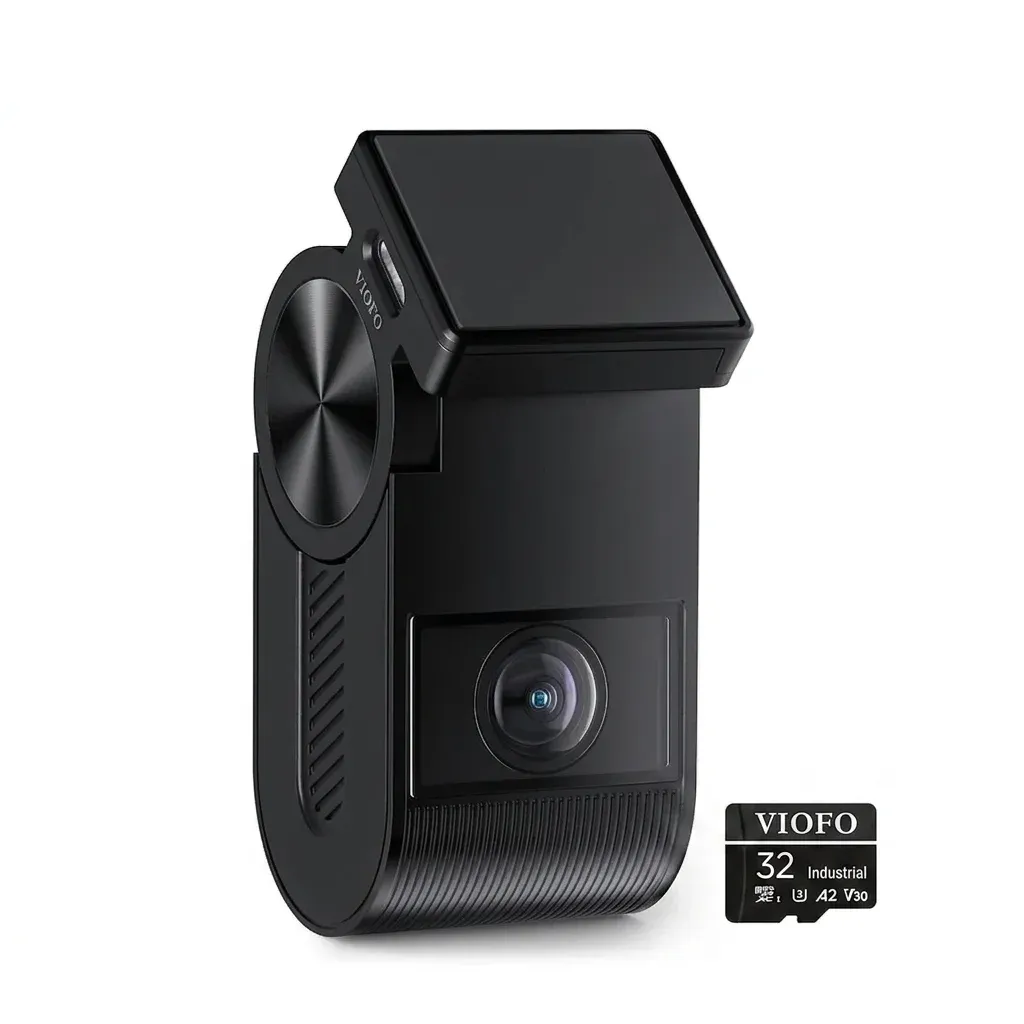
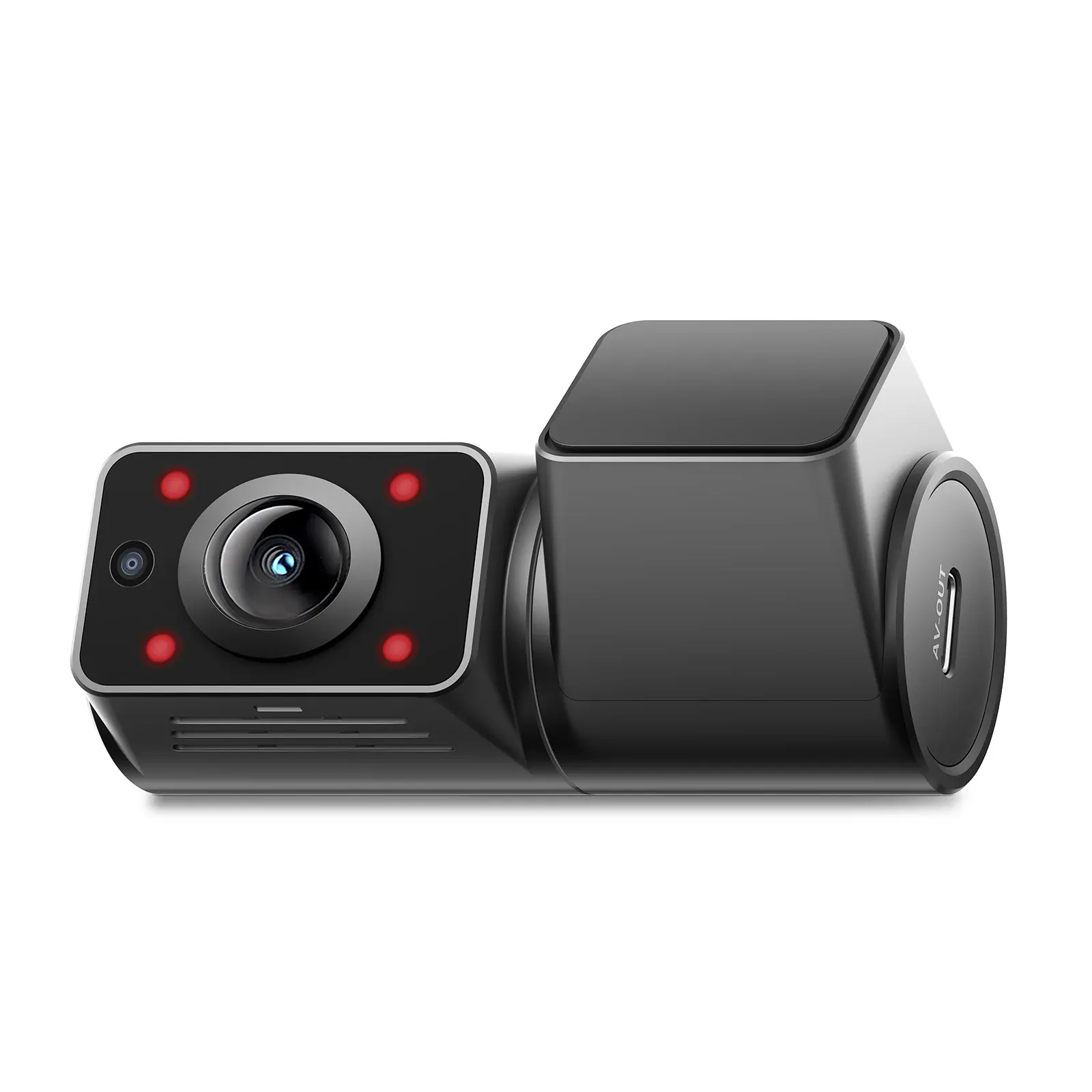
The rear camera is not just an afterthought here, because users mention that the back image is strong enough to help with reversing and blind-spot awareness. That matters more than many shoppers expect, since a mirror dash cam only earns its space if the rear feed stays readable when the road behind gets busy.
IPS touch screen, Wi‑Fi app control, and everyday usability
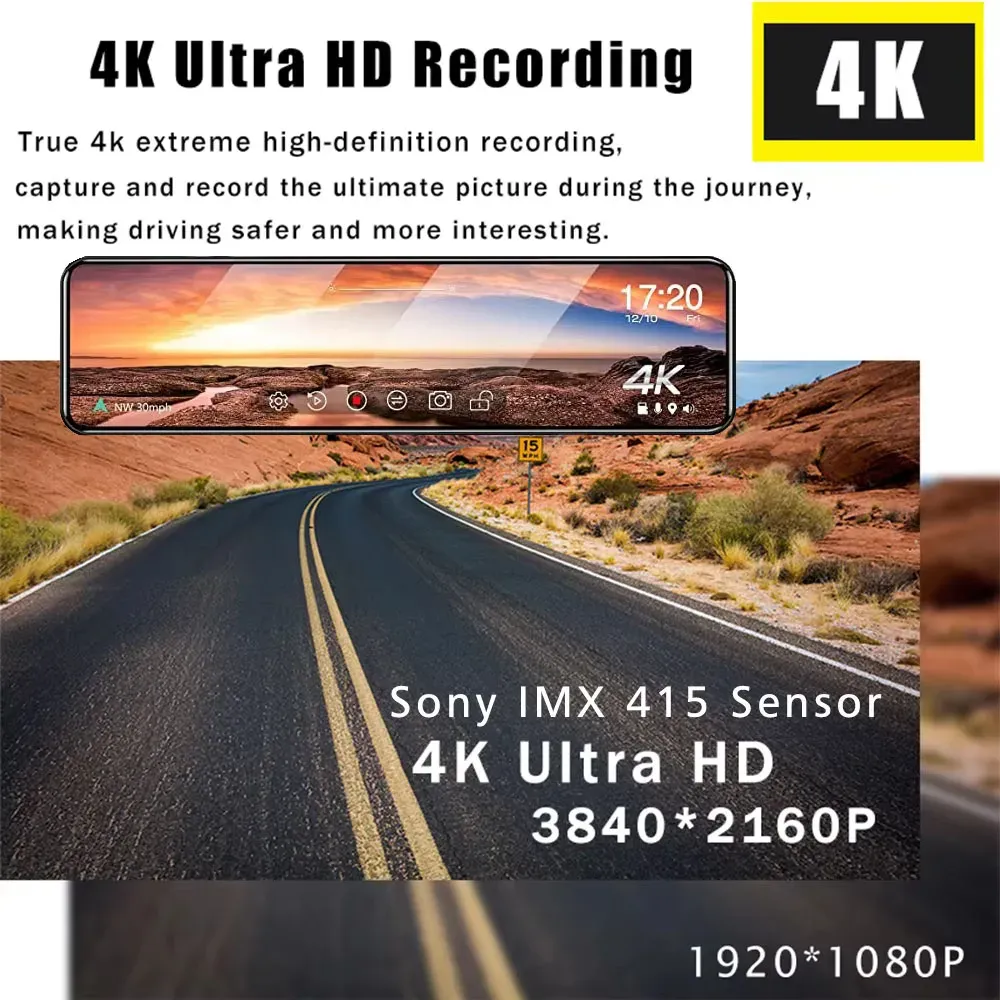
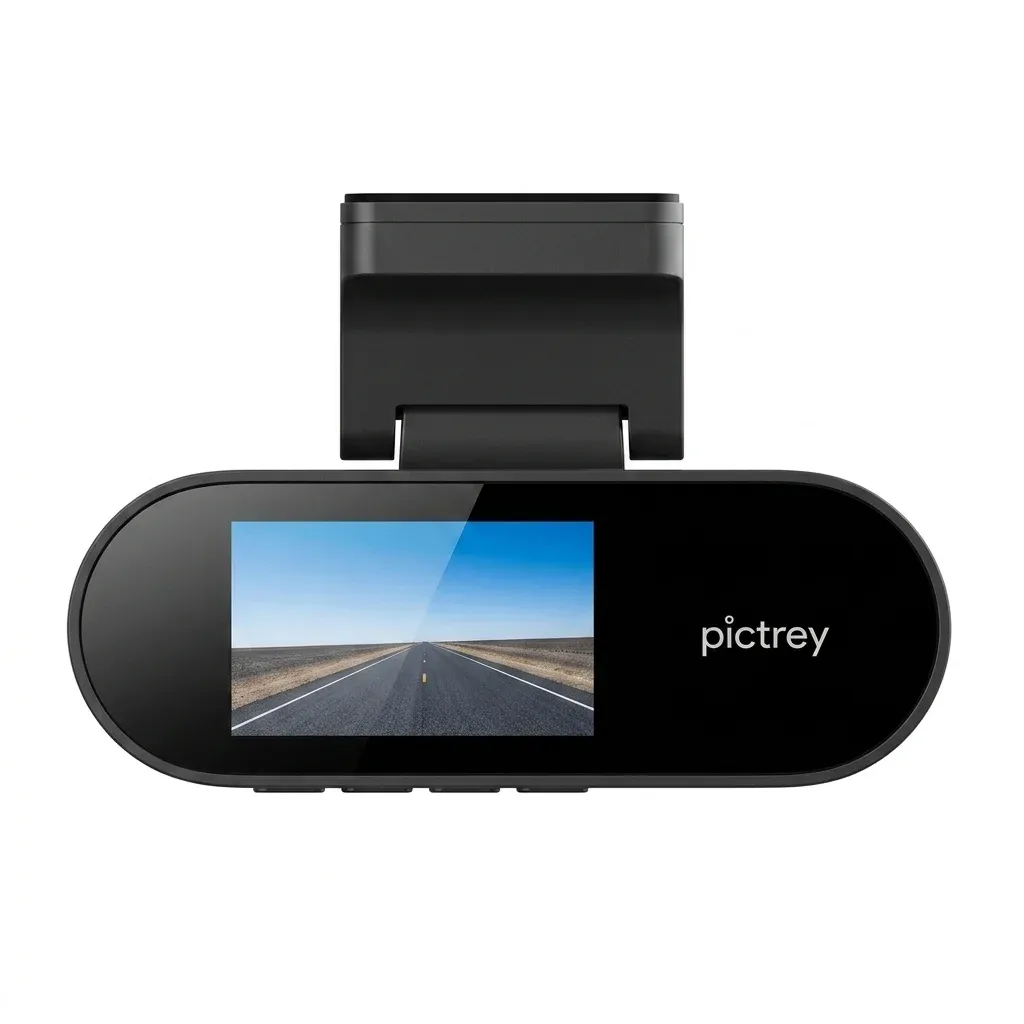
The IPS touch screen should be easier to read at different angles than cheaper TN panels, especially when the cabin light changes between morning glare and evening shade. The display rotate feature also helps if your mirror position or seating angle makes the default layout awkward.
Wi‑Fi support through the Viidure app is one of the most practical parts of the package, because it lets you review clips on your phone without pulling the card every time. Real user feedback points to easy syncing and convenient settings changes in the app, which is exactly what you want from a dash cam that records often but should stay simple to manage.
GPS, parking monitor, and the features that protect a parked car
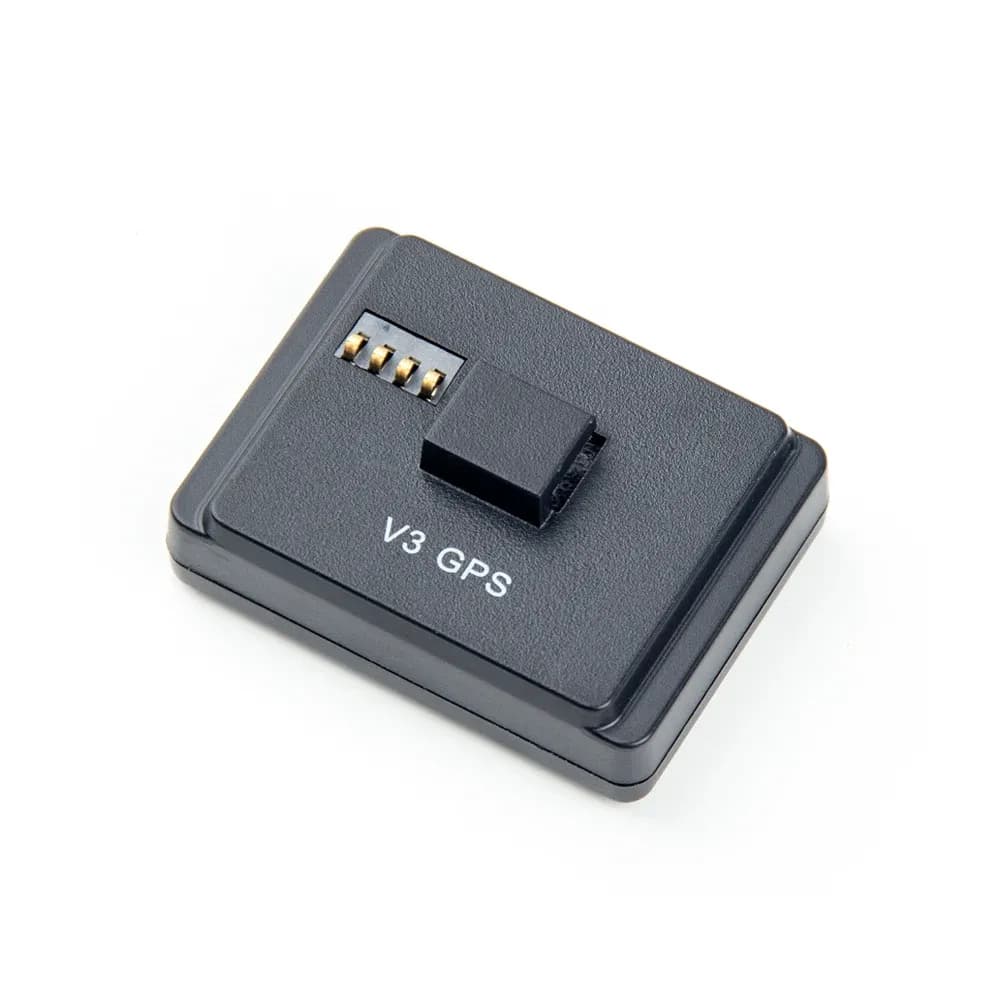
External GPS logging adds speed and coordinate data to recordings, which is helpful when you need context rather than just video. The parking monitor and G-sensor work together to capture impacts while the car is unattended, so the camera is doing more than just recording your commute.
There is also anti-vibration, anti-fog, wide dynamic range, and night-shot support, all of which matter more on the road than they look on a spec sheet. Those features are most useful on wet nights, under tunnel exits, or on rough city streets where image stability and exposure control can separate a usable clip from a blurred one.
Installation depth and the trade-off behind the long cable
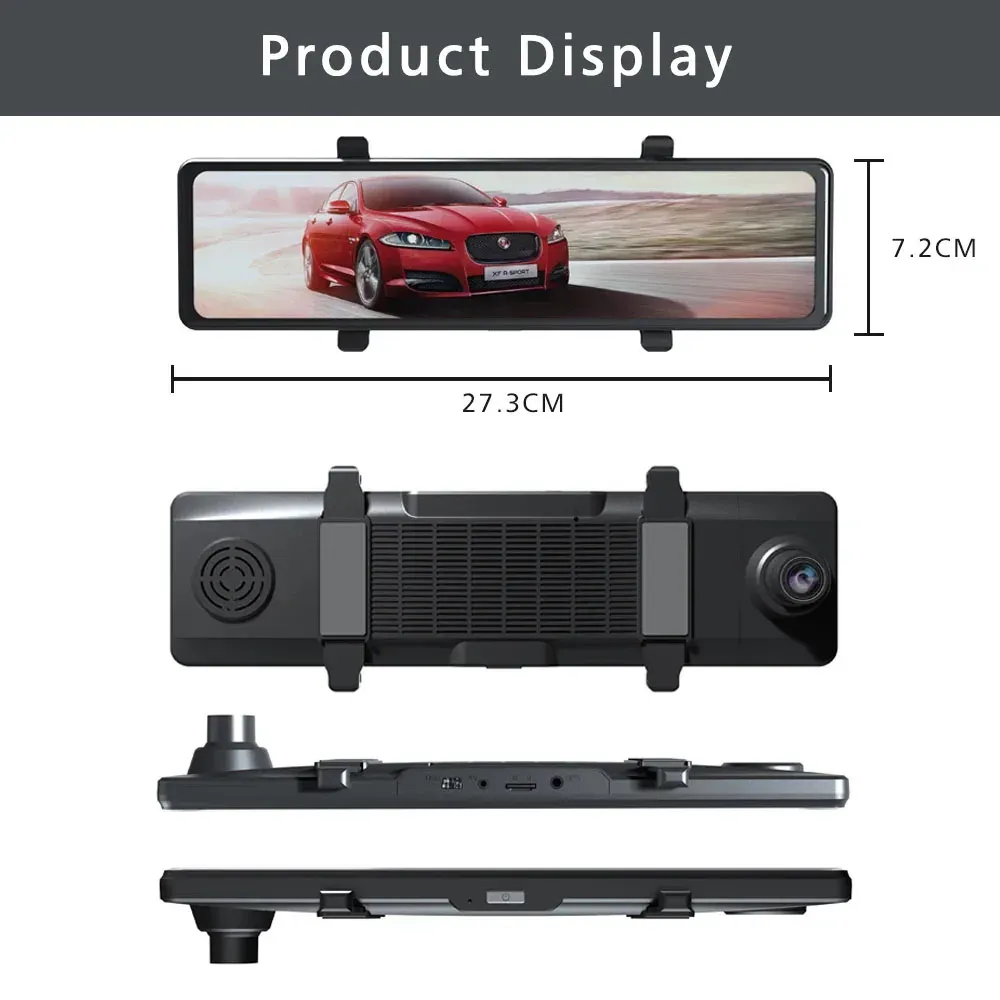
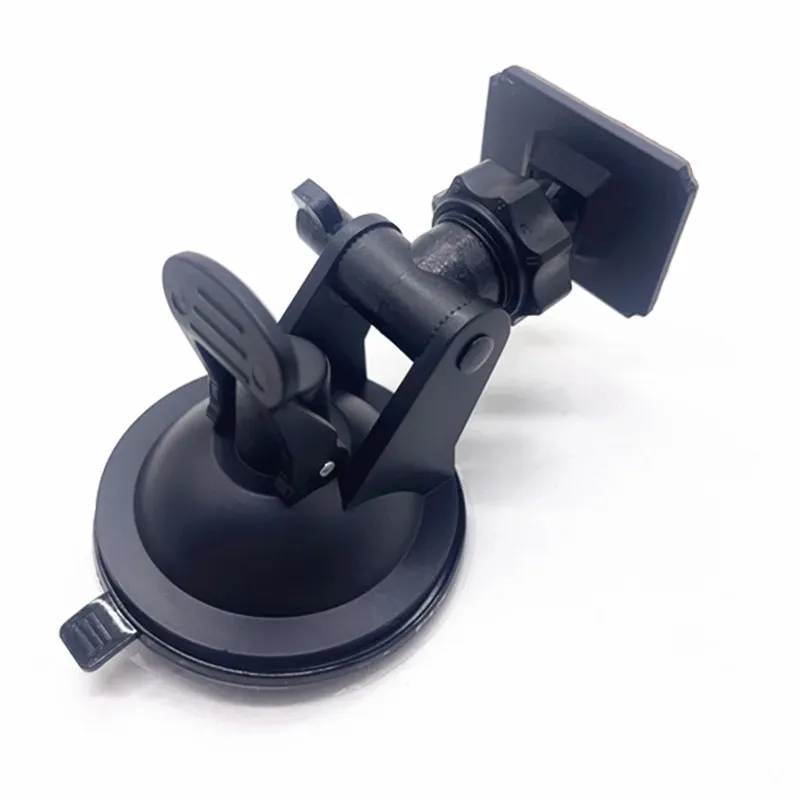
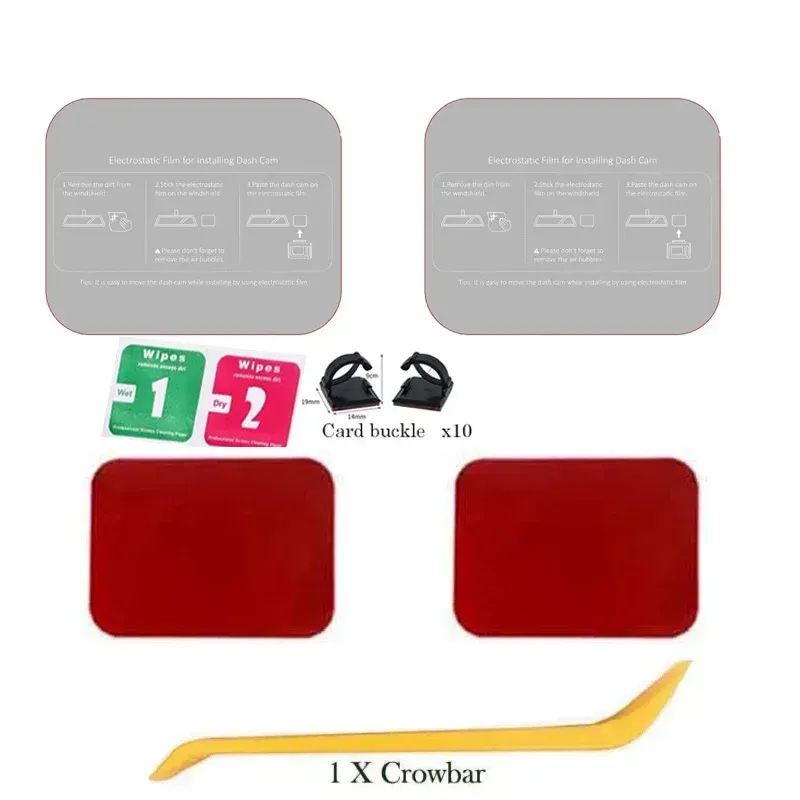
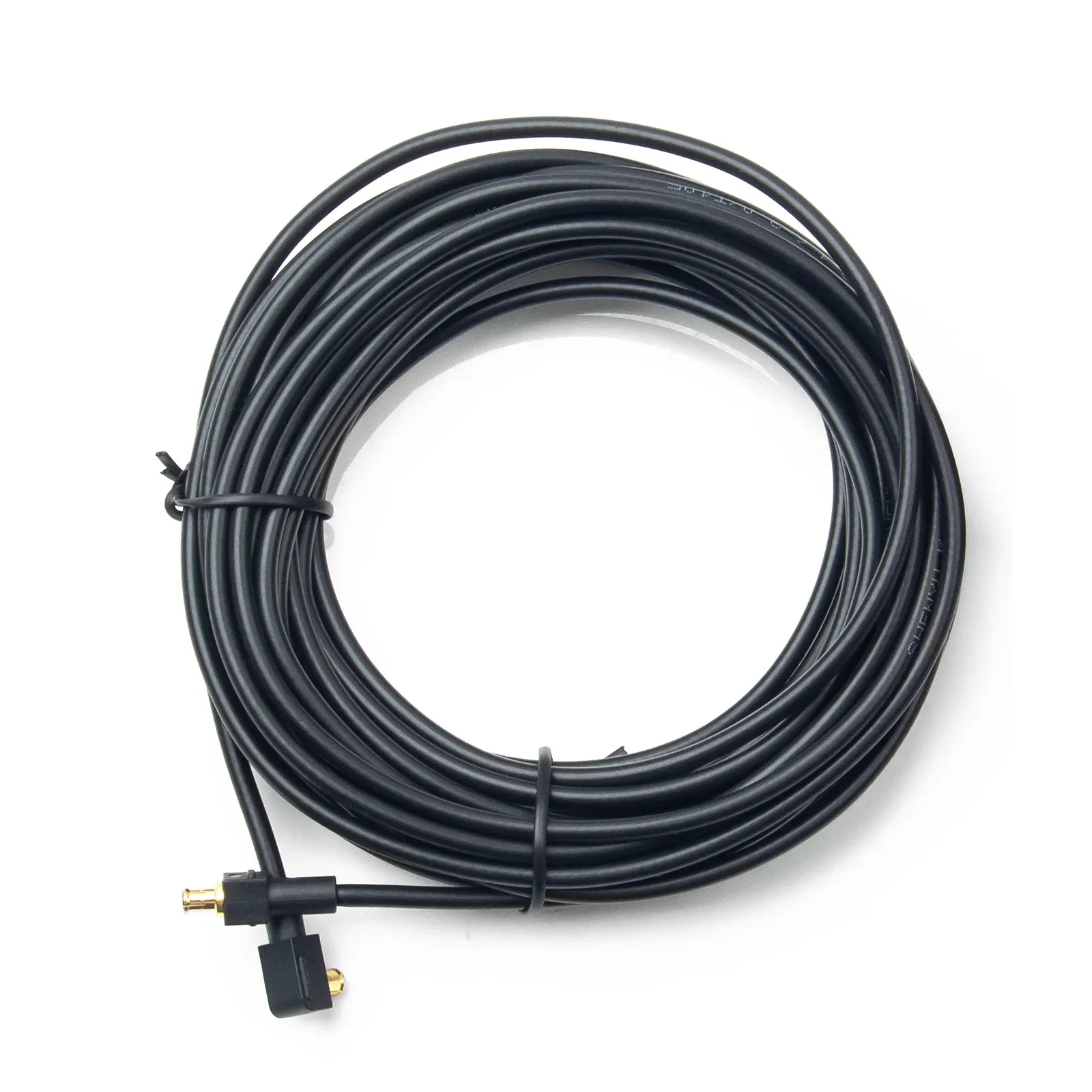
The included 6m or 10m cable length suggests this kit is designed for real vehicle routing rather than quick desk-style setup. That gives you enough reach for larger saloons and SUVs, and users note that the wiring can be hidden neatly when the installation is done carefully.
The trade-off is that this is a corded system with a built-in battery, so it is more installation-dependent than a simple plug-in camera. It is best suited to drivers who want a semi-permanent solution and are comfortable using a proper Class 10 or U3 card up to 256GB, which leads to the one detail many first-time owners miss.
Storage, file handling, and what to expect from the footage
This model uses loop recording and H.265 video coding, so it is built to keep recording without filling the card too quickly. The manufacturer also stresses first-time formatting on the device itself, which is a useful reminder because many playback complaints come from using the wrong card or skipping that step.
Based on the review pattern, customers value the clear image, easy setup, and strong rear camera performance, while one or two mention playback quirks when storage is not matched correctly. That makes the camera feel capable, but also slightly dependent on careful memory-card choice and setup discipline, which is where the real ownership experience begins.