








Why VIOFO has earned trust among dash cam buyers
VIOFO has built a strong reputation in the AliExpress dash cam niche by focusing on image quality, stable firmware, and hardware that keeps working in hot cabins. That practical approach matters more than flashy extras, because a dash cam only proves its worth when it records cleanly at the moment you need it.
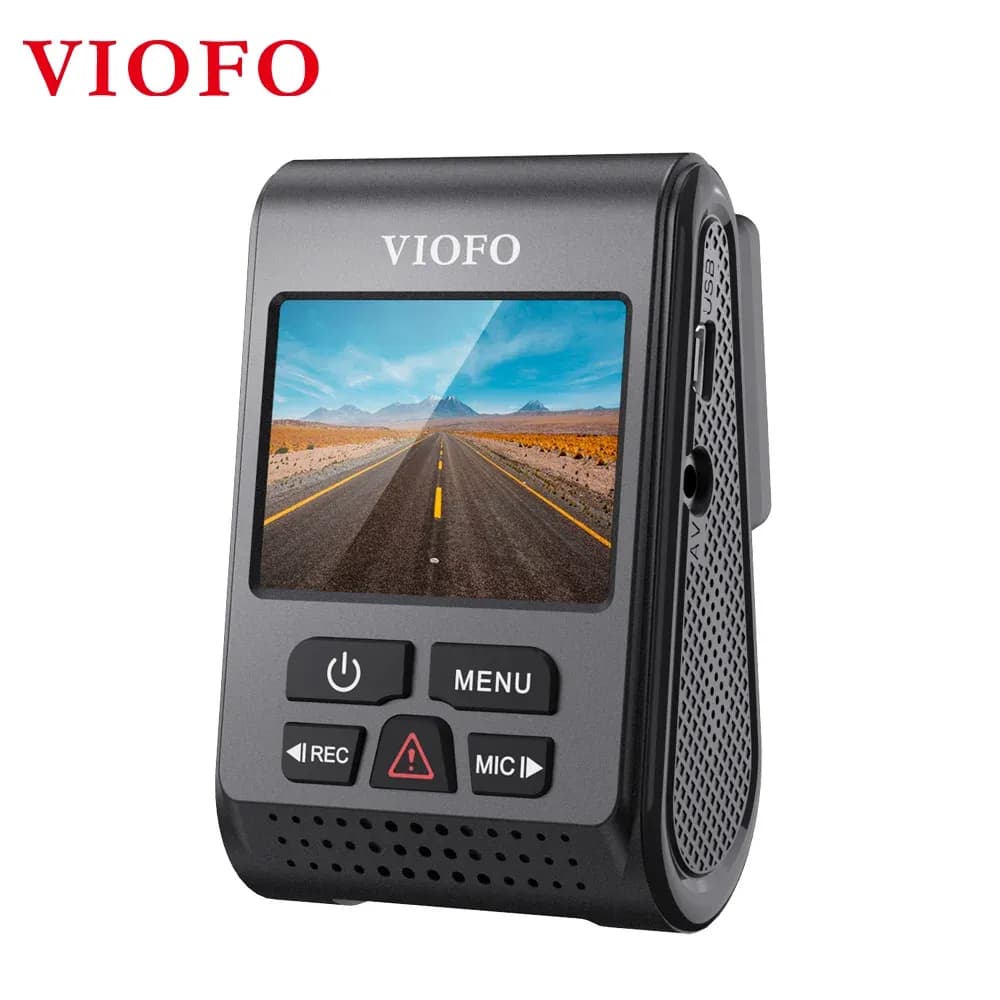
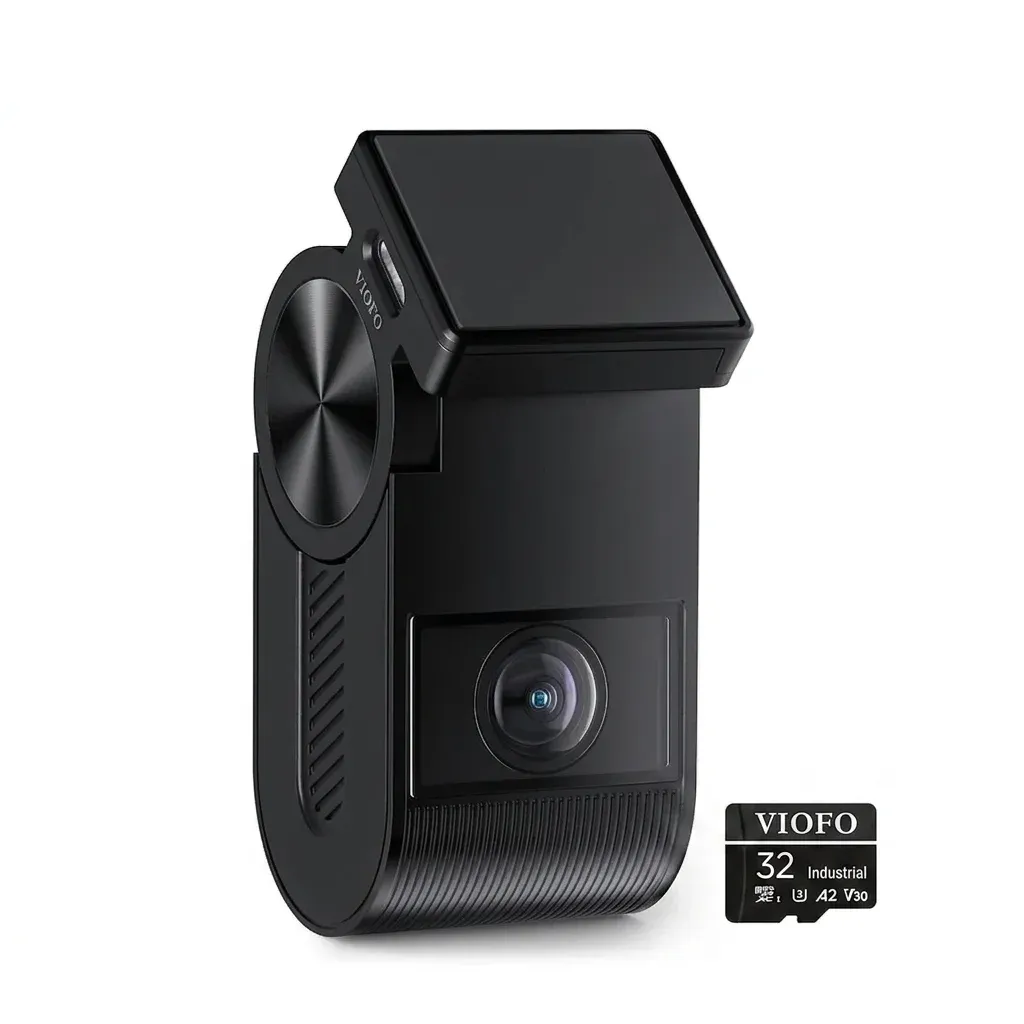
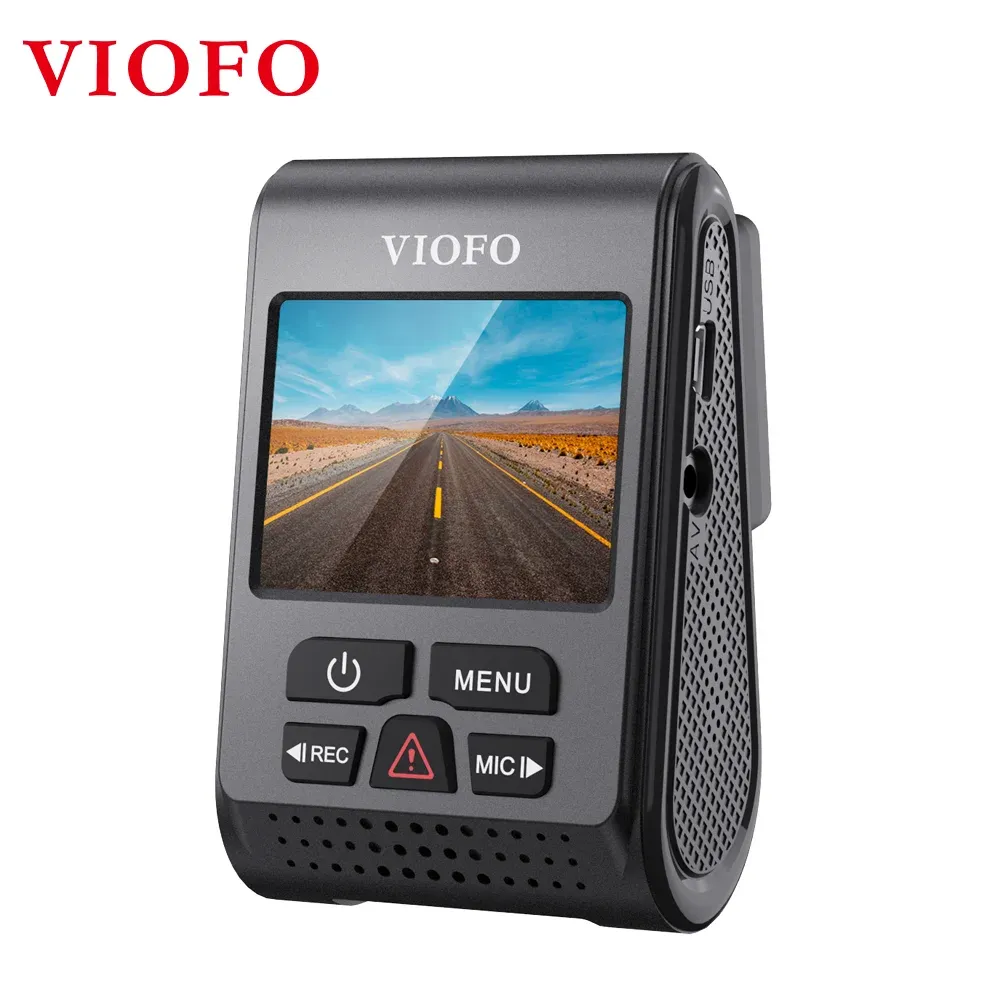
The A119 V3 follows that formula closely, with a compact hidden-type design, Sony STARVIS imaging, and a Novatek chipset that is widely used in dependable car DVRs. It is the kind of model that appeals to drivers who want evidence-first recording rather than a screen-heavy gadget, so what does that mean on the road?
2K 60fps recording: where this camera earns its keep
The headline figure is 2560 x 1600 resolution with support for 2K 60fps, and that matters because motion stays sharper when traffic is moving quickly past the lens. In practice, number plates, lane markings, and roadside signs are easier to catch than on basic 1080p units, especially during daytime commuting.
The 7G F1.6 lens and 140-degree field of view strike a useful balance between coverage and distortion. You get a broad view of the lane ahead without the exaggerated fisheye look that can make evidence harder to interpret, which is exactly what you want when an incident unfolds in seconds.
Night footage that stays readable after dark
The Sony STARVIS IMX335 sensor is the main reason this model stands out at night, and users consistently praise its low-light performance. Headlights, street lamps, and reflections are handled with more control than entry-level dash cams, so footage remains usable instead of turning into a washed-out blur.
HDR support helps the camera manage bright and dark zones in the same frame, which is useful when a car exits a tunnel, passes under street lighting, or faces oncoming beams. If your driving includes late-night roads, that extra balance can make the difference between a clip that looks dramatic and one that actually proves what happened.
Parking mode built for real-world stops
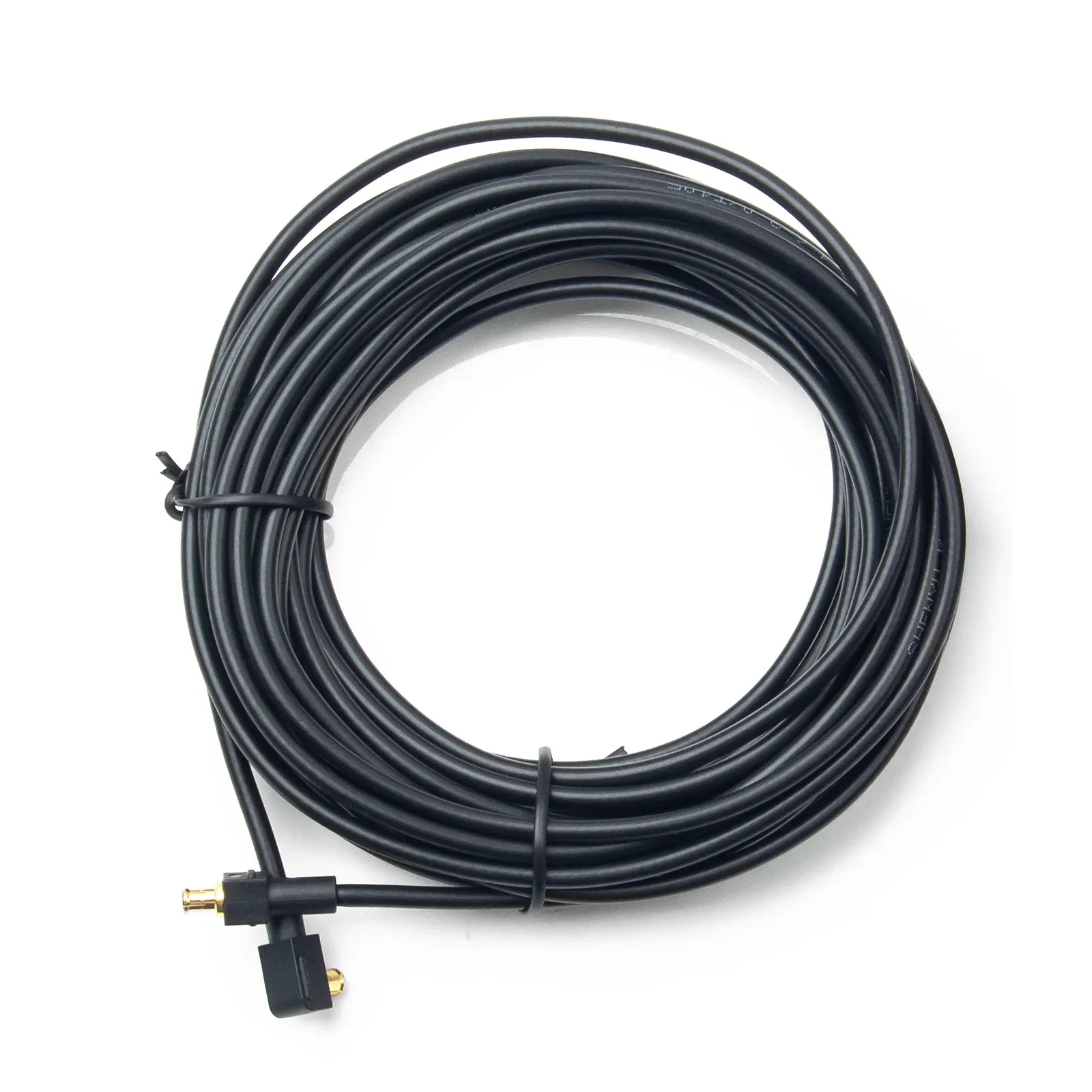
The buffered parking mode is one of the most valuable features here, because it can capture the moments before and after an event rather than only the impact itself. With the optional HK3 hardwire cable, the camera can use motion detection, low-bitrate recording, or auto event detection to protect a parked vehicle more intelligently.
That setup is especially useful in supermarket car parks, residential streets, and workplace bays where bumps and scrapes often happen without warning. The camera also uses a capacitor-style power approach rather than a lithium battery, which users often prefer for heat tolerance and long-term reliability, so how much convenience does GPS add?
Optional GPS: useful evidence, not just a spec
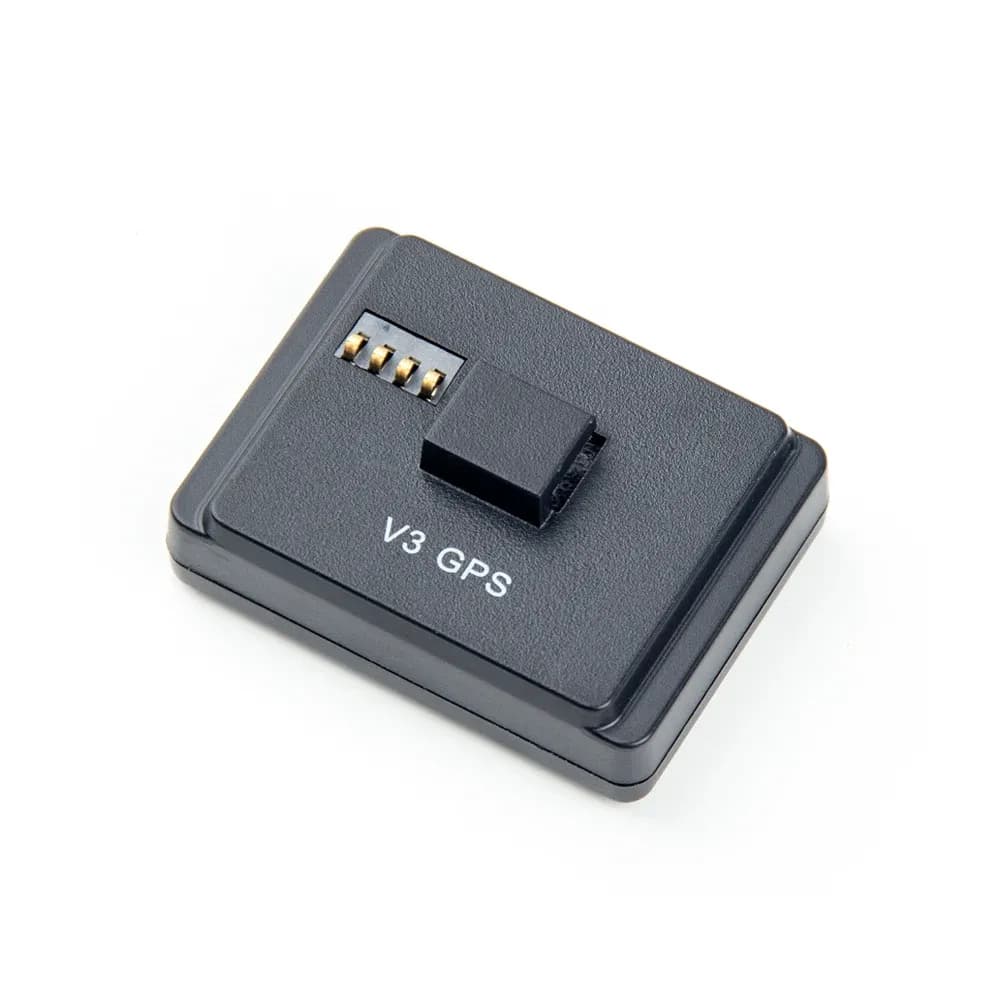
The optional GPS module adds speed, time, and route data directly into the video file, which makes playback more informative when you need context. For insurance claims or fleet-style use, that timestamped trail can help show where the car was and how fast it was moving at the moment of recording.
Because Wi-Fi is not supported, this is not the kind of dash cam aimed at quick phone transfers and app-based previews. It is better suited to drivers who are happy to review footage through a card reader or compatible player and who value recording integrity over wireless convenience.
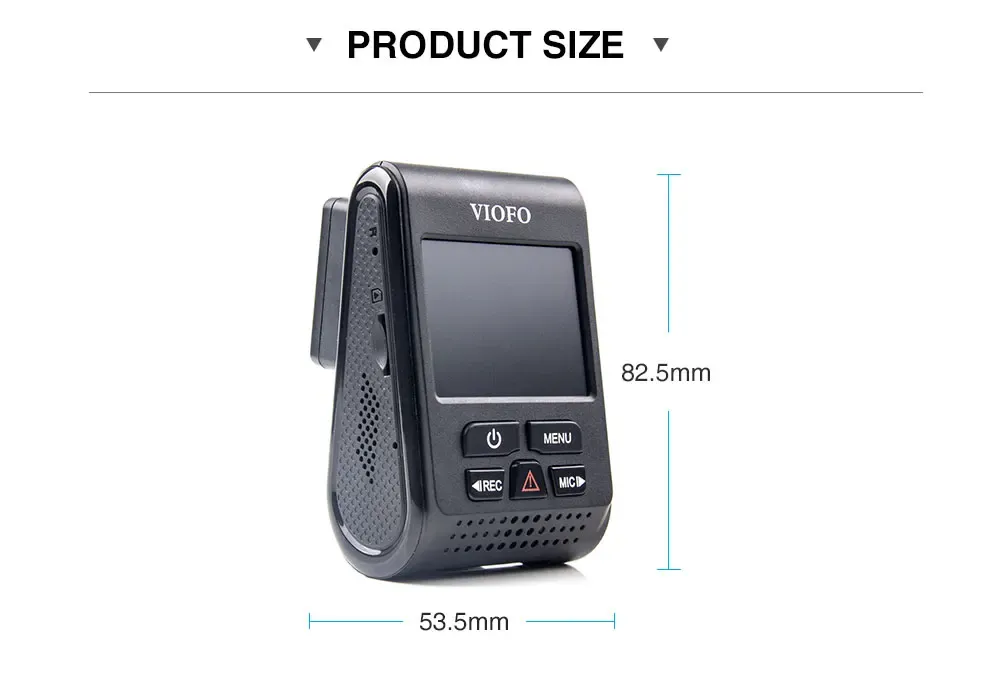
Small body, serious everyday practicality
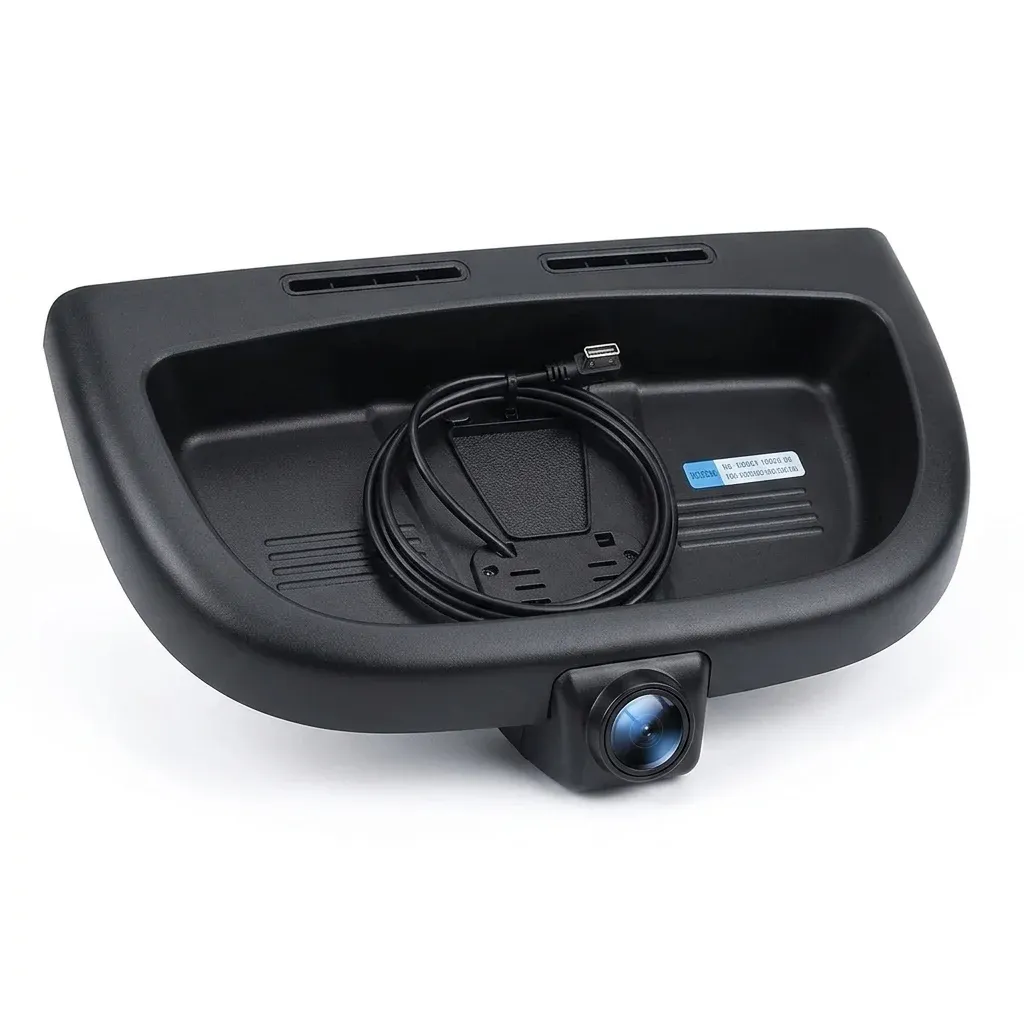
The 2.0-inch LCD is enough for setup and quick checks, while the hidden-type assembly keeps the unit discreet behind the mirror line. With loop recording, G-sensor protection, motion detection, audio recording, and support for microSD cards up to 256GB, it covers the core functions that matter most in daily use.
Real customer feedback is strongly positive, with many users highlighting clear night footage, stable operation in hot conditions, and reliable recording over long periods. That pattern matches the hardware choices here, and it helps explain why the A119 V3 still feels relevant in a crowded dash cam market.
What to expect before installation
This model is best treated as a front-camera specialist rather than an all-in-one system, since there is no rear camera included. It also needs a Class 10 microSD card and, if you want parking mode at its full potential, the optional hardwire kit should be part of the setup plan.
The result is a focused dash cam that prioritises evidence quality, heat resistance, and discreet mounting over convenience extras. If your priority is dependable front coverage with strong night performance, the hardware makes a convincing case, and the remaining question is whether the trade-offs suit your car?