








Clear evidence when the road gets messy
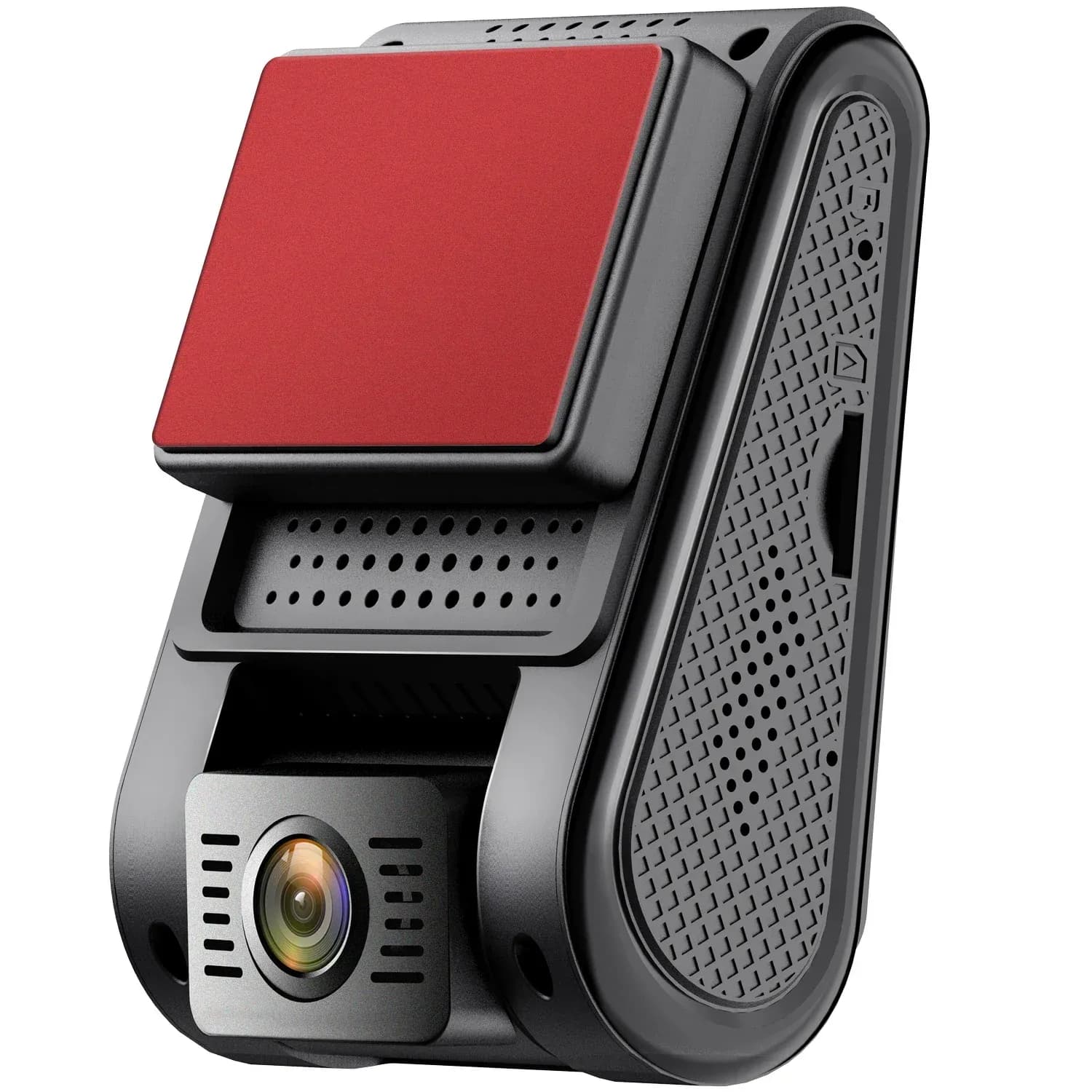
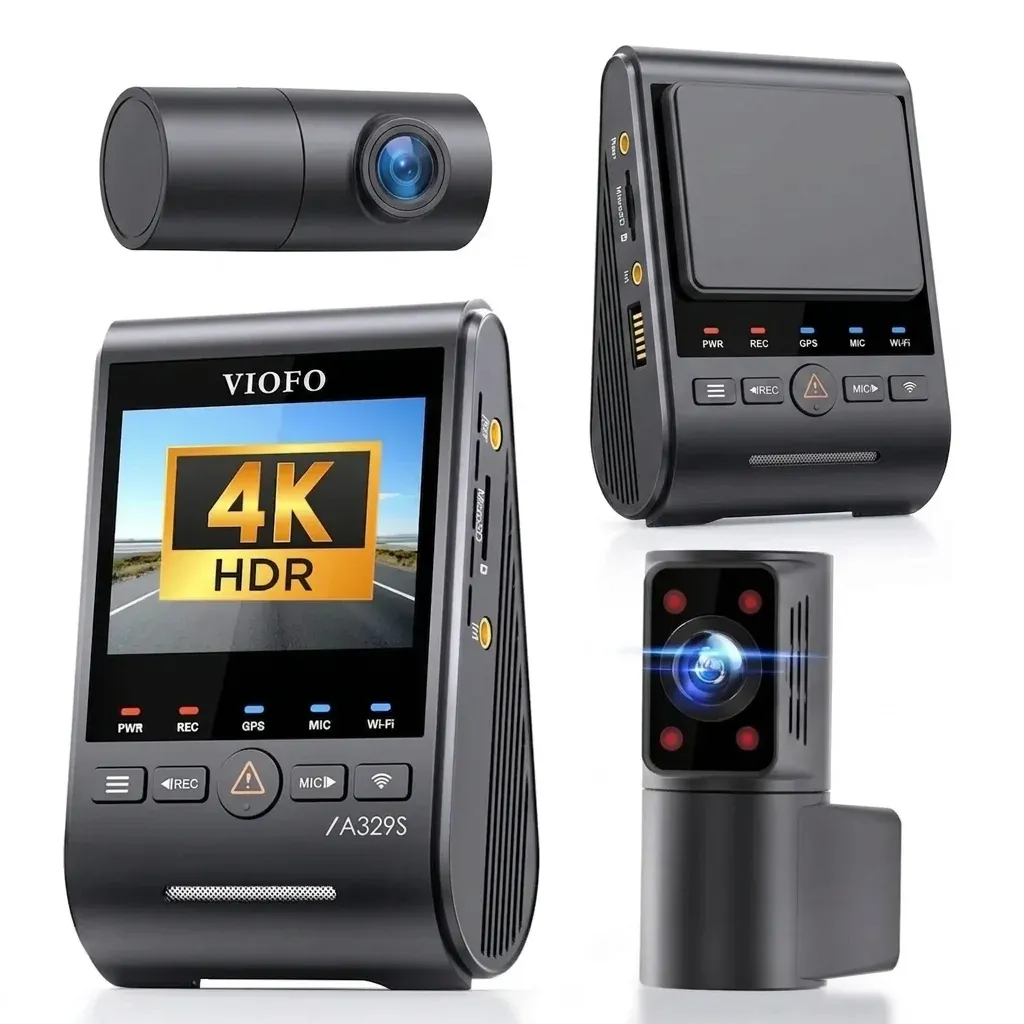
The VIOFO A119 V3 is aimed at one job: capturing the front of the car in a way that still makes sense after a stressful moment. Its 2560 x 1600 resolution gives it extra room over standard 1080p units, so number plates, lane markings, and roadside details stay more readable when you zoom in.
VIOFO has built a strong reputation in the AliExpress dash cam niche by focusing on image quality, practical parking tools, and firmware maturity rather than flashy extras. That approach shows here, and it is worth looking at how the sensor and processor work together in daily use.
Sony IMX335 and NOVATEK processing in real driving
The Sony IMX335 sensor and NOVATEK chipset are the heart of this model, and that combination usually matters more than headline megapixels. In practice, it helps the camera keep a steadier image when light changes fast, such as leaving a tunnel or driving past reflective traffic signs at dusk.
Users who care about evidence quality will appreciate the H.264 codec and 30 fps recording, which keep file sizes manageable without turning the footage into a soft blur. The result is a front camera that feels tuned for incident capture rather than entertainment clips, which is exactly where many budget dash cams fall short.
1600P footage that stays useful after zooming
Quad HD+ 1600P is the feature that makes this model stand out from cheaper 1080p units. It does not just look sharper on the built-in LCD; it also gives you more usable detail when you review footage on a laptop or phone later.
The 105-140 degree viewing angle is wide enough for lane context without stretching the edges too aggressively. That balance is useful on UK roads where you want to see the car in front, the adjacent lane, and the kerbside environment without turning the image into a fisheye effect.
Night footage and parking mode where it earns its keep
The Super Night Vision setup is one of the more practical reasons to consider this camera, especially for commuters and street parkers. Low-light recording matters because many incidents happen after dark, and the Sony sensor is designed to preserve more usable contrast when headlights and street lamps compete.
Parking mode is more advanced than the basic motion-trigger systems found on many entry-level dash cams. Buffered recording can save footage from before and after an event, while low-bitrate and time-lapse modes give you options depending on whether you want stronger evidence or lighter memory use.
GPS and G-sensor features that turn footage into evidence
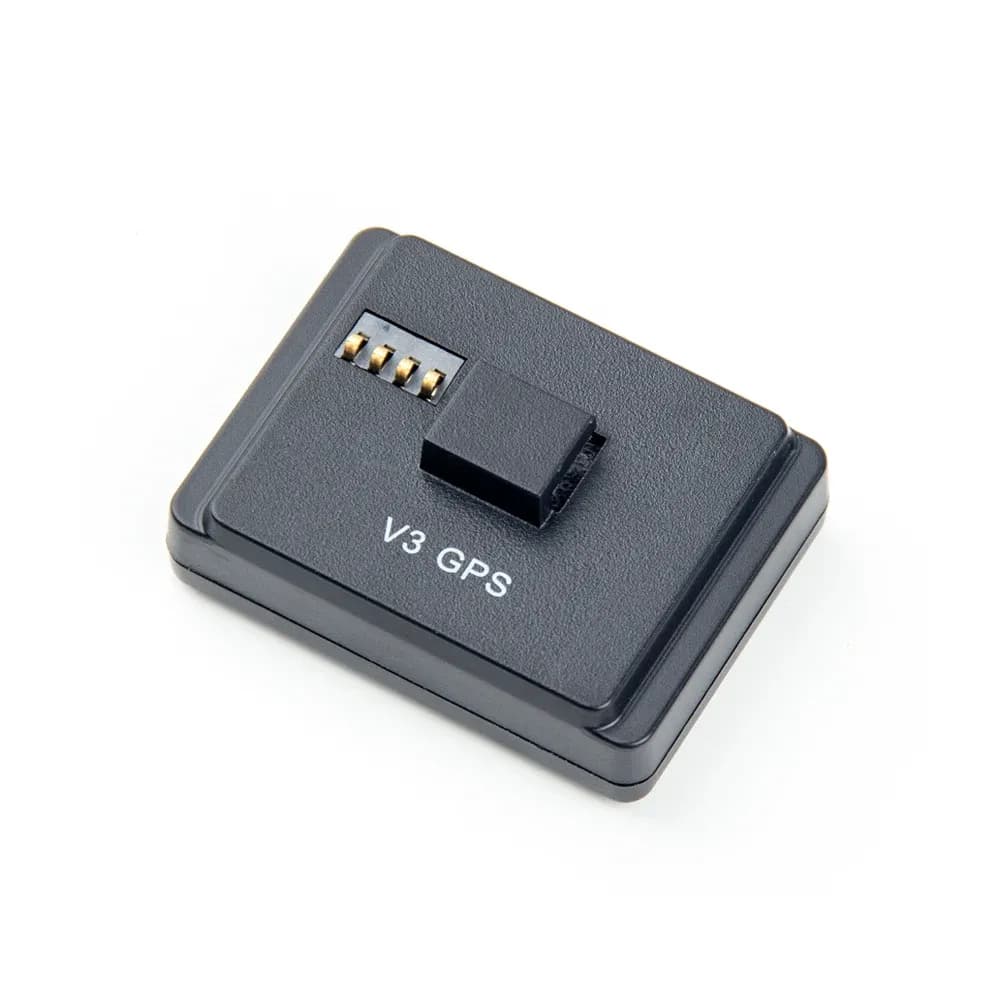
The optional external GPS logger adds route, speed, and time data to recordings, which makes clips easier to interpret during a claim or dispute. That is a meaningful upgrade over cameras that only record video, because context often matters as much as the image itself.
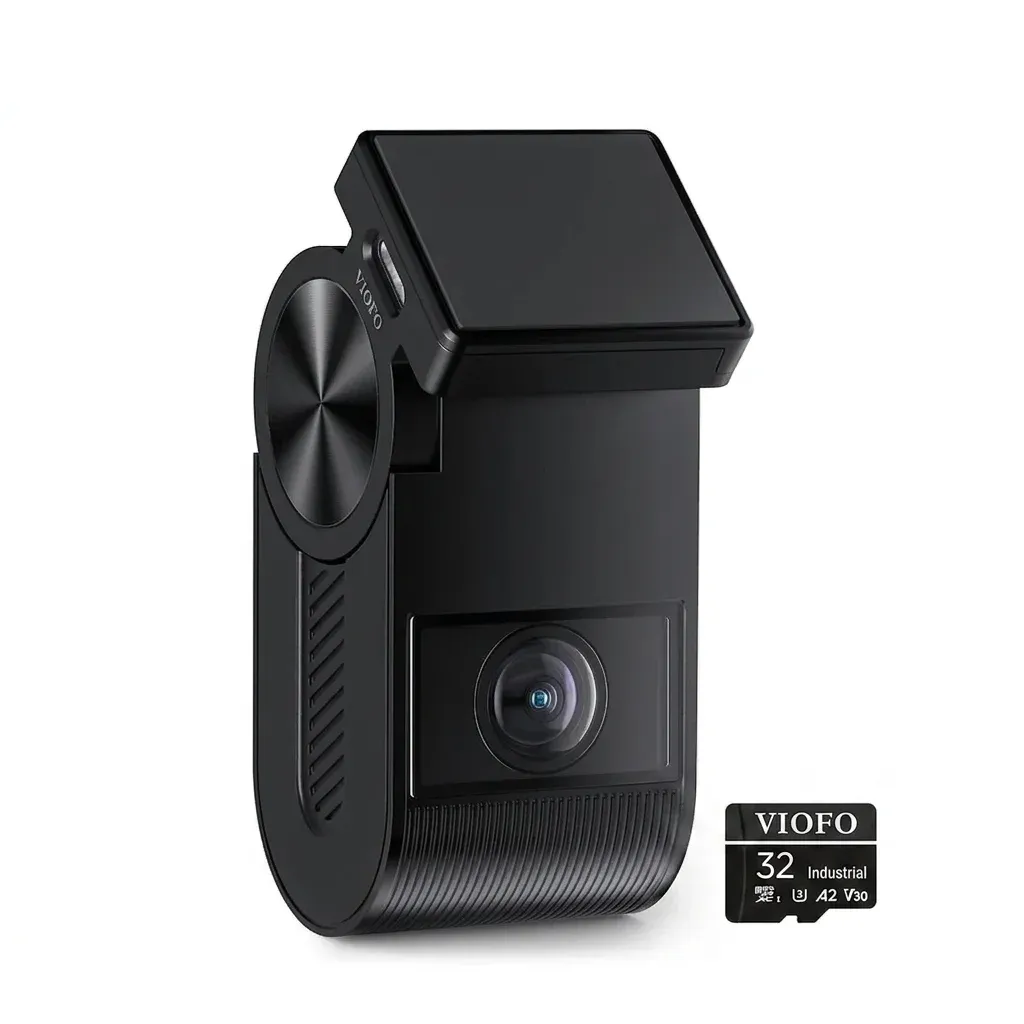
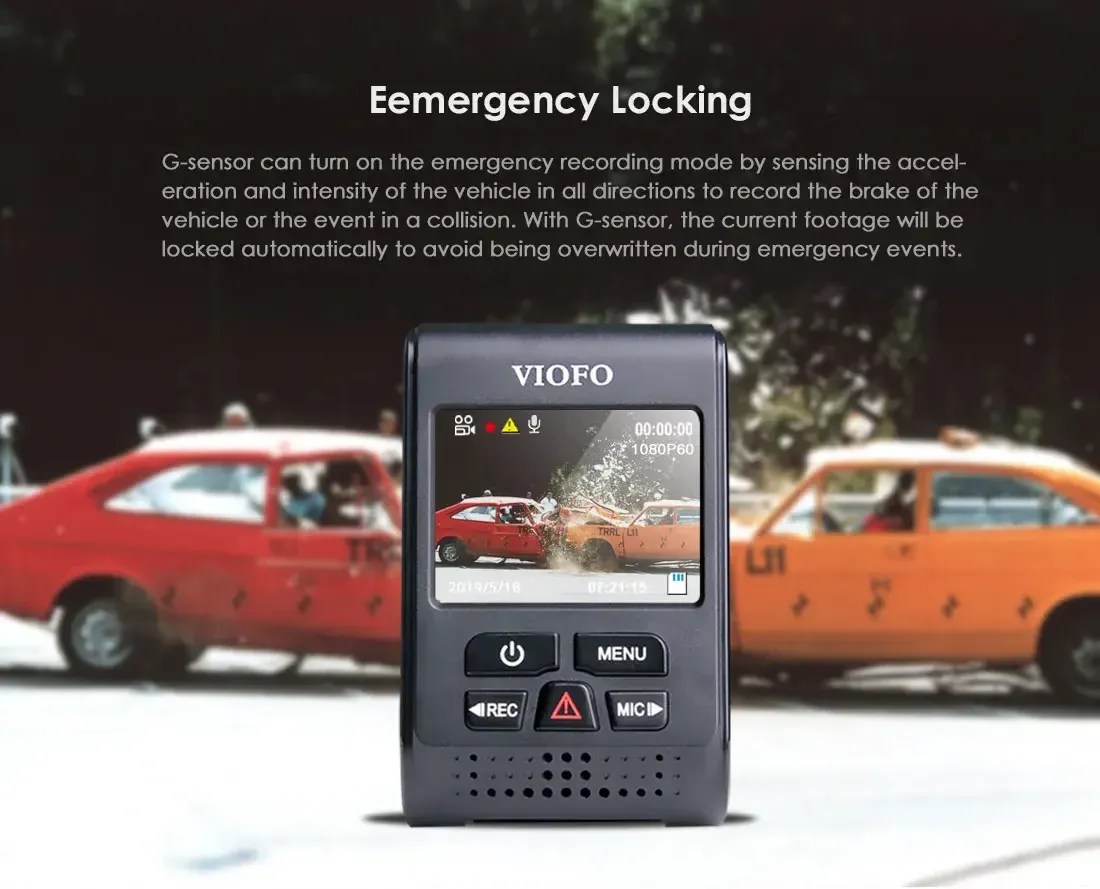
The G-sensor and motion detection round out the protection package by reacting to impacts and movement while the car is unattended. With support for up to 256 GB microSD cards, the A119 V3 is built for long stretches of recording without constant file management, which is a quiet but important advantage.
Compact fit, visible screen, and practical limitations
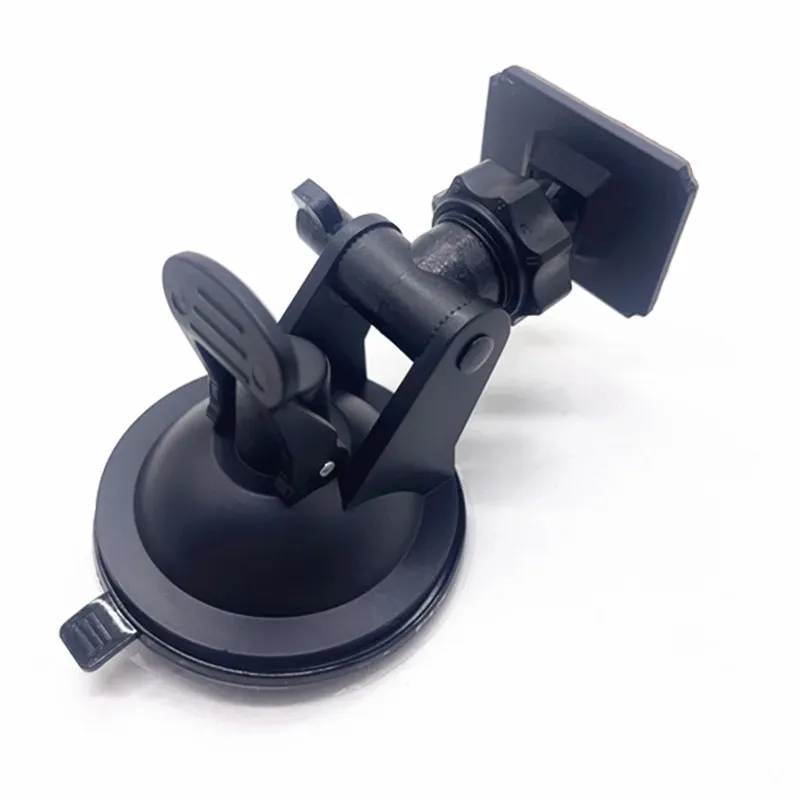
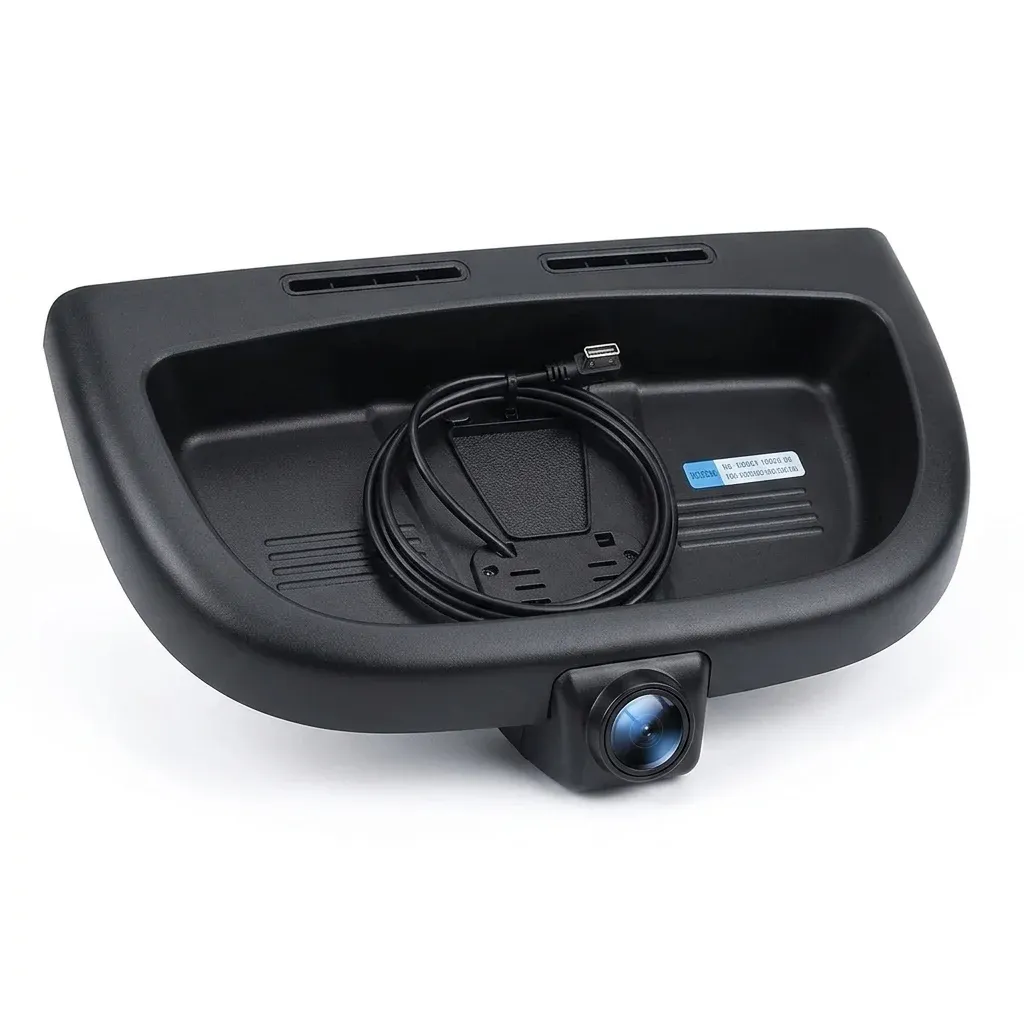
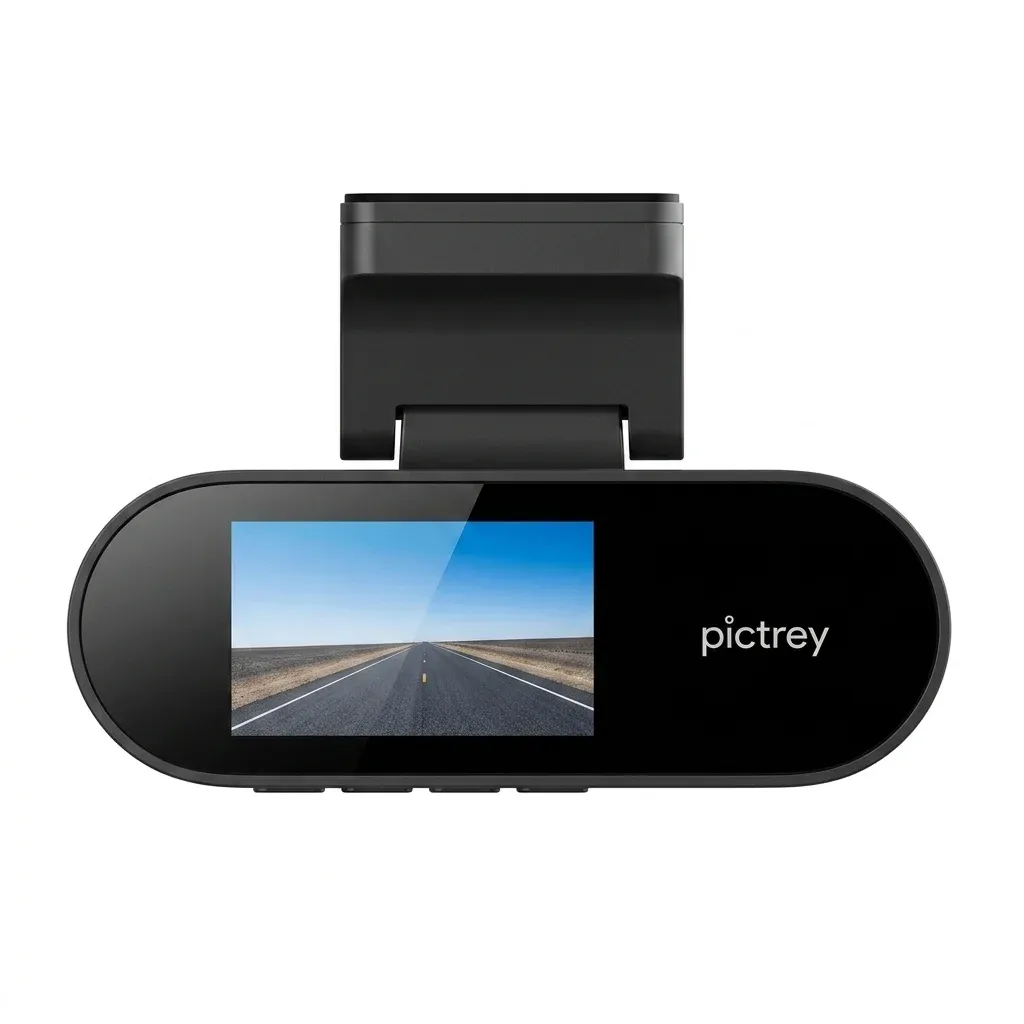
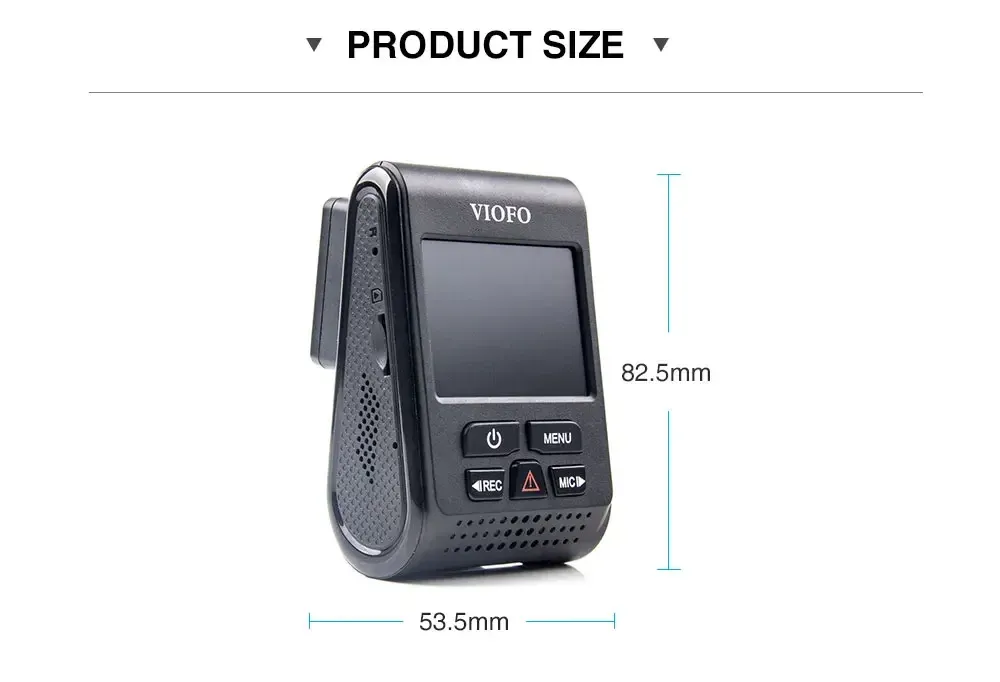
The hidden-type assembly and single-lens design keep the unit discreet behind the windscreen, so it does not clutter the cabin or block too much of the view. The built-in LCD is useful for setup and quick checks, although the lack of touch control means navigation is done through physical buttons.
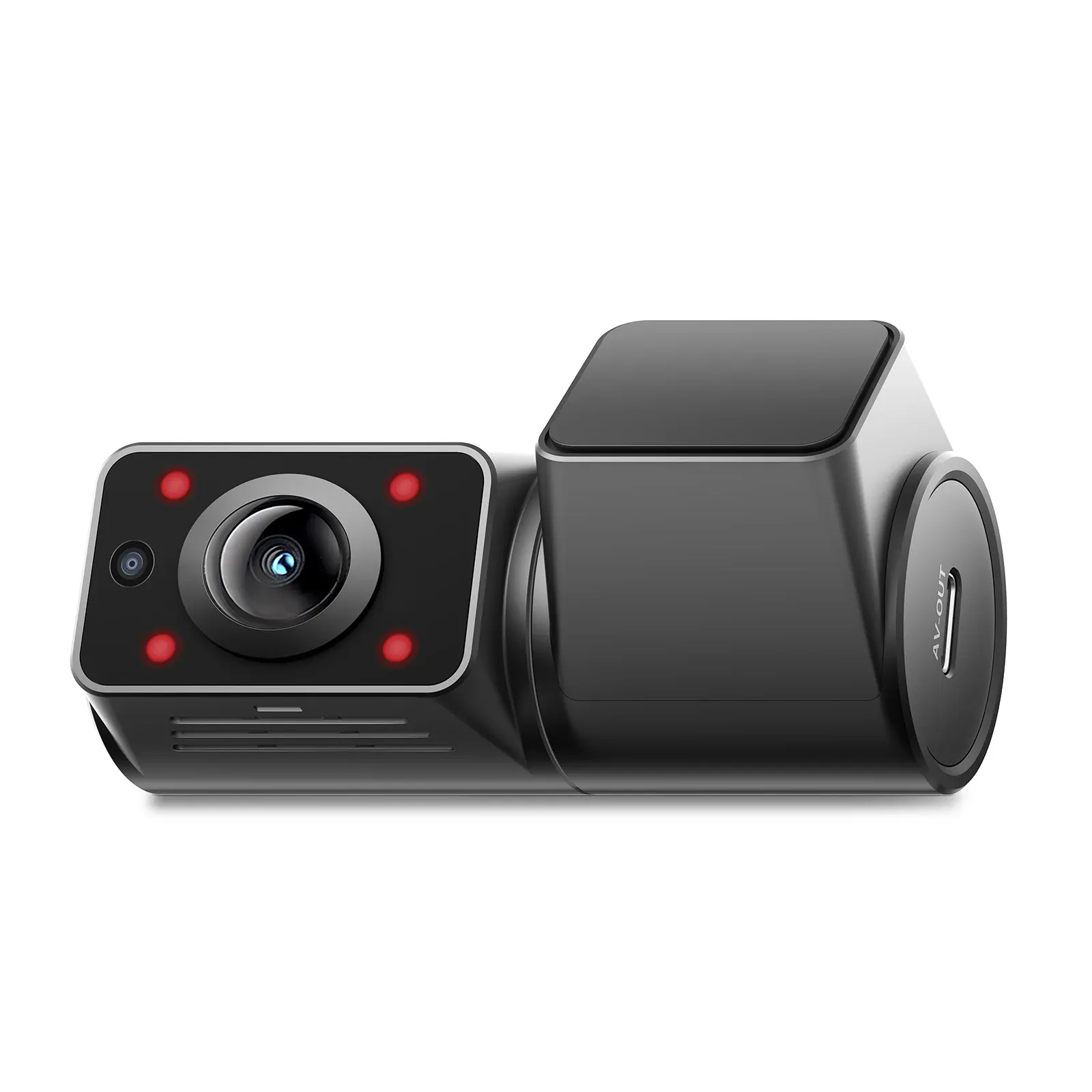
There is no rear camera in this package, so drivers who want full front-and-rear coverage will need a different setup. For solo front recording, though, the A119 V3 remains a focused choice, and customer feedback often points to its reliability rather than a long list of gimmicks.
Who gets the most from this model?
- Daily drivers who want readable front footage in mixed daylight and night conditions.
- Street parkers who need buffered parking mode and impact-triggered recording.
- Drivers who prefer a compact, single-channel dash cam with optional GPS data.