








Why VIOFO still stands out in the dash cam market
VIOFO has earned a strong reputation in the AliExpress UK niche because it focuses on image quality, practical hardware, and software that does the job without unnecessary gimmicks. That approach matters in dash cams, where clear footage and dependable operation are worth more than flashy extras.
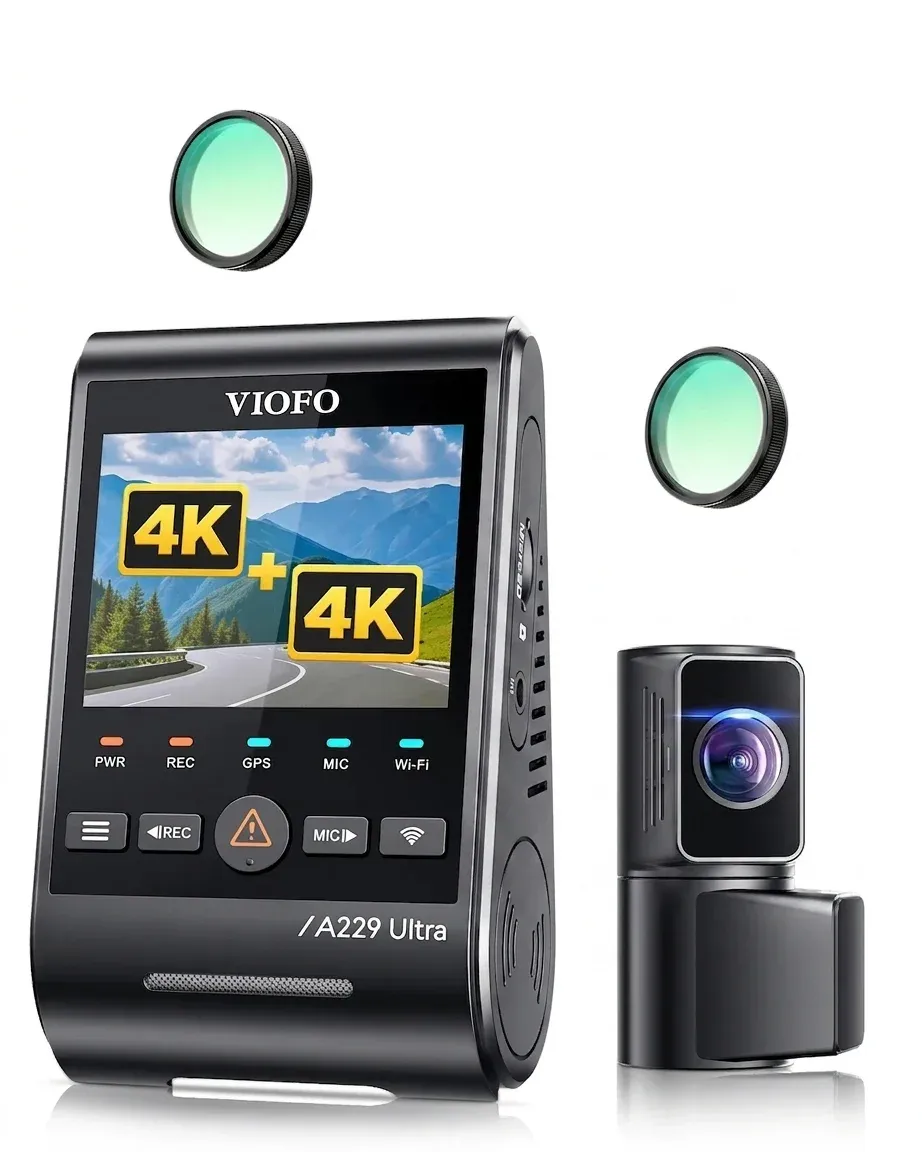
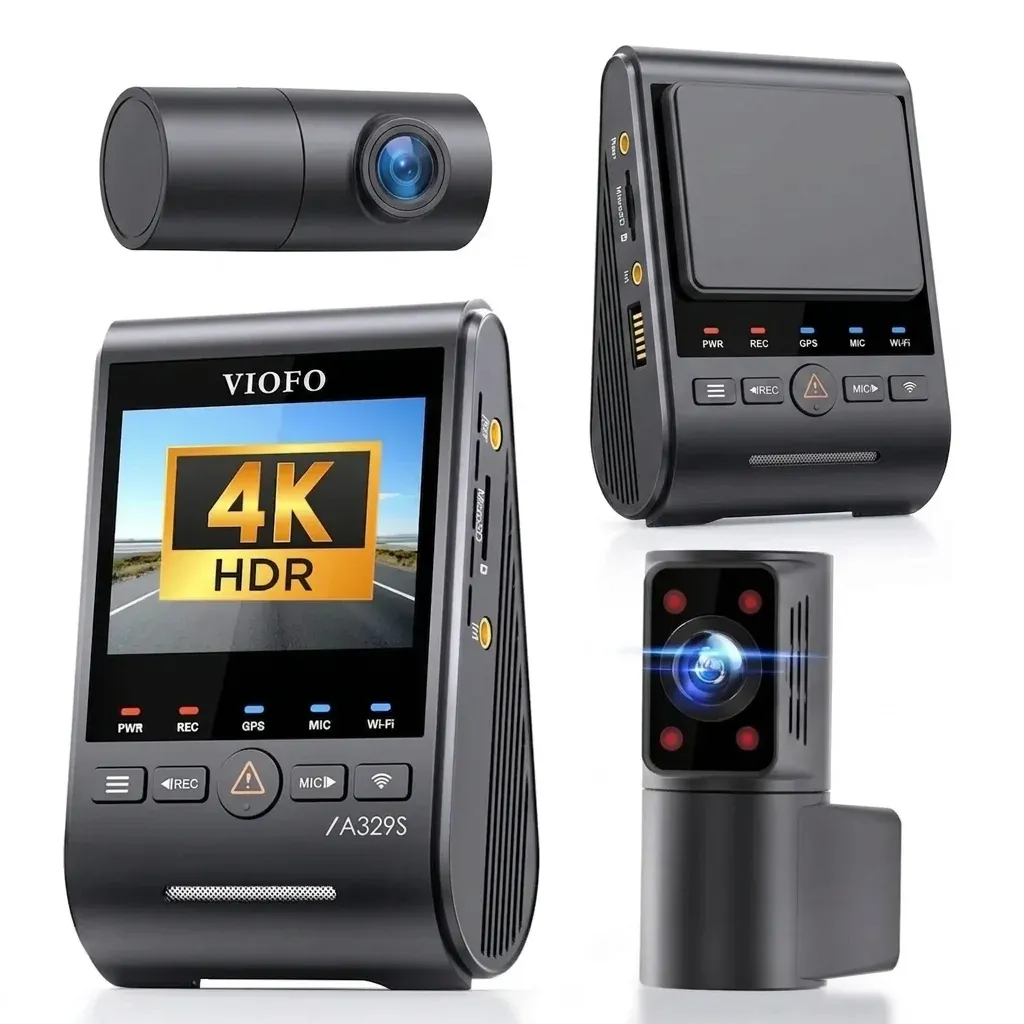
The A229 Ultra follows that formula with a serious front-and-rear package, so the real question is not whether it records, but how well it handles difficult light, fast motion, and everyday use.
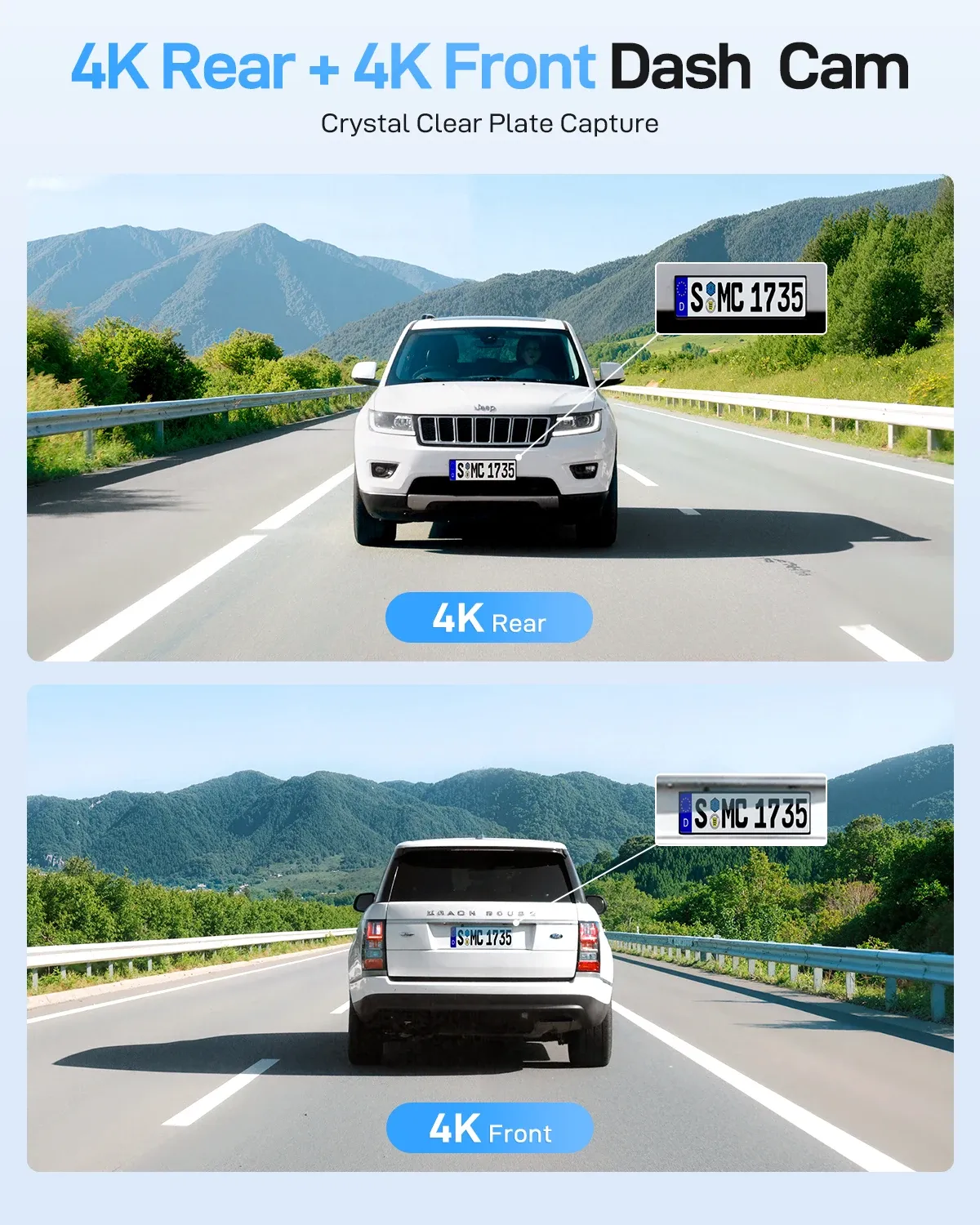
Dual 4K recording changes what you can actually read
With 4K recording on both the front and rear cameras, this model is aimed at drivers who want plate numbers, lane position, and incident details to stay visible after compression. The 3840 x 2160 resolution gives the footage a sharper, cleaner look than the more common 2K dual-channel setups, especially when a vehicle moves quickly through frame.
That extra clarity is most useful in urban traffic, roundabouts, and motorway merges, where a lower-resolution rear cam often turns into soft, hard-to-use evidence. If you have ever wished your rear footage looked less like a blur and more like a usable clip, this is where the A229 Ultra starts to justify itself.
STARVIS 2 and HDR help in the moments that matter
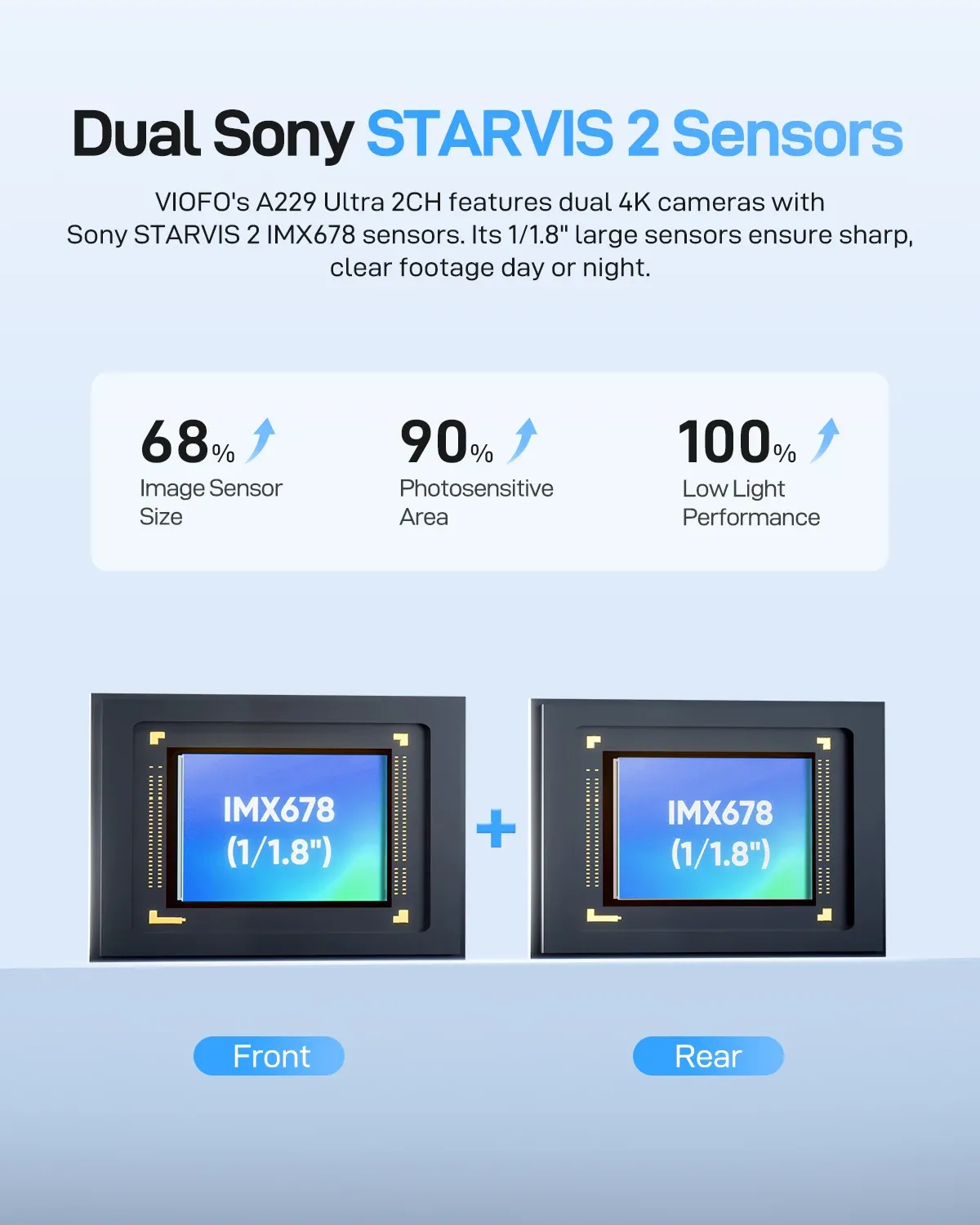
The dual SONY STARVIS 2 IMX678 sensors are the headline feature here, and they are paired with HDR to manage harsh contrast more gracefully. In practice, that should help when sunlight hits reflective number plates or when headlights wash out a dark car park entrance.
NightShot support and the F1.8 aperture work in the same direction, pulling more detail from dim scenes without making the image look overly noisy. According to users, the camera’s low-light performance is one of its strongest points, which is exactly what you want from a device that may only prove its value once.
5GHz Wi-Fi and the VIOFO app make footage easier to handle
The faster 5GHz Wi-Fi is not just a spec-sheet upgrade; it reduces the waiting time when you want to review or export clips on a phone. That matters because dual 4K files are heavy, and slow transfers can make even a good dash cam feel awkward in daily use.
The VIOFO App gives you a simple path to preview, download, and share footage without removing the memory card every time. For drivers who prefer quick checks after a parking scrape or a road incident, this is a practical convenience rather than a luxury, so how does the control system fit in?
Voice control and GPS keep attention on the road
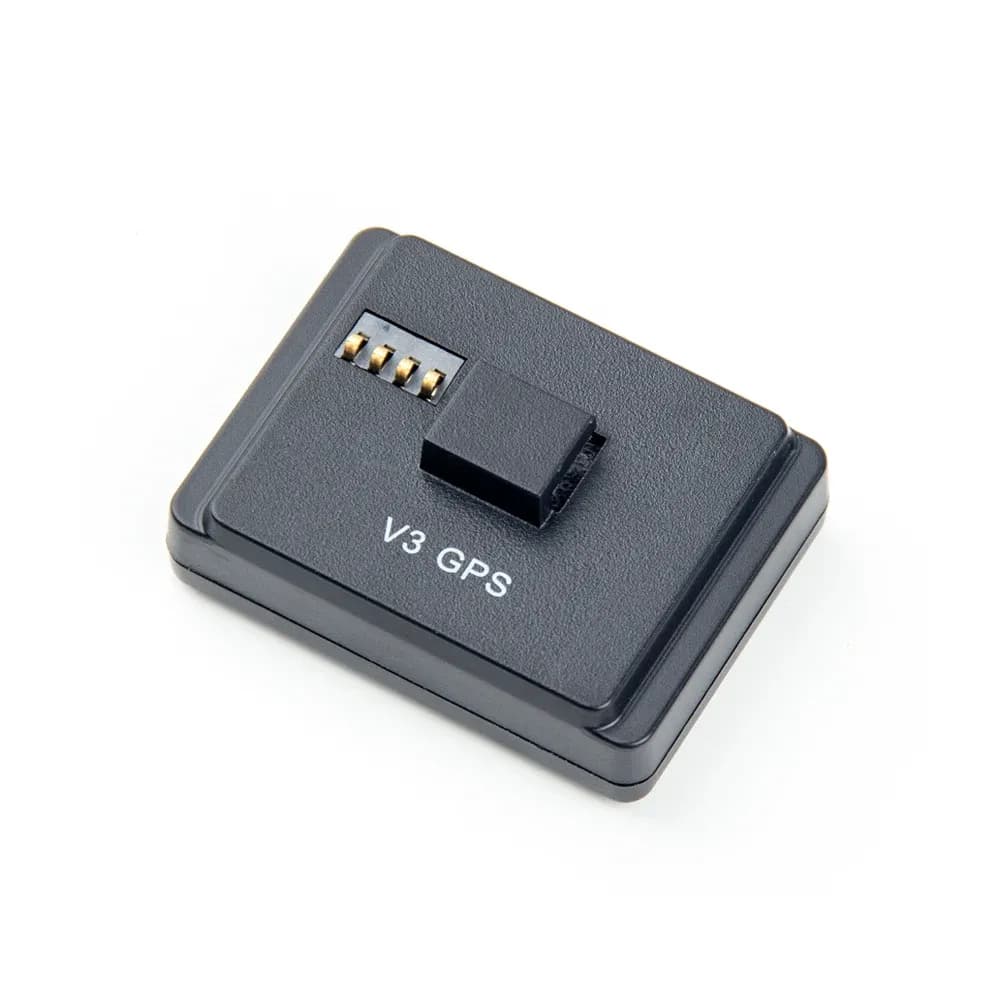
Voice control lets you trigger key actions without reaching for the camera, which is useful when you want to save a clip or switch Wi-Fi while driving. The built-in GPS logger adds speed, time, and location data to recordings, creating a more complete incident record than video alone.
That combination is especially helpful for fleet users, commute-heavy drivers, and anyone who wants context attached to the footage instead of just a moving image. The 140-degree viewing angle is wide enough for lane coverage without becoming overly distorted at the edges, which is a sensible balance for front and rear monitoring.
Parking mode is where the supercapacitor design pays off
Instead of relying on a conventional battery, the A229 Ultra uses a supercapacitor, which is a better fit for heat and long-term reliability in a car cabin. That design choice matters in summer parking and cold mornings, where cheaper battery-based dash cams can age faster or become less stable.
The parking monitor adds motion detection and G-sensor protection, so the camera can react when the car is unattended. With support for up to 512GB and loop recording, it is built for drivers who want long retention and automatic overwrite management rather than constant card maintenance, but there are still a few trade-offs to consider.
What to keep in mind before choosing it
The 2.4-inch LCD is useful for setup, yet it is not a touch screen, so menu navigation depends on physical buttons. That is not a flaw, but it does mean the learning curve is a little slower than on touch-based rivals.
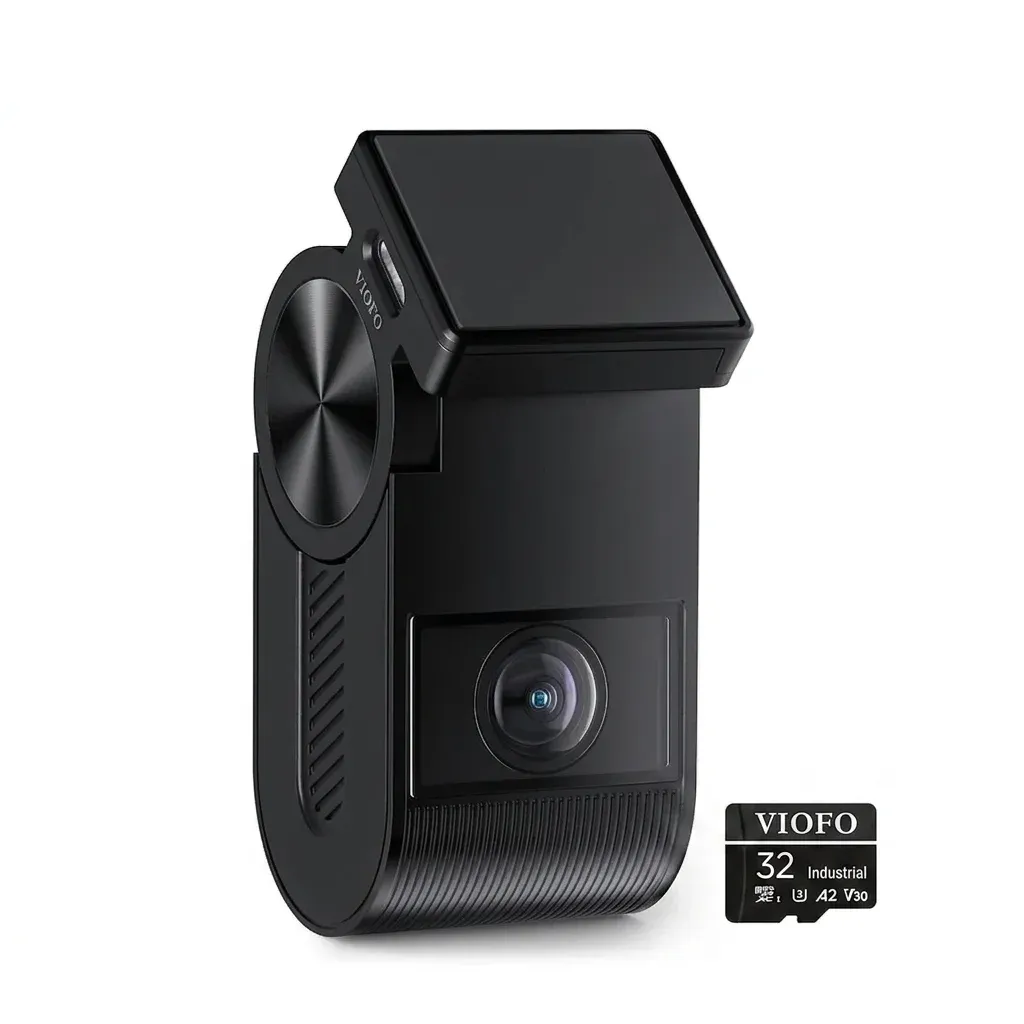
It also expects a Class 10 memory card that can handle high-bitrate dual 4K recording, so the card choice matters more than on entry-level models. One customer noted that the hardware is solid and the software is basic but functional, which fits the overall character of this camera: serious, capable, and focused on evidence first.