

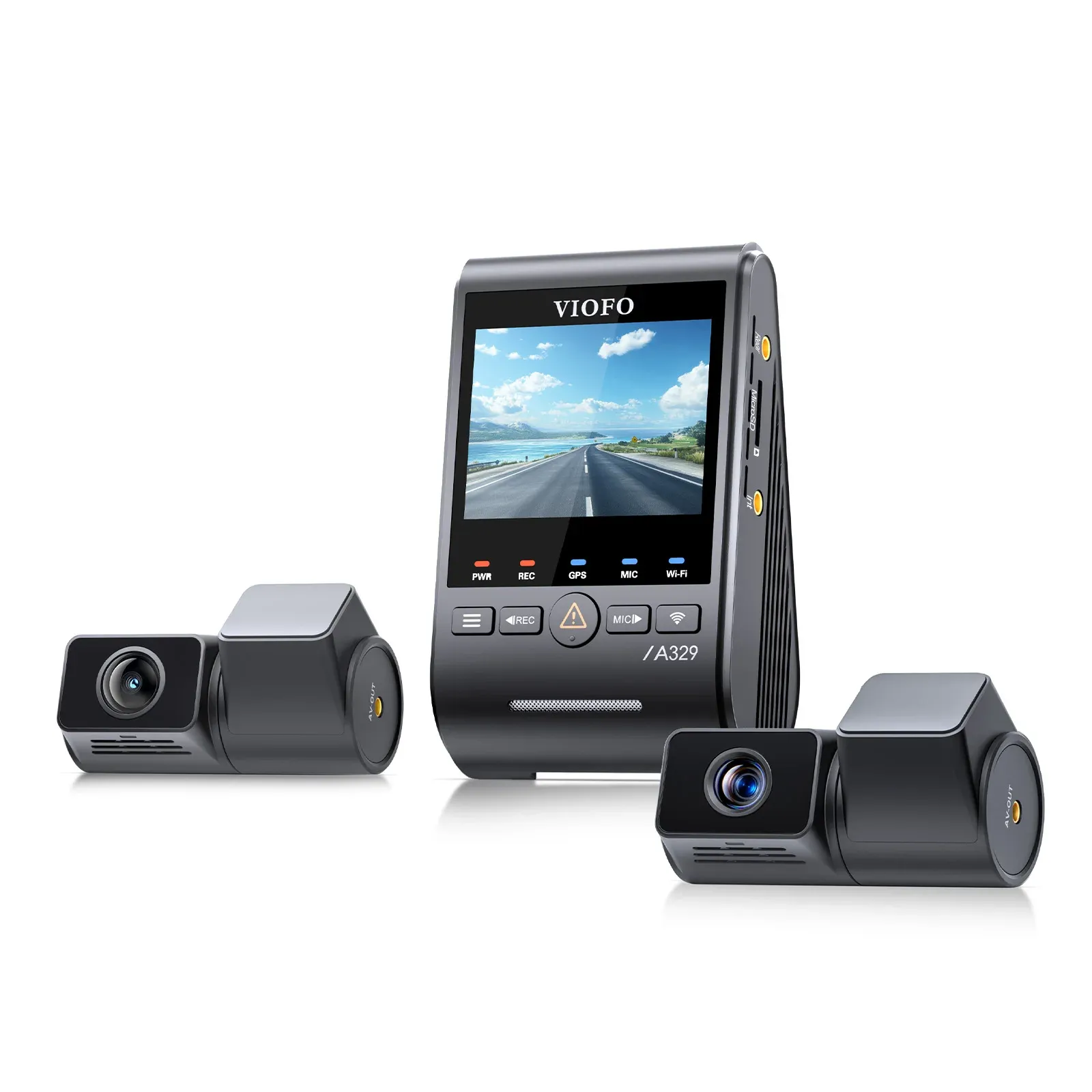





Three-camera coverage that solves blind spots
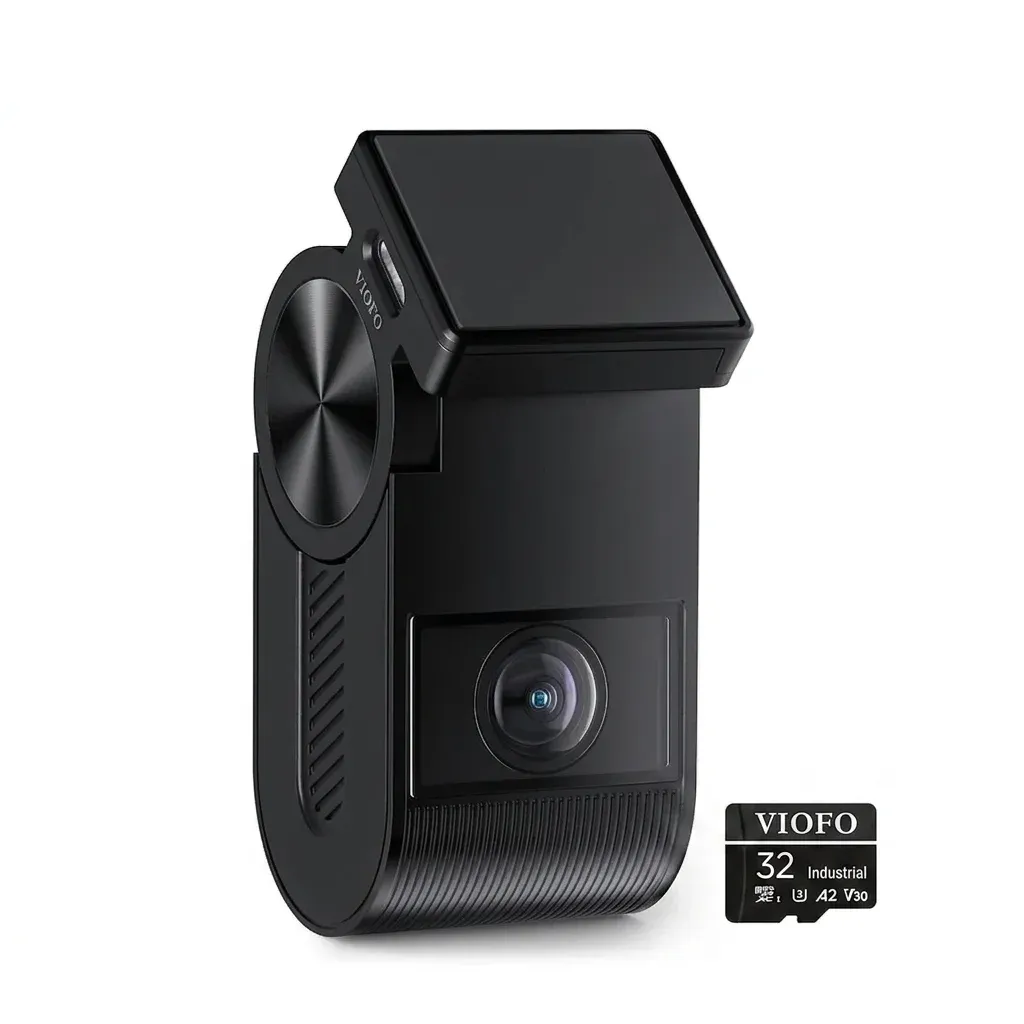
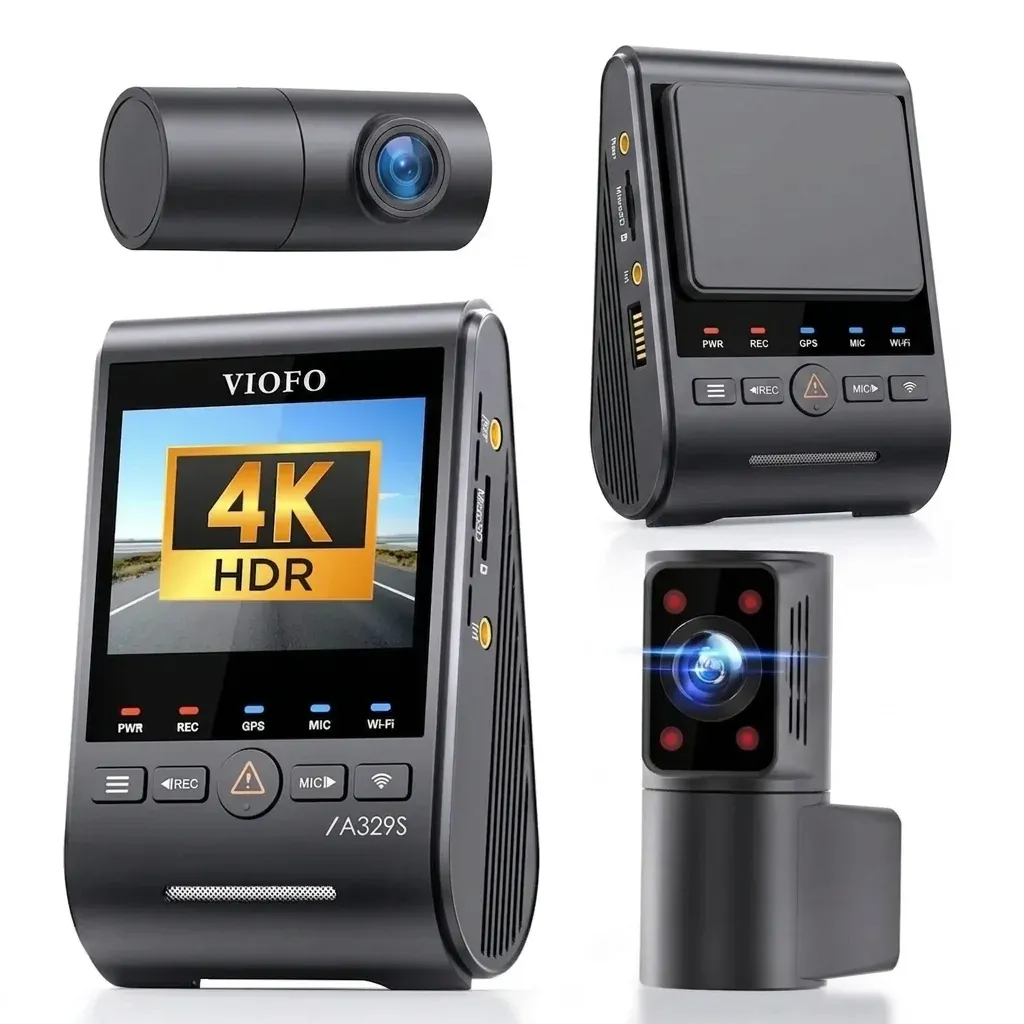
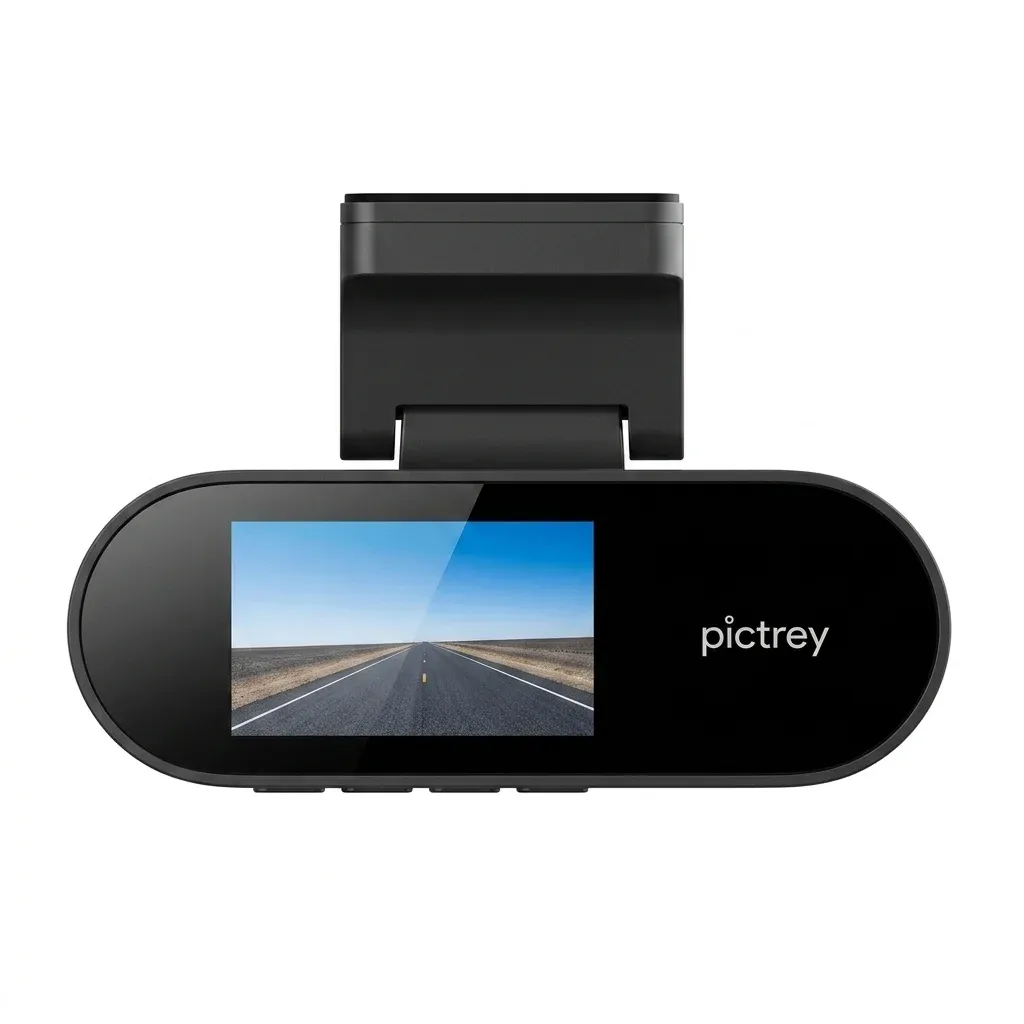
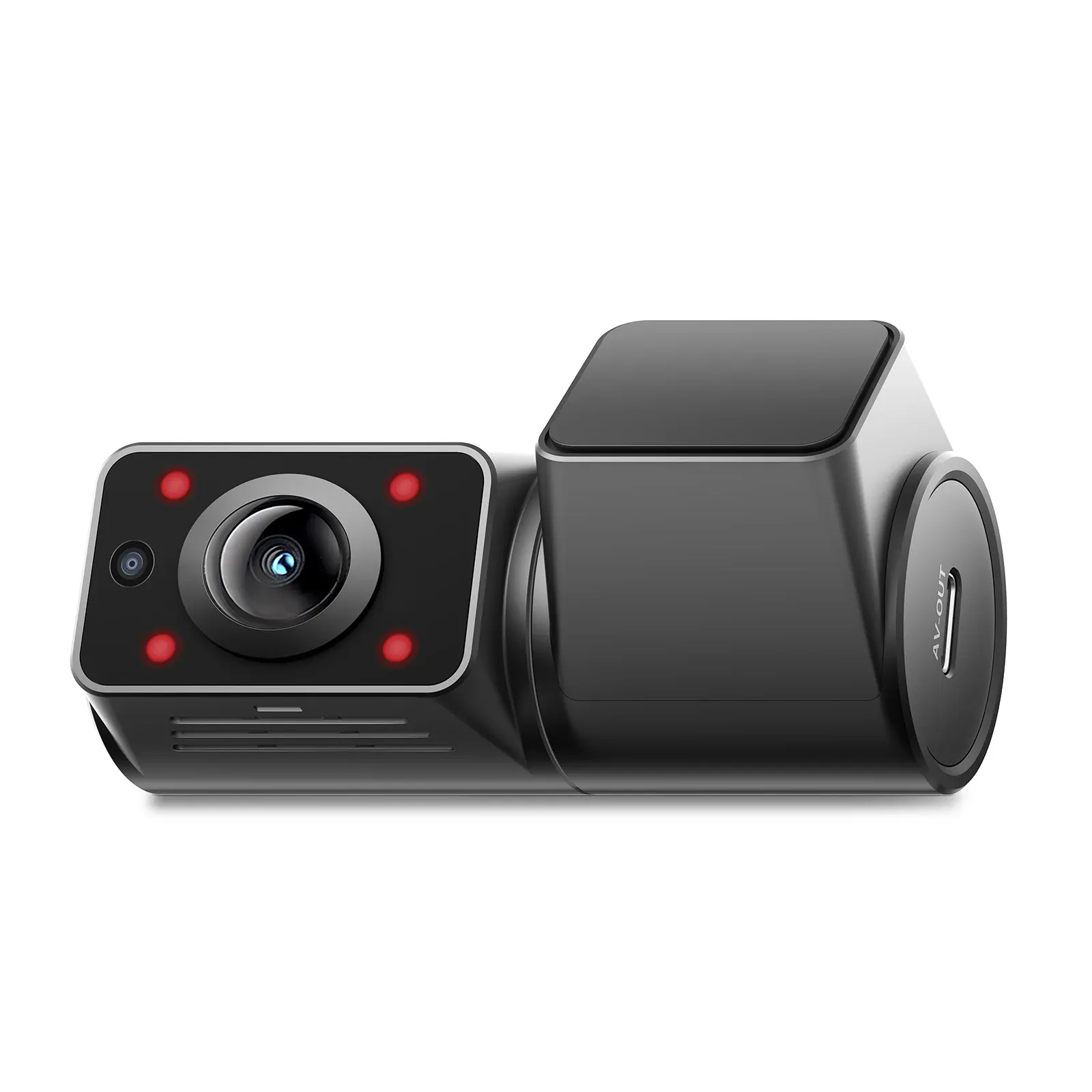
The A329T is built for drivers who want more than a basic front recorder, because a single lens often misses what happens beside or behind the car. With 4K front capture, a 2K telephoto channel, and a 2K rear camera, it gives you a broader evidence trail when traffic, parking scrapes, or lane disputes happen.
This is the kind of setup that makes sense for motorway commuters, rideshare drivers, and anyone parking in tight urban spaces. The real advantage is not just extra angles, but the way those angles work together to preserve context, so the next question is how well the image quality holds up in low light?
STARVIS 2 imaging and HDR in real driving
VIOFO uses Sony STARVIS 2 sensors across all three channels, which matters because image consistency is often where cheaper multi-channel systems fall apart. The front IMX678 sensor is tuned for cleaner detail, while the rear and telephoto IMX675 units are designed to reduce noise and motion blur when cars move quickly through frame.
In practice, that should help with plate reading, reflective road signs, and shadow-heavy streets after dark. HDR support also helps balance bright headlights and darker surroundings, so footage looks more usable when a vehicle exits a tunnel or passes under street lighting, but what does that mean for parking protection?
Parking mode that watches without draining the battery
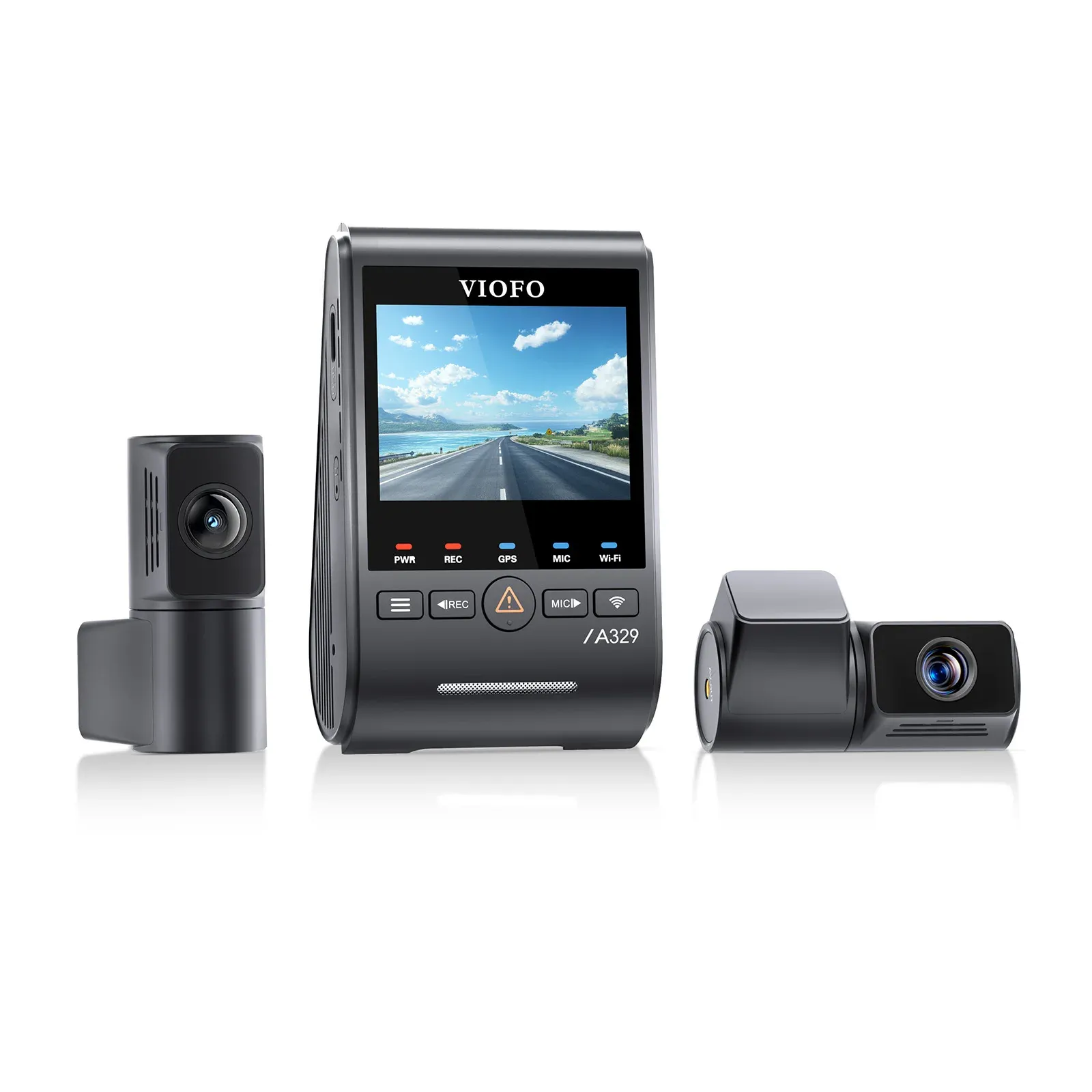
The power-saving parking mode is one of the A329T’s most important features, because many owners want surveillance without leaving the car vulnerable to battery drain. Low-power impact detection and hybrid parking recording give it a more efficient approach than always-on recording, especially for vehicles left overnight or for long shifts.
This is useful if your car stays in public car parks, loading bays, or residential streets where minor contact incidents are common. Loop recording and auto emergency lock also keep the system practical, since the camera keeps cycling footage and secures critical clips when the G-sensor detects a hit, so how easy is it to manage day to day?
Wi‑Fi 6 and voice control for faster handling
Wi‑Fi 6 is a meaningful upgrade here because it speeds up previewing, downloading, and sharing compared with older wireless dash cams. VIOFO claims much faster transfers in the 5GHz band, which should make it easier to pull clips to a phone without waiting around after an incident.
Voice control adds another layer of convenience by letting you start recording, take photos, or switch Wi‑Fi on and off without touching the unit. That is especially useful when you want to stay focused on the road, and the built-in screen plus Bluetooth support make the system feel more complete than app-only rivals.
Telephoto zoom for evidence, not just scenery
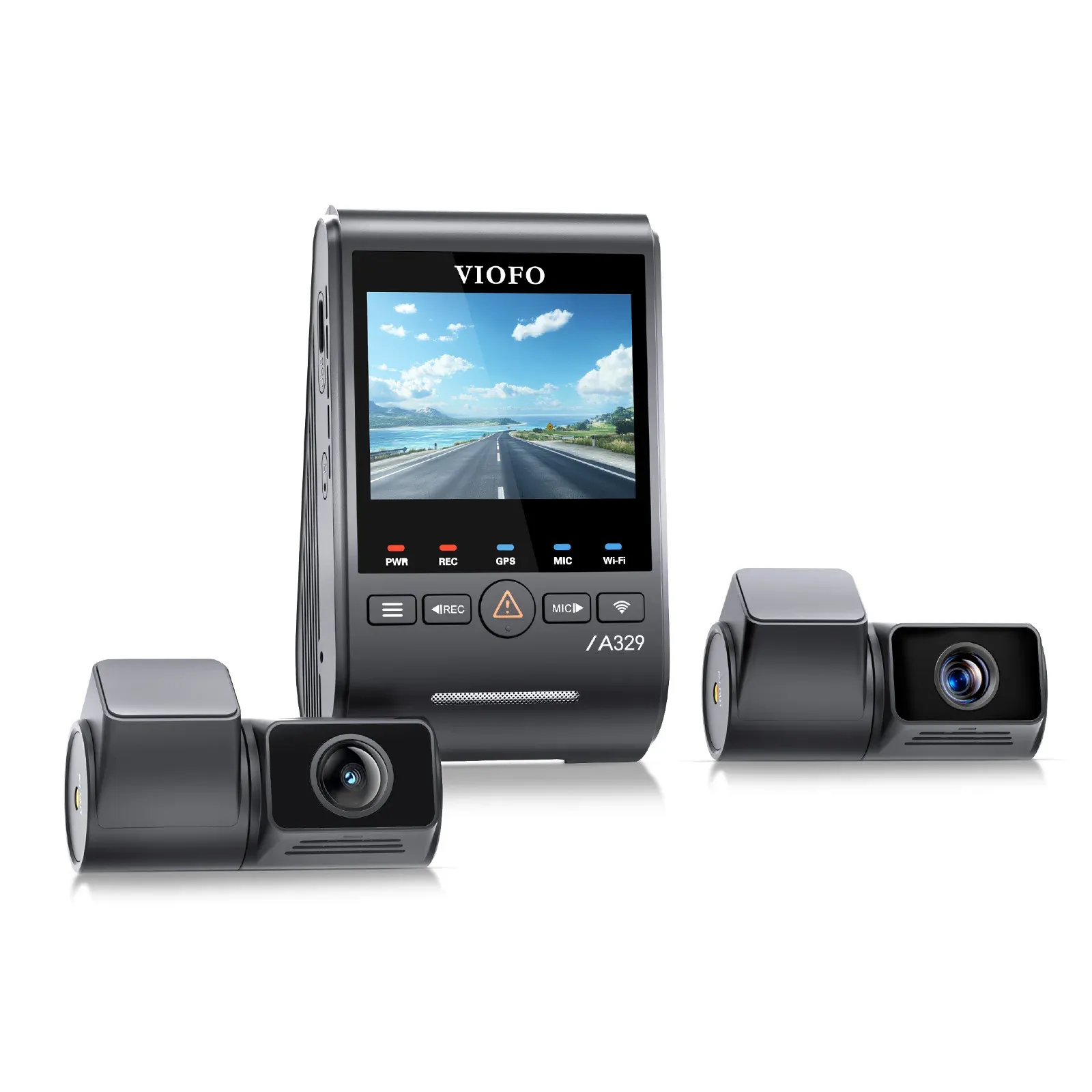
The 2K telephoto channel is the feature that separates this model from many mainstream three-channel dash cams, because optical zoom can capture distant details more cleanly than a wide-angle lens alone. VIOFO states a 4x optical zoom, which should help when you need a tighter view of plates, lane positions, or vehicles farther away in traffic.
That extra reach is useful for drivers who spend time on fast roads or want more context from the front of the vehicle without losing the wider scene. According to customers, picture quality has been a strong point, and the five available reviews lean fully positive, which is encouraging for a model at this level of ambition.
What you should plan for before fitting it
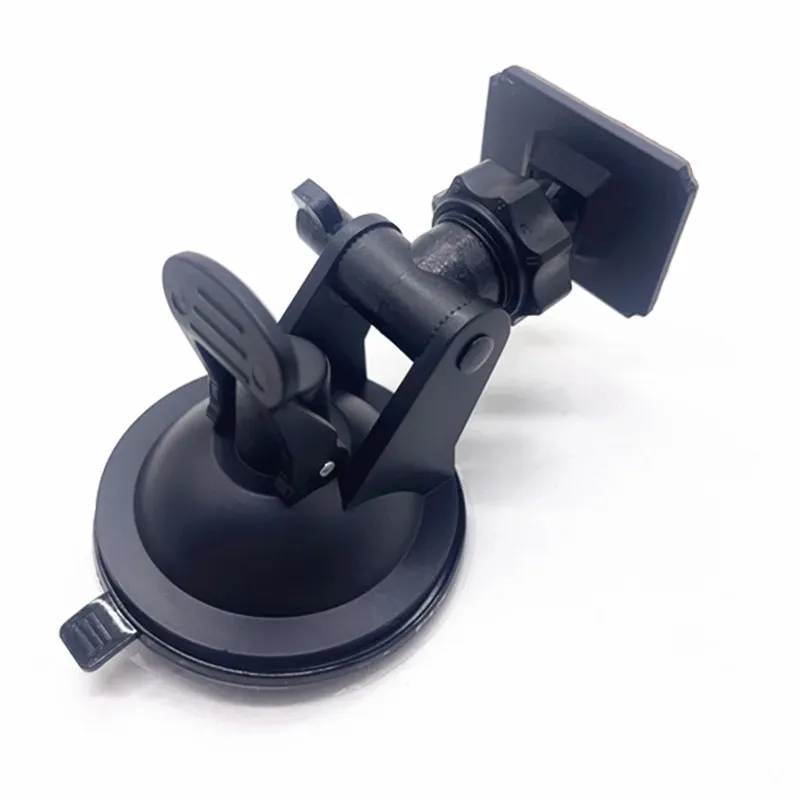
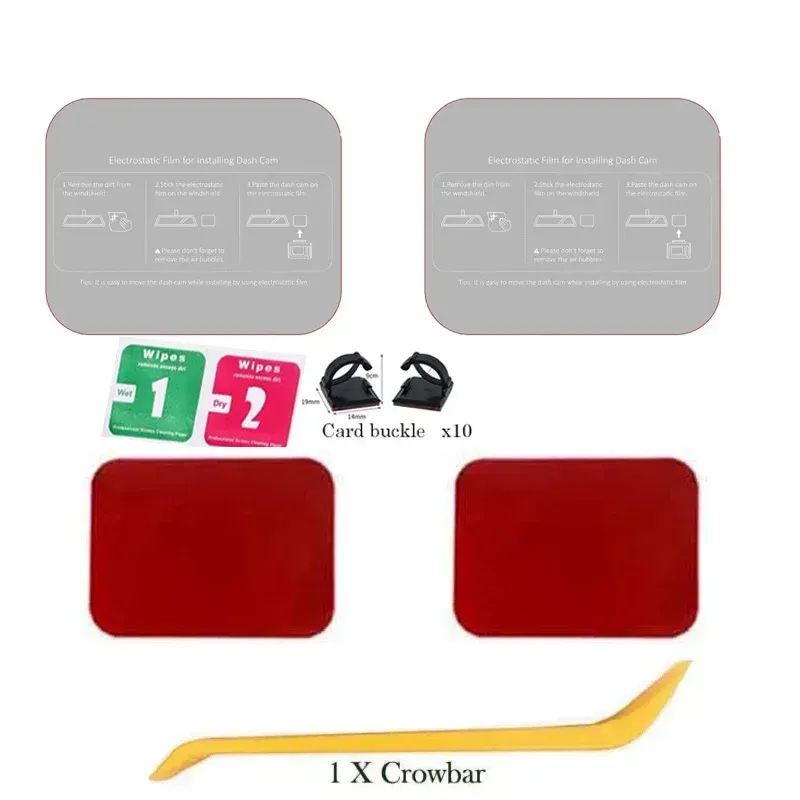
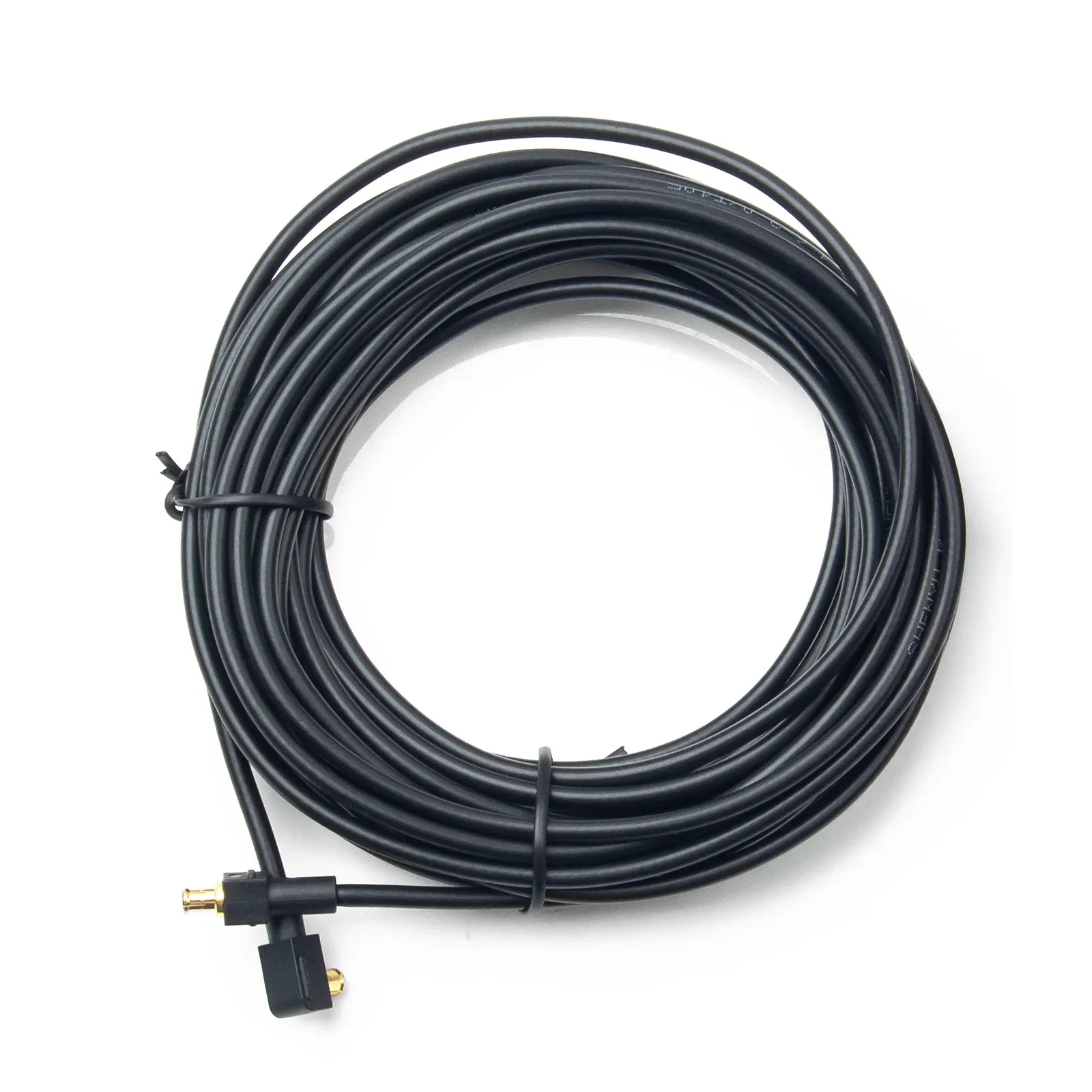
This is not a lightweight entry-level dash cam, and the price level places it firmly in the premium end of the AliExpress UK dash cam market. It also expects a proper installation setup, a Class 10 microSD card up to 512GB, and ideally hardwire support if you want the parking features to work as intended.
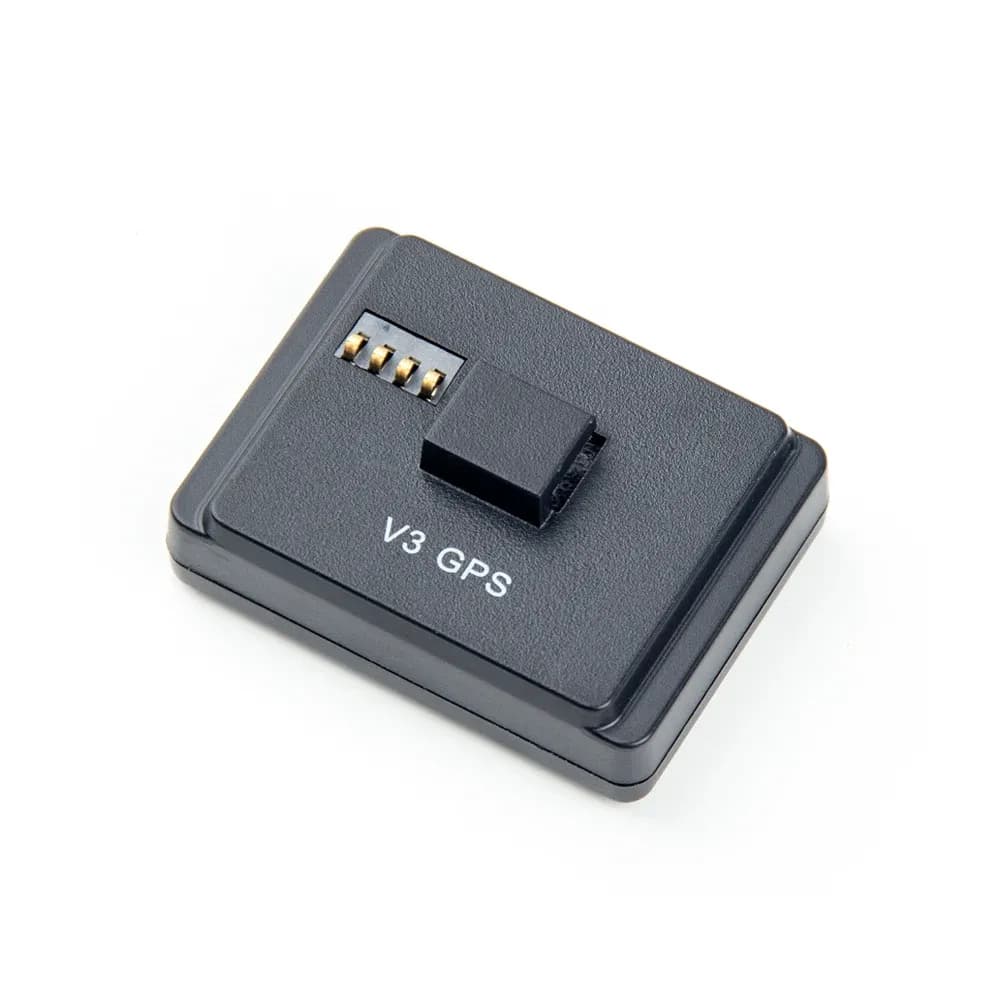
The upside is that the package is designed like a serious recording system rather than a casual gadget, with internal GPS logging, audio recording, and CE certification to support a more complete ownership experience. If you want a compact front camera only, this is more system than you need, but if coverage and evidence quality matter, the next step is the trade-off list.