








Glare control for rear footage that often gets overlooked
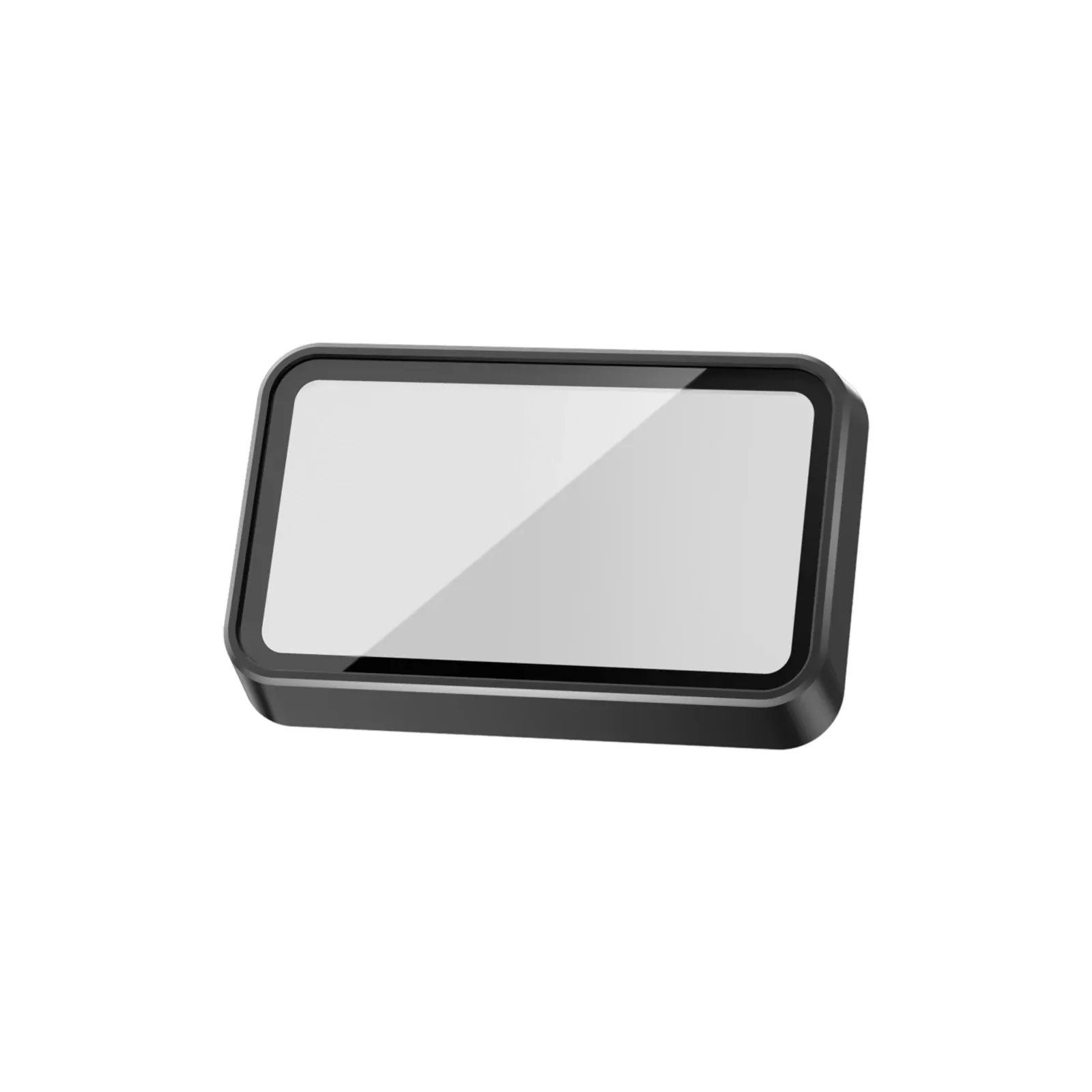
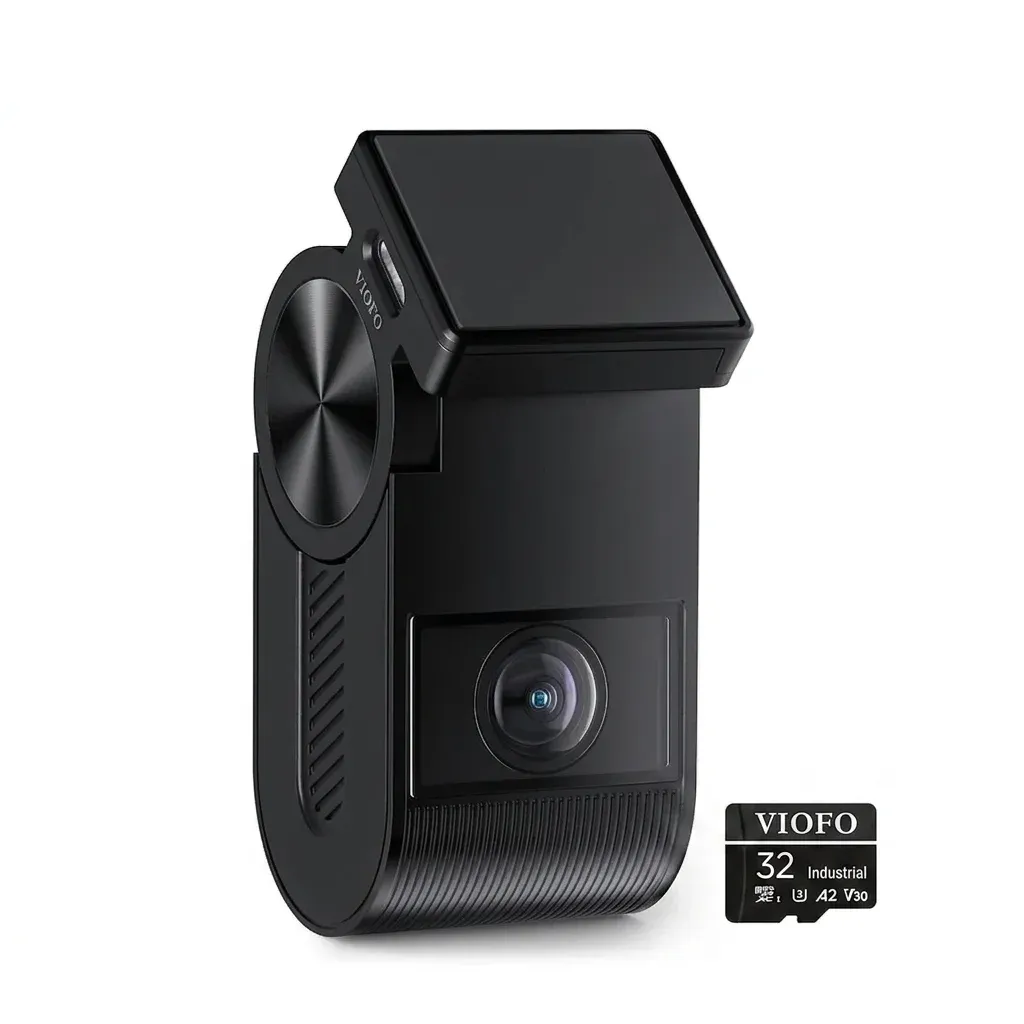
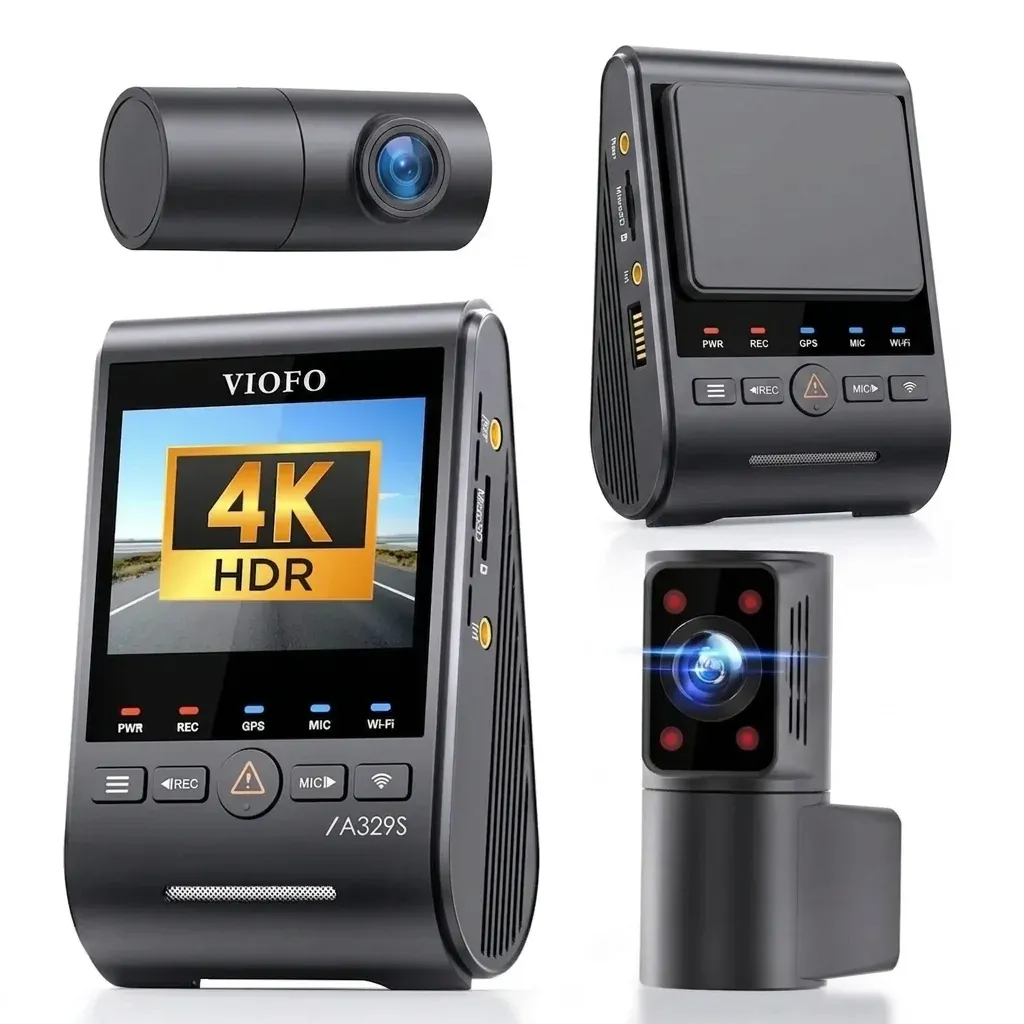
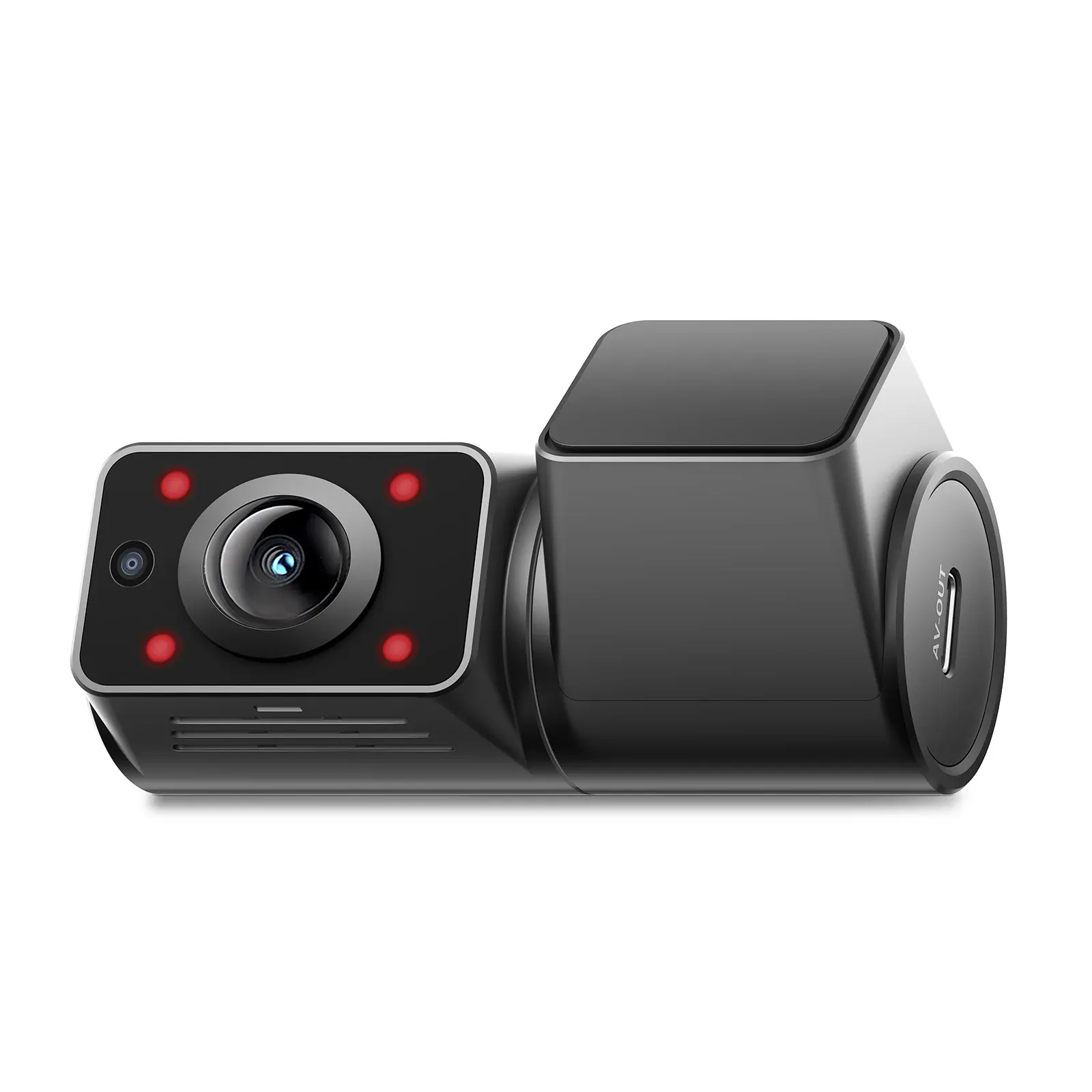
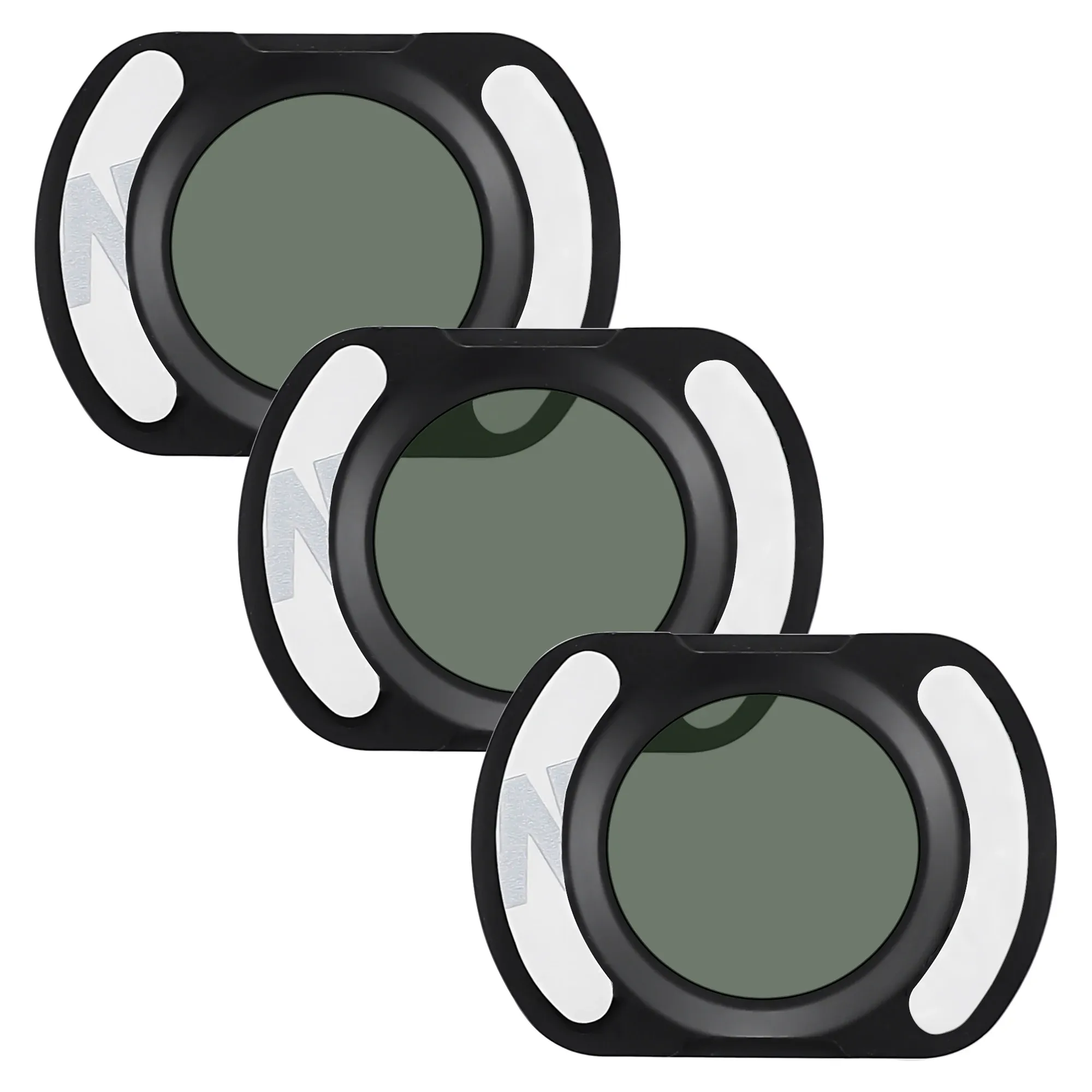
The rear camera is usually the first place where reflections, dashboard shine, and glass glare start to weaken dash cam footage. This CPL-500 filter tackles that problem directly, helping the A329 rear camera and RTC300 telephoto camera capture a cleaner image in bright driving conditions.
VIOFO has built a strong reputation in the AliExpress UK dash cam niche by focusing on accessories that fit properly and work with specific camera systems, not vague universal claims. That approach matters here, because a polarising filter only helps when it sits correctly in front of the lens, so the real question is how much clarity it can recover on the road.
What a CPL filter changes in daily driving
A circular polarising lens reduces reflected light from glass and shiny surfaces, which can make licence plates, lane markings, and car details easier to distinguish in daylight. Users often describe the result as less washed-out footage, with colours that look more grounded and less hazy.
This is especially useful if your rear camera faces a bright back window, a reflective parcel shelf, or strong afternoon sun. In those conditions, the filter does not create detail that was never recorded, but it can preserve the detail the sensor already captured, which is where the gain comes from.
Fit and compatibility matter more than on generic filters

The main advantage of this accessory is its targeted compatibility with the A329 rear camera and RTC300 telephoto camera. That reduces the risk of loose mounting, awkward alignment, or a filter that shifts after hot weather and vibration.
According to customer feedback, the clip-on design is easy to install and stays secure once fitted, which is exactly what you want in a moving vehicle. A stable fit also helps keep the polarising effect consistent, so the footage does not fluctuate from one drive to the next.
Image quality gains you can actually notice
With a Sony IMX291 sensor and 30 fps recording chain behind it, the filter is working on a capable imaging platform rather than a weak one. That means the benefit is less about raw resolution and more about improving how the camera handles light, contrast, and reflective surfaces.
In practice, the best improvement appears during daytime commuting, wet-road conditions, and urban driving where glass reflections are common. If your rear footage already looks decent but still feels flat or shiny, this is the sort of accessory that can make the image easier to use as evidence or for personal review.
Who should consider it, and who can skip it

This is a smart add-on for owners who regularly drive in strong sun, use the rear camera for incident recording, or want cleaner footage from a premium VIOFO setup. It is also a neat match for users who already trust the brand ecosystem and want accessories that behave like part of the system rather than an afterthought.
If your rear camera is used mostly at night, the benefit will be smaller because polarising filters are strongest in daylight and on reflective surfaces. That limitation is normal for the category, and it is worth knowing before you decide whether the extra control is relevant to your driving pattern.
Small accessory, specific payoff
At £14.99, the CPL-500 sits in the sensible upgrade zone: inexpensive enough to experiment with, but focused enough to make a visible difference when conditions are right. Real customer comments point to good packaging, secure clipping, and noticeably reduced glare, which supports the idea that this is a practical rather than decorative add-on.
If you want a rear-camera image that looks less harsh and more readable in daylight, this filter is easy to justify. The more reflective your car interior and the brighter your routes, the more it starts to earn its place, so the next question is whether your setup matches it.