







Built for dash cams that never stop writing
VIOFO has earned a solid reputation in the AliExpress UK dash cam niche by focusing on accessories that match the demands of continuous recording, not just desktop storage. That matters here, because a memory card for a car DVR has to survive constant overwriting, heat, vibration, and long recording cycles without becoming the weak link.
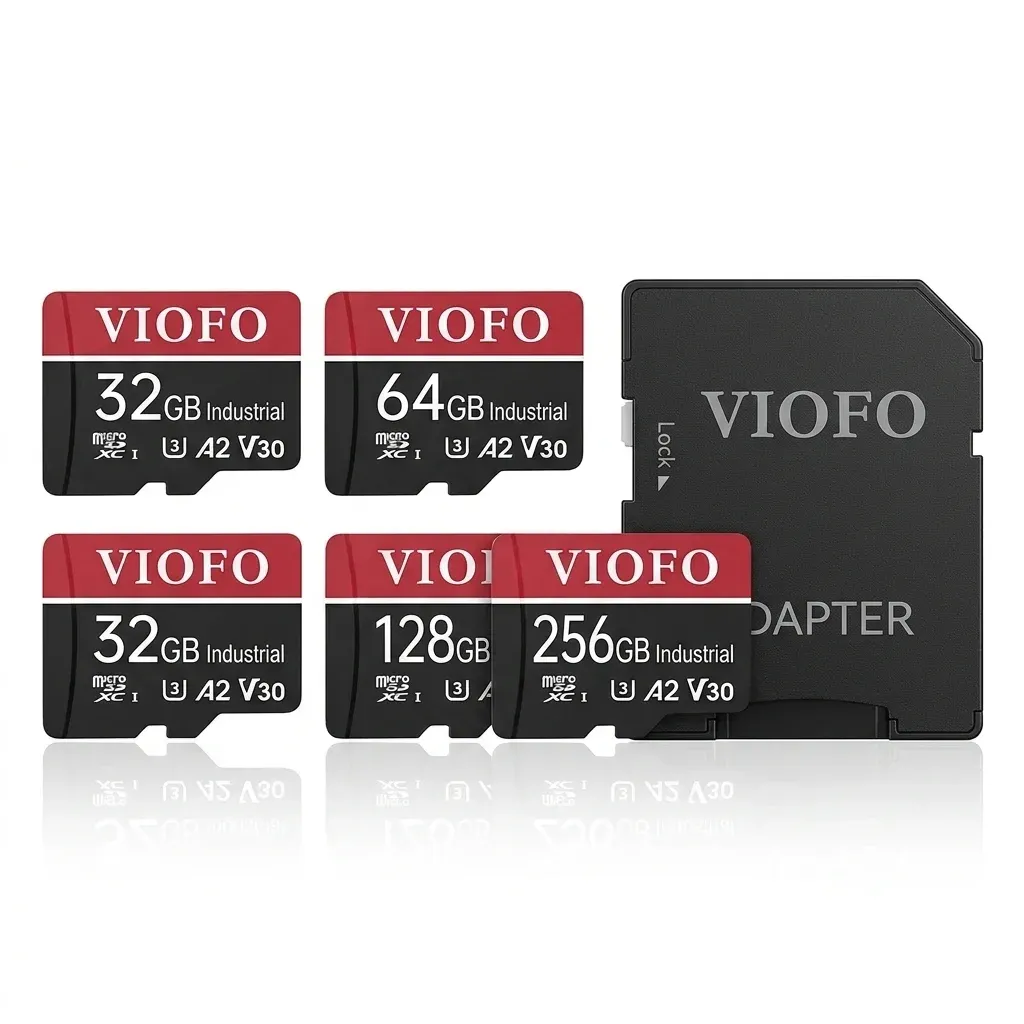
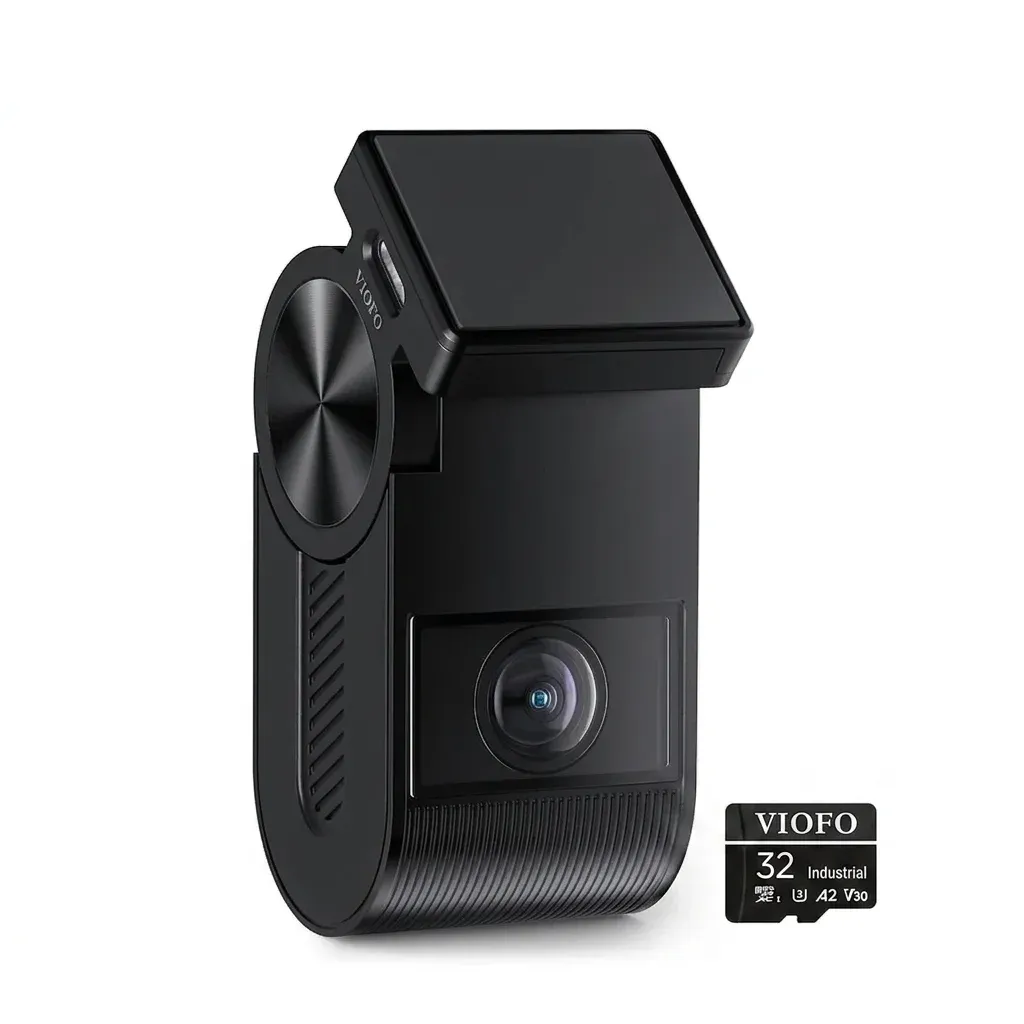
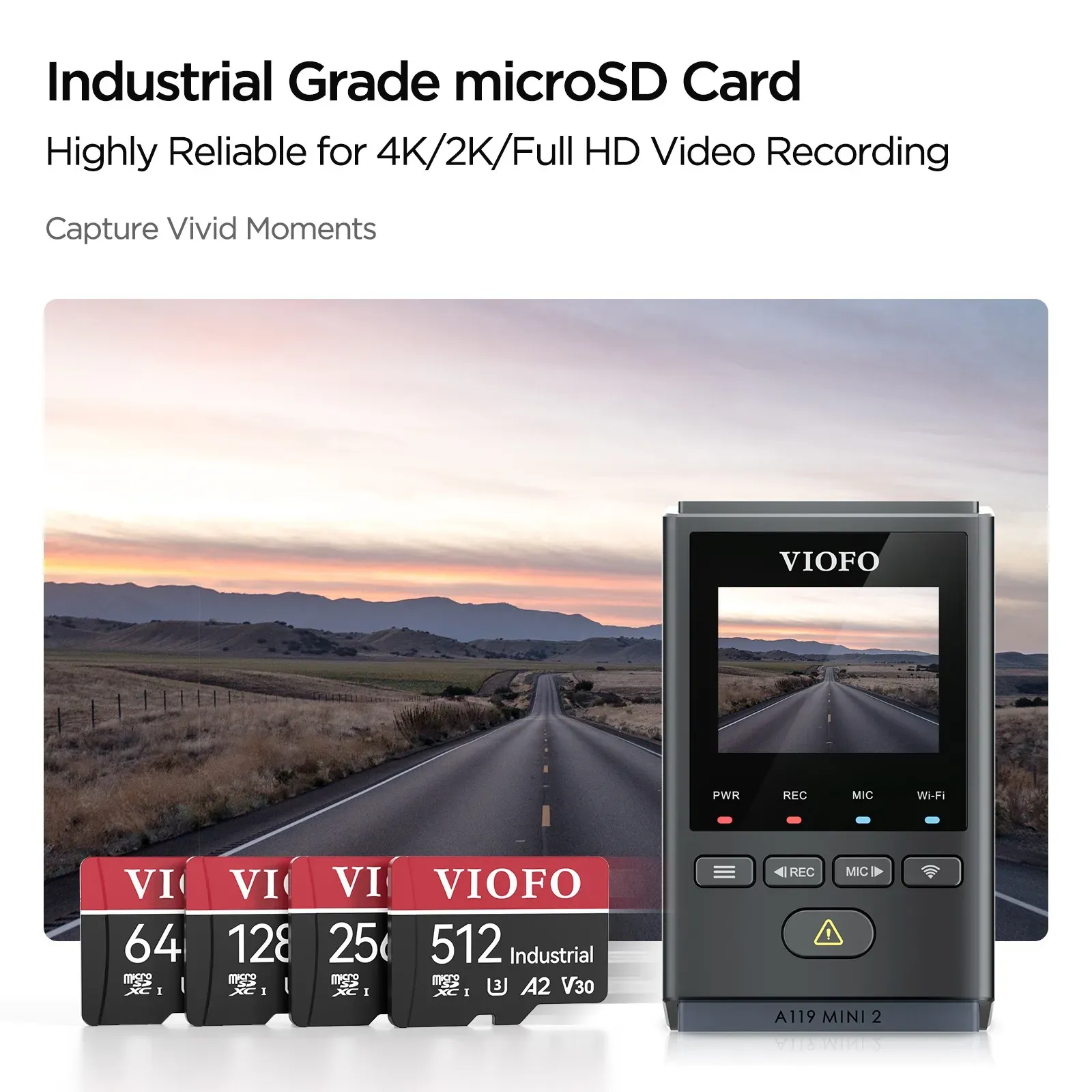
This card is positioned as an industrial-grade option, which is exactly the kind of language serious dash cam users look for when endurance matters as much as speed. The inclusion of a full-size adapter makes it easier to move footage to a laptop or reader, so the card is not only for recording but also for quick file handling, which leads straight into its performance profile.
U3 A2 V30 speeds in real driving use
The U3, A2, and V30 ratings are more than badge numbers; they point to steady write performance for high-bitrate video and fast app-based file access. With transfer speeds claimed up to 100MB/s, the card is designed to keep up with 4K dash cam footage rather than stalling during long loops or busy multi-channel recording.
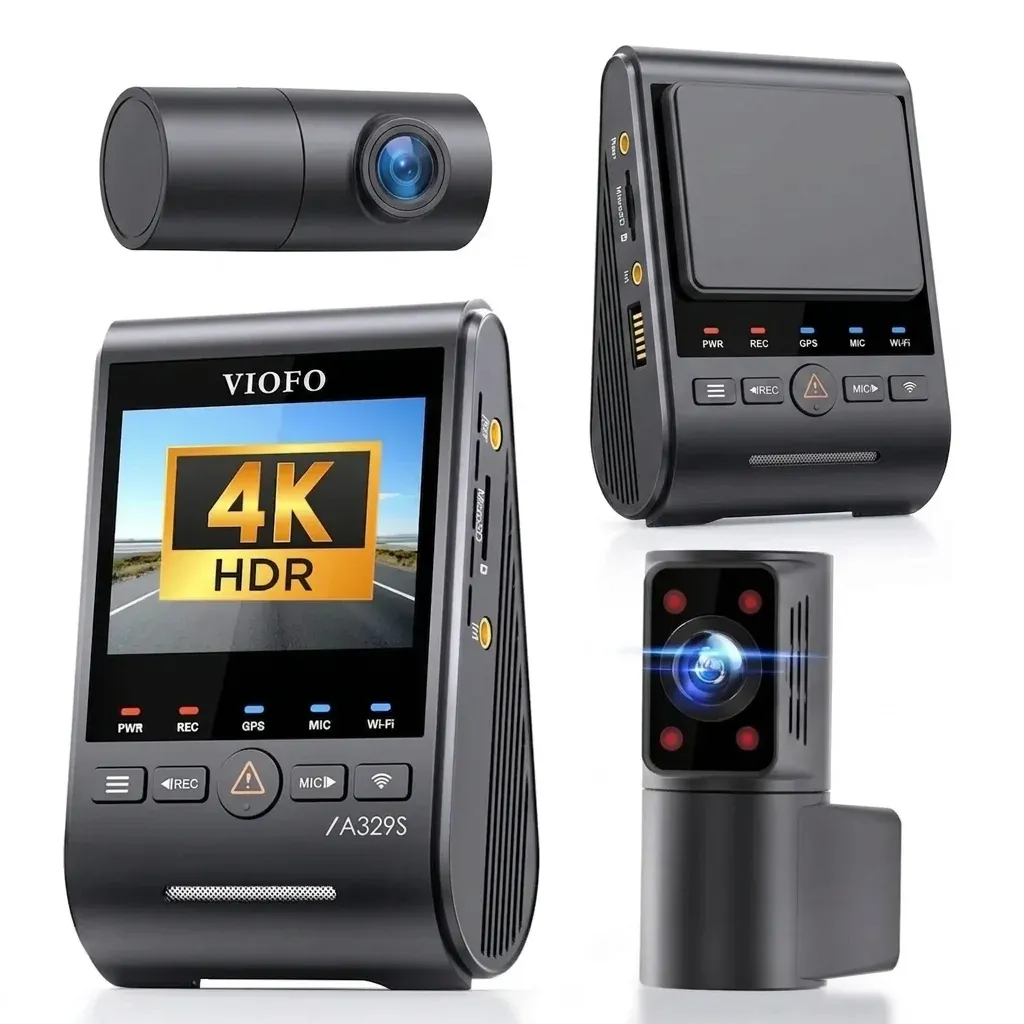
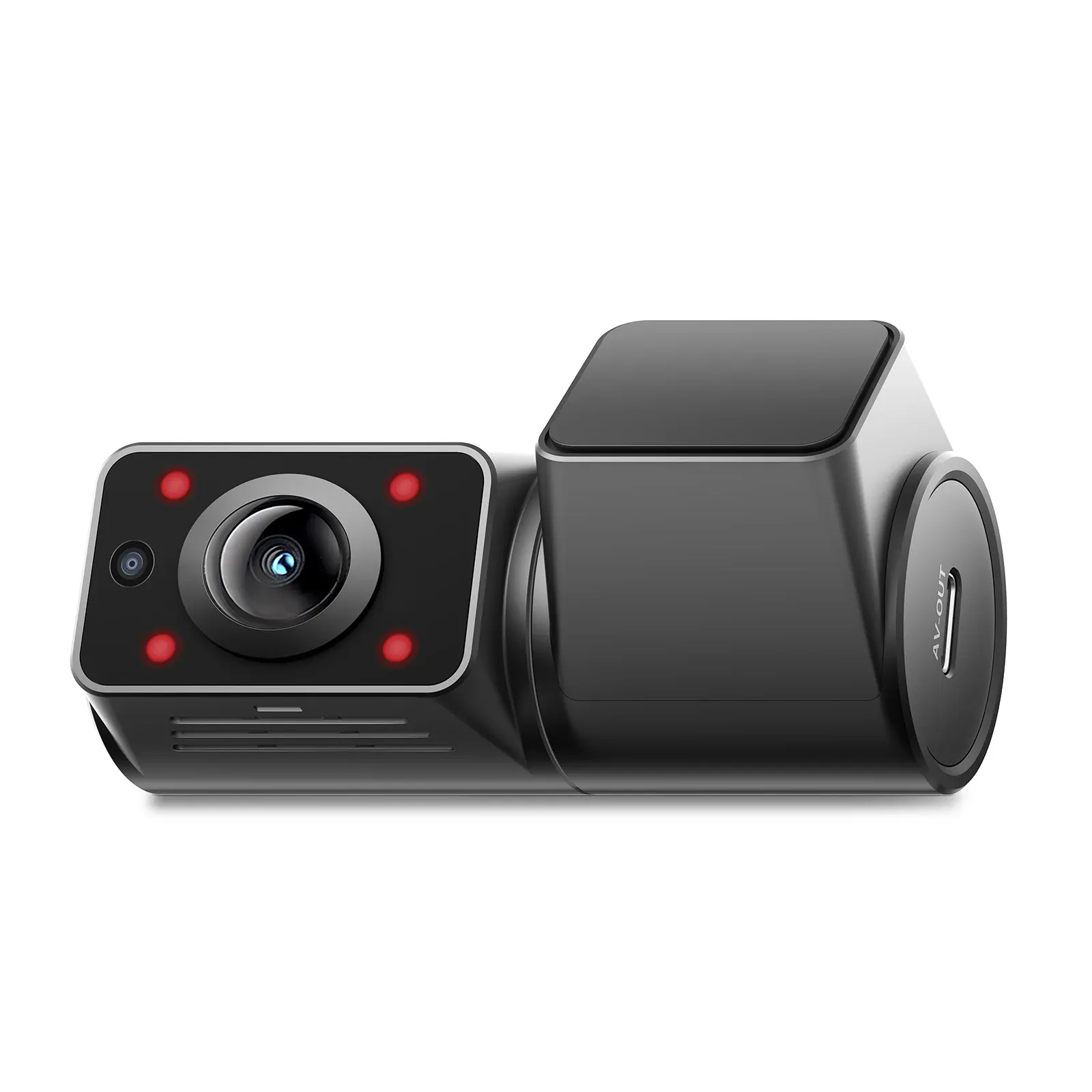
For a 3840x2160 dash cam setup, that matters because the card must absorb large files without hiccups when parking mode or event capture kicks in. Users who paired it with VIOFO cameras reported that it worked immediately after formatting and felt premium in hand, which suggests the card is tuned for the brand’s own recording ecosystem.
Why endurance matters more than headline speed
Dash cam memory is judged less by one-off speed tests and more by how it handles repeated overwrite cycles over months of use. The industrial-grade positioning, plus support for waterproof, anti-X-ray, and anti-magnetic resistance, makes this card a stronger fit for a vehicle than a generic consumer microSD that may be faster on paper but less stable in heat.
That resilience is the real selling point for drivers who want a card that can stay installed in a parked car through seasonal temperature swings. If your recorder is used daily, the practical advantage is fewer card errors, fewer surprise formatting prompts, and fewer lost clips when you need them most, which raises the next question: how much capacity should you choose?
Choosing the right capacity for your camera
The range from 32GB to 512GB gives this card broad coverage, but the best option depends on how your dash cam records. A 4K front camera with parking mode benefits from the larger capacities, while a single-channel commuter setup can often get by with less if footage is offloaded regularly.
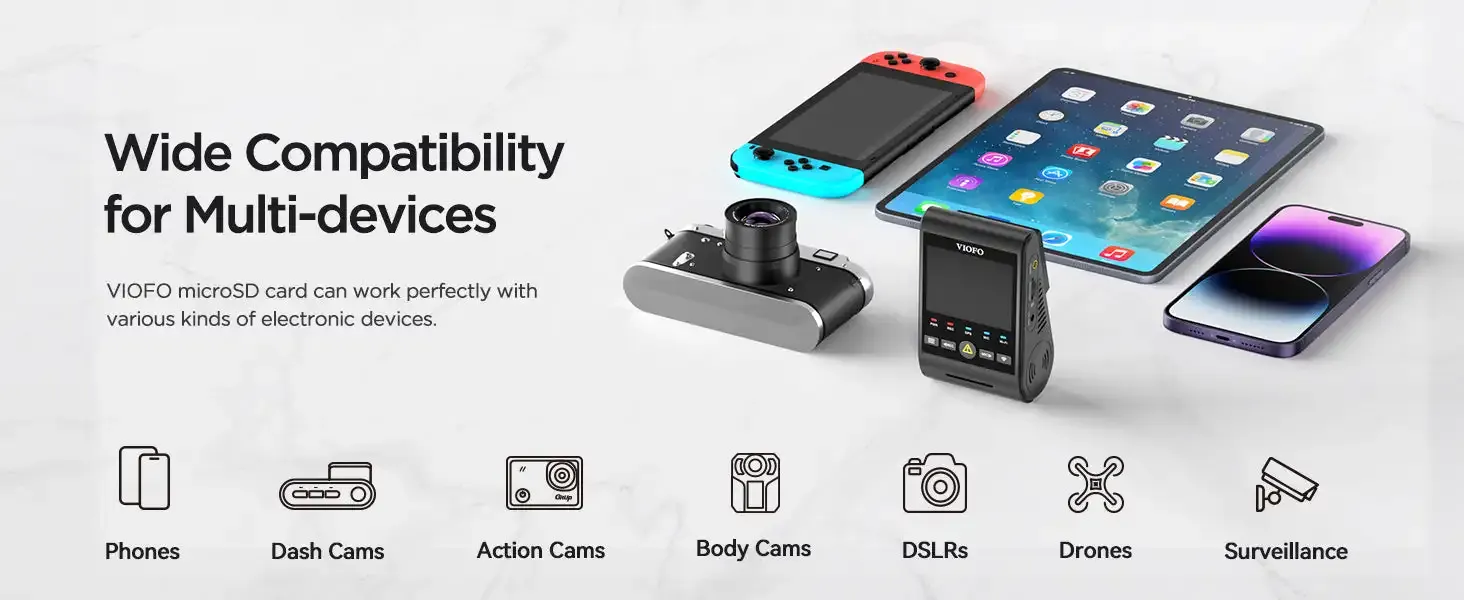
Real customer feedback is encouraging, with a 5.0 average from 34 reviews and repeated comments that it works as expected in VIOFO dash cams. That consistency is useful because memory cards are one of the few accessories where reliability matters more than flashy features, and this model seems to deliver exactly that.
Who should consider it over a standard microSD card
This card makes the most sense if you want a storage solution matched to a VIOFO recorder, especially for 4K capture and long-term daily driving. It is also a sensible choice if you transfer footage often, since the included adapter and high-speed interface make moving clips to a computer feel quick and clean rather than slow and mechanical.
Drivers who only need occasional storage may not use its full endurance potential, but anyone depending on a dash cam for incident evidence will appreciate the extra stability. In that use case, the card feels less like a generic accessory and more like part of the recorder itself, which is where it becomes genuinely useful.