







Why VIOFO’s add-on cameras are trusted in the dash cam niche
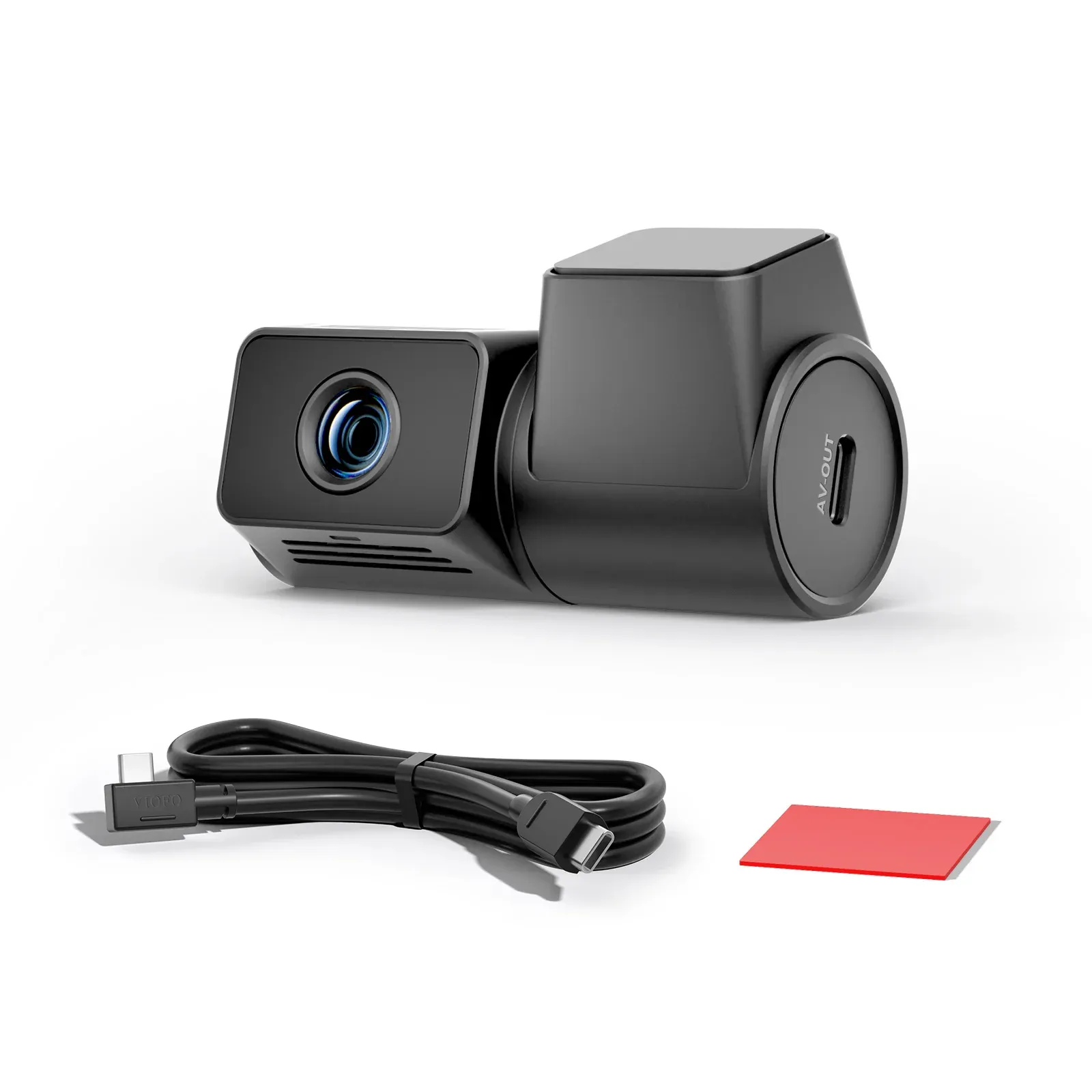
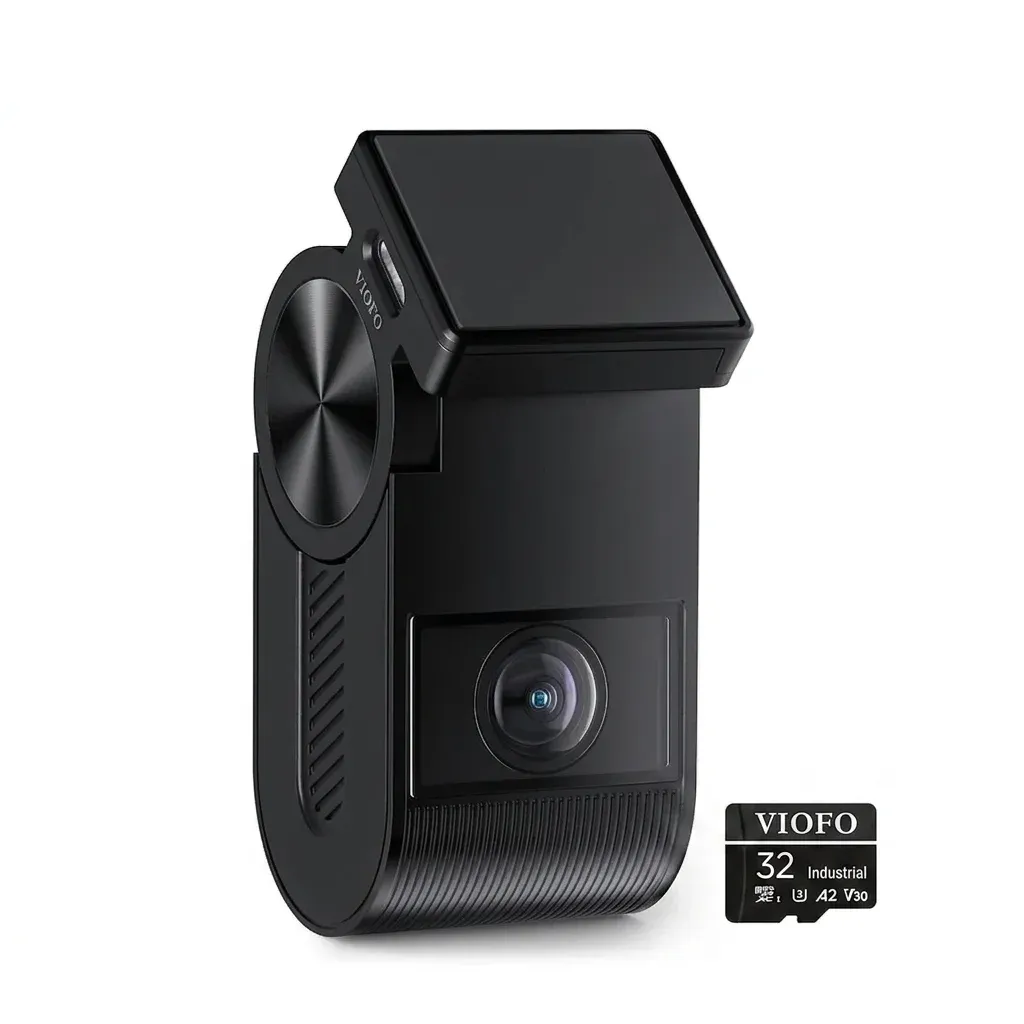
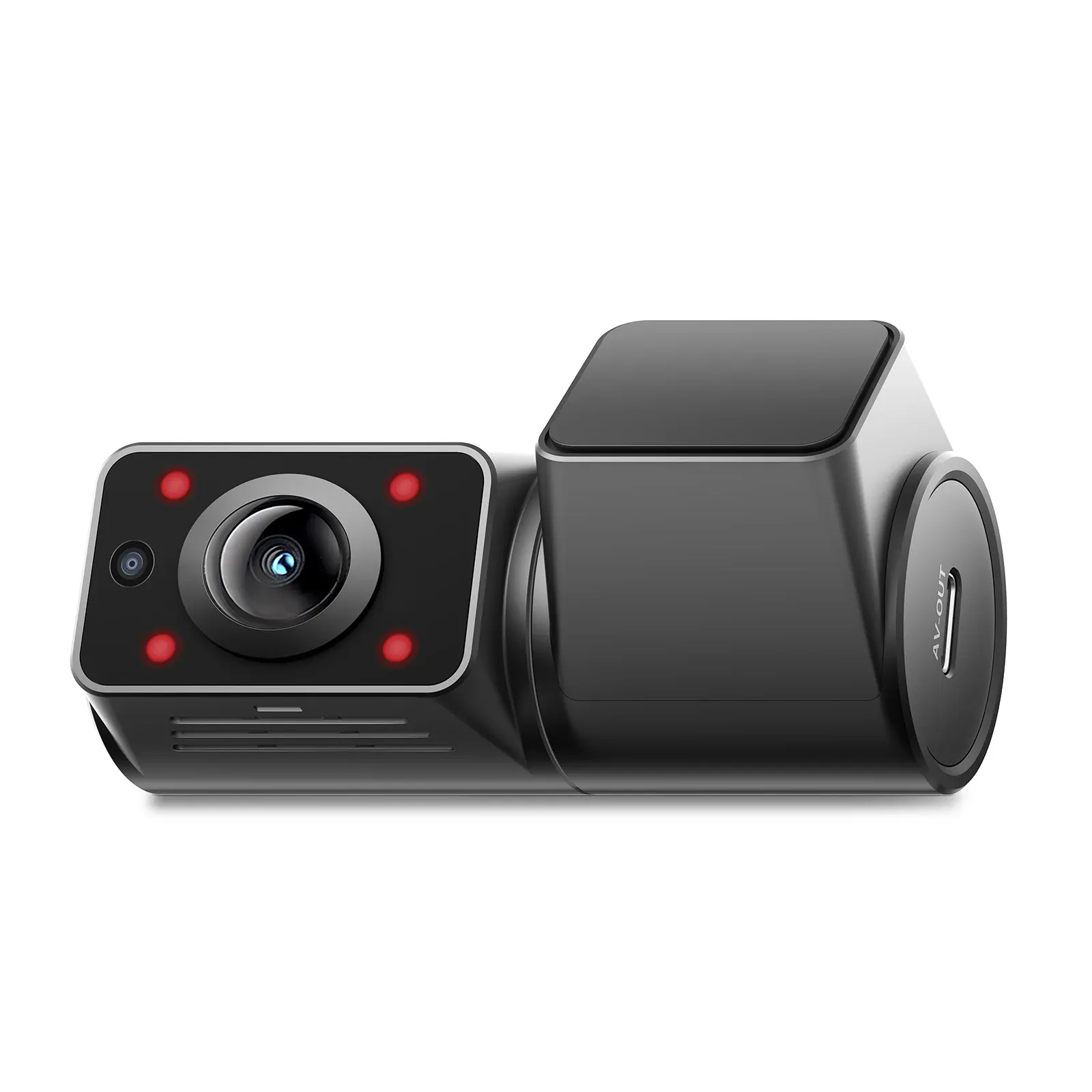
VIOFO has built a strong reputation in the AliExpress UK dash cam market by focusing on image quality, firmware control, and accessories that expand an existing system instead of replacing it. That approach matters here, because the RTC320 is not a generic camera module; it is a purpose-built telephoto upgrade for specific A229 models.
Users who already run a VIOFO setup tend to value how closely the brand matches optics, app behaviour, and mounting logic across its ecosystem. That consistency is what makes this kind of add-on feel integrated rather than improvised, and the details become clearer once you look at what the telephoto lens changes on the road.
2K telephoto framing: the real benefit is distance detail
The RTC320 uses a 2K 30fps telephoto lens with a Sony STARVIS 2 IMX675 sensor, which is a meaningful step up when your main concern is reading details farther ahead. Instead of capturing a broad scene, it narrows the field of view so vehicles, plates, and roadside events appear larger in frame, which is exactly what users reported when checking distant licence plates.
In practice, that means less reliance on digital zoom from a wide-angle camera, where detail often breaks apart fast. If your commute includes multi-lane traffic, long straight roads, or incidents happening several car lengths away, this lens is aimed at the part of the scene most wide-angle dash cams struggle with.
HDR and H.264: cleaner footage in difficult light
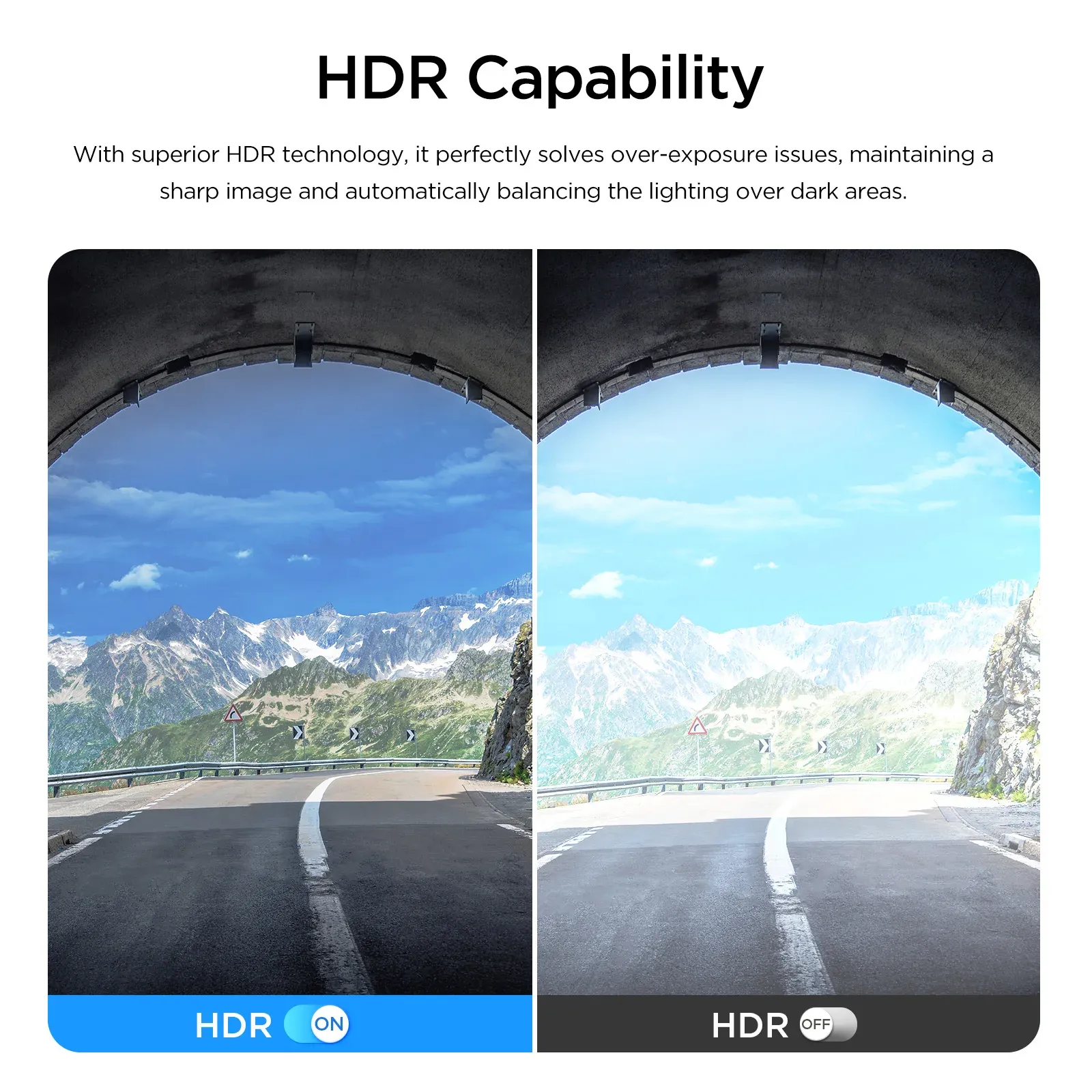
HDR is one of the more useful features here because telephoto footage can become harsh quickly when sunlight hits reflective bodywork or when headlights flare at night. The camera is designed to hold more usable detail in both bright and dark areas, which helps preserve plate edges and vehicle outlines instead of turning them into a bright smear or a black silhouette.
Recording is handled in H.264, a familiar format that keeps files practical for storage and review without making playback awkward. With 1920x1080 output listed in the specs and 30fps capture, the module is tuned more for clarity and evidence value than cinematic smoothness, so the next question is how it fits into the car.
What it changes in an A229 Plus or A229 Pro setup
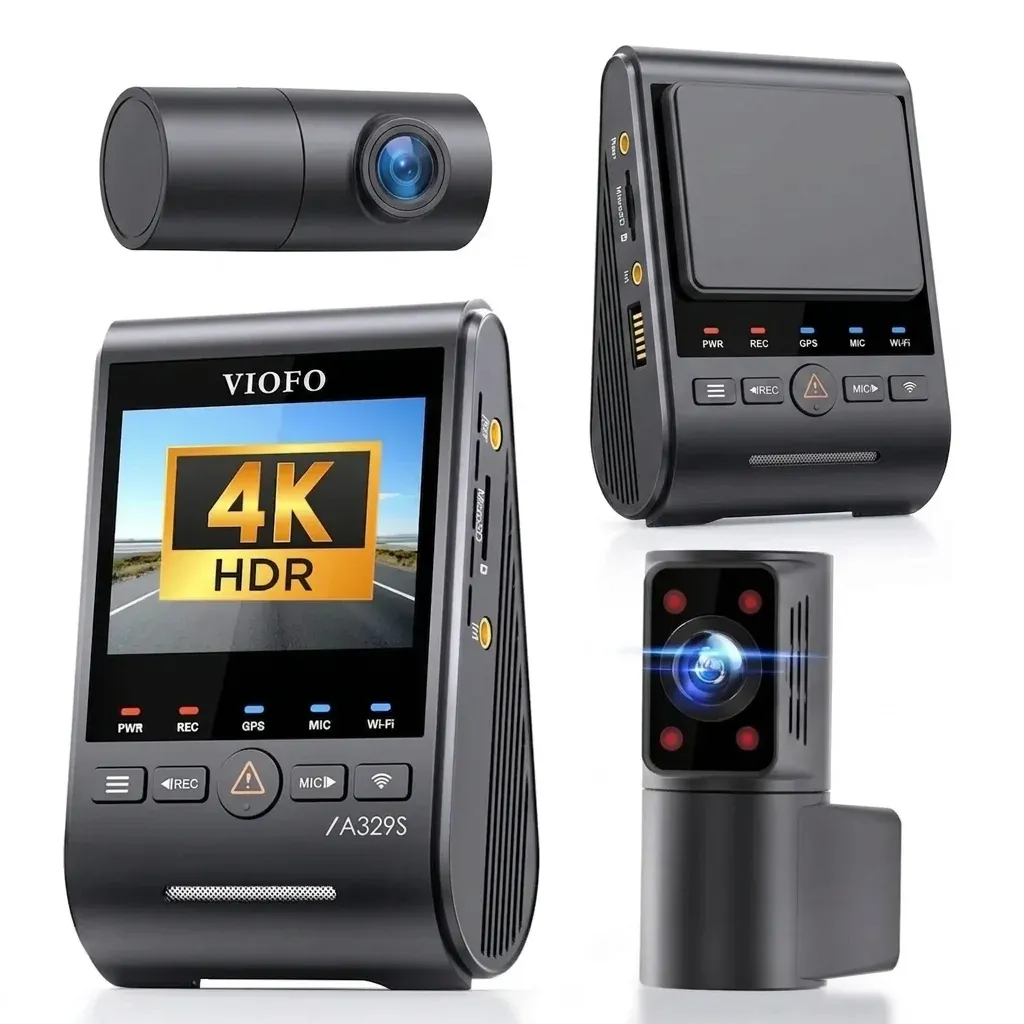
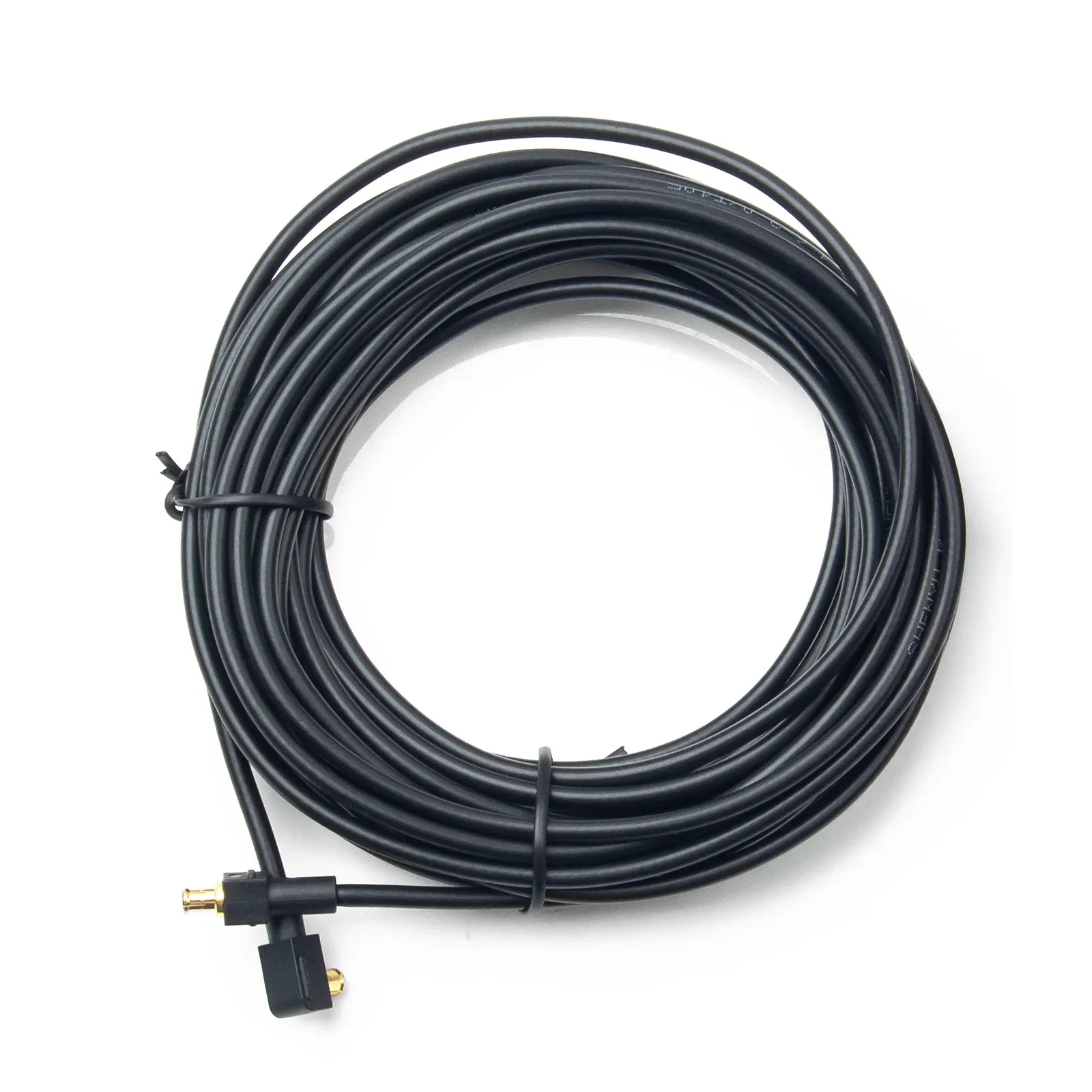
This camera is compatible with the A229 Plus and A229 Pro 1CH dash camera, and the product notes are important for anyone running a 2CH or 3CH configuration. If a telephoto lens is used on those setups, it occupies the Type-C rear port on the main front camera, so the rear camera cannot be used at the same time.
That limitation is the main trade-off, but it also explains the product’s role: it is for drivers who care more about magnified forward detail than full multi-camera coverage. One customer review even noted that the camera could read distant plates well, while another highlighted the need to understand the rear-camera port conflict before installation, which is a useful reality check for buyers.
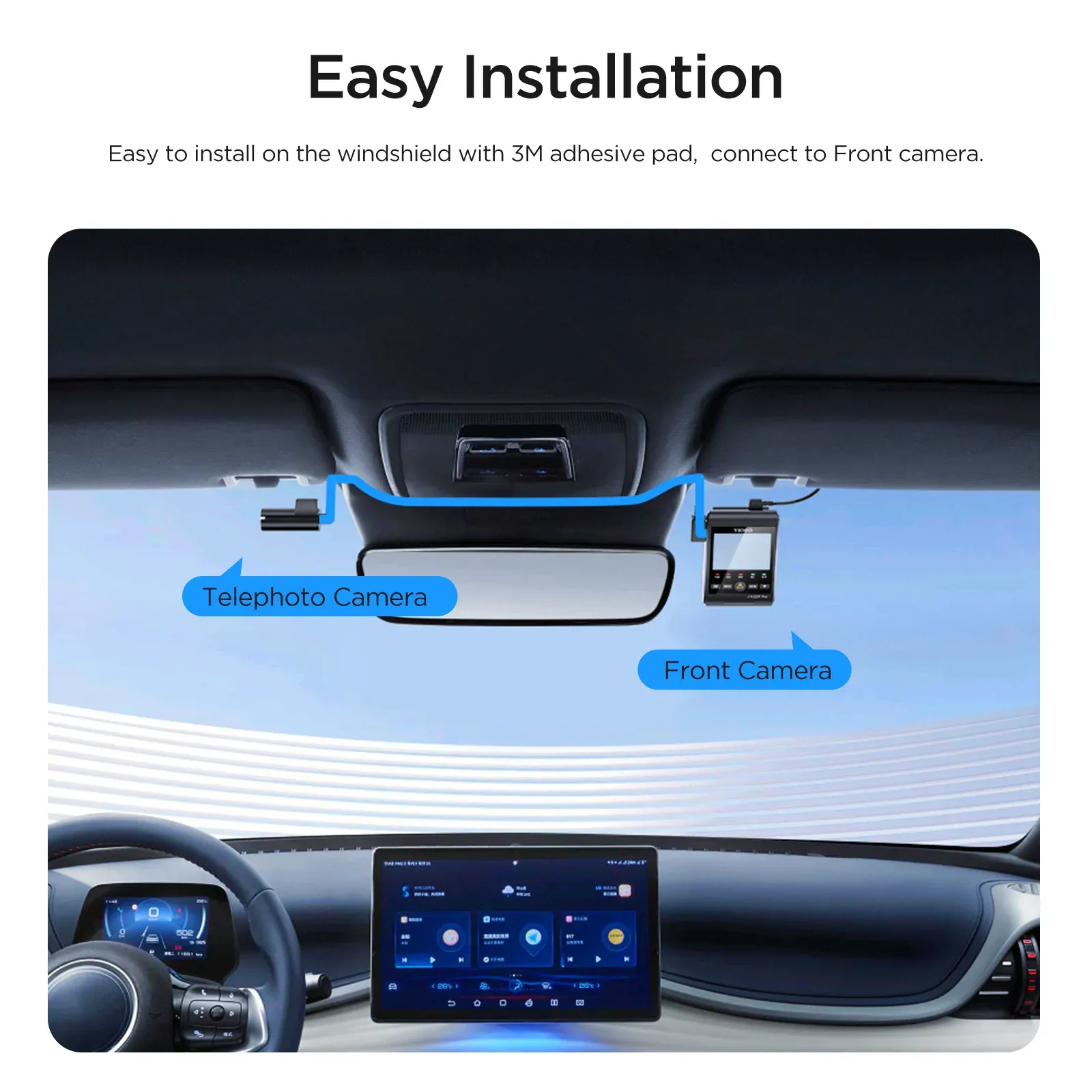
Installation and daily use: simple, but system-specific
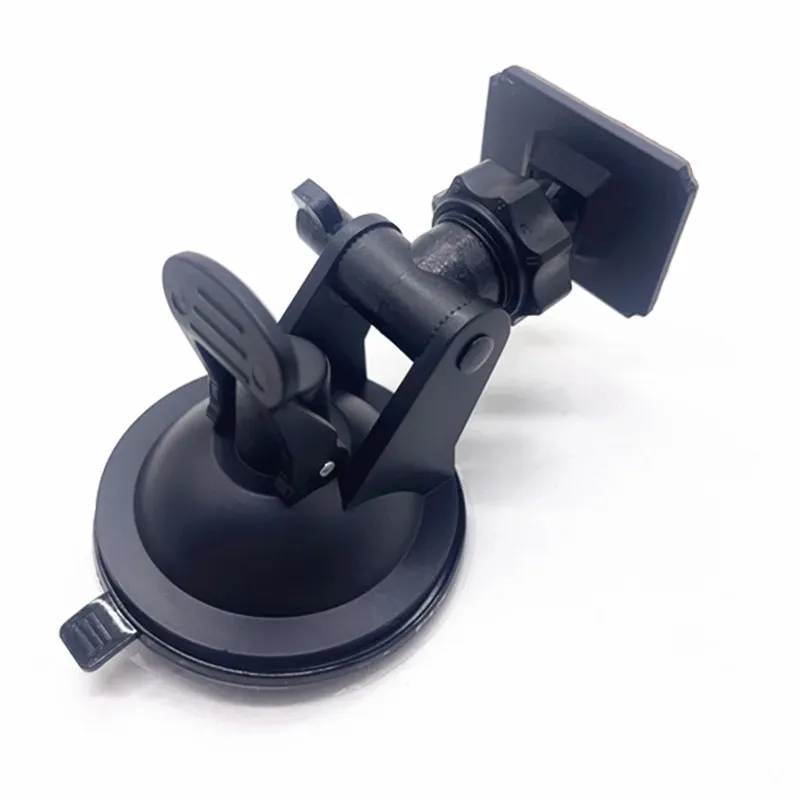
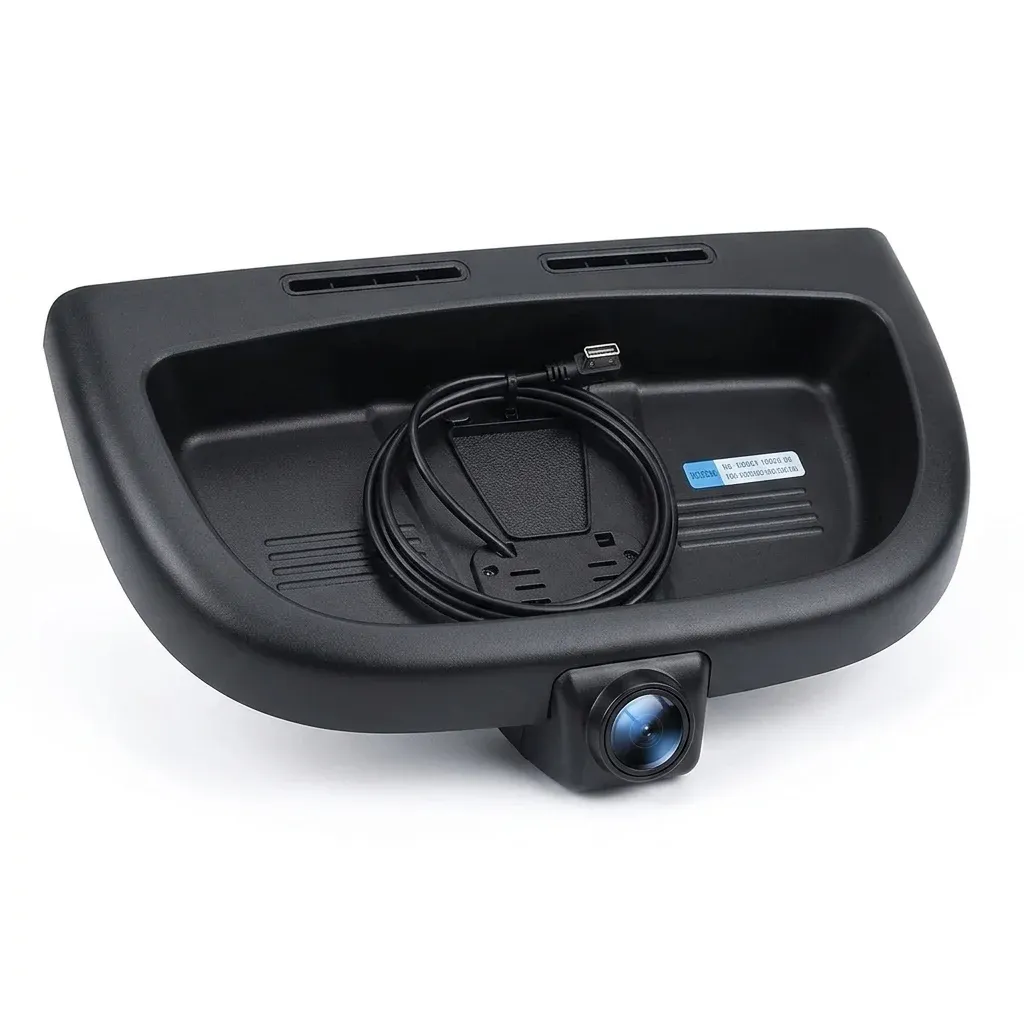
The hidden-type assembly keeps the module visually discreet once fitted, which suits a dash cam system that should stay out of the way. There is no battery included, no standalone power design, and no separate operating logic, so this is best treated as an extension of an existing VIOFO kit rather than a self-contained camera.
That makes setup straightforward for the right owner, though the app settings can take a little time to learn because users mentioned image flip and adjustment menus during installation. If you like a camera that can be fine-tuned for your car rather than just switched on, this flexibility is a plus, and the compatibility details are where most buyers should focus next.
Who gets the most from it
- Drivers who want better plate visibility at distance.
- A229 Plus or A229 Pro owners who only need a 1CH front-focused upgrade.
- Commuters on fast roads where incidents happen beyond the bonnet line.
- Users who prefer a compact, hidden add-on over a full replacement system.