






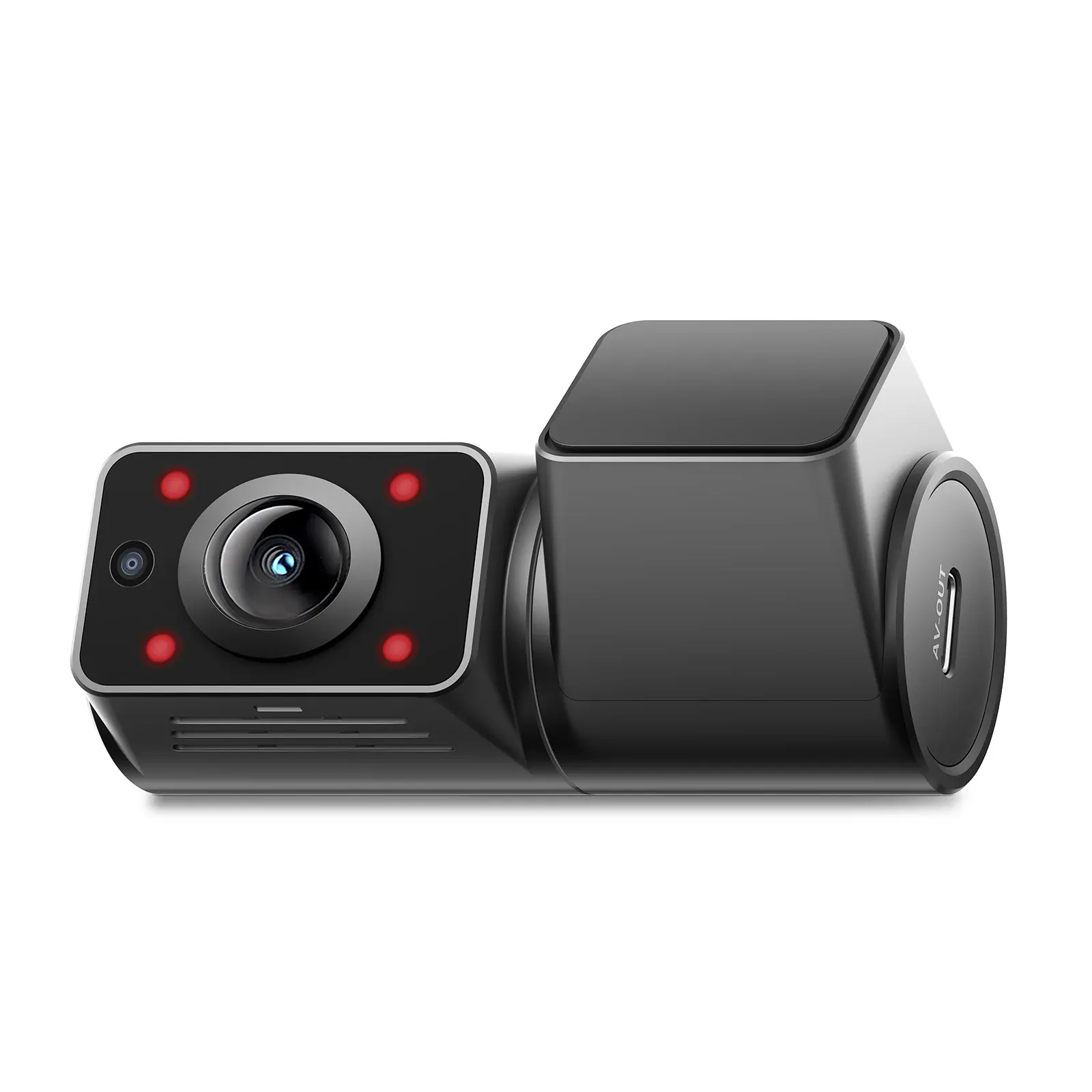

Three-camera coverage that solves blind spots
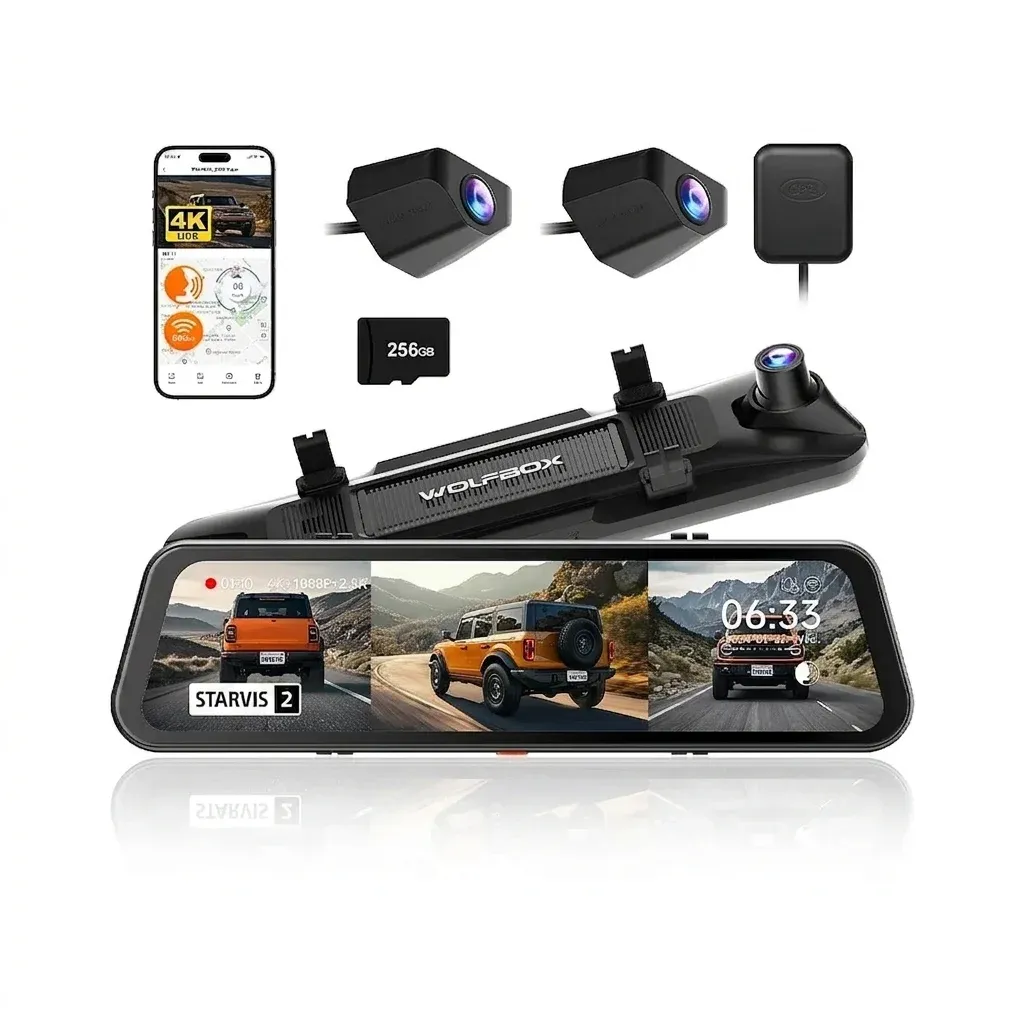
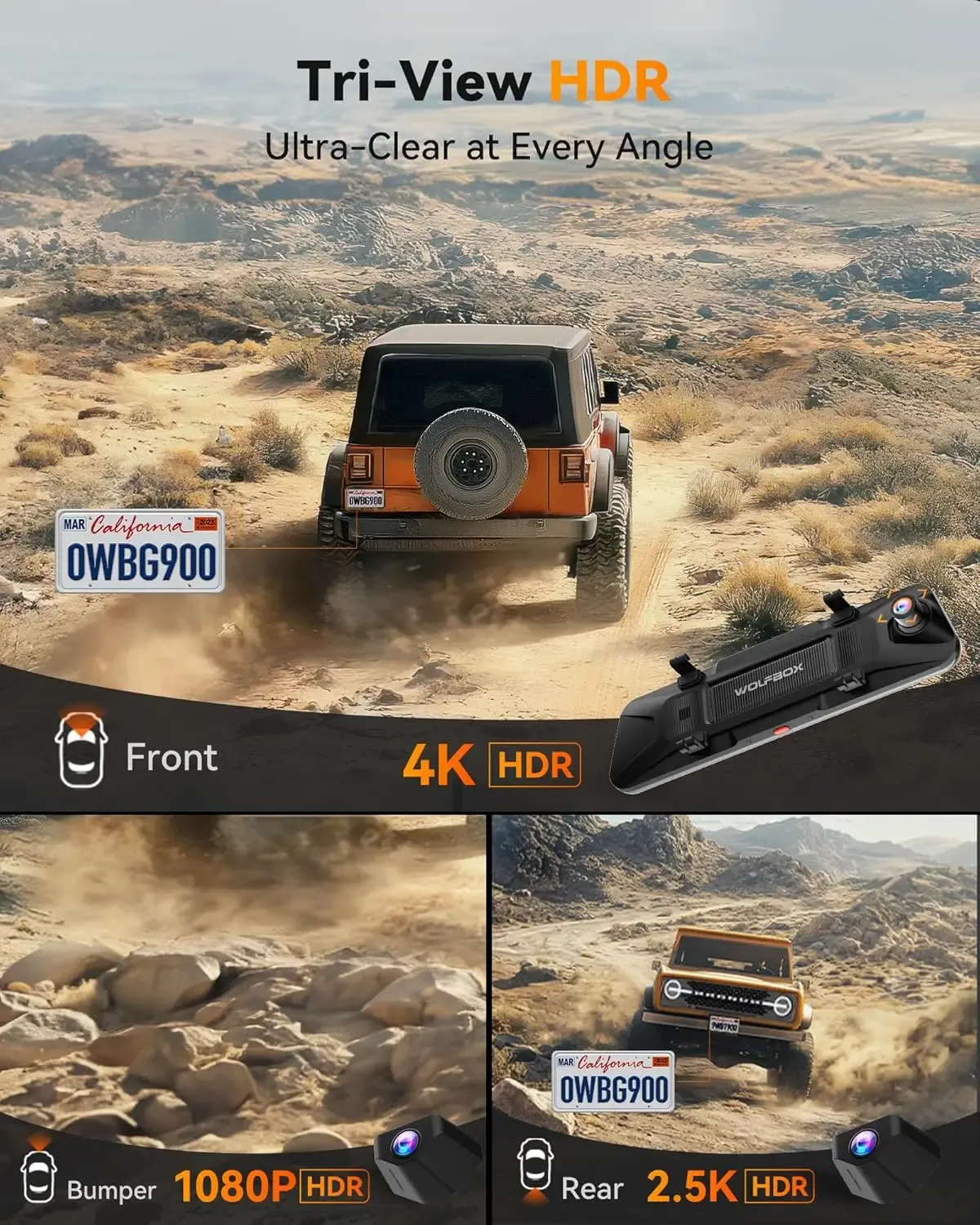
The main appeal here is simple: one unit records the road ahead, the cabin, and the rear view at the same time. That matters if you want evidence from all directions without adding separate cameras or cluttering the cabin.
The 170-degree field of view and three-lens layout make this a stronger fit for larger cars, family vehicles, and drivers who spend time in dense traffic. Compared with a standard dual-channel mirror cam, it gives you more context when a lane change, tailgating incident, or parking scrape needs proof.
4K front recording with STARVIS 2 detail
The front camera records at 3840x2160, and the STARVIS 2 IMX678 sensor is the part that should help most after dark. In practice, that means sharper number plates, cleaner edges around headlights, and less of the muddy glare that often affects cheaper dash cams at night.
The F1.5 aperture also helps the camera gather more light, which is useful on unlit roads and in wet weather. Users often praise the clarity, and that lines up with the hardware on paper, though the rear bumper feed is where expectations should be kept realistic.
Mirror display that feels more natural than a separate screen
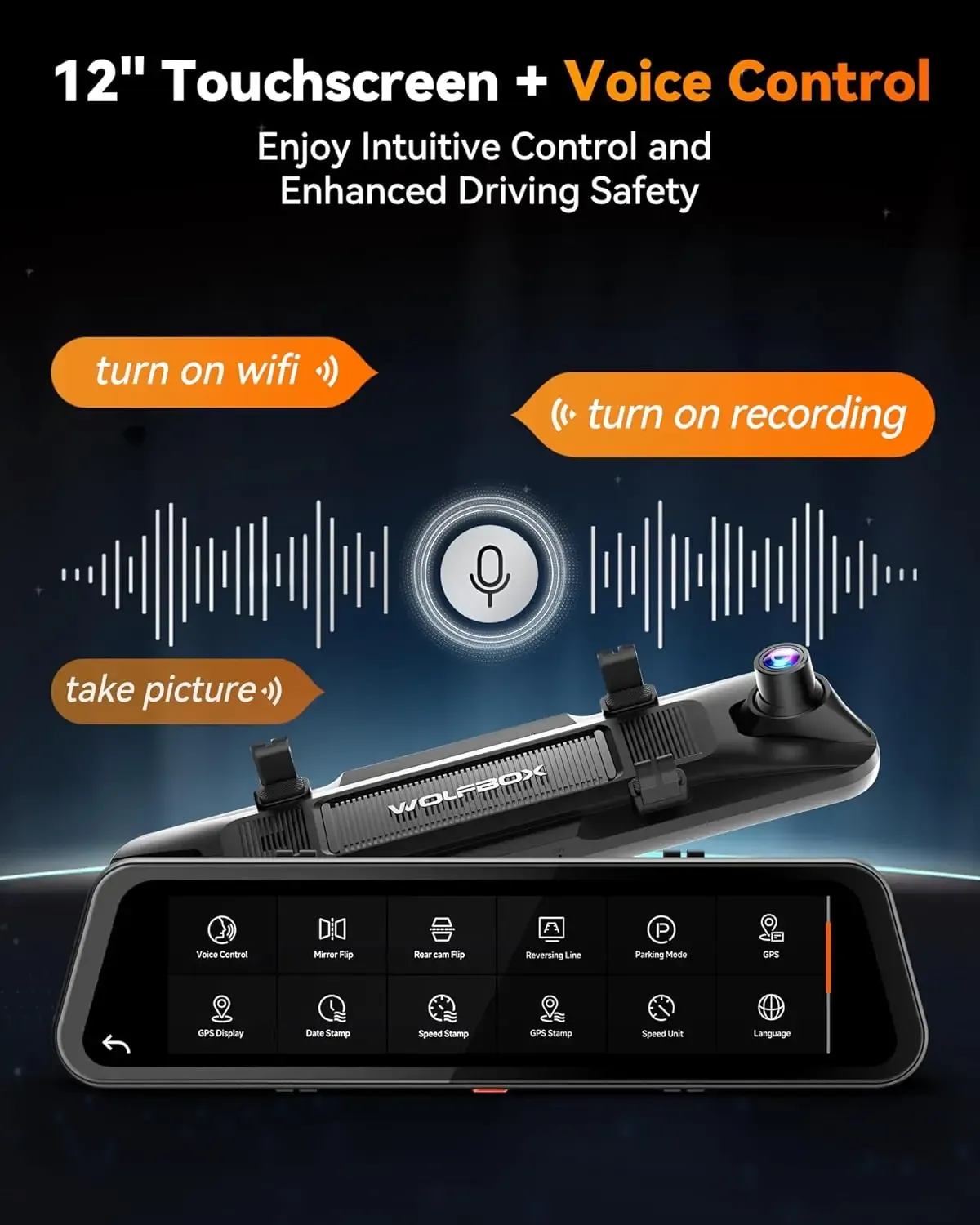
The 12-inch IPS touchscreen turns the rearview mirror into a full-time control centre without feeling like a dangling accessory. The 16:9 panel is large enough to read menus quickly, and the display rotate function helps when the installation angle is slightly off.
This setup is especially useful if you prefer a clean OEM-style look over a suction-mounted camera. The trade-off is that the mirror body is substantial, so smaller cabins may need a little time to get used to the scale before it feels natural.
Voice control and parking monitoring for everyday use
Voice control is one of the features that sounds minor until you use it in traffic, because it lets you trigger functions without reaching for the screen. That reduces distraction when you want to save a clip, switch views, or manage recording while driving.
The parking monitor and loop recording make the unit more practical for daily security, especially when paired with the included 256GB card. According to the product setup, hardwire support is tied to the HW kit option, so buyers who want 24-hour parking surveillance should check that version before ordering.
What the user feedback suggests
Real customer feedback is broadly positive, with a 4.7/5 average from 44 reviews and strong comments on clarity and build quality. A small number of users raised issues around rear-camera calibration or package contents, so installation checks matter as much as the hardware itself.
That mix suggests a capable system with a few setup-sensitive points rather than a plug-and-forget gadget. If you want the best results, focus on correct camera placement, card compatibility, and whether the bumper camera is included in the exact bundle you choose.
Who this mirror dash cam suits best
This is a strong match for drivers who want a single integrated recorder instead of a loose front-and-rear kit. It should also appeal to anyone who values a large screen, parking coverage, and a ready-to-use memory card in one package.
If your priority is the cleanest possible rear image for reversing lines, you may want to study the rear-camera angle carefully before fitting it. For most real-world driving, though, the three-channel layout gives a clearer story than a basic two-camera setup, and that is the real advantage here.