








Three-camera coverage that closes the blind spots
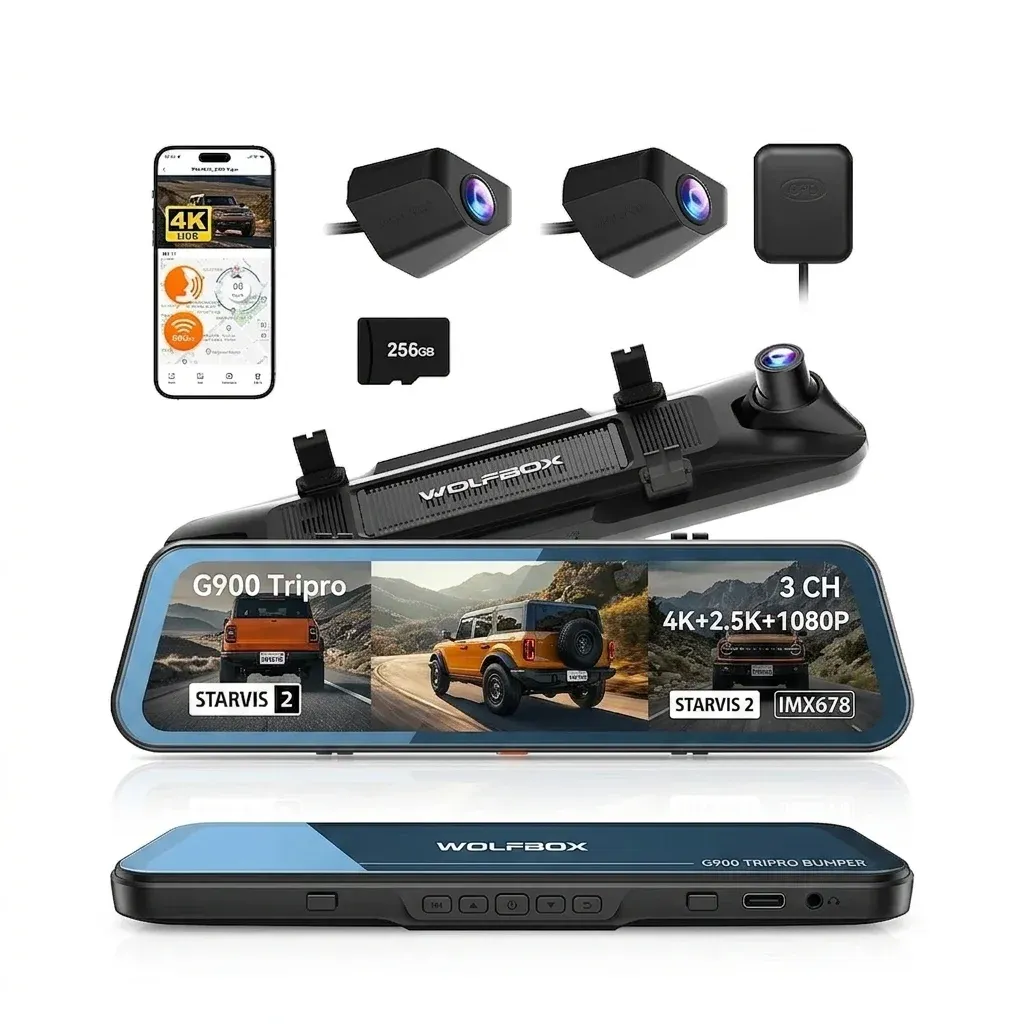
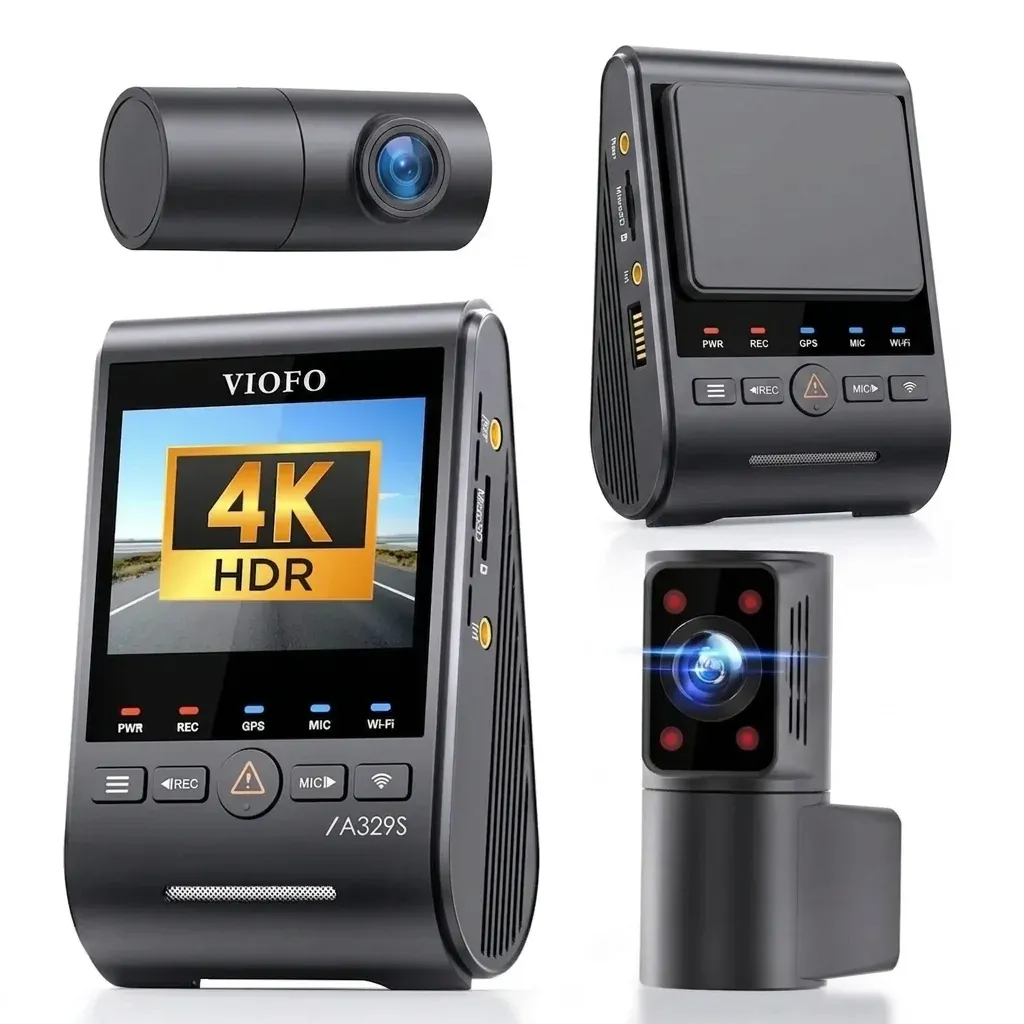
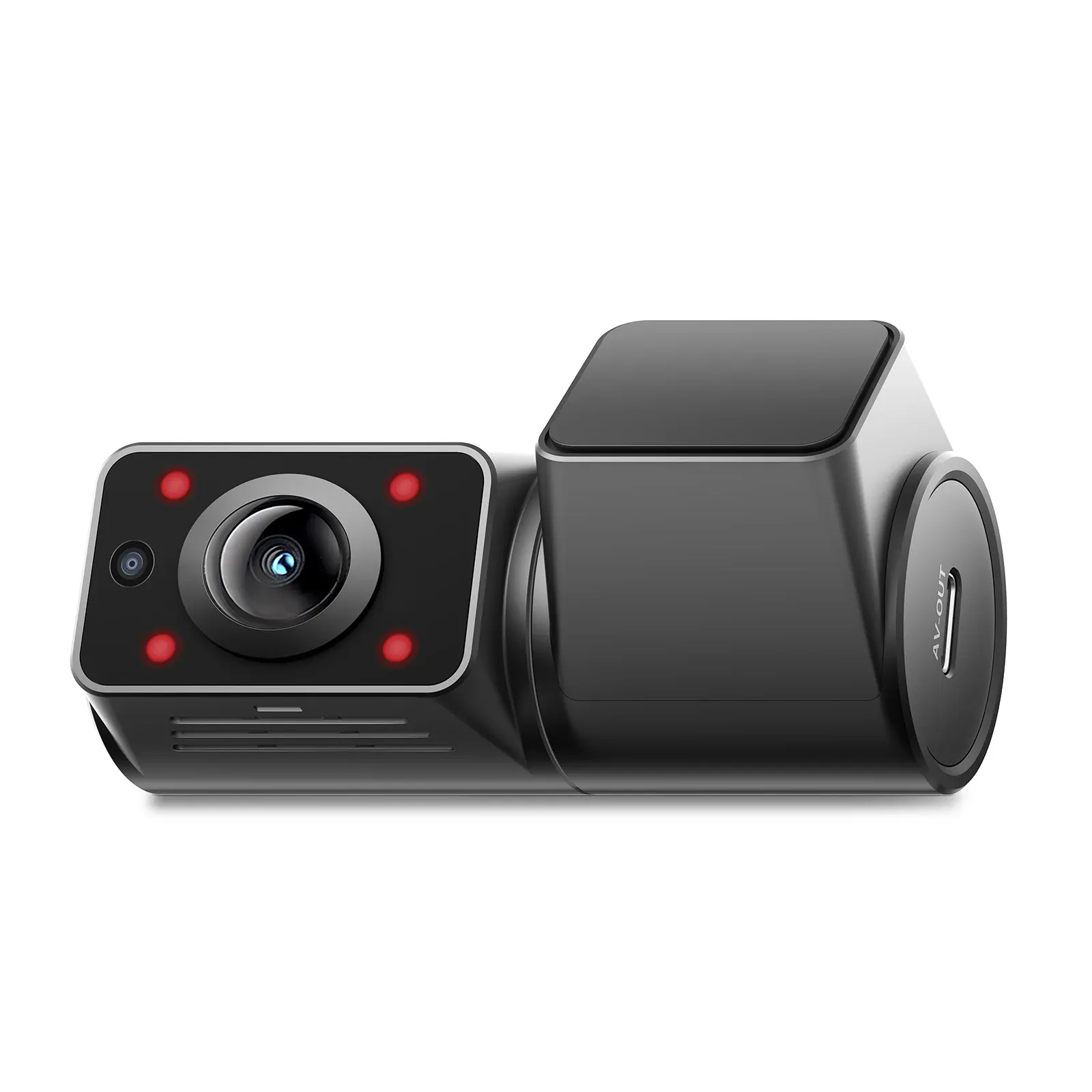
The main appeal here is simple: one unit records the road ahead, the rear, and the cabin or side-relevant angle through a three-lens layout. That makes it far more useful than a basic dual-channel dash cam when you want a fuller record of events around the car.
The mirror-style format also keeps the dashboard uncluttered, which matters in a vehicle used daily or for touring. For camper vans and larger cabins, the wider 170-degree field of view helps reduce the feeling that one important angle is being missed, so what does that mean at night?
STARVIS 2 and 4K detail in real driving
The headline hardware is the STARVIS 2 IMX678 sensor paired with 3840 x 2160 recording, which should translate into sharper number plates, cleaner road markings, and better texture in low light than older 1080p mirror units. At 30 fps, the footage is tuned for smooth motion rather than cinematic polish.
The F1.5 aperture and NightShot function are the parts that matter after dark, where mirror cams usually struggle with glare and grain. Users’ feedback points to good video quality and solid materials, which lines up with the spec sheet, but the real test is how clearly the rear camera handles bright headlights and wet roads.

Voice control and touch screen make daily use easier
Voice control is not a gimmick here because it lets you protect a clip or switch actions without reaching for the screen while driving. The 12-inch IPS touch display should be easy to read at a glance, and the rotate function helps if the mirror position needs to suit a taller driver or a different cabin layout.
That convenience is especially useful in stop-start urban traffic, where a dash cam should stay in the background until you need it. The real question is whether the installation and cable routing are as practical as the interface suggests?
Parking monitoring and hardwire-ready protection
The included 256GB card gives this package a strong starting point, because 4K three-channel recording can fill storage quickly. Loop recording, G-sensor protection, and parking monitor support make it a better fit for drivers who leave the car in public lots or on the street.

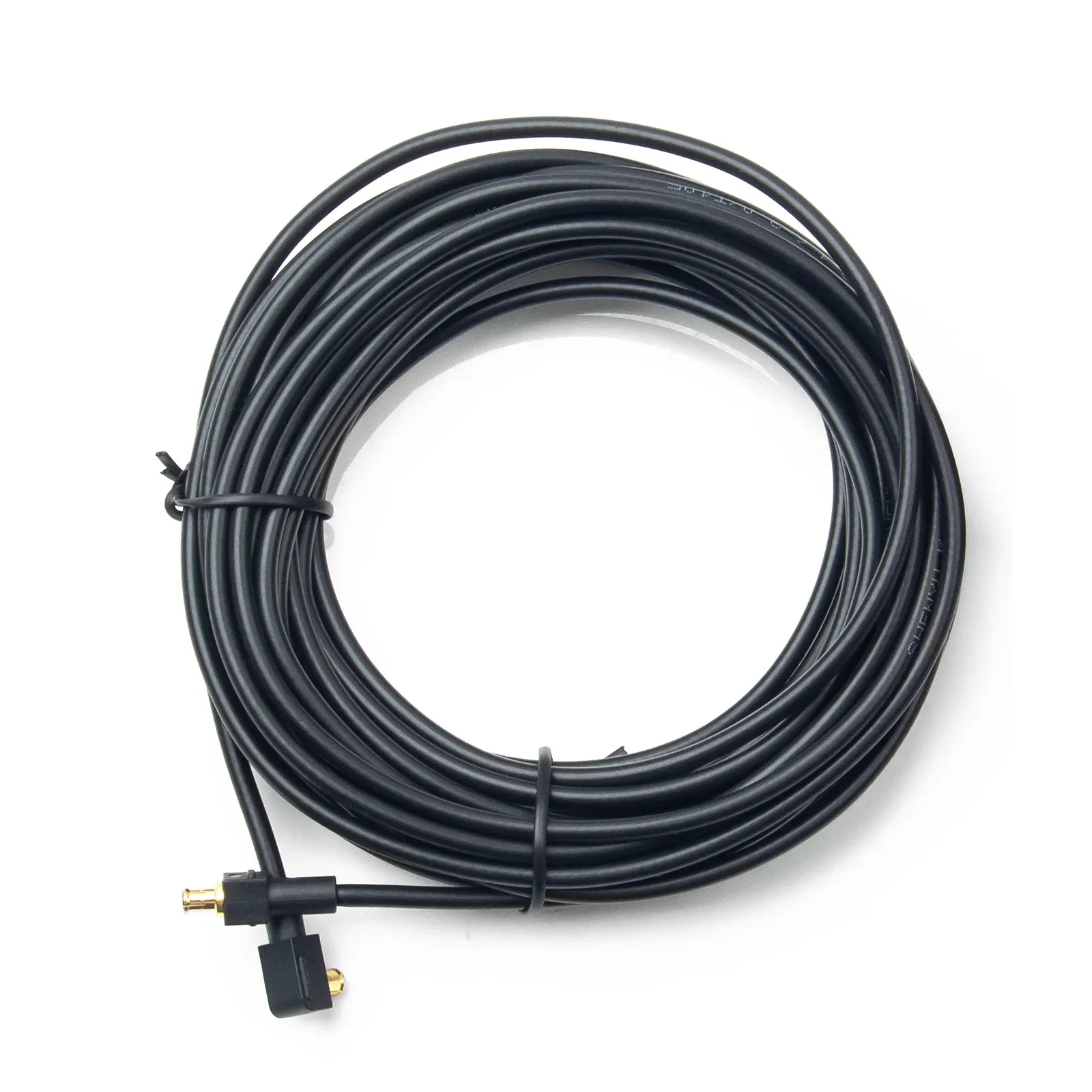
WOLFBOX also notes a hardwire kit option for 24-hour parking surveillance, which is important because the supplied car charger alone will not deliver full-time parked monitoring. If you want the camera to keep watch after ignition is off, that accessory becomes the deciding factor, especially for overnight use.
What stands out in everyday ownership
The build is aimed at durability rather than flash, with anti-fog, anti-vibration, waterproof rear-camera support, and a temperature range from -10 to 60°C. Those details matter more than they look on paper, because mirror dash cams live in harsh conditions where heat, condensation, and road shake can ruin lesser units.
Real reviews are still limited, but the available customer comments are strongly positive and mention quality materials, clear video, and quick delivery. That early feedback fits a product designed for drivers who want an integrated rear-view mirror solution with serious recording hardware, so the remaining question is whether your vehicle needs the hardwire setup to unlock its full potential?