







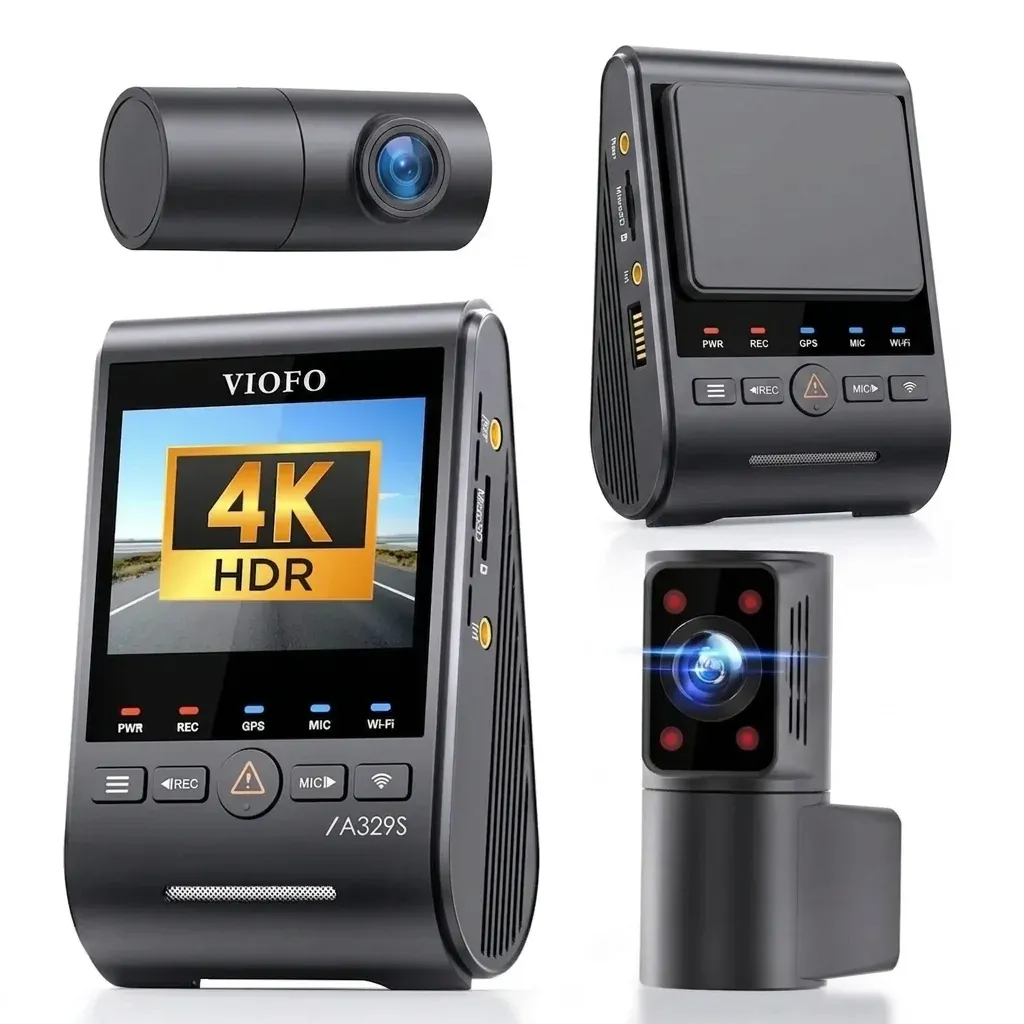
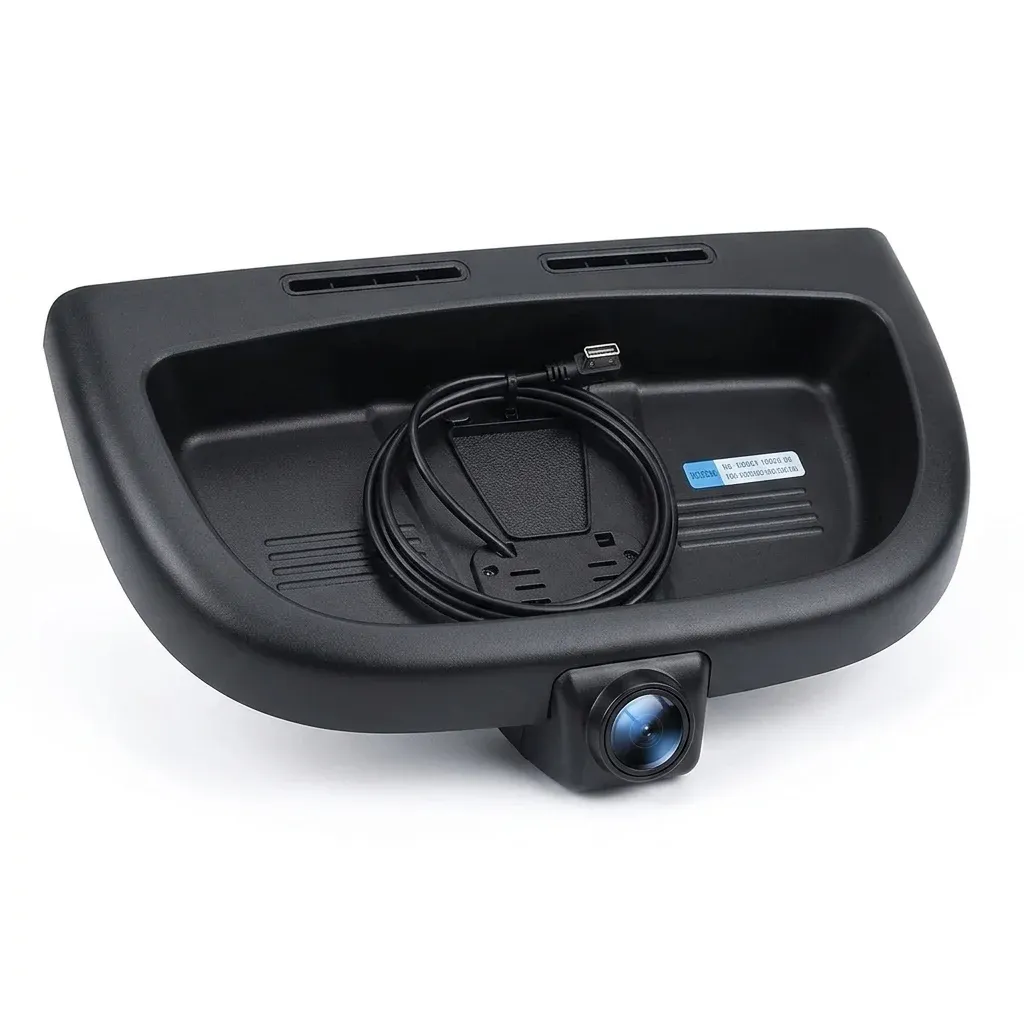
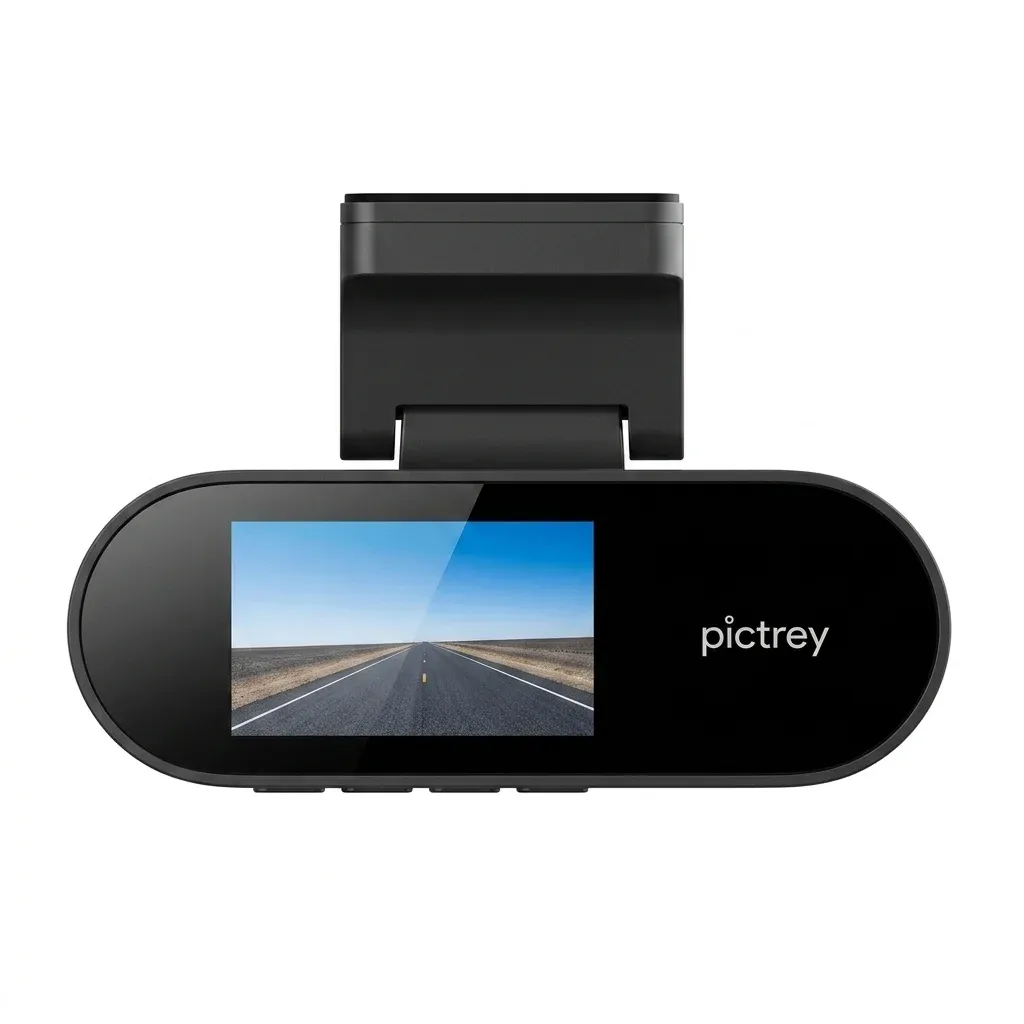

Three-camera coverage without cluttering the windscreen
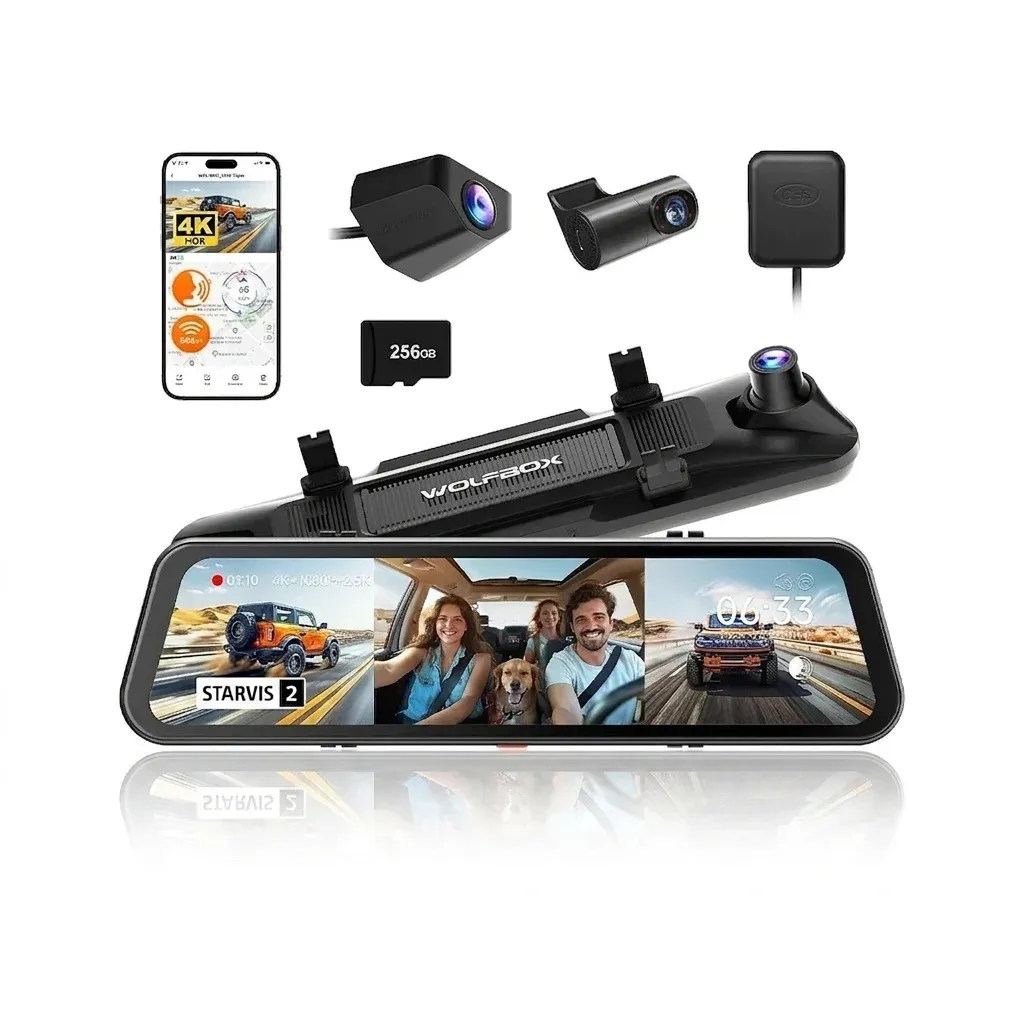
The main advantage here is simple: you get front, cabin, and rear recording in one mirror-mounted unit, so the car stays cleaner than with a stack of separate cameras. That matters if you want broad coverage for commuting, ride-hailing, or family use, because the 170-degree viewing angle and 3-channel layout reduce the usual blind spots around the vehicle.
The 12-inch IPS touchscreen also changes the experience compared with smaller dash cams, since live framing and playback are easier to read at a glance. If you have ever struggled with tiny buttons on a traditional recorder, this format feels much more natural, so the next question is how well the image quality holds up after dark?
4K front recording and STARVIS 2 in real driving
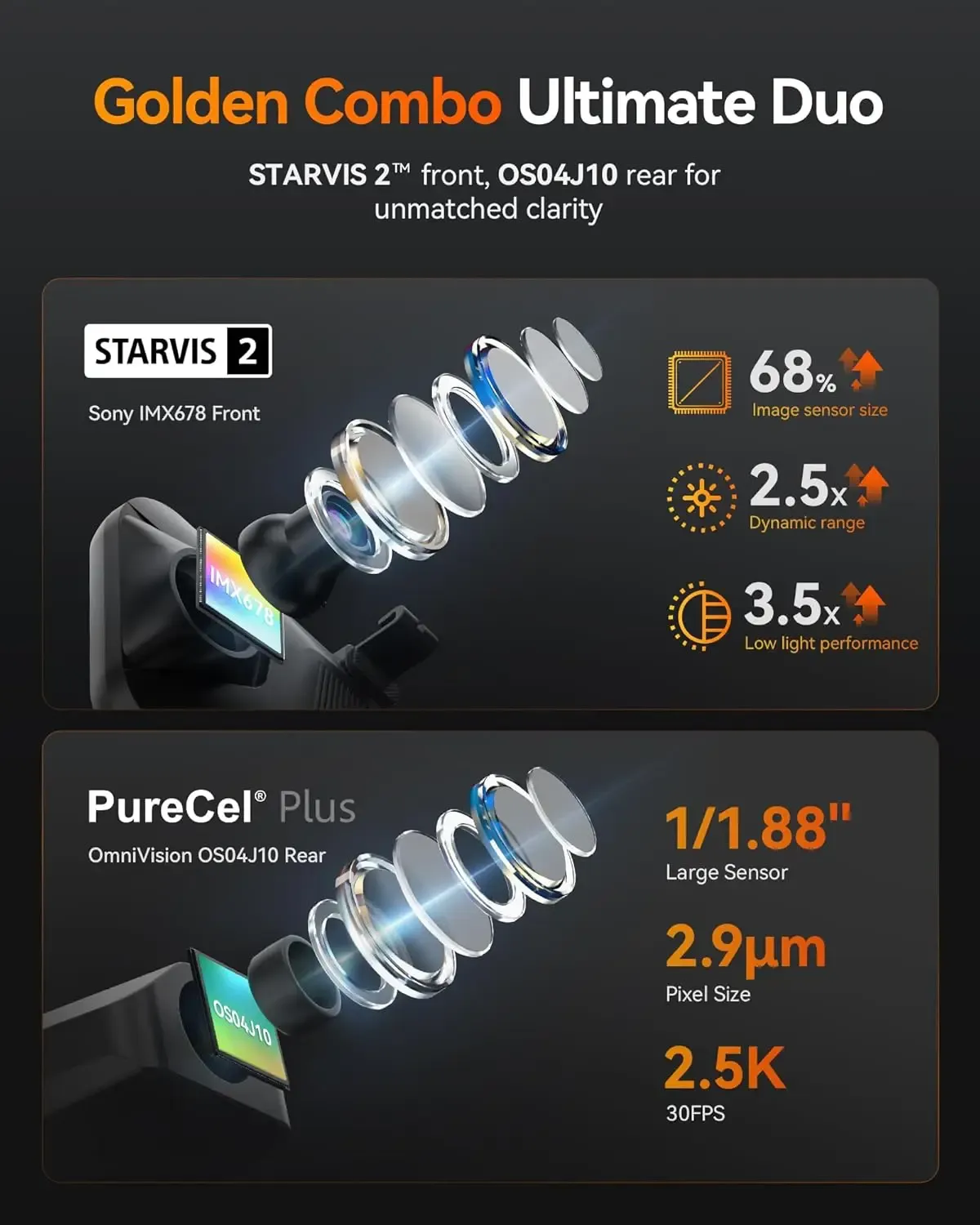
The headline spec is 3840 x 2160 recording at 30 fps, which gives licence plates, lane markings, and road signs more room to stay legible when the scene is busy. The STARVIS 2 IMX678 sensor and F1.5 aperture are the more important story in practice, because they help the camera pull usable detail from dim streets, tunnels, and wet roads where cheaper units turn soft and noisy.
According to users, the image quality feels premium and the installation process is straightforward, which lines up with the hardware on paper. The rear camera is WDR-equipped too, so headlights behind you are less likely to wash out the frame, but how does the cabin channel help beyond basic security?
Why the cabin lens matters more than many drivers expect
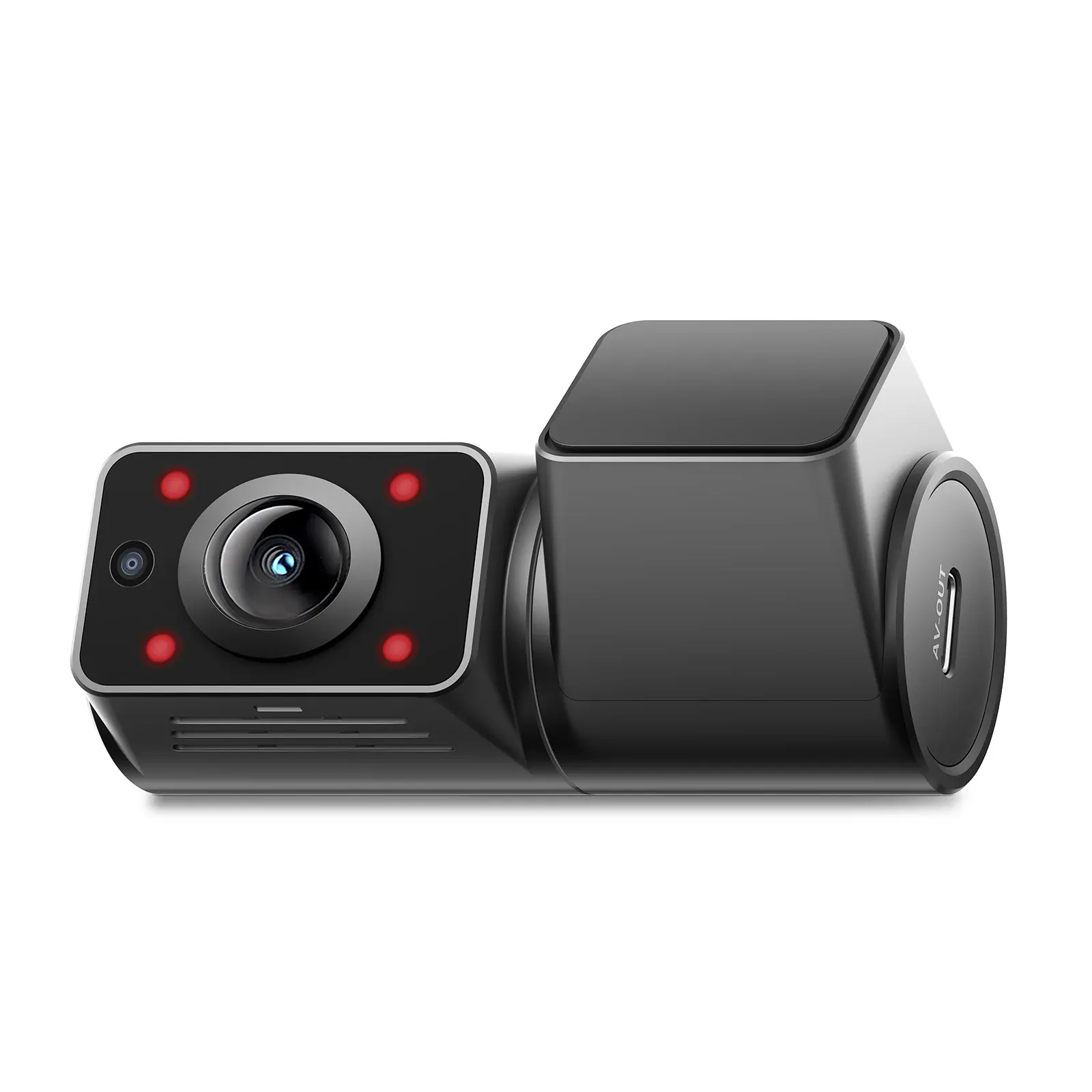
The interior camera is the feature that makes this model stand out for taxis, parents, and anyone who wants a record of what happens inside the car. With audio recording, digital zoom, and real-time surveillance support, the system can document interactions more completely than a standard front-and-rear setup.
That extra context is especially useful when a dispute starts inside the vehicle rather than on the road, because the footage shows both faces and movement in the cabin. Voice control also helps keep the interface calm and hands-free, which is a practical advantage when you want to trigger actions without taking your eyes off traffic, so what about parking protection?
Parking monitor and hardwire-ready design
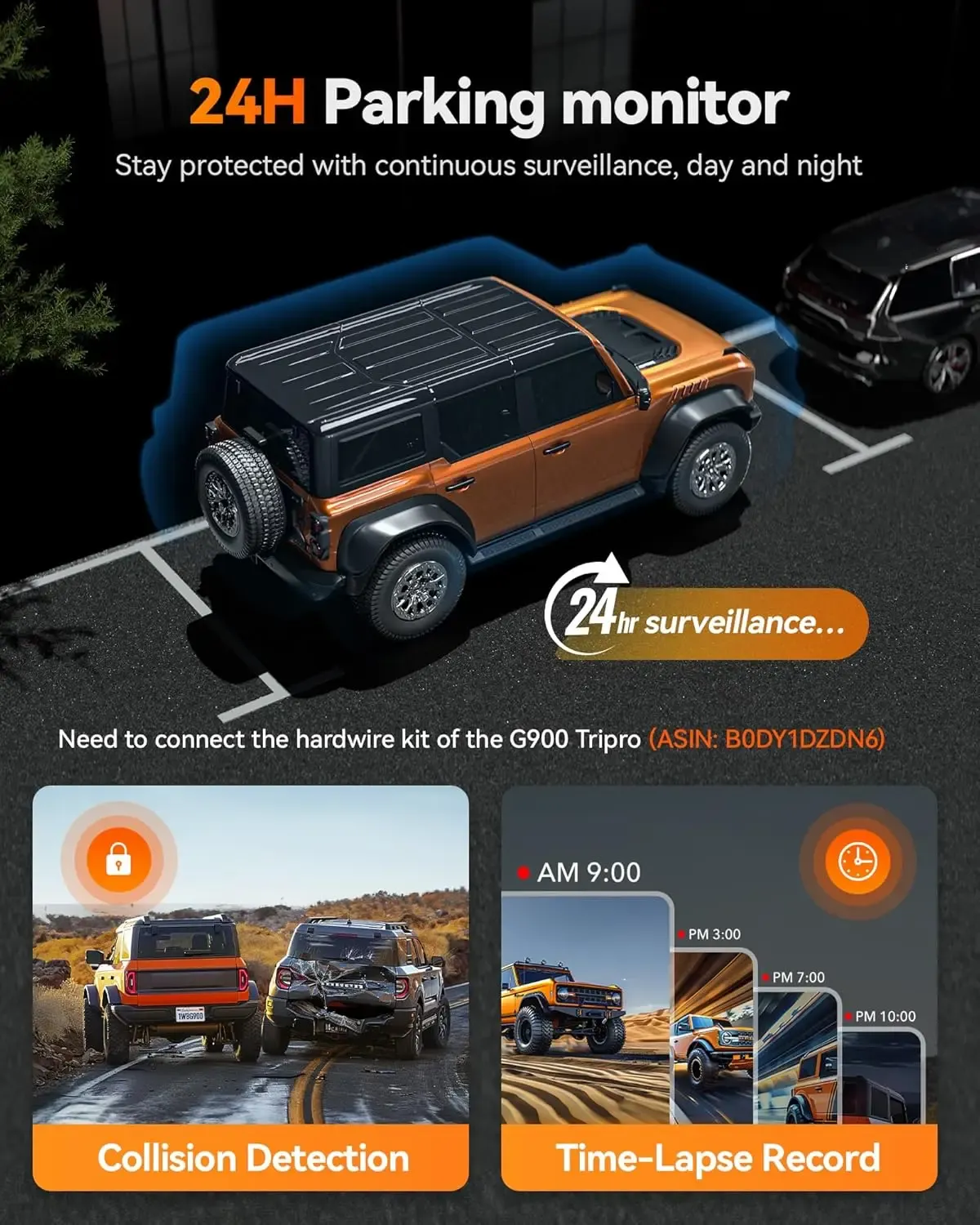
This package is built around constant protection, not just driving clips. Loop recording, G-sensor event locking, parking monitor support, and the optional HW kit for 24-hour parking surveillance give it a clear edge over entry-level mirror cams that stop working once the ignition is off.
The included 256GB card is a useful touch because it removes one of the most common setup delays, and the system can scale up to 512GB if you want longer retention. The hardwire kit is not included in every version, so checking the variant matters, especially if you want the full parking mode experience from day one.
Everyday usability and installation details
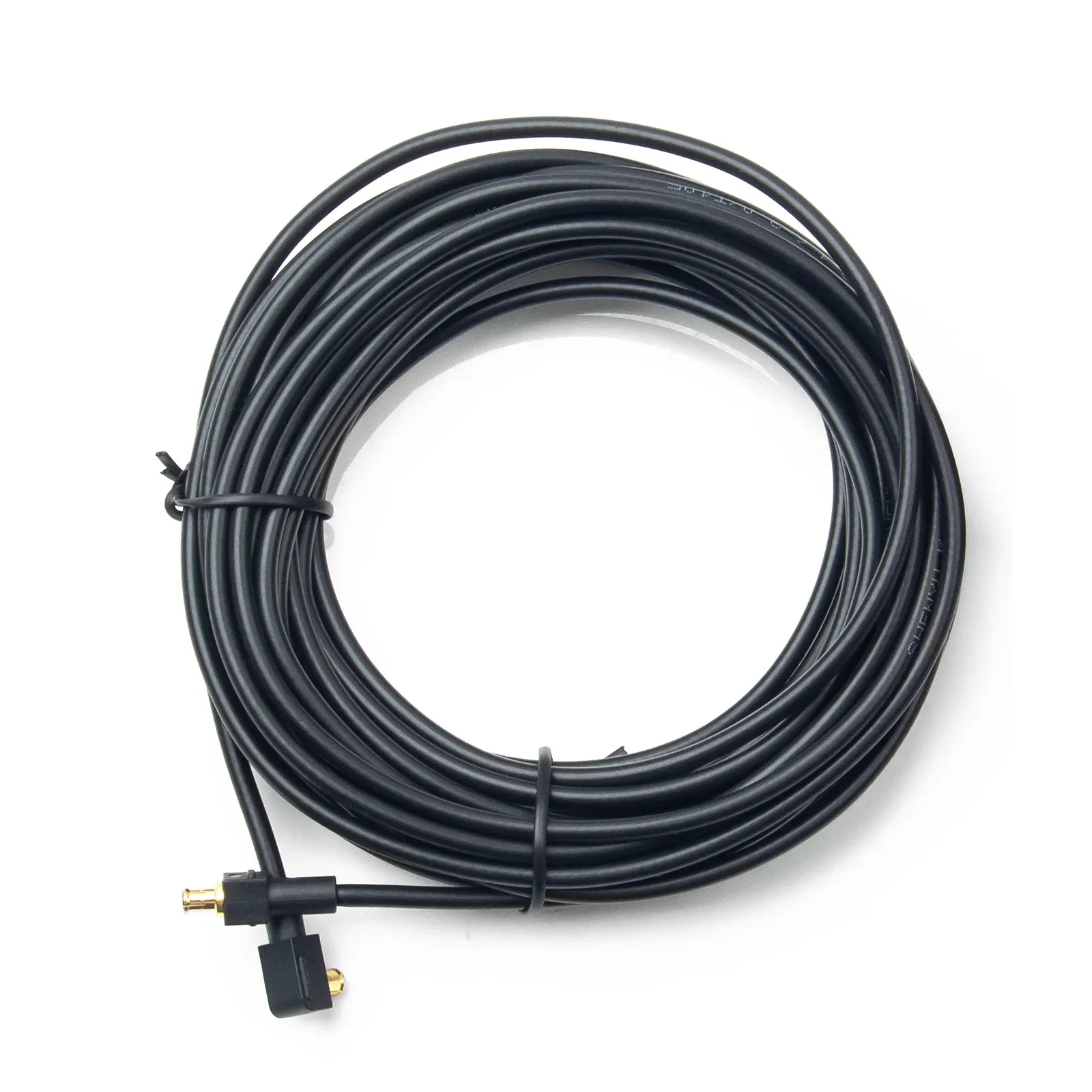
The 5m cable and 11.5ft car charger make routing practical in most passenger cars and SUVs, while the Type-C input keeps power delivery modern and tidy. The capacitive battery design is there mainly to support safe shutdowns, not long unplugged use, so this is a corded recorder rather than a standalone camera.
Its 1.3kg weight is noticeable, which is normal for a mirror-style unit with a large display, but it also gives the unit a solid, integrated feel on the factory mirror. With a one-year warranty and CE certification, the package looks well aimed at buyers who want a serious dash cam rather than a minimalist gadget, and the real-world reviews reflect that confidence.
What customers are saying
Customers describe the unit as very high quality, easy to install, and fast to arrive, which is a strong signal for a product at this level. When a mirror dash cam earns praise for both build and setup, it usually means the basics are doing their job before the advanced features even come into play.