








Old dashboards get a modern control centre
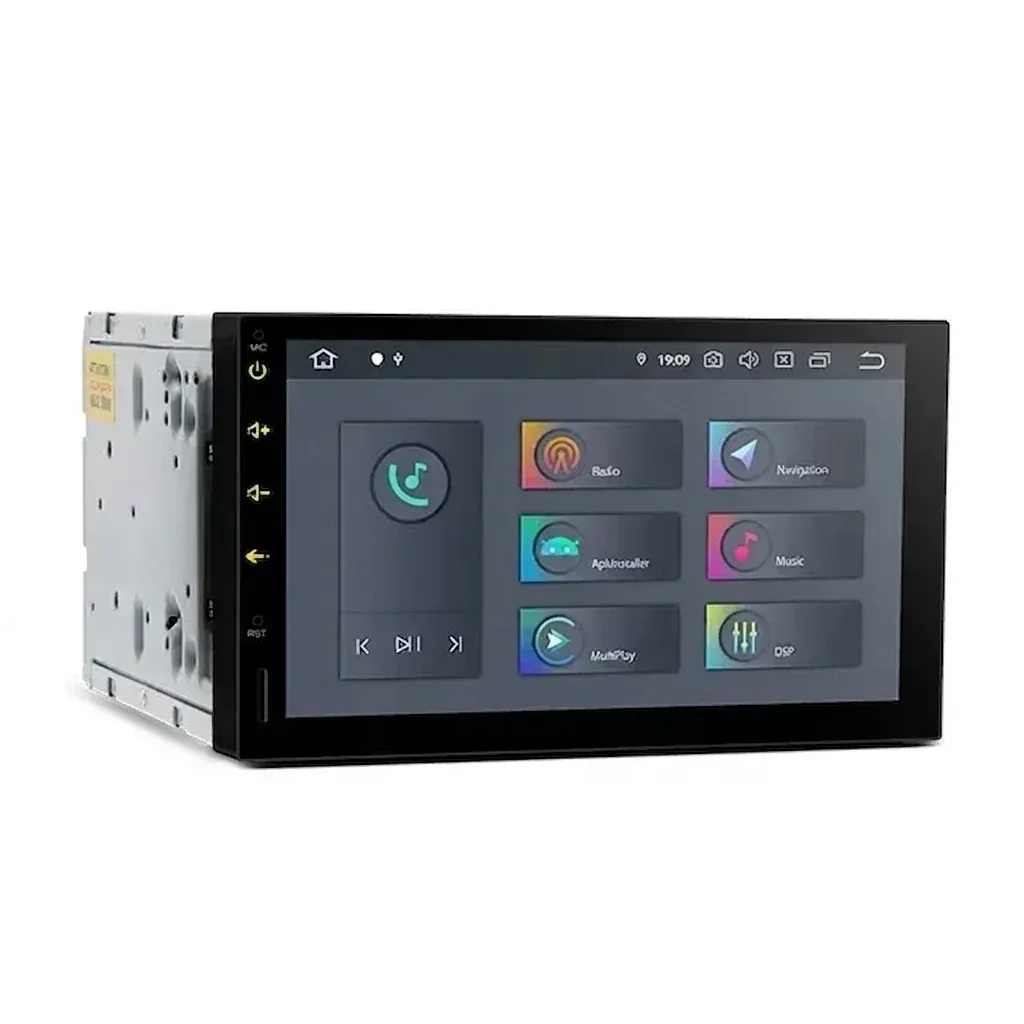
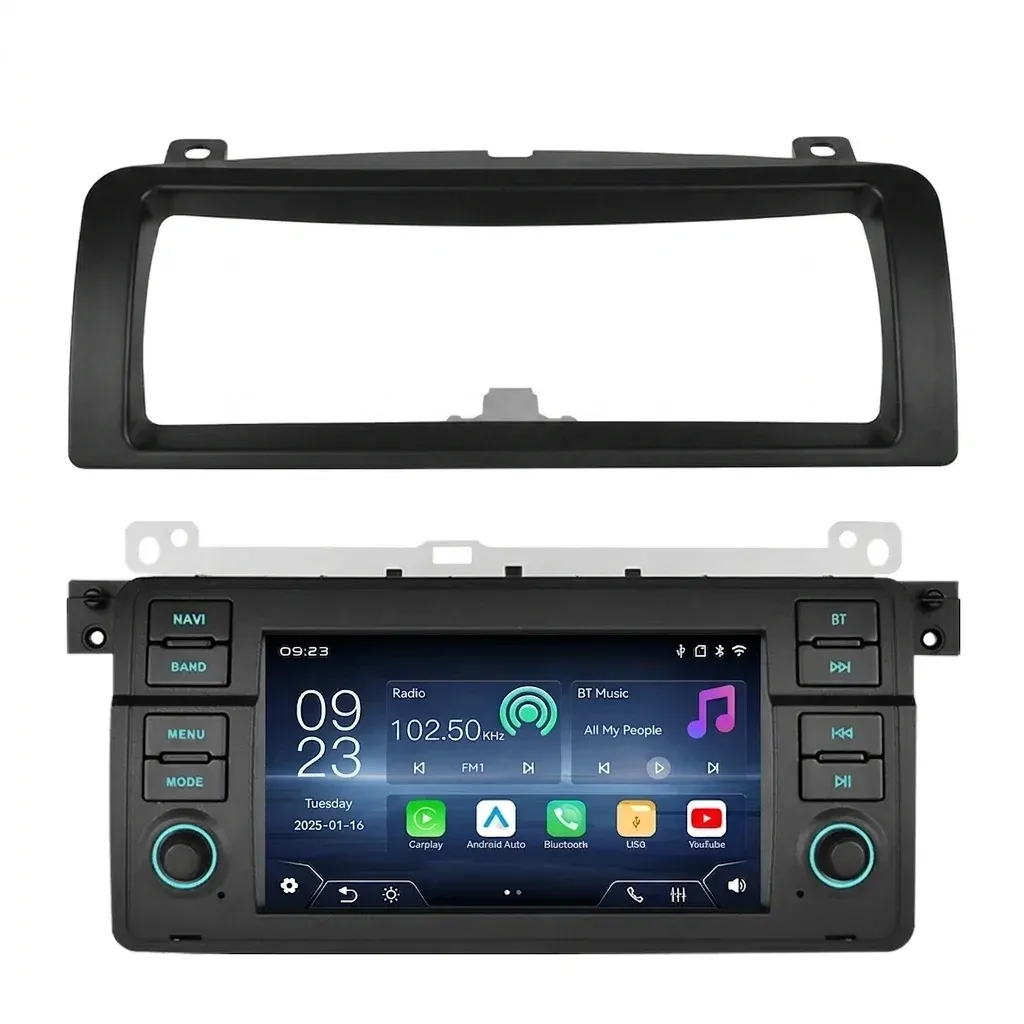
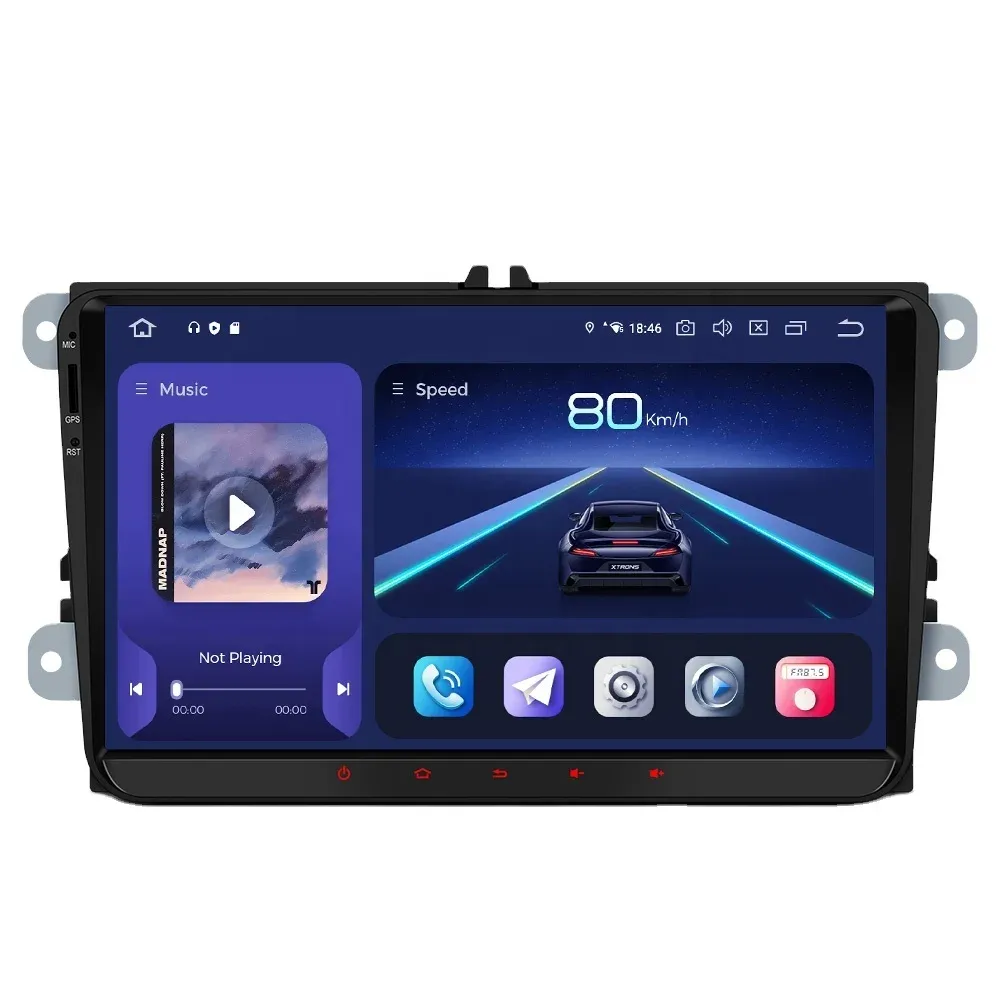
This unit solves the familiar problem of a dated factory radio that cannot keep up with navigation, streaming, or phone mirroring. In a universal 2DIN format, it aims to turn a basic dash slot into a connected cockpit with a cleaner interface and far more day-to-day flexibility.
The appeal is not just the screen size, but the way it consolidates navigation, media, and calls into one hub. For drivers who want a single upgrade rather than multiple add-ons, that is the real draw, and the details matter from here.
Android 11 with hexa-core hardware: why it feels quicker
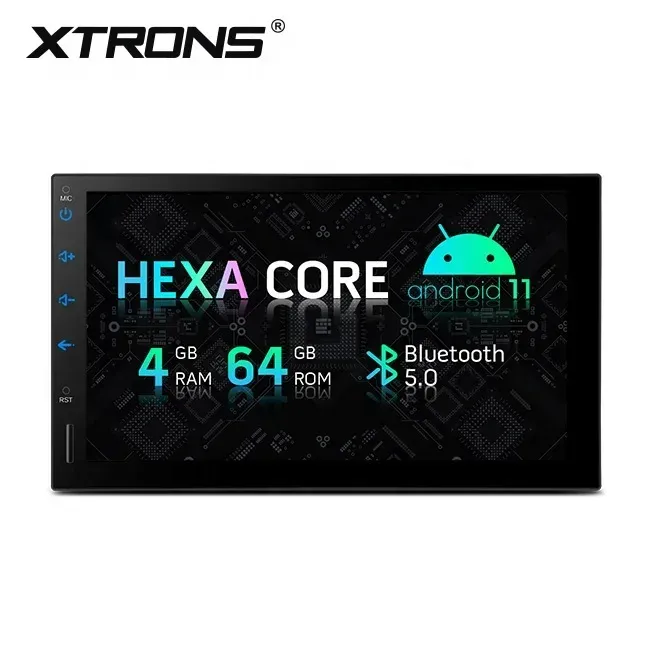
XTRONS pairs Android 11 with a hexa-core processor, 4GB of RAM, and 64GB of storage, which should keep app switching smoother than entry-level units. That matters when you are running maps, music, and a dash camera feed without the interface feeling sluggish.
Compared with cheaper Android head units that often feel laggy after a few months of use, this spec set suggests a more stable experience for daily commuting. The memory allowance also leaves room for offline navigation files and media, which is useful if you travel through weak signal areas.
Wireless CarPlay and wired Android Auto: the practical upgrade
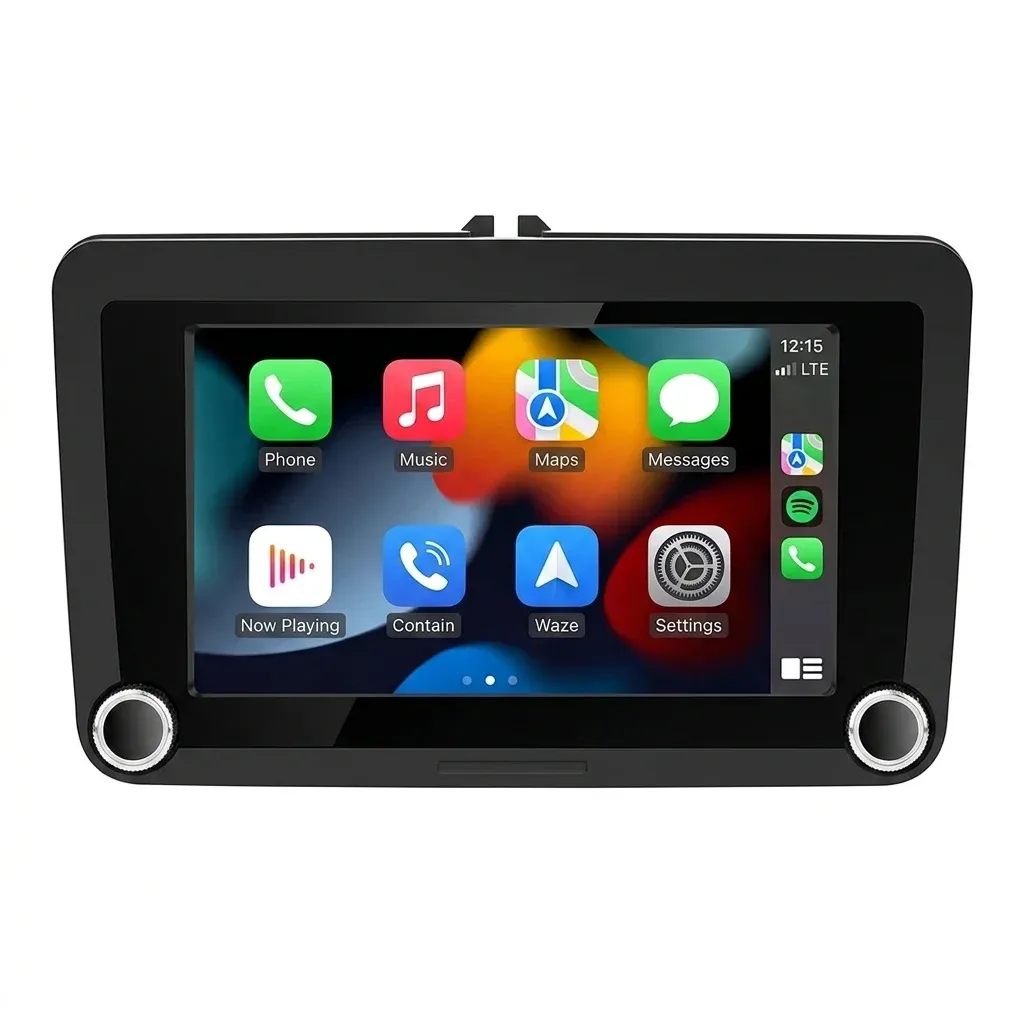
Built-in wireless CarPlay is the headline feature for iPhone users because it cuts the cable from the routine, while wired Android Auto keeps Android integration reliable and consistent. That split approach is sensible, since wireless convenience and wired stability each solve a different problem.
In practice, this means quicker access to calls, messages, maps, and playlists without reaching for the phone. Customers often value this kind of setup because it makes the screen feel native to the car rather than like a separate gadget bolted on, so the next question is how well it handles media.
4K playback and HD output: more than a spec-sheet flourish
The unit supports 4K video playback and HD output, which sounds ambitious for a 7-inch display but is still useful as a signal of stronger multimedia handling. Even if most drivers will spend more time on navigation than video, the extra decoding headroom can help the system feel less constrained.
That is especially relevant in parked scenarios, rear-seat entertainment, or when the radio is used as a media hub at events. A head unit with this level of media support is better suited to mixed use than a basic stereo, and the audio side is where the next layer appears.
DSP, RDS radio, and optional extras for a fuller install
The built-in DSP is one of the more meaningful features because it can shape sound in a way that factory radios rarely manage well. Together with AM/FM tuning and RDS, it gives the unit a more complete audio profile for drivers who still want live radio alongside app-based streaming.
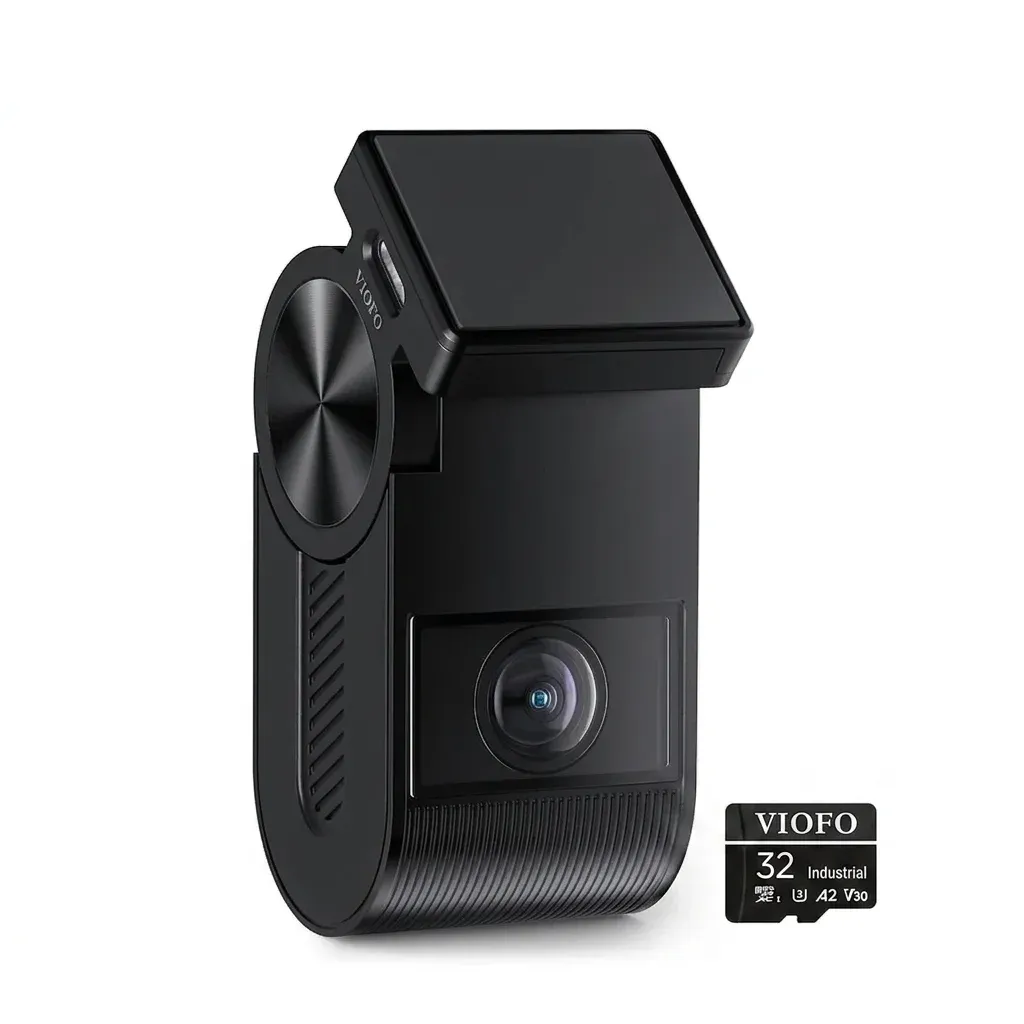
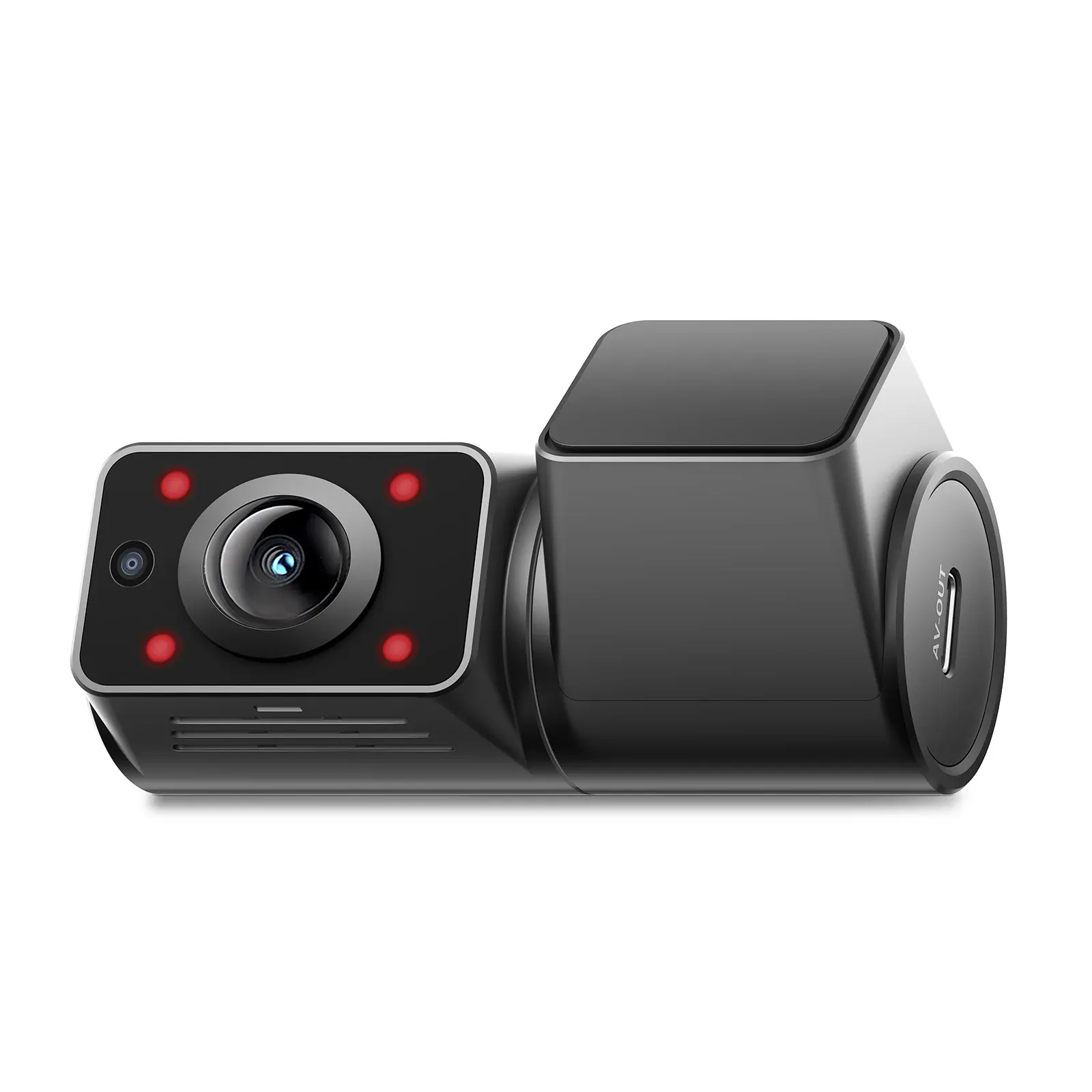
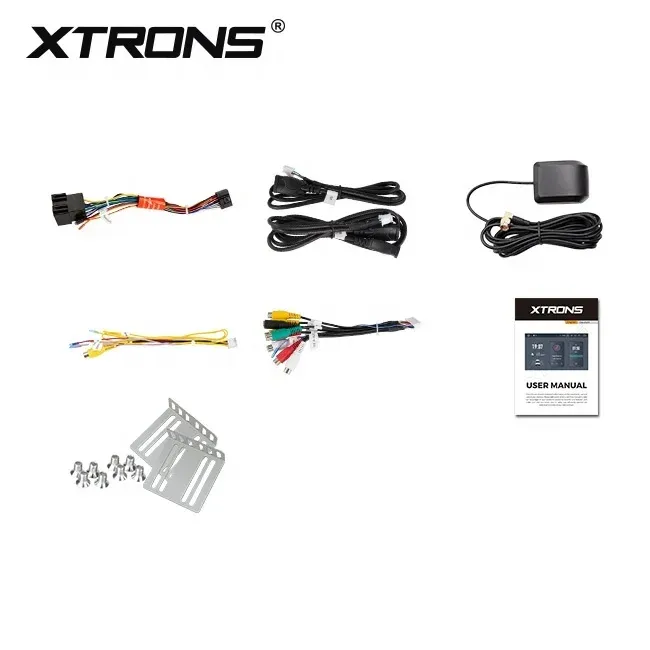
Optional support for OBD2, DVR, DAB+, camera inputs, and 3G/4G connectivity makes the platform more expandable than a simple media screen. That flexibility suits enthusiasts who like to build a fuller in-car system over time, but fitment and installation are where buyers should slow down.
Universal 2DIN fit: the advantage and the caution
As a universal 2DIN unit, it should suit many vehicles with the standard double-DIN opening, which makes it broadly appealing across the AliExpress UK car accessories market. The trade-off is that universal fit still depends on fascia trim, wiring compatibility, and steering wheel control support in the specific vehicle.
That means this is best for owners who are comfortable with electrical DIY or plan to use a proper installation kit. If the dash opening is standard and the wiring is straightforward, the result can feel OEM-like; if not, the install can become the most important part of the purchase, which is worth checking before you commit.
Who gets the most from it?
This XTRONS unit makes the most sense for drivers upgrading an older car who want modern smartphone integration without moving to a newer vehicle. It also suits users who want navigation, media, and optional camera or data features in one screen rather than juggling separate devices.
The strongest case is for practical tech adopters: people who value function first, want a responsive interface, and prefer a system that can grow with add-ons. If your car already has a standard 2DIN slot, the remaining question is whether you want a simple radio replacement or a true cabin upgrade.