









Dual-mode reading for identity cards without the usual friction
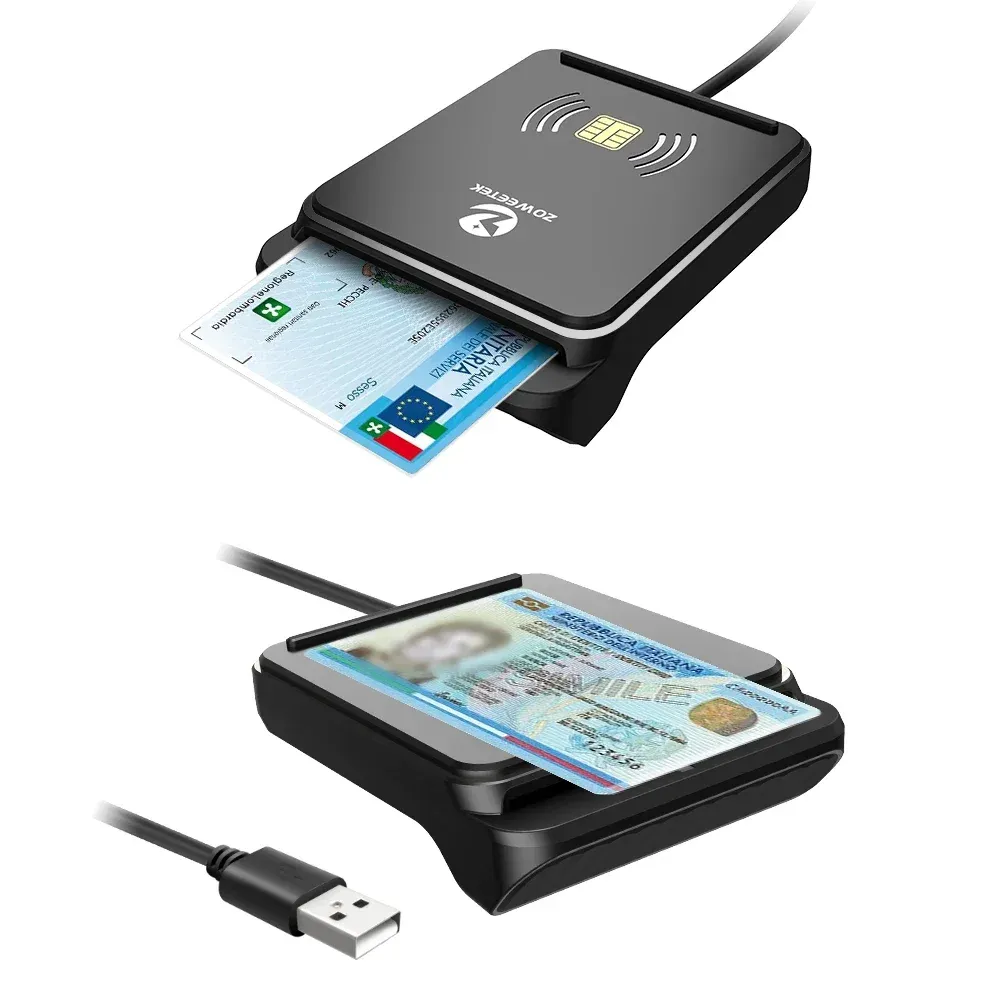
This reader solves a very specific problem: getting official smart cards recognised quickly on a Windows PC without juggling separate devices. Its appeal is the combination of contact chip and NFC contactless support, which makes it suitable for identity-card tasks that switch between tap and insert workflows.
Real customer feedback is broadly positive, with users reporting that it works well for Italian CIE and other government card use cases. That matters because these are the scenarios where generic USB card readers often fail, so the next question is how well it handles the two card formats in practice.
Contact chip slot and NFC antenna: what you actually get
The contact side is the safer bet for consistent authentication, since chip insertion usually gives the most stable handshake with official card software. For many users, that means fewer driver headaches and a more predictable read cycle when logging in or confirming identity.
The contactless side is more specialised and may depend on the card issuer and software stack. According to users, it can read government data in contactless mode, but some functions require a dedicated SDK, which is an important detail if you expect full out-of-the-box access to every card feature.

Windows compatibility and desk setup value
Compatibility is clearly aimed at Windows environments, which makes this a sensible fit for home offices, administration desks, and compliance-heavy workflows. The reader is best treated as a dedicated utility rather than a universal NFC toy, and that focus usually improves reliability in daily use.
At £31.89, it sits in the practical middle of the AliExpress smart-card category: not the cheapest USB reader, but still accessible for users who need both contact and contactless capability. If your setup is tied to a citizen card, DNI, or CIE, that extra flexibility can be more useful than a lower sticker figure.
Build confidence from certifications, not flashy extras
There are no dramatic selling points here, and that is part of the appeal. CE, FCC, and RoHS certification suggest a straightforward compliance profile, while the lack of a listed high-concern chemical is reassuring for a device that will sit on a desk and be handled often.

The design language appears functional rather than decorative, which suits a reader that should disappear into a workflow instead of demanding attention. If you want a card reader that behaves like office equipment, the important question is whether it can keep pace with your identity software over time.
Who should consider it
This is most useful for users who already know their card type and need a reader that covers both chip insertion and NFC access. It is less compelling for casual NFC experiments, but much more relevant if your card is tied to authentication, digital signatures, or official portals.
The product profile and review pattern point to a device that does the basics well and occasionally needs the right software support for advanced contactless tasks. That makes it a stronger fit for practical eID use than for broad hobbyist NFC tinkering, and that distinction is where its value becomes clear.