








Compact airflow for jobs that need speed, not finesse
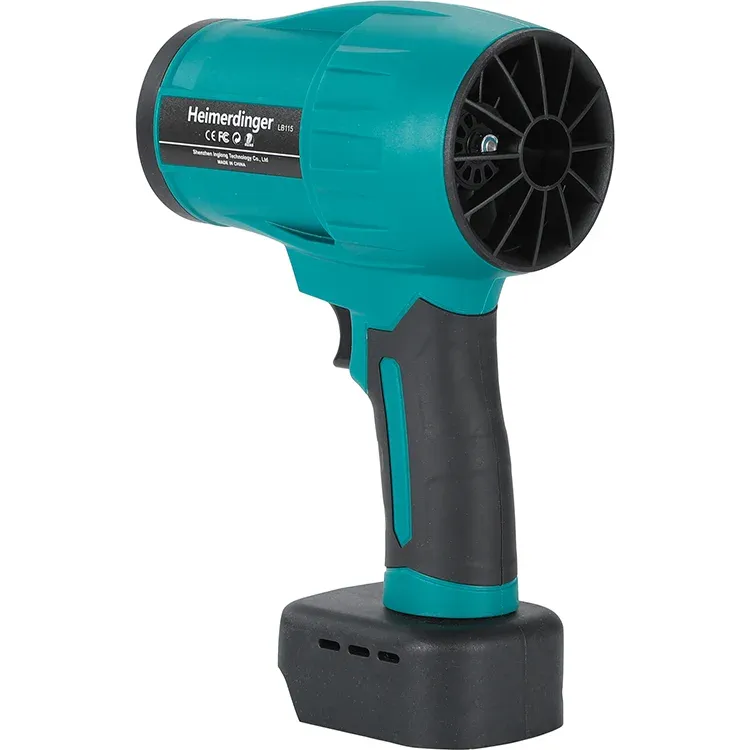
Heimerdinger has built a solid reputation in the AliExpress power-tool niche by focusing on battery compatibility, brushless motors, and straightforward workshop utility. That approach matters here, because this blower is aimed at users who already own Makita 18V packs and want a fast, portable air tool without stepping into a larger corded setup.
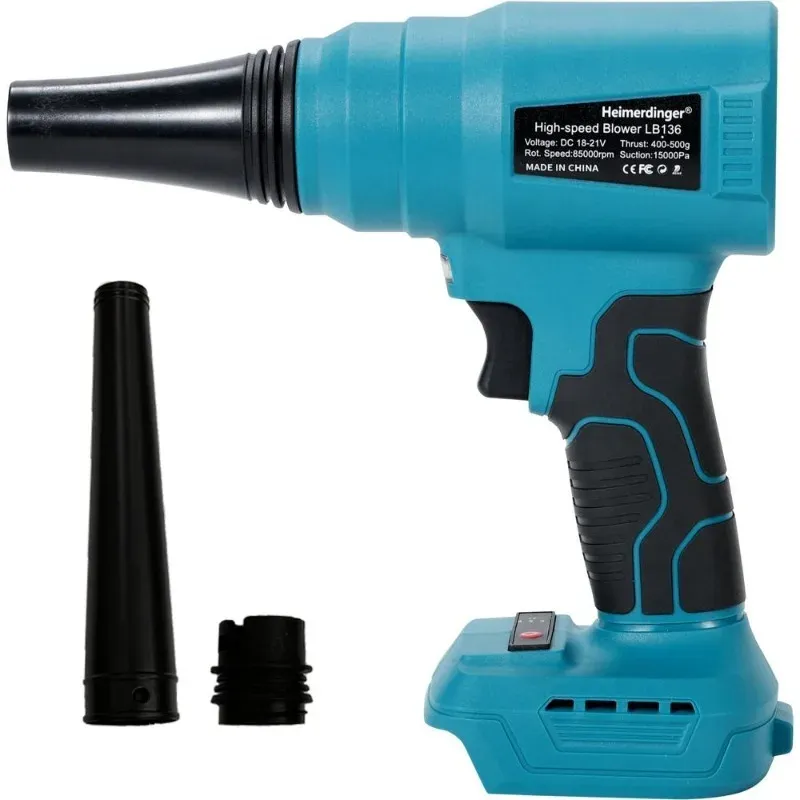
With a 300W rated output, this model is positioned as a practical high-pressure blower rather than a general-purpose fan. The result is a tool that makes sense for car drying, clearing leaves from tight spaces, and pushing dust out of tool benches, but the real story is how that airflow behaves in use.
40000RPM and 0.8kg of blowing force: what that feels like
The listed 40000RPM speed and 0.8kg blowing force suggest a concentrated air stream with enough punch to move water beads and loose debris quickly. Users describing it as “brisk” and noting that it clears snow from a car point to a blower that is more aggressive than a basic dust gun, which is exactly what the turbo format is meant to deliver.
In practice, that kind of output is useful when you want to speed up detailing work or clean around grills, vents, and workshop corners where compressed air is not available. It is not a substitute for a full compressor system, but it does cover many of the same light-duty tasks with less setup and less bulk.
Brushless motor benefits for everyday workshop use
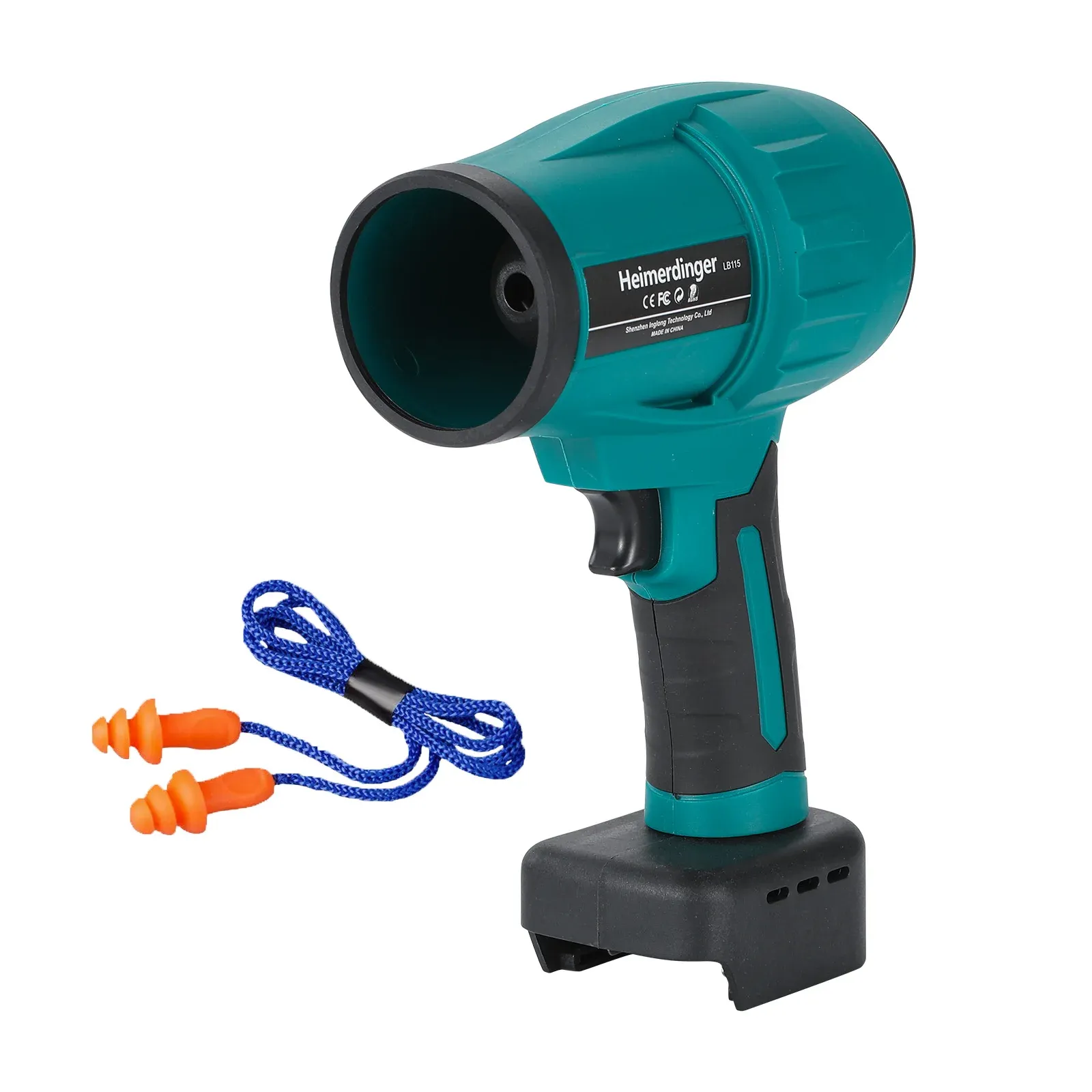
The brushless motor is the most important durability signal in the specification sheet, since it usually means better efficiency and less wear than a brushed design. For a handheld tool that may be used in short bursts around cars, patios, and DIY benches, that can translate into steadier performance and less maintenance over time.
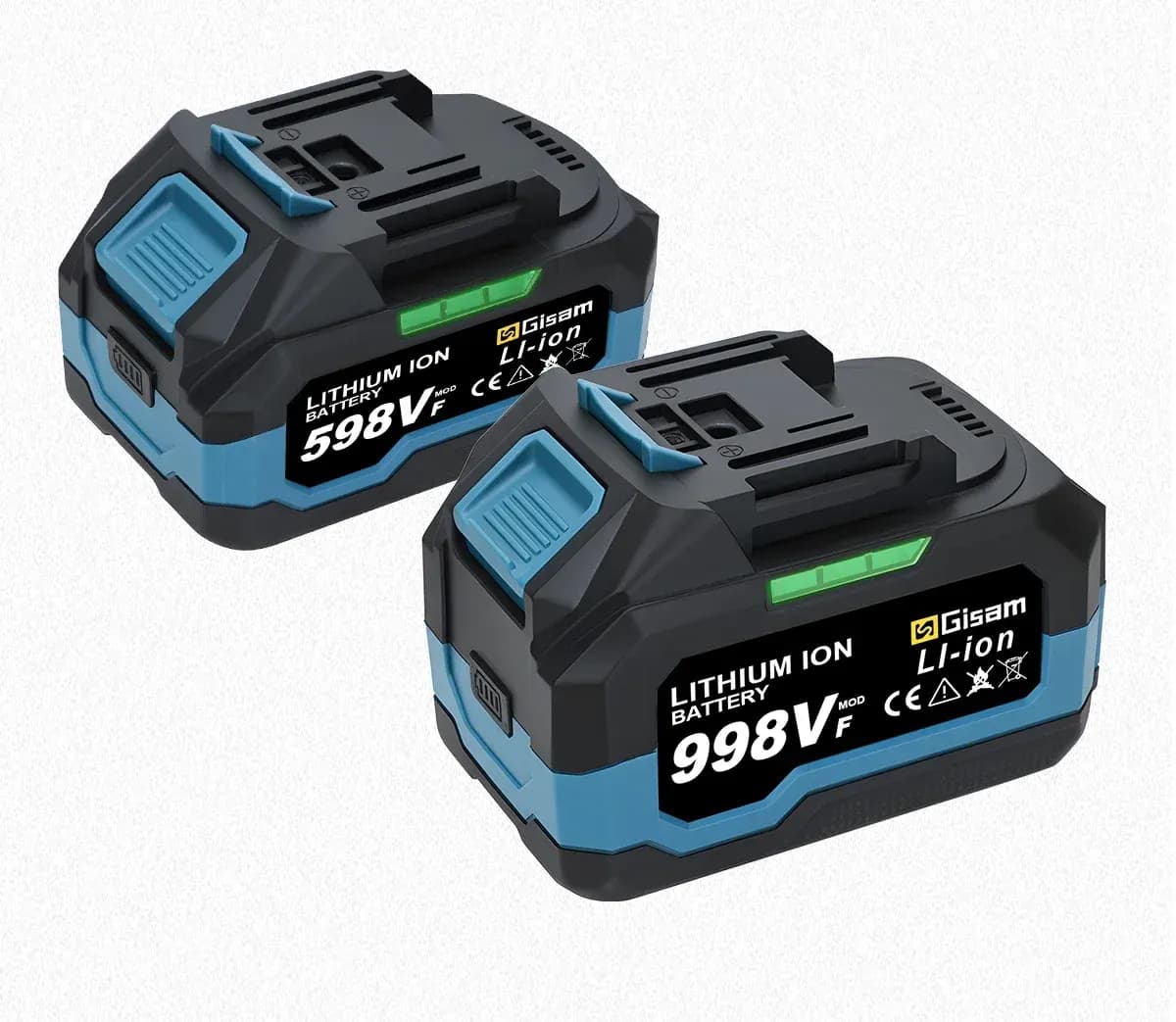
The battery-powered format also keeps the tool portable, which is a real advantage when you are moving around a vehicle or cleaning outdoor equipment. The trade-off is obvious: you need a compatible Makita 18V battery, and the battery is not included, so this is best for users already invested in that ecosystem.
Makita 18V compatibility needs a careful check
Compatibility is the main point to verify before getting this blower. It works with Makita 18V B-series lithium batteries such as BL1850B, BL1840B, BL1830B, BL1430B, BL1820B, and similar packs, but it does not support G-series batteries or 18V Ni-CD packs.
That detail matters because the tool is only as useful as the battery you already own, and the wrong pack will not fit the system. If your workshop already runs on Makita 18V lithium batteries, the integration is simple; if not, the missing battery raises the total setup cost and changes the value equation.
Where this blower fits better than a vacuum or compressor attachment

Compared with a cordless vacuum, this tool solves the opposite problem: it moves debris away instead of collecting it. Compared with a compressor attachment, it is easier to carry and faster to deploy, which makes it appealing for quick detailing jobs, garage cleanups, and drying narrow trim sections after washing.
Customers’ feedback is small in volume but strongly positive, with comments pointing to effective snow removal and strong airflow. That lines up with the specifications, and it helps explain why this model suits users who value immediate utility over a feature-heavy body design.
Small body, focused use case
The LB115 is not trying to be an all-in-one workshop machine, and that restraint is part of its appeal. If you want a compact blower for seasonal car care, dust removal, or light outdoor cleanup, this is a well-matched tool that keeps the workflow simple and the handling light in the hand.
Its main limitation is also what keeps the price accessible: you are getting the blower body only, with no battery and no broad accessory system described in the listing. For the right Makita 18V user, though, that stripped-down format can be exactly what makes it worth keeping within reach.