







Wireless smartphone integration for a car that feels current
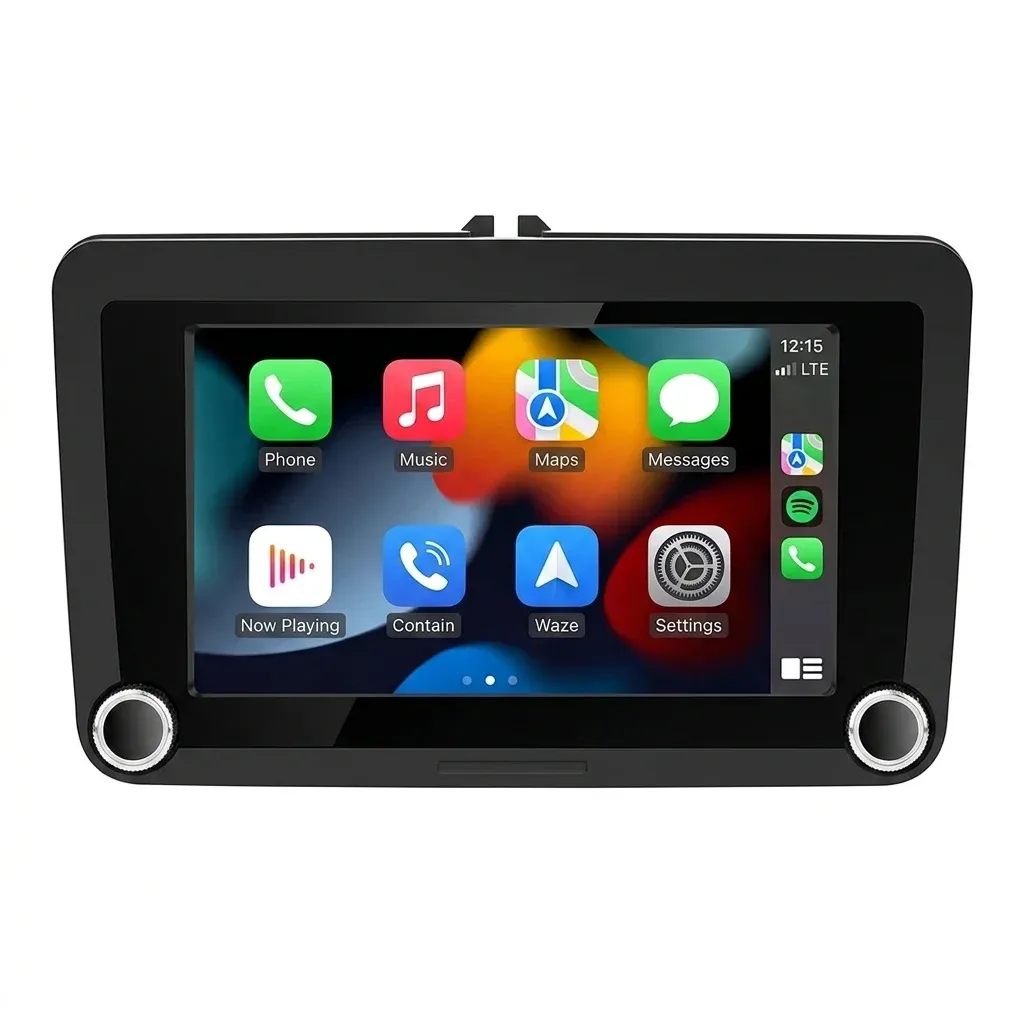
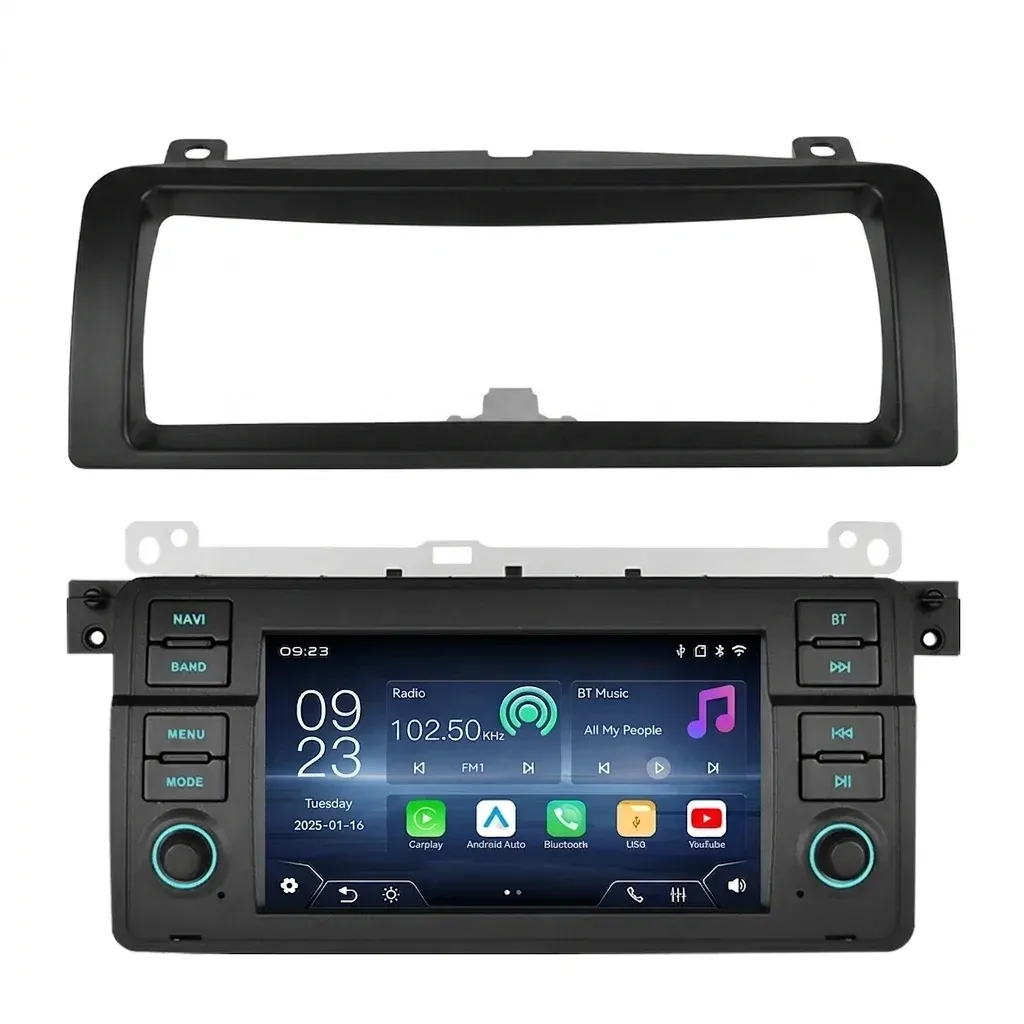
The main job of this unit is simple: make an older Peugeot 408 feel easier to live with every day. Wireless CarPlay and Android Auto remove the cable clutter, so navigation, calls, and music appear on the screen as soon as you start driving.
That matters most in city use, where quick route changes and hands-free control save time and reduce distraction. If your factory system feels dated, this is the kind of upgrade that changes the whole rhythm of the cabin, so how does the screen itself hold up?
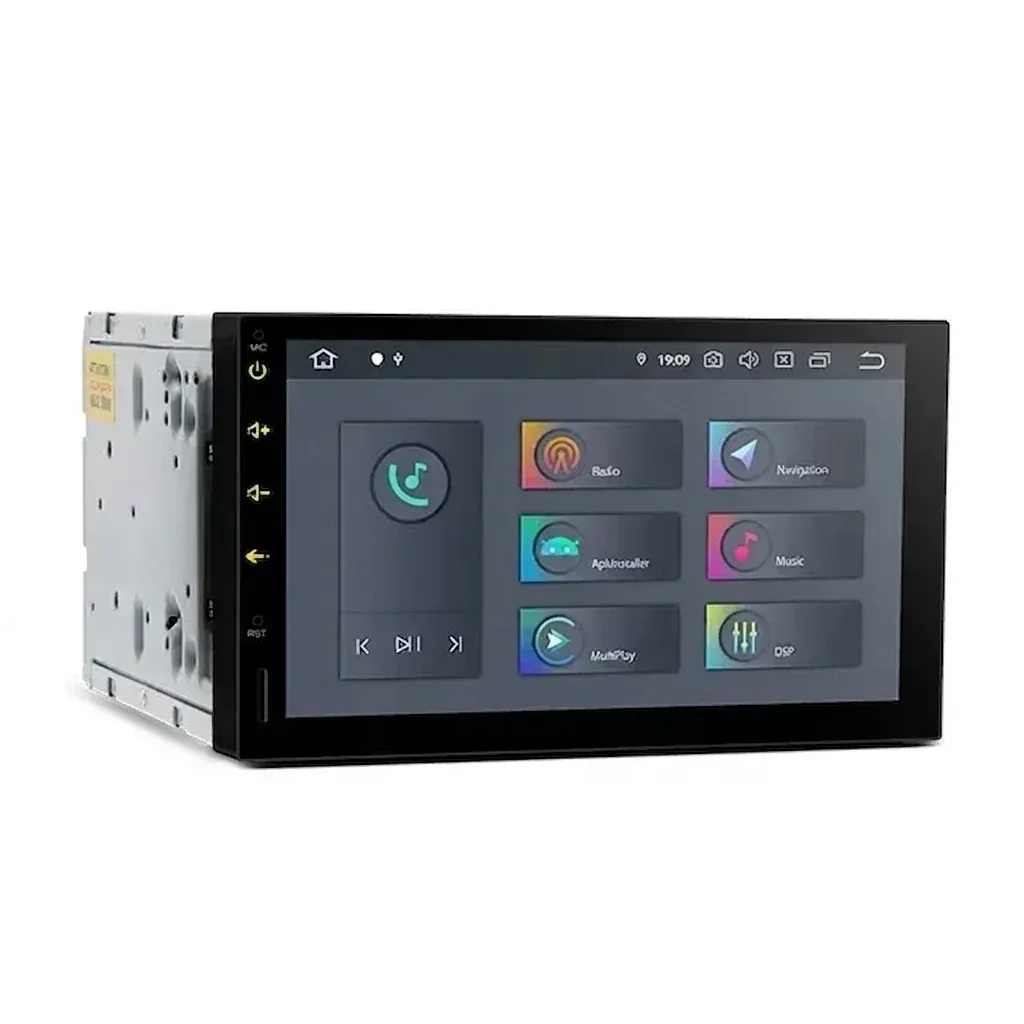
7-inch capacitive screen and 1024x600 clarity
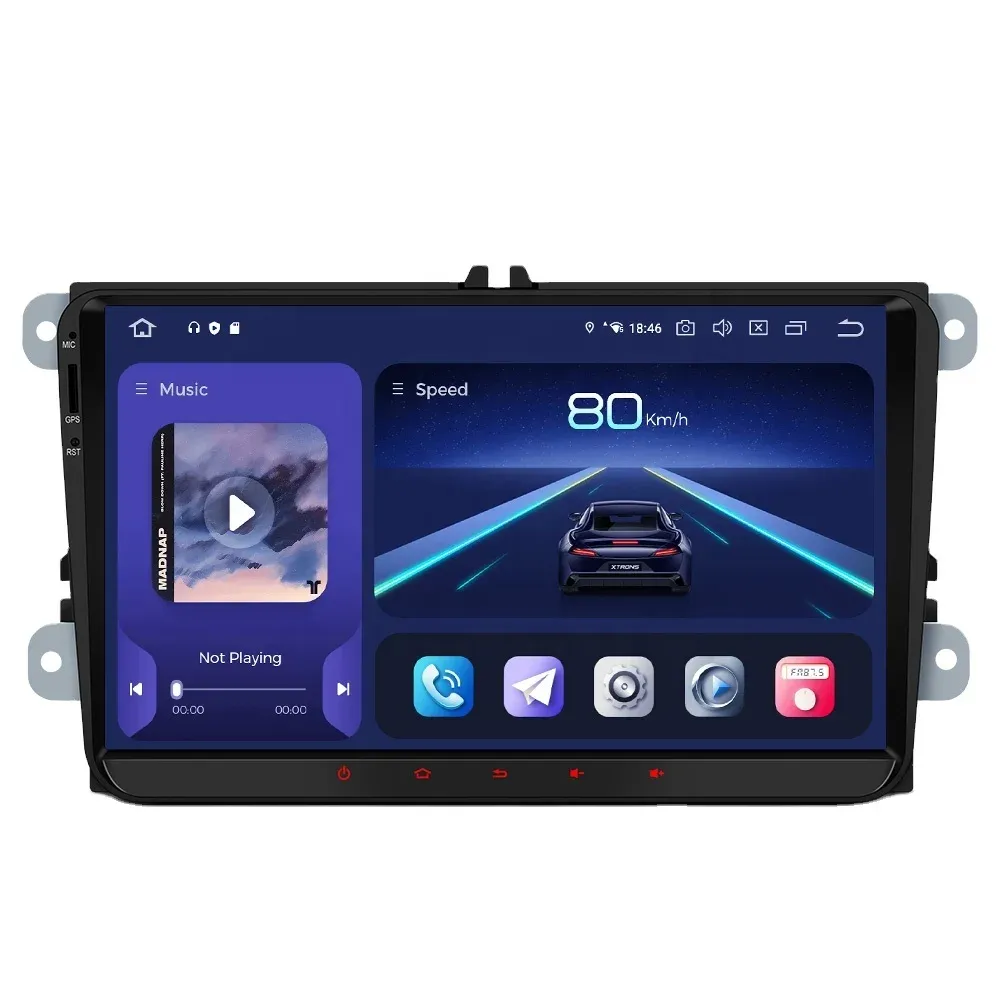
The 7-inch capacitive display is the right size for a Peugeot dashboard because it gives enough room for maps without overwhelming the centre console. At 1024x600, the panel is not flagship-level sharp, but it is clear enough for icons, routes, album art, and reverse camera feeds.
Touch response is the key benefit here: capacitive panels feel closer to a modern tablet than the older resistive units still found in some budget car stereos. That makes tapping menus, zooming maps, and switching apps feel more natural, which becomes important once you start using it daily.
Android 4+64GB: why the storage matters
The 4GB RAM and 64GB storage configuration is one of the stronger points in this class, because it gives the system more breathing room for multitasking. In practical terms, that means navigation, media apps, and background Bluetooth functions are less likely to feel cramped than on entry-level units.
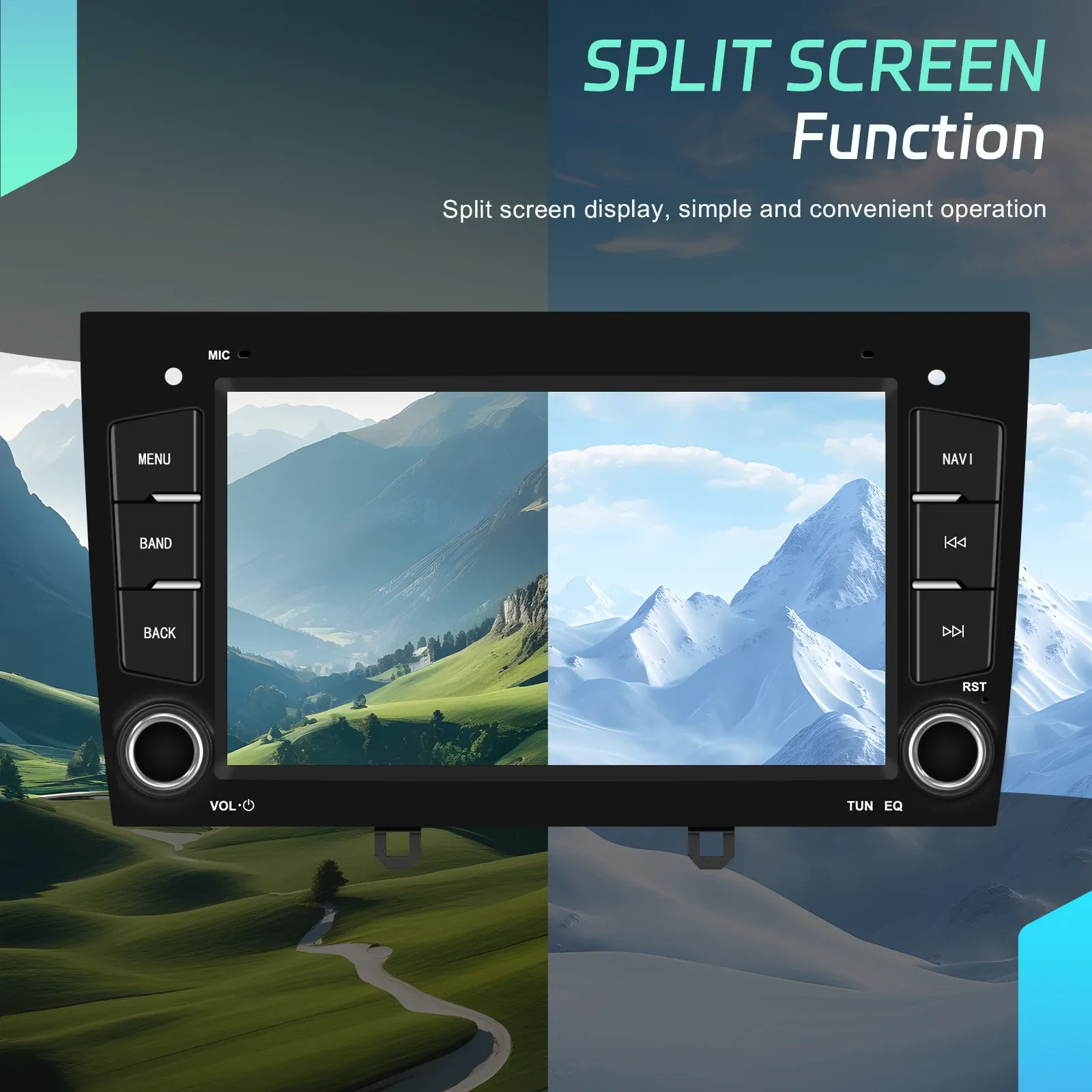
The Android operating system also opens the door to more app flexibility than a closed factory interface. Users can keep the setup focused on driving essentials or expand it with music, mapping, and utility apps, which is useful if you want a more personalised in-car setup.
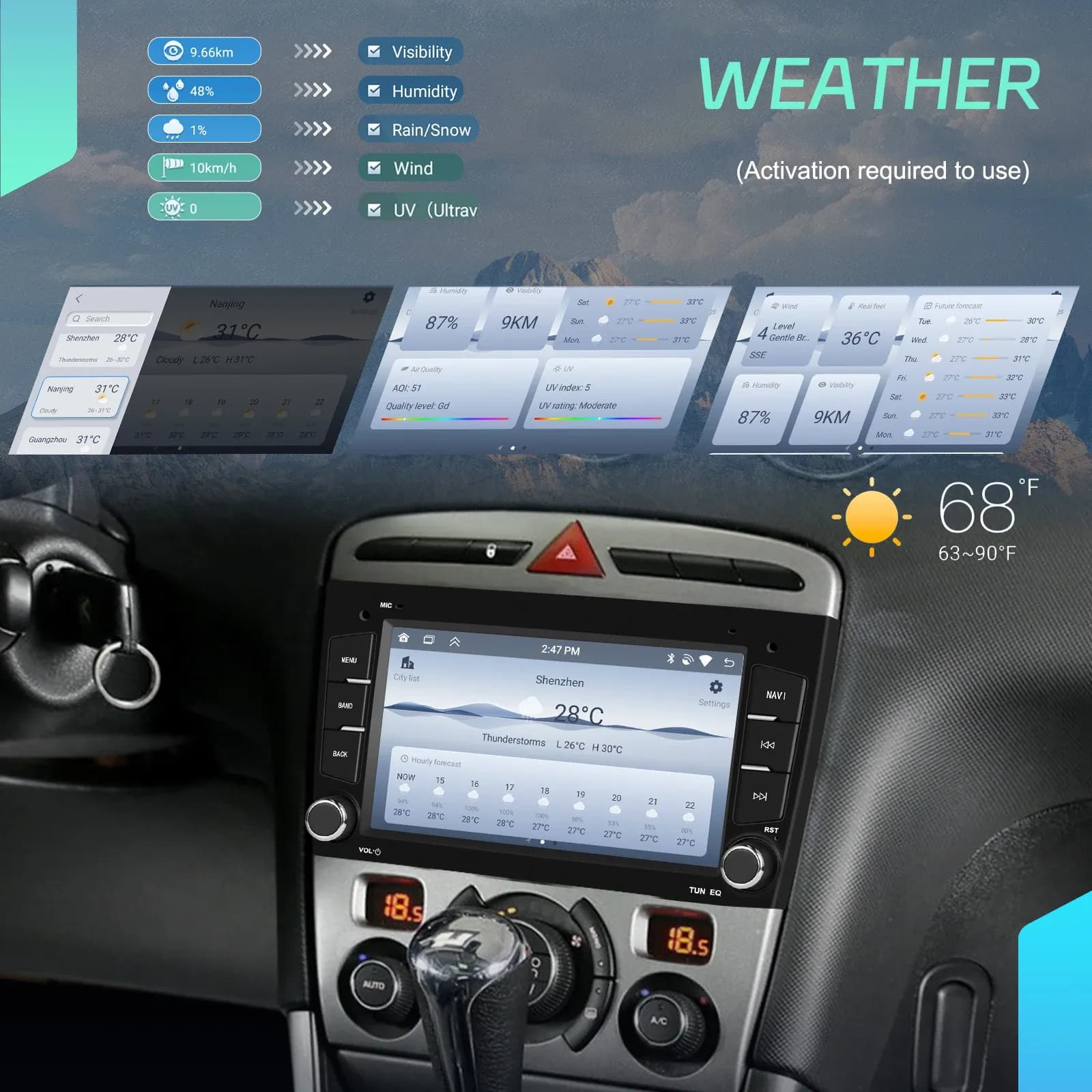
Built-in WiFi and GPS for everyday routing
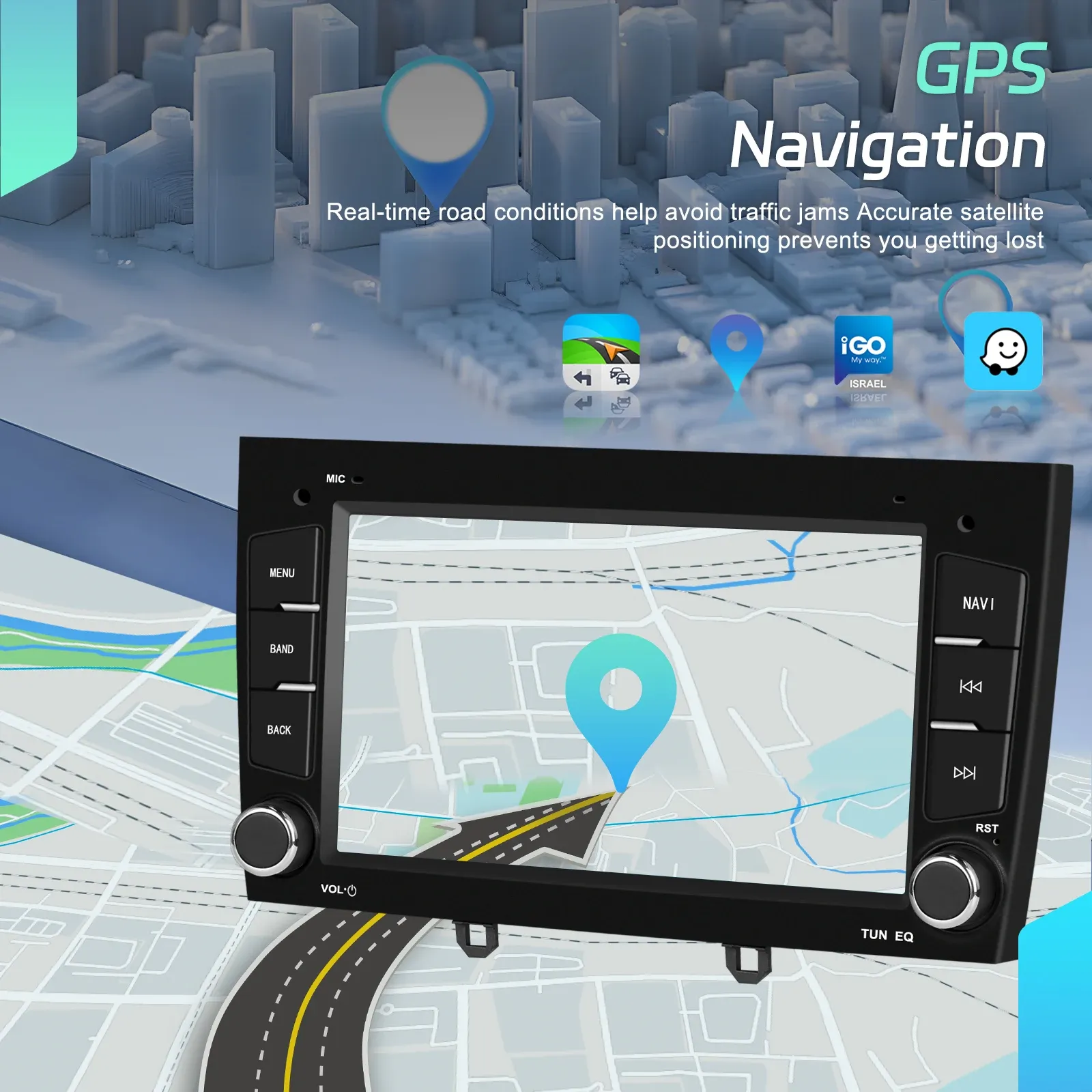
Built-in WiFi makes the unit more useful than a basic radio because it can pull in app updates, map data, and online services when the car is parked near a hotspot. The included GPS function is the real travel advantage, especially for drivers who prefer onboard navigation over relying entirely on a phone signal.
For long commutes or unfamiliar roads, that combination gives a more stable experience than a phone mounted on the dash, where battery drain and glare can become annoying. According to users of similar Hikity systems, the appeal is less about novelty and more about keeping core functions in one place, so what about the audio side?
Sound output and radio features for daily use
The 4x45W output and YD7388 amplifier chip suggest enough headroom for factory speakers and modest aftermarket upgrades. FM/RDS support also keeps local radio practical, while the 8035 radio chip should help maintain a stable tuner experience in normal driving conditions.
This is not built as an audiophile processor, so the real value is clean everyday playback rather than studio-grade tuning. If your priority is reliable streaming, radio, and navigation audio through one interface, the package makes sense, and the reversing input adds another useful layer.
Reverse camera support and install fitment
AHD/CVBS reversing input means the stereo can work with a wide range of camera formats, which is useful if the car already has an aftermarket rear camera or if you plan to add one later. Double USB ports also make it easier to keep a memory stick and charging cable connected at the same time.
The fitment focus on Peugeot 408 models from 2010 to 2024 is the big selling point, but buyers should still confirm dashboard shape, fascia compatibility, and wiring before installation. That is especially important on ODM/OEM-style units, where the physical fit can matter as much as the software, so who is this best suited for?
Who gets the most from it
Drivers who want a cleaner dashboard workflow will get the most value here, especially if they use navigation and music every day. It also suits owners who want to modernise an older Peugeot without moving to a fully custom multimedia build.
The one-year warranty adds a basic safety net, and the -20℃ to 75℃ working range suggests the unit is designed for normal automotive conditions rather than delicate indoor use. For a Peugeot 408 upgrade at this level, the appeal is the balance of connectivity, storage, and practical dashboard integration, which is exactly where the next trade-offs appear.