









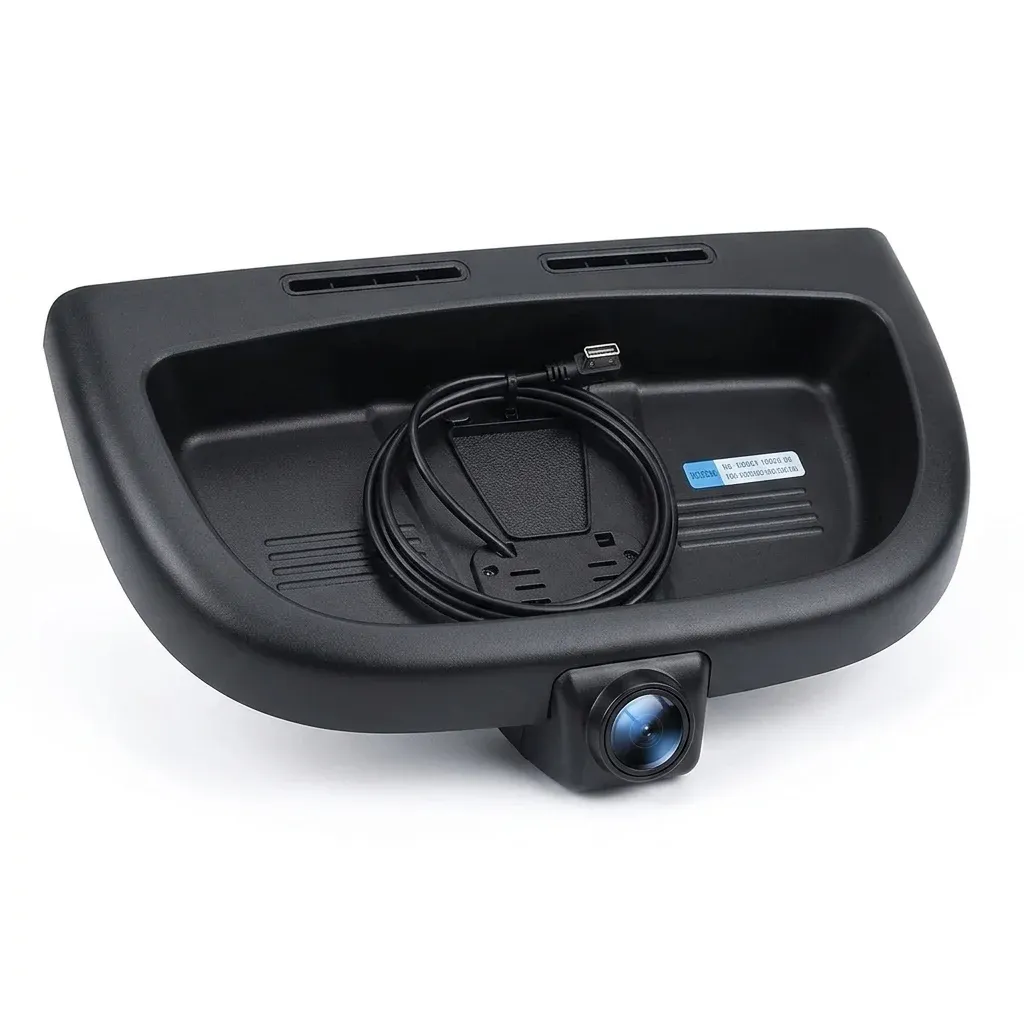

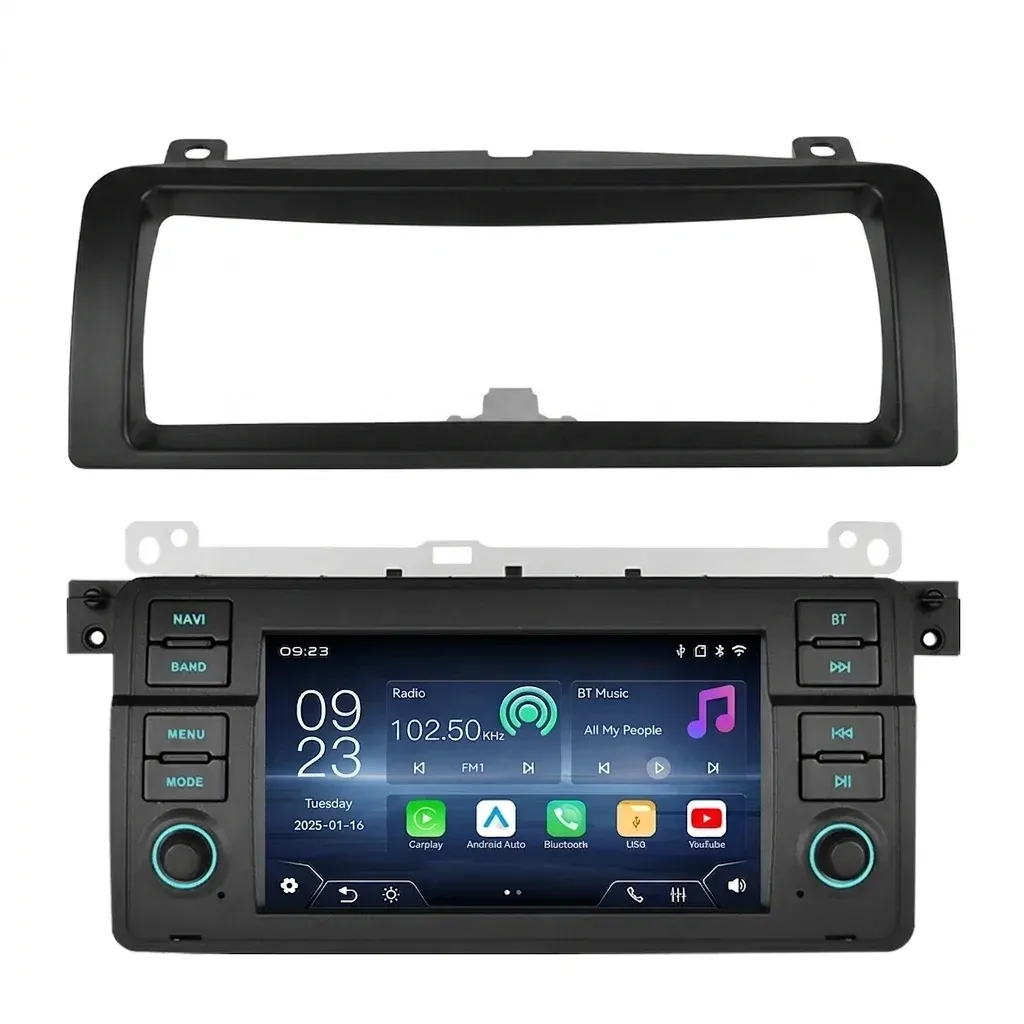



What this dent repair kit solves on a real car
Small parking dents and light panel dings can make a clean car look neglected long before the paint is damaged. This Hikity kit is aimed at that middle ground, where you want to restore the panel shape without jumping straight to body filler or a full refinishing job.
It is best understood as a workshop toolset for controlled dent correction rather than a quick cosmetic gadget. That distinction matters, because the result depends on access, technique, and the type of dent you are working on.
Magnetic induction repair: why it is different from a puller set
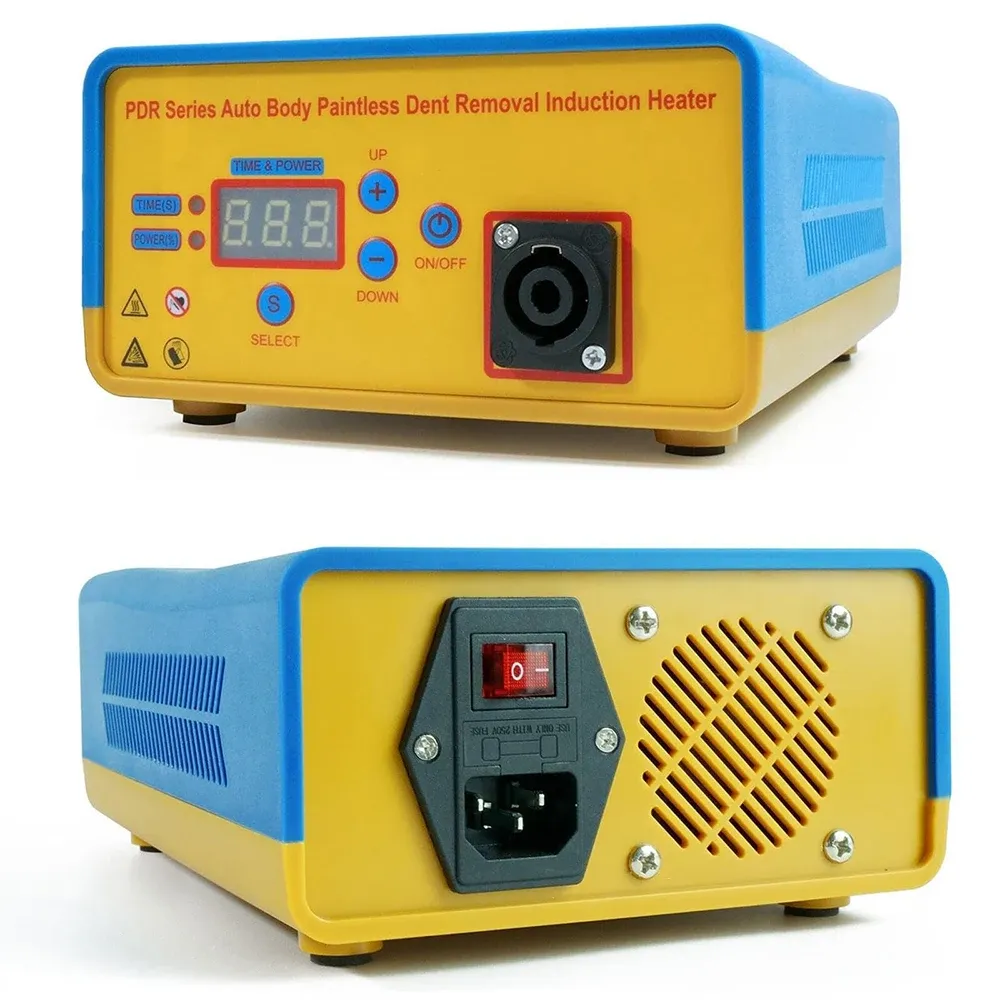
The headline feature is magnetic induction-based repair, which points to a heat-and-release style approach rather than a simple suction method. In practice, that means it can be more suitable for dents where you want to encourage the metal to relax instead of yanking the surface outward.
Compared with glue pullers, this method can feel more precise on certain shallow dents, especially when the paint is intact and the damage sits on a flatter panel. It is not a universal fix, but it offers a more professional workflow than the cheapest entry-level kits, so what kind of dents does it handle best?
Best use cases on body panels and trim
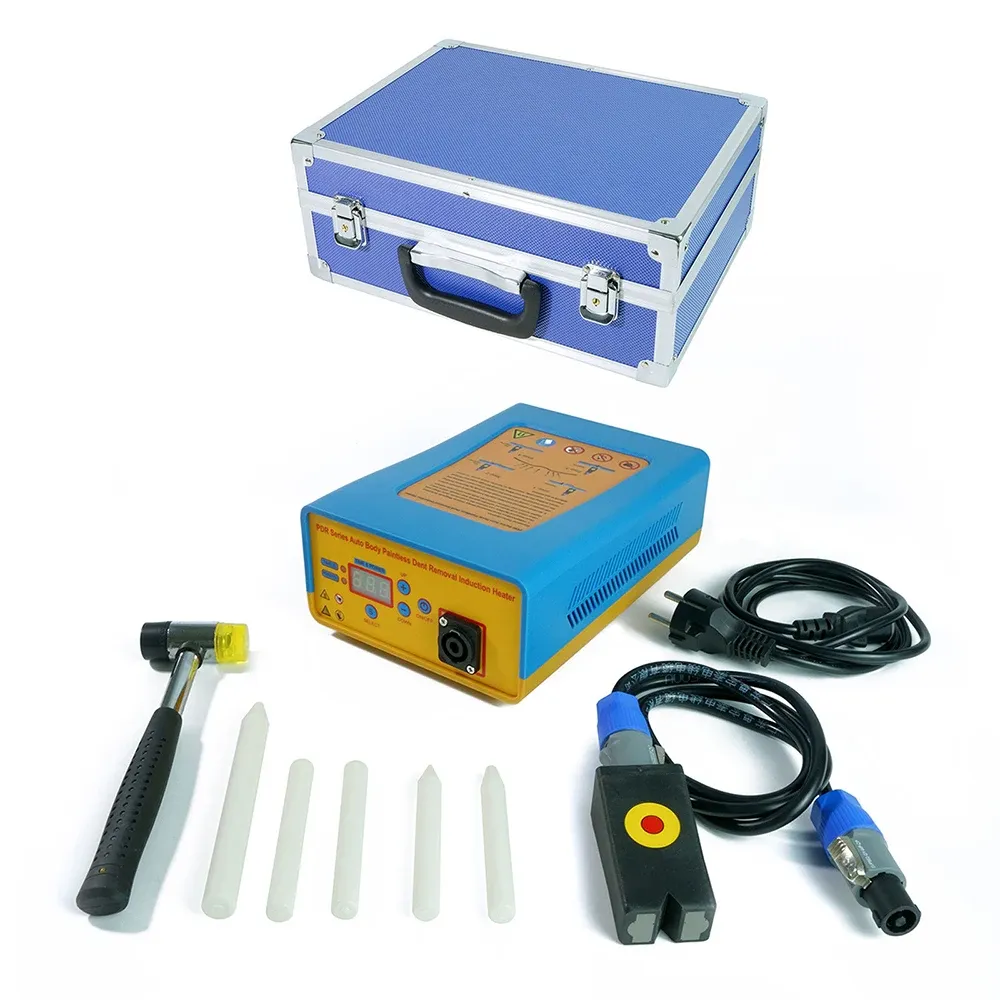
This set makes the most sense for minor door dents, trolley knocks, and shallow creases on accessible outer panels. Users dealing with sharper folds, stretched metal, or edge dents will usually need more advanced paintless dent repair equipment or bodyshop intervention.
Because the product is listed under DIY supplies, it suits hands-on owners, detailers, and small repair setups that already know how to judge panel response. According to users of similar induction-based tools, the learning curve is manageable, but the first few repairs are where technique matters most.
What the £170.39 positioning suggests
At £170.39, this sits above basic hobby dent tools and closer to a serious garage accessory than a casual weekend kit. That level usually makes sense when you want repeatable results on multiple vehicles, not just one-off cosmetic fixes.
The value is strongest if you regularly maintain cars for family use, resale prep, or local detailing work. If you only need to handle one small dent a year, a simpler puller set may be enough, so the real question is how often you will use it.
Build, handling, and workshop practicality
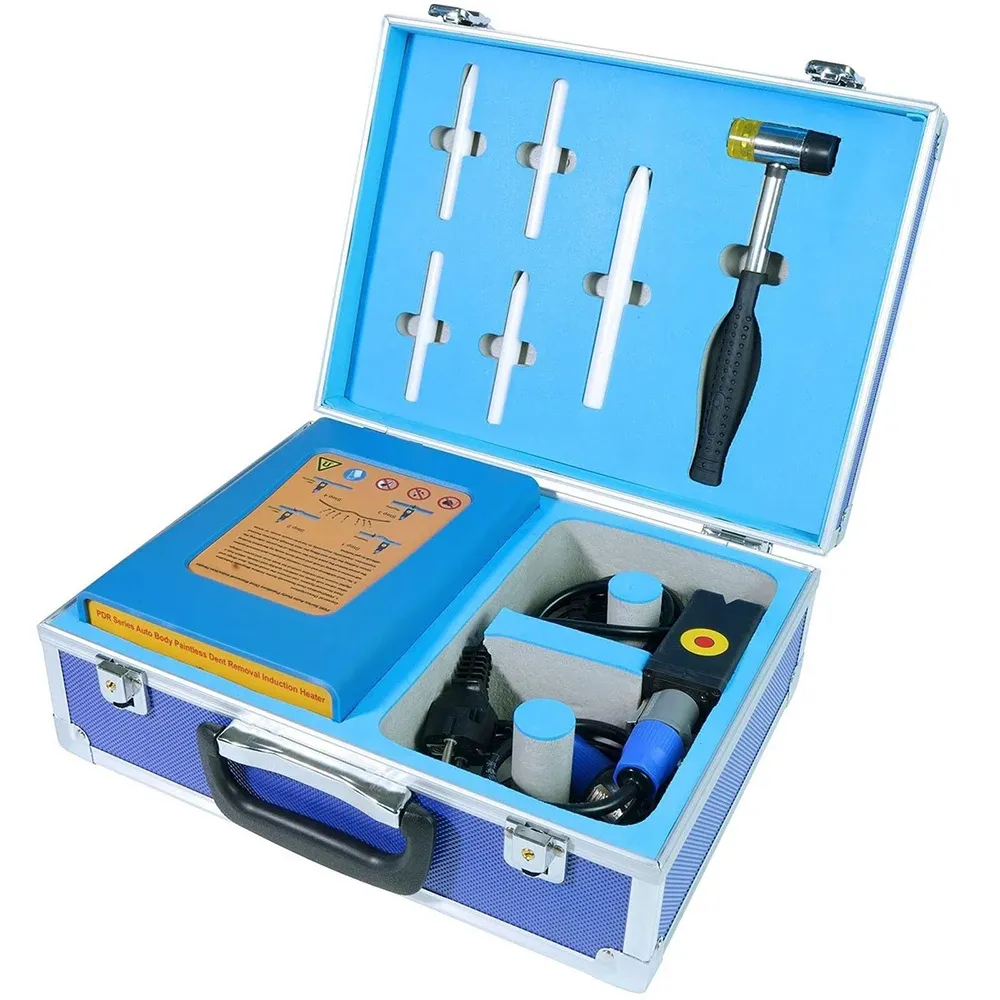
With no electronic components listed, the kit should appeal to users who prefer straightforward tools with fewer failure points. That also means less dependence on charging, firmware, or fragile displays, which is useful in a garage where tools get moved around and used quickly.
Origin is listed as Mainland China, which is common in the AliExpress UK car-accessories category and usually points to broad availability rather than boutique workshop branding. For buyers, the important part is whether the toolset is complete enough for the dents they actually see, not just the headline technology.
Who should consider it, and who should not
This kit is a sensible fit for detailers, home mechanics, and car owners who want a more refined repair method than adhesive tabs alone. It is less convincing for deep collision dents, damaged paint, or panels with hidden structural deformation.
In other words, it is a specialist tool for preserving factory paint on minor damage, not a shortcut around proper body repair. If that is the job you need to solve, the next step is deciding whether your dents are shallow enough for induction-based correction.