








A smarter dashboard for the Mazda 3 BL
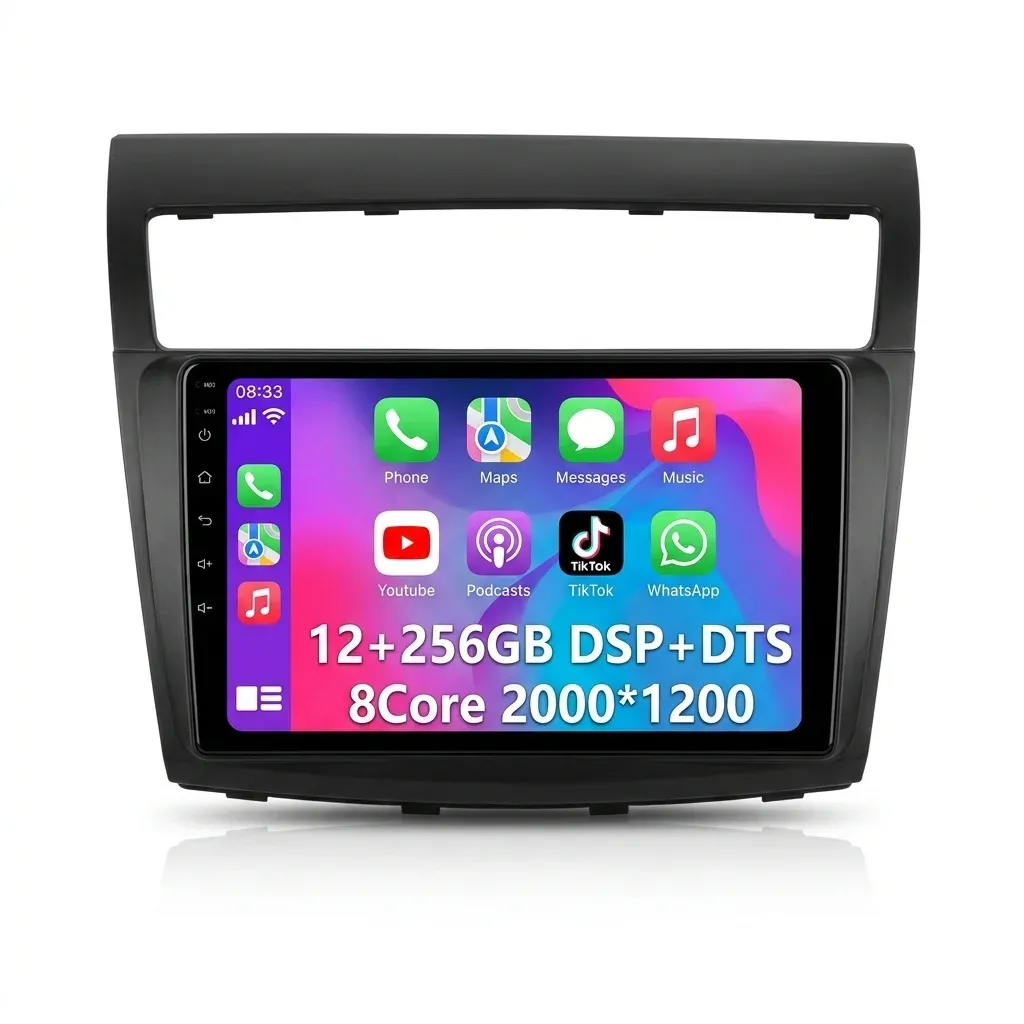
This unit solves a familiar problem: the factory infotainment in a 2009-2013 Mazda 3 can feel dated, slow, and limited in app support. Here, the upgrade is not just a bigger screen, but a full Android-based cockpit that brings navigation, streaming, and phone integration into one place.
At £79.07, it sits in the value-focused end of the AliExpress UK car audio market, yet the spec sheet is unusually ambitious for the segment. The promise is simple: keep the original dashboard layout, add modern connectivity, and avoid the clutter of separate mounts and adapters.
9-inch screen clarity and daily usability
The 9-inch display is the main visual upgrade, and the resolution options listed up to 1280×720 or 2000×1200 suggest a sharp enough image for maps, album art, and reversing camera feeds. In practical terms, that means fewer squinting moments and a cleaner, more premium look across the centre console.
Touch response matters just as much as pixel count, and users consistently describe the interface as fast and easy to use. That is important in a car, where menus must be readable at a glance and taps need to feel predictable when the road gets busy.
Android 16, memory choices, and what they change
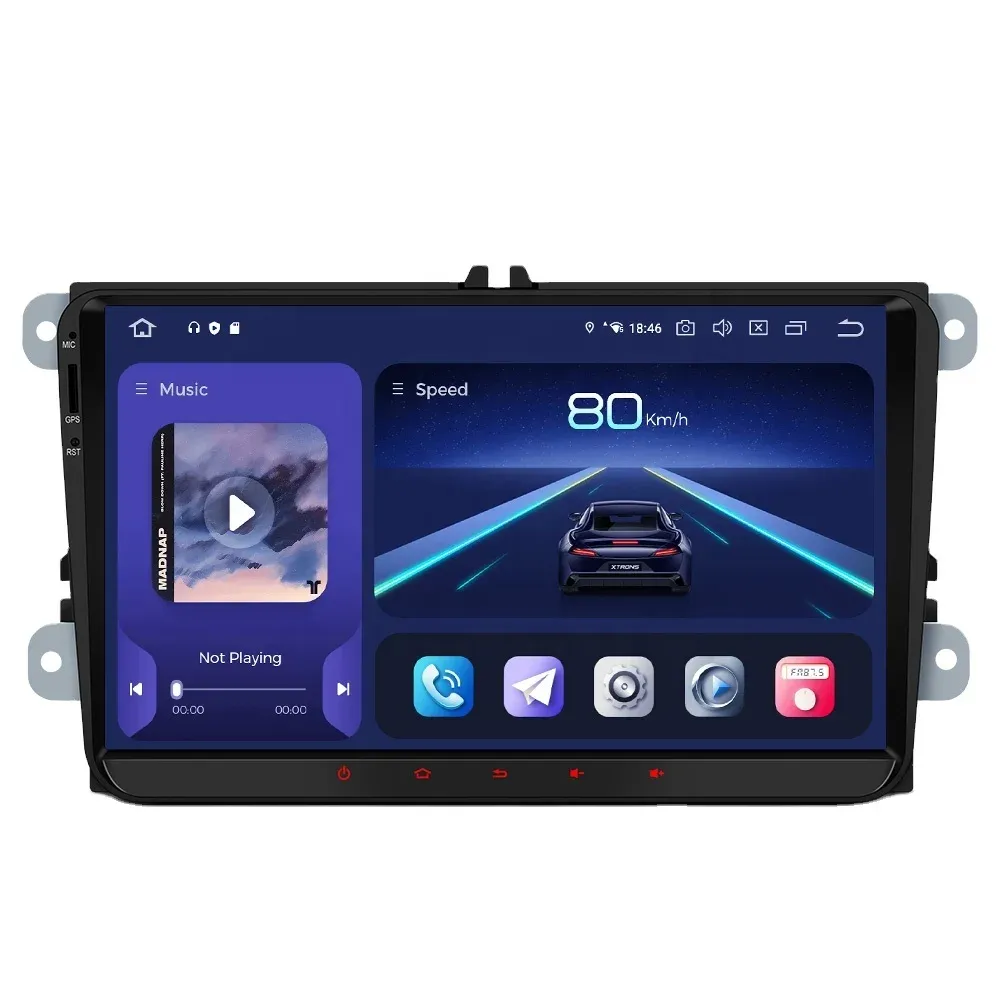
The Android 16 platform is the real selling point for drivers who want a tablet-like experience without sacrificing vehicle integration. RAM options from 2GB to 8GB and ROM options up to 256GB mean the unit can range from basic app use to a much smoother multitasking setup with offline media stored locally.
For most Mazda 3 owners, the middle configurations make the most sense because they balance speed and cost better than the entry-level version. If you plan to run navigation, music apps, and Bluetooth or CarPlay simultaneously, the higher-memory trims should feel noticeably more fluid, which raises an important question about connectivity.
CarPlay, GPS, 4G, and WiFi in one package
This model combines GPS navigation, WiFi, and 4G support, so it can work as a connected hub rather than a simple radio replacement. That matters on longer commutes, where live traffic, online maps, and streaming audio can make the cabin feel far more current.
Customer feedback points to strong navigation accuracy and generally good sound quality, while one recurring note is that phone connection stability can vary. That suggests the hardware is capable, but the final experience may depend on installation quality, signal strength, and the exact configuration you choose.
Fitment, wiring, and the plug-and-play advantage
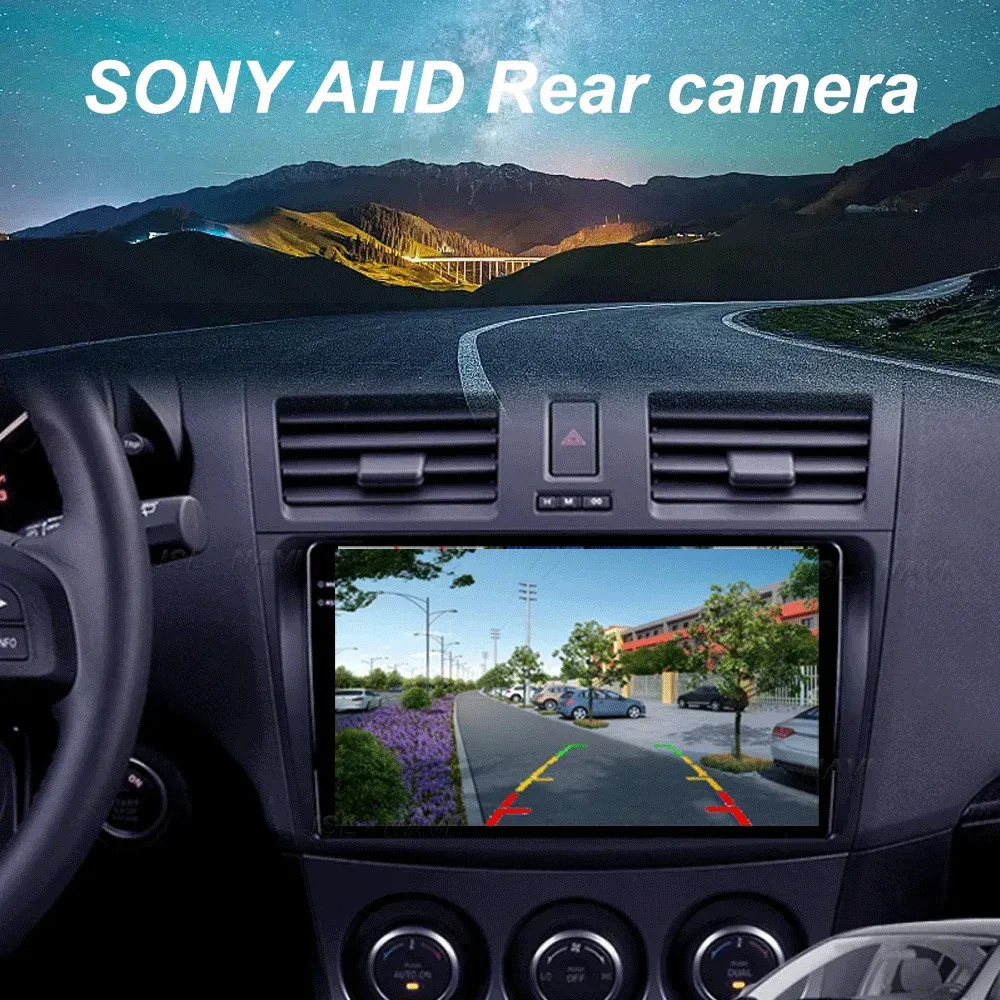
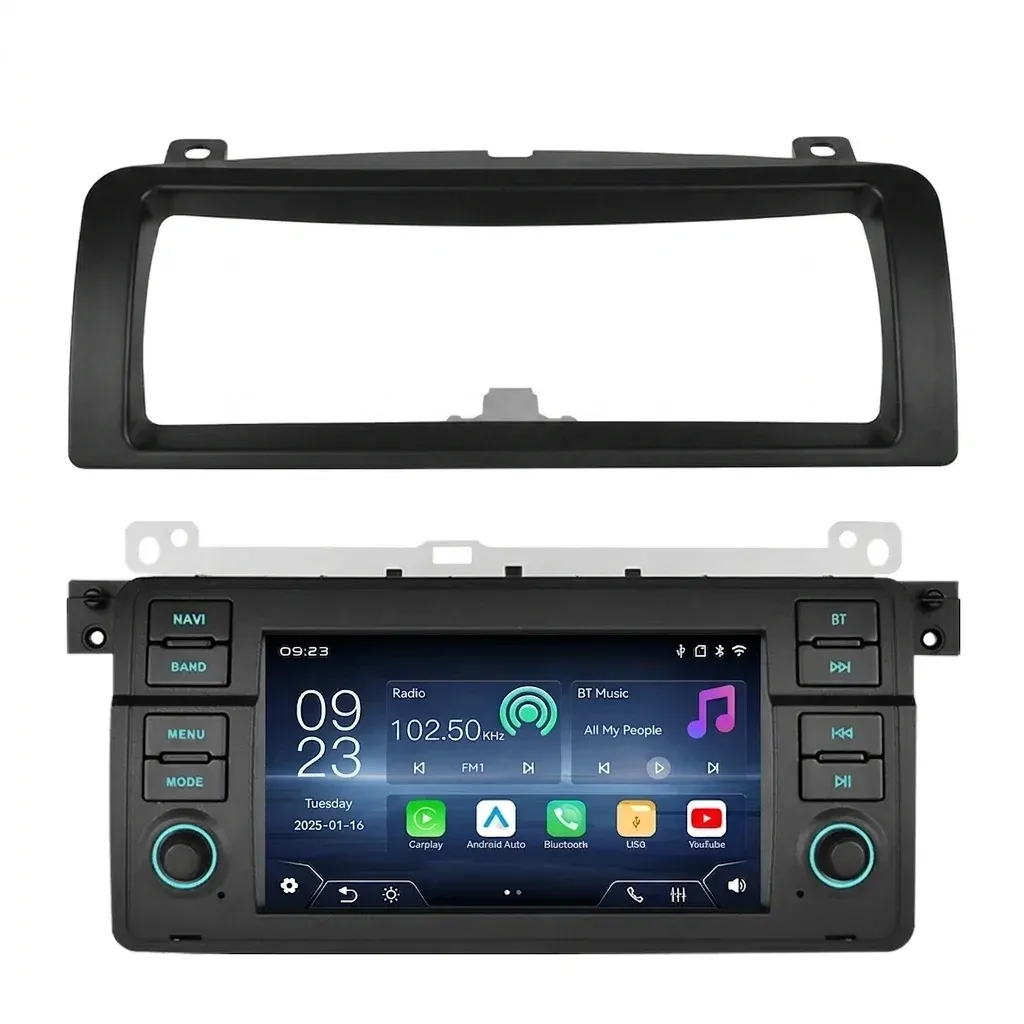
The package includes the head unit, frame, and a plug-and-play power cable kit, which is exactly what most retrofit buyers want to see. It also includes USB, RCA, GPS, camera input, and a 4G cable for the relevant model, reducing the need to source extra parts before installation.
Users often mention that the connectors fit properly and the installation is straightforward, which is a strong sign for a model-specific Android stereo. Steering wheel control support and Can-Bus compatibility are especially useful because they help preserve the factory feel instead of forcing you to relearn the cabin from scratch.
Sound, reversing camera support, and everyday driving
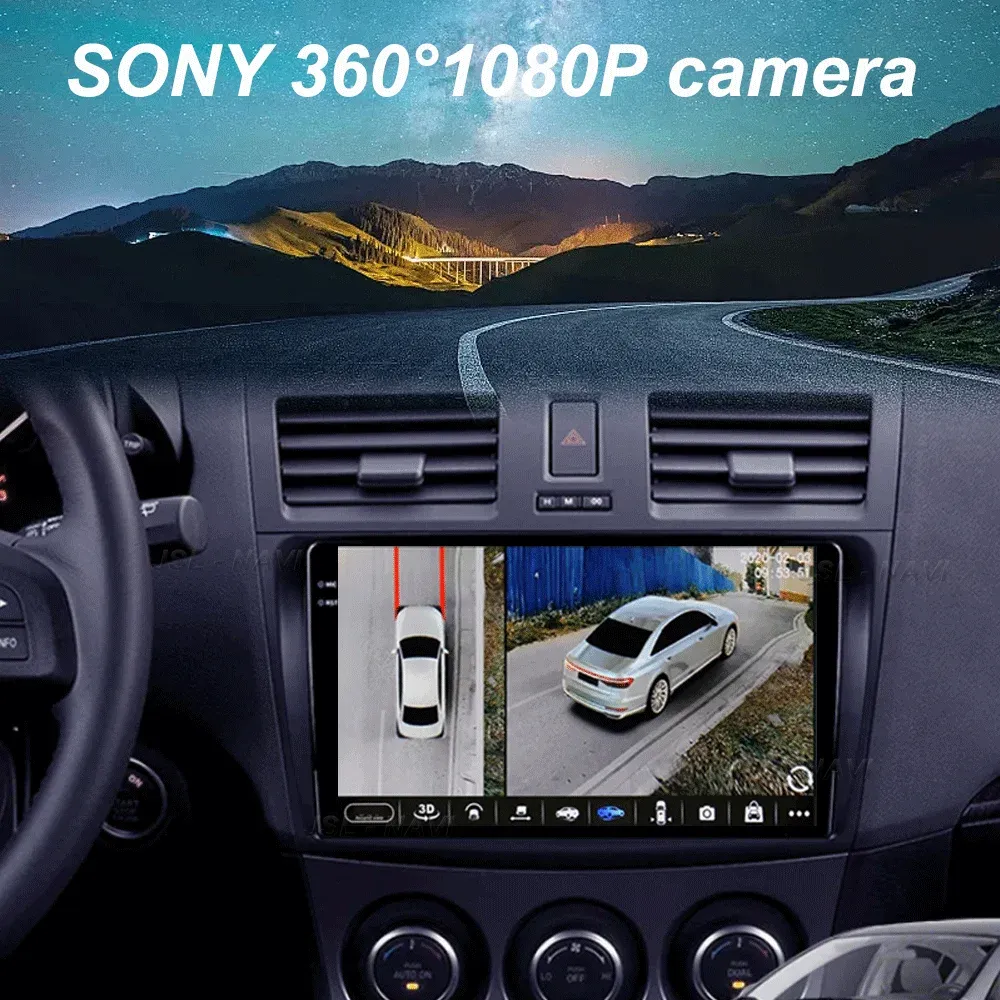
The FM/AM tuner, support for common media formats, and camera input make this more than a screen for navigation. In daily use, the biggest gain is convenience: music, calls, and reversing assistance all live on the same interface, so the dashboard becomes less fragmented.
Some users report excellent rear-view clarity when a camera is fitted, which is valuable in a compact saloon where parking visibility is often limited. If you want a cleaner dash and a more modern driving rhythm, this unit delivers that shift without asking for a complete interior redesign.