







Why a small canopy can protect a costly entry system
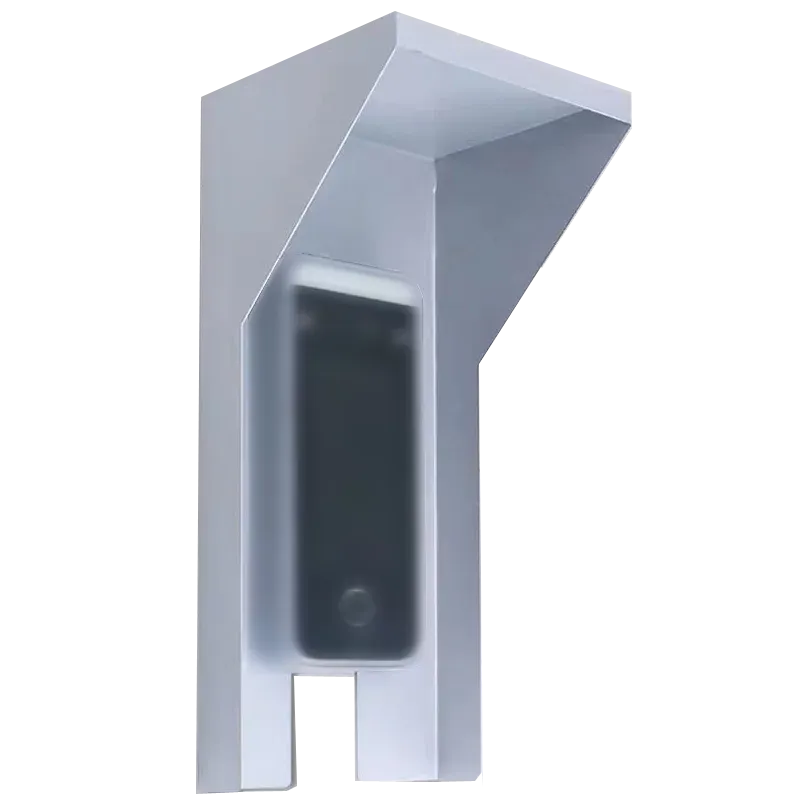
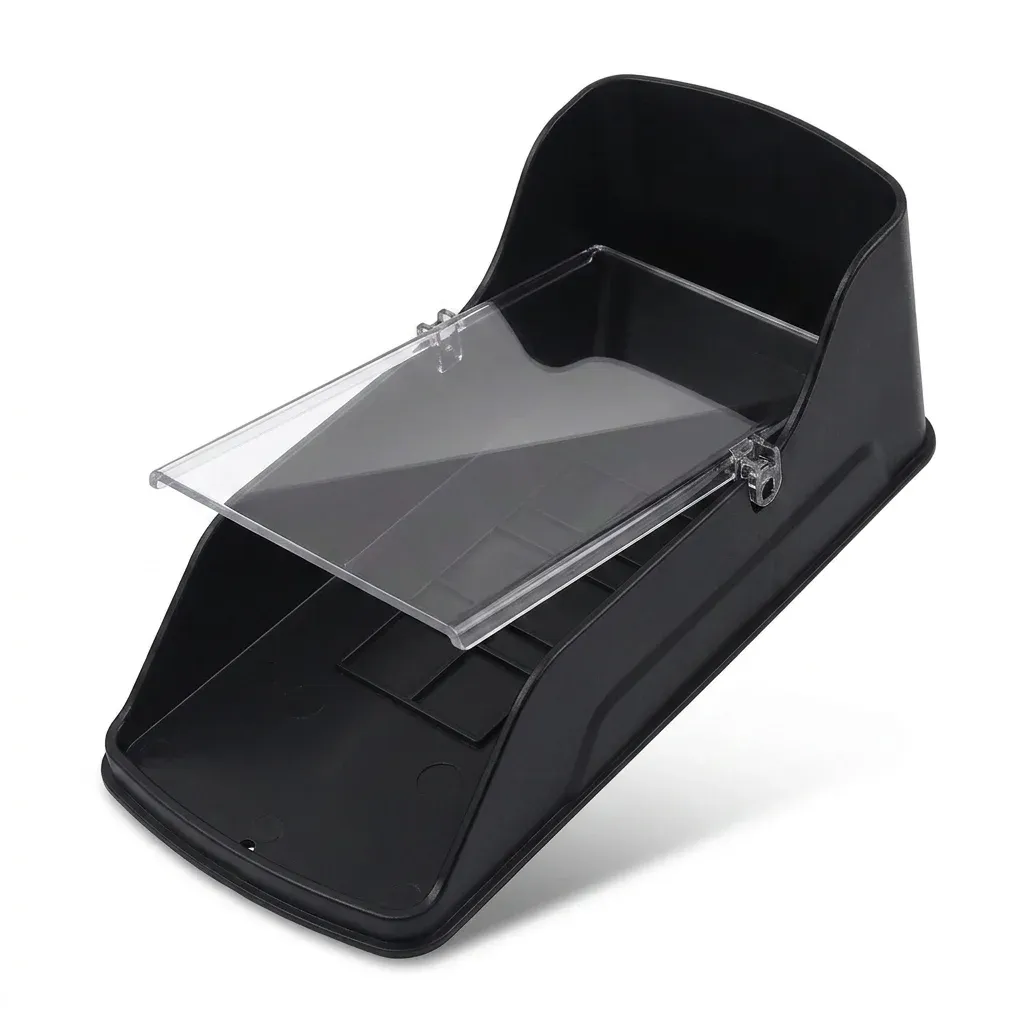
Outdoor access hardware fails early when rain lands directly on the keypad, reader, or call button, and this metal shield tackles that problem with a fixed overhead barrier. It is a simple accessory, but the practical gain is clear: less direct water contact, less sun washout on the screen, and a cleaner installation at the entrance.
For property managers, installers, and smart-home users, that matters more than it sounds. A cover like this can reduce the need for frequent wipe-downs and helps keep the interface readable in bright weather, so the next question is how well the metal build supports that job.
Metal construction that feels more serious than plastic hoods
Unlike lightweight plastic rain hoods, this model uses metal, which gives it a firmer presence and better resistance to knocks near busy doorways. The surface should also feel cooler and more rigid in hand, which is useful where a cover may be brushed by bags, parcels, or passing traffic.
That said, the value is not just toughness for its own sake. Metal is a better fit when you want a more permanent-looking installation around an RFID access controller or video doorbell, and that leads into the most important practical point: fit and placement.
Where it works best: readers, buttons, and compact door stations

The product is designed for RFID access controllers, Wi-Fi video doorbells, fingerprint attendance terminals, and similar wall-mounted devices. In real use, it makes the most sense where the unit is exposed but does not need full enclosure protection, such as a porch, gate post, or sheltered apartment entry.
Because the package includes the rainproof cover only, installation planning matters. Users should confirm the device footprint before fitting, since a canopy that is too shallow will not stop diagonal rain, while one that is too narrow can leave the edges exposed.
Weather protection without hiding the device
One advantage of this style of shield is that it protects from above without blocking the front-facing interface. That means the keypad, camera lens, or card reader remains visible and usable, which is better than bulky boxes that can make a modern door station look cramped.
It also helps with glare control in bright conditions, especially on glossy screens or reflective reader faces. Customers in the listing rate it 5/5 from a small sample, which is not enough to prove long-term durability, but it does suggest the basic fit and finish met expectations for at least one user.
What to expect at this £24.49 level

At £24.49, the value depends on whether you need a dedicated shield rather than a universal shelter. For a single exposed device, the cost is reasonable because it solves a specific outdoor problem without adding wiring, power, or moving parts.
Compared with improvised covers, this is neater and more installation-friendly. Compared with a full enclosure, it is lighter and less intrusive, but it will not protect the sides or back from driving rain, so a sheltered mounting position still gives the best result.
Practical checks before you fit it
- Measure the device face and wall space before ordering.
- Check whether your keypad or reader needs side protection, not just a top hood.
- Use it in semi-sheltered outdoor locations for the best result.
- Confirm the mounting method suits your wall surface and device layout.
Those checks are what separate a tidy upgrade from a disappointing fit. If your access point is already exposed to strong wind-driven rain, the next step is deciding whether a simple canopy is enough or whether you need a more enclosed solution.