





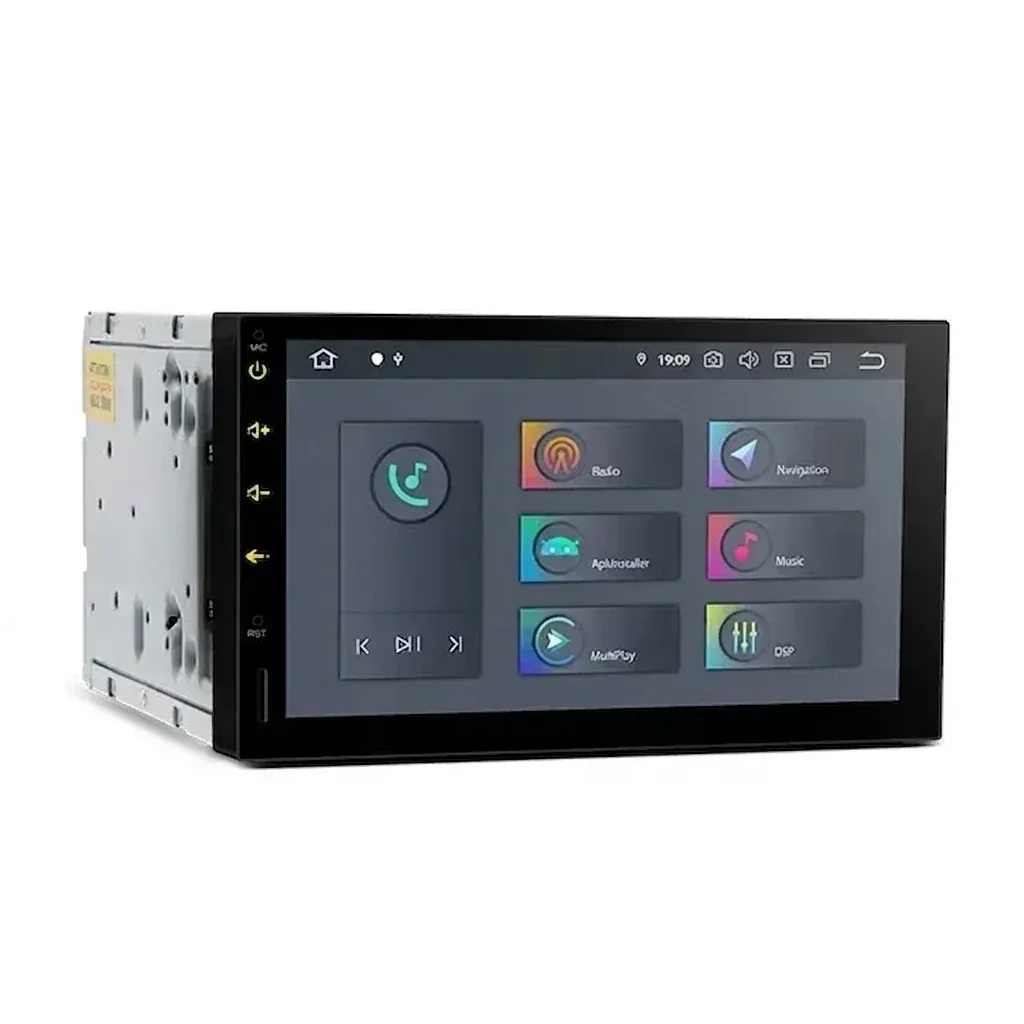
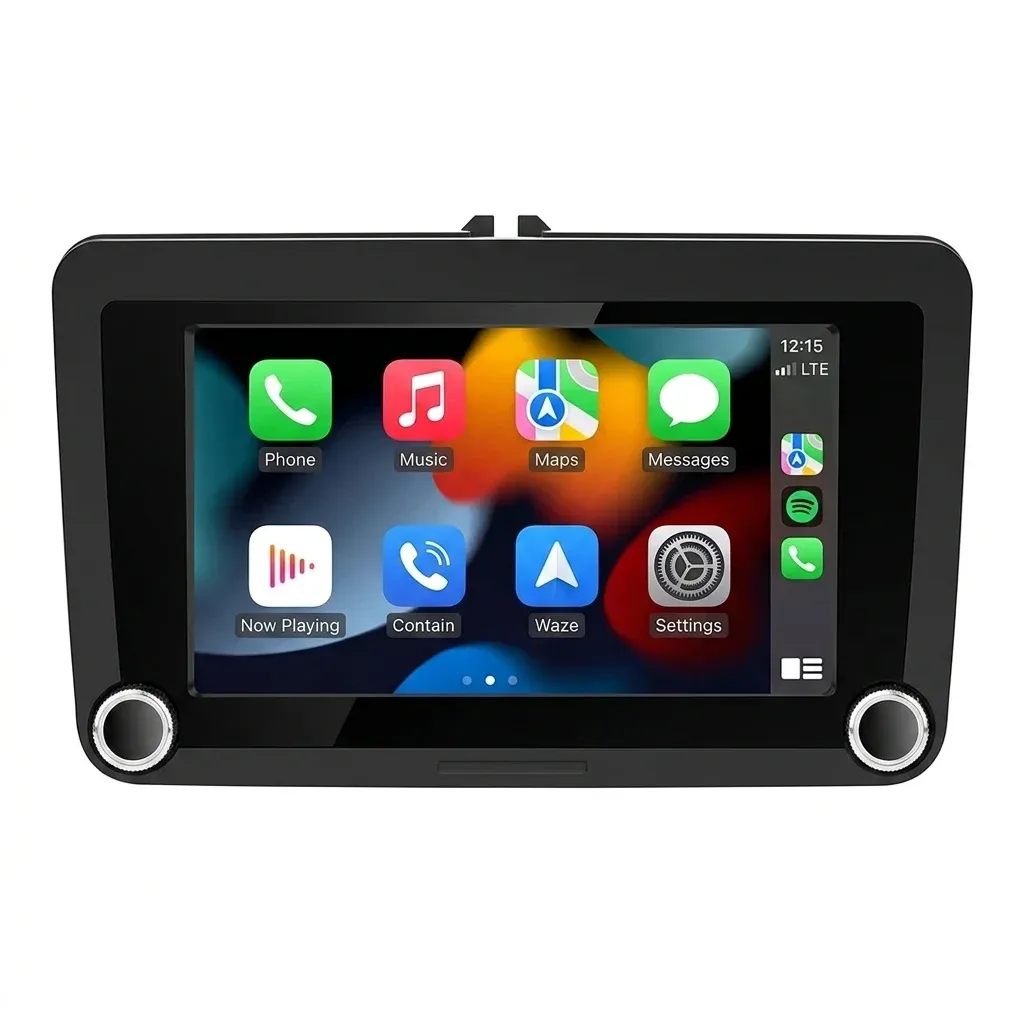
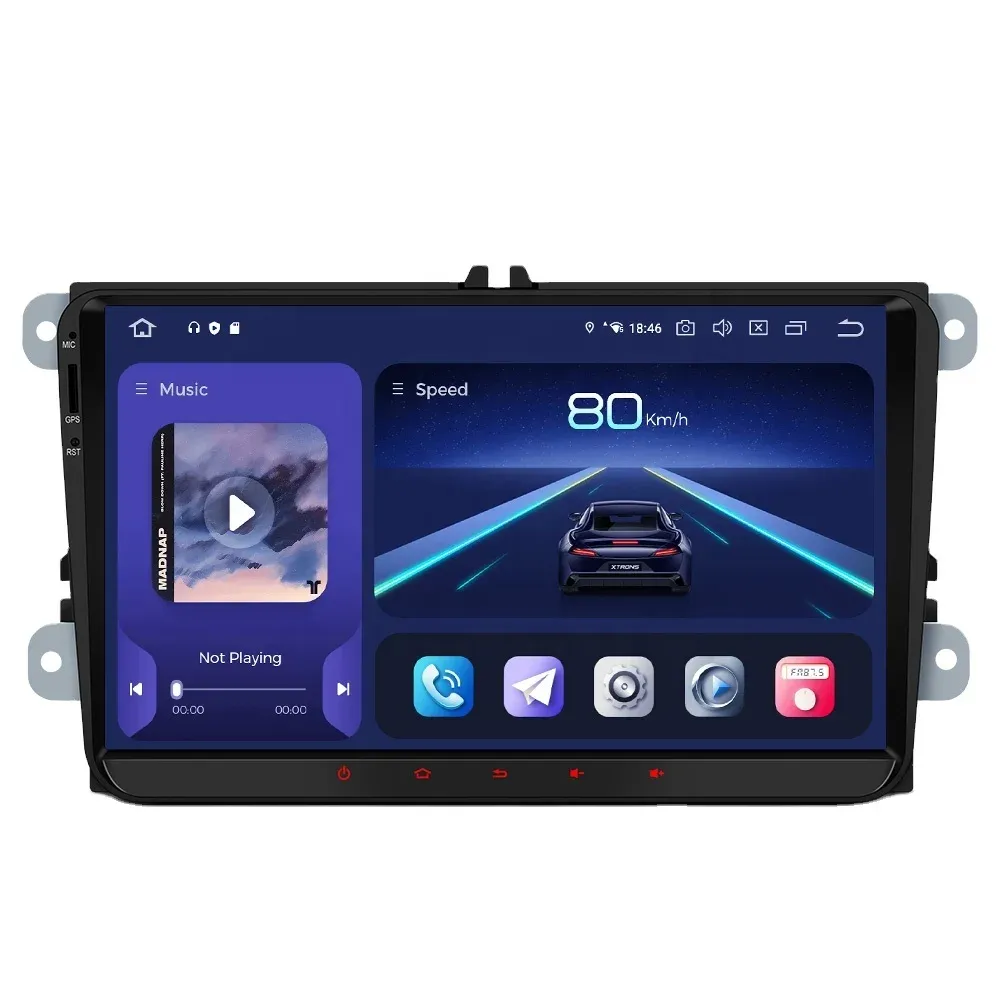

Why this screen changes the in-car experience
The main problem this product solves is simple: many cars still have perfectly usable dashboards, but the infotainment feels dated and limited. Ottocast turns that setup into a more modern Android-style interface without replacing the factory system, which is useful if you want a cleaner upgrade path.
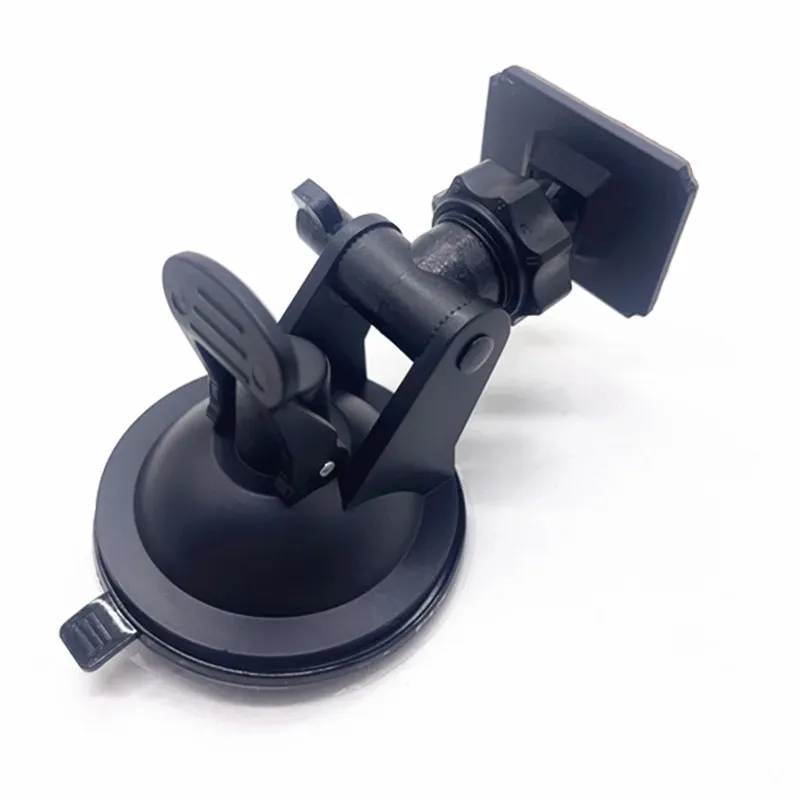
Because it is portable and uses a bracket plus car charger cable, installation is far less invasive than a traditional double-DIN retrofit. That makes it attractive for leased cars, family vehicles, and drivers who want a reversible setup, so how well does the screen itself hold up?
10.26-inch IPS panel and 2.5K clarity
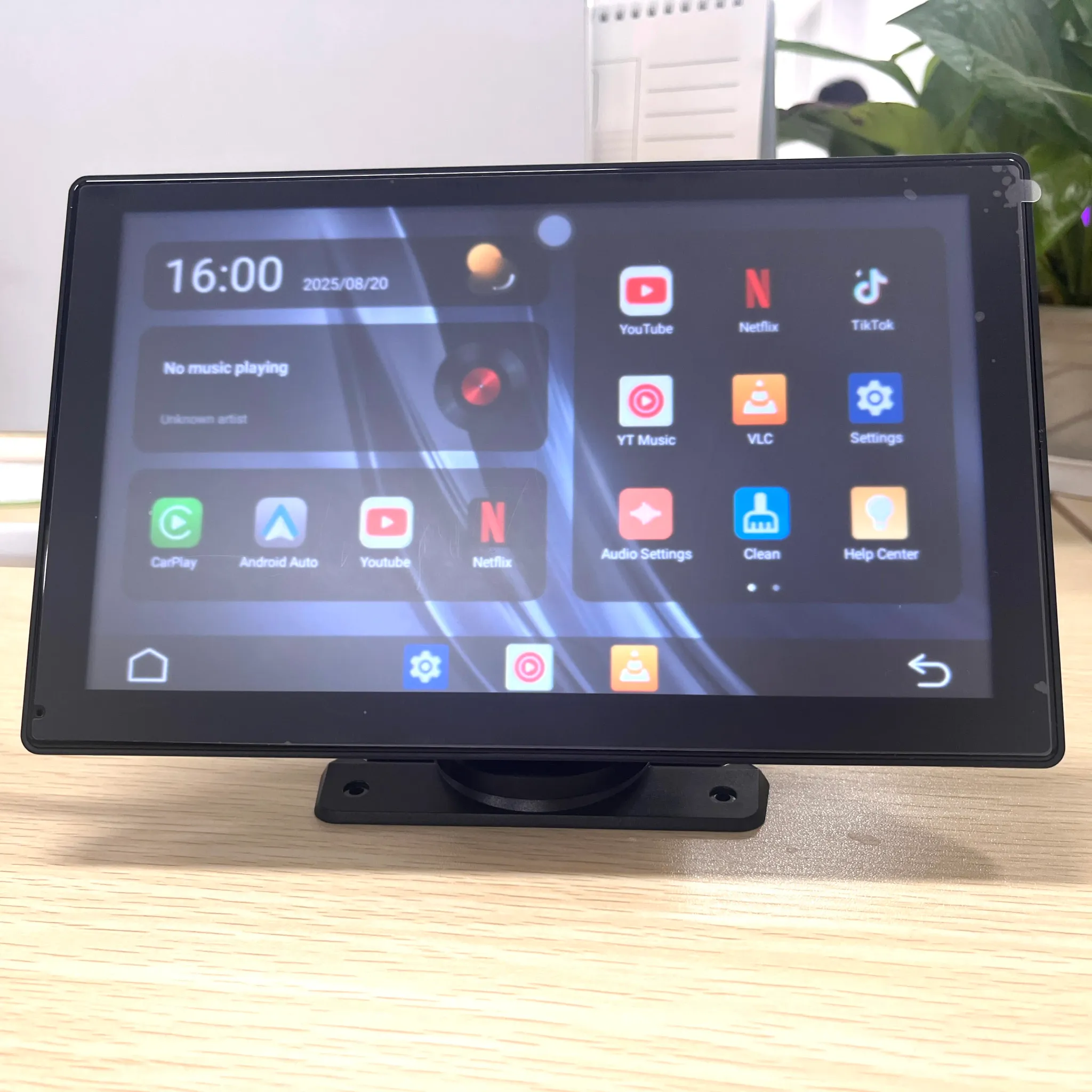
The display is the strongest part of the package. A 10.26-inch IPS capacitive touchscreen with 2.5K resolution should look noticeably sharper than basic portable car screens, especially when reading maps, app menus, and small on-screen controls.
IPS also matters in daily use because colours stay more consistent when viewed from the side, which is common in a car cabin. In practice, that means passengers can watch content more comfortably and the driver can glance at navigation without the image washing out, but the software side matters just as much.
Android interface with pre-installed app limits
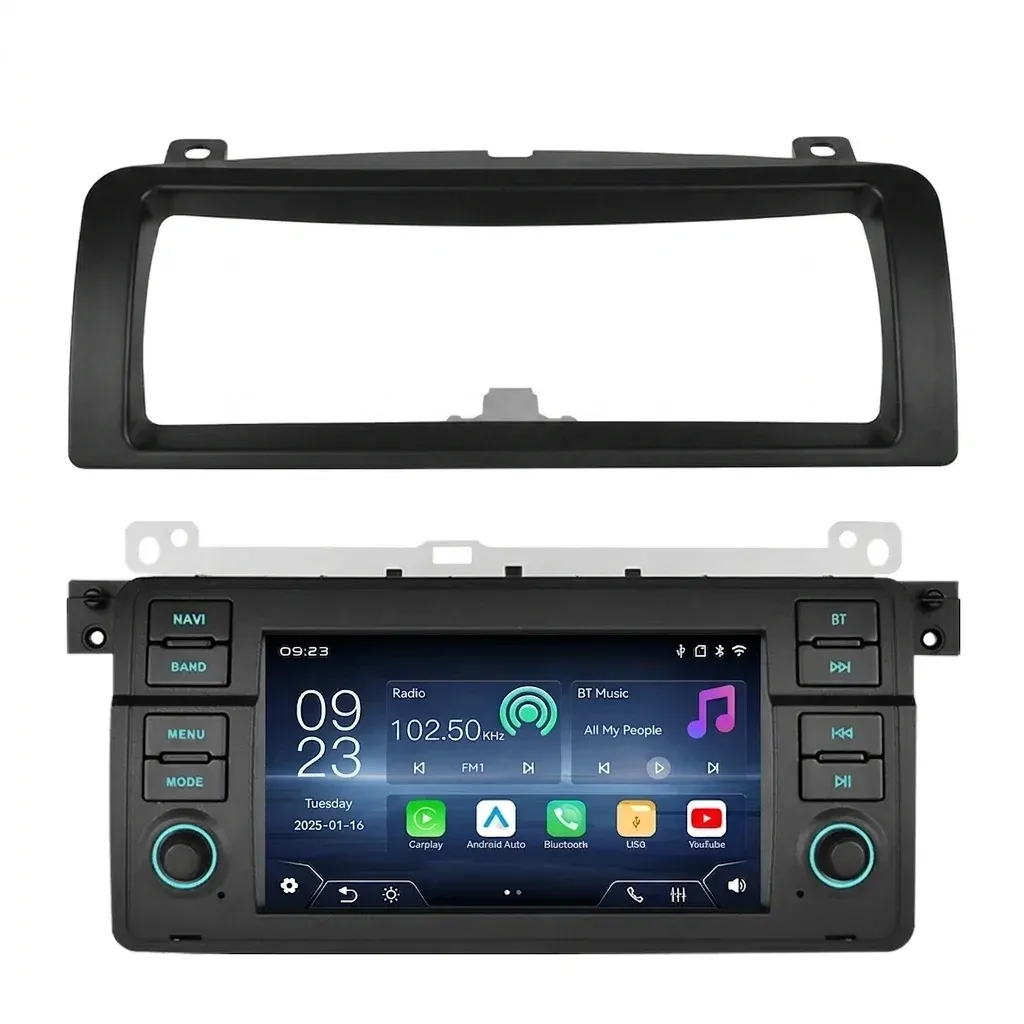
This unit runs Android and supports streaming, music, navigation, voice control, CarPlay, and Android Auto, so it covers the core use cases most drivers want. The key limitation is important: according to the product notes, it cannot download other apps and only pre-installed apps can be used.

That restriction makes it less flexible than a full Android tablet, yet it also keeps the experience more focused and predictable. For buyers who mainly want Netflix, YouTube, TikTok, maps, and phone mirroring in one place, the preloaded ecosystem may be enough, and the connection options are broad enough to keep it practical.
Wireless links that suit modern phones
The screen supports Wi-Fi, 5 GHz Wi-Fi, Bluetooth, and BT 4.0, which helps with faster pairing and smoother media streaming. A 5 GHz connection is especially useful in a moving vehicle because it is less crowded than older wireless bands, so the interface should feel more responsive in busy urban areas.
There is also built-in GPS, a microphone, and speaker support, which makes the unit useful even before the car audio system is fully integrated. Users who rely on hands-free calls or voice commands will appreciate that the screen is not just a display, but a self-contained control hub, and the rear-camera support adds another layer of value.
Reversing input and split-screen practicality
Reversing input and split-screen mode are the features that move this from entertainment gadget to genuine daily driver tool. Split-screen is particularly helpful when you want navigation on one side and music or a call interface on the other, avoiding the constant app switching that slows you down.
The rear camera input supports 1080P or 720P, which is solid for parking assistance on a portable unit in this category. If you compare it with cheaper portable screens that only focus on media playback, Ottocast feels more complete for real road use, so what about storage and compatibility?

Storage, power, and vehicle fit
The TF/Micro SD slot supports up to 256GB, giving enough room for offline media and local files if the pre-installed apps allow them. Power draw is listed at less than 10W, while the input is 5V/2A, so the unit should remain relatively light on the vehicle’s electrical system.
It weighs about 1kg and is designed as a universal accessory, which makes it broadly suitable for many cabins rather than one exact model. Real customer feedback is limited but positive, with users praising the finish and the presentation, which suggests Ottocast is aiming at a more polished feel than the typical budget portable screen.
Who will get the most from it
This is best suited to drivers who want a larger, smarter screen without committing to a full head-unit replacement. It is also a sensible choice for anyone who values simple installation, wireless connectivity, and a modern interface over deep app freedom.
If your priority is a straightforward dashboard upgrade with streaming and navigation at the centre, this model lands in a useful middle ground. If you need unrestricted Android app installation, the built-in limits are worth noting before you set up the rest of your cabin.