








Modern phone integration for older Toyota dashboards
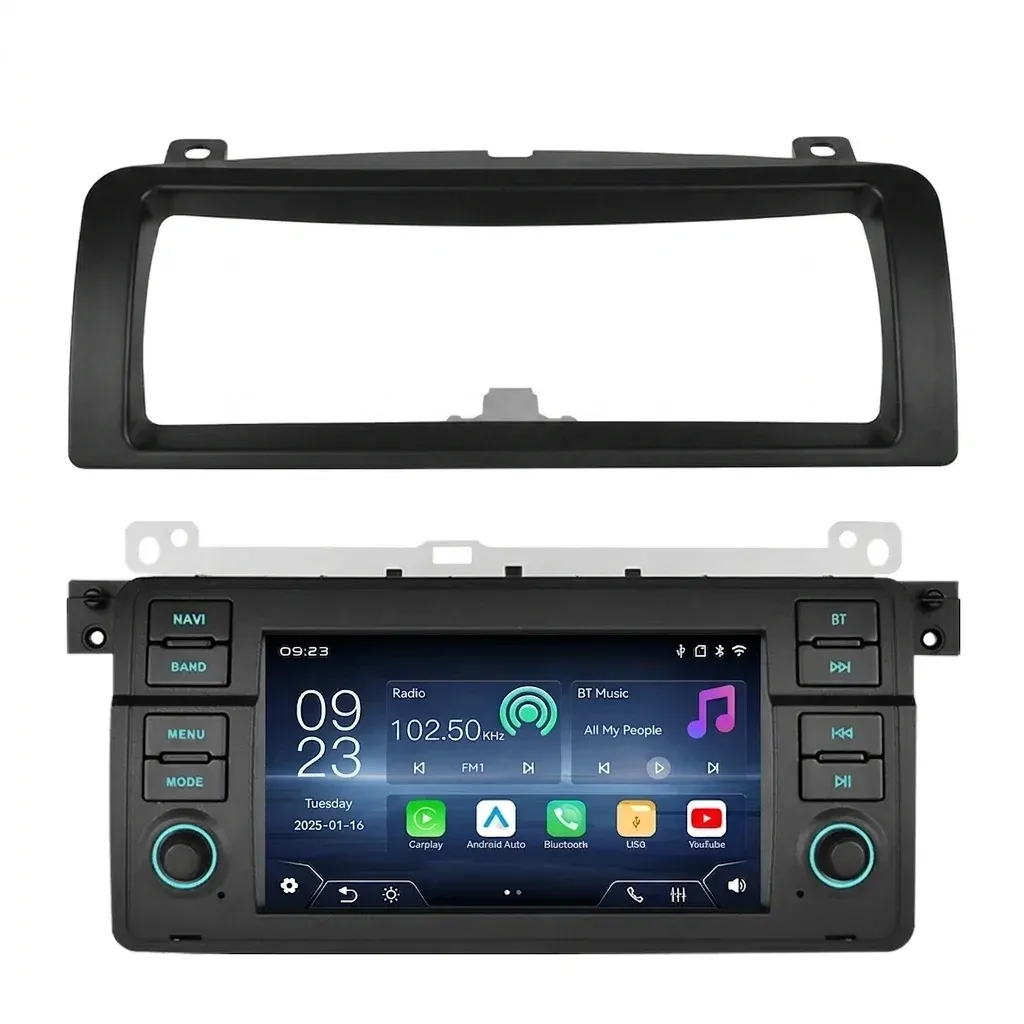
This unit solves a familiar problem: an ageing factory radio that feels slow, limited, and disconnected from today’s navigation habits. By focusing on wireless CarPlay and Android Auto, it turns a compatible Toyota cabin into a cleaner, more usable daily driver without adding a bulky tablet-style interface.
The appeal is that the system stays simple rather than trying to become a full Android computer. That usually means faster startup and fewer lag complaints, which matches the tone of customer feedback that praises the screen and the Linux platform, so what does that mean for real driving?
Linux instead of Android: why that matters on the road
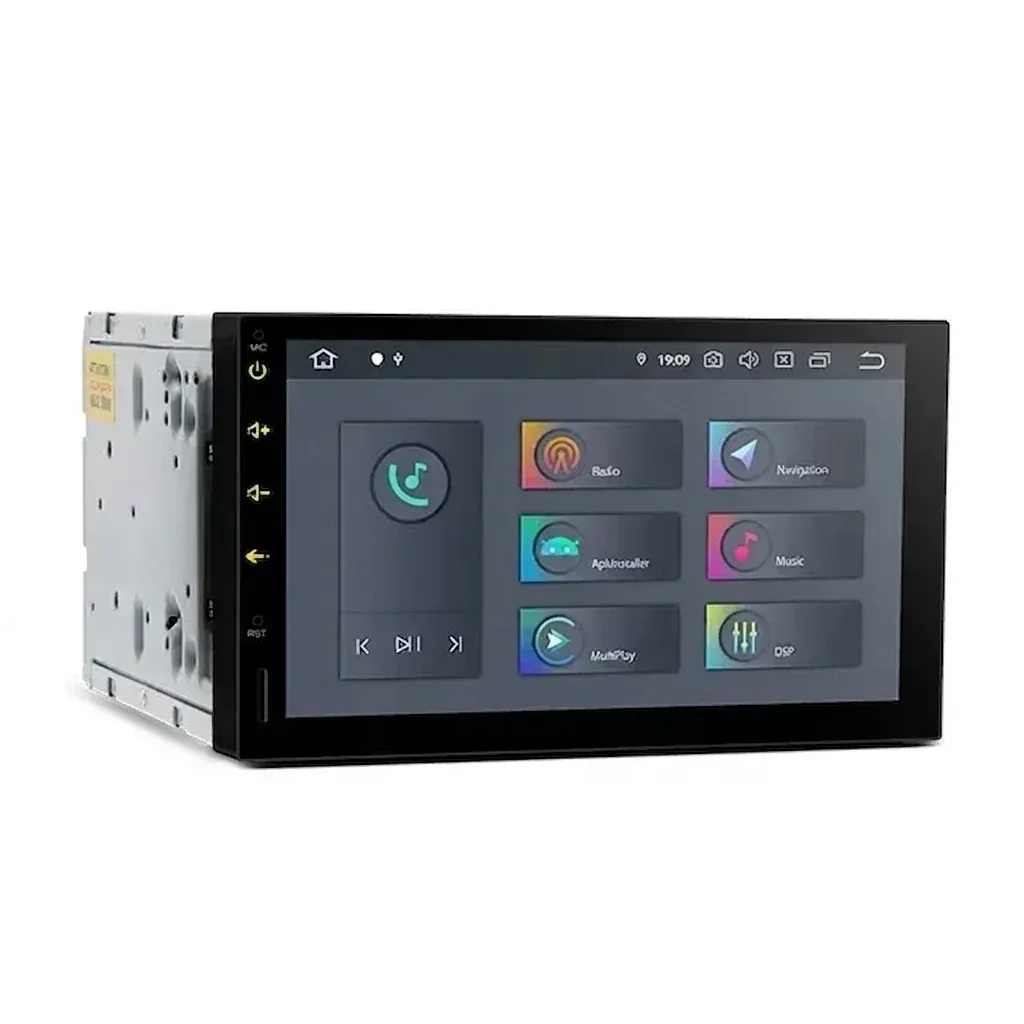
The head unit runs Linux, not Android, and that is the most important technical detail here. In practice, this usually means a lighter interface, quicker boot behaviour, and less chance of the slowdowns that can appear on budget Android stereos after long use.
For drivers who mainly want music, calls, radio, and navigation mirroring, Linux is a sensible fit. You are not getting app-store flexibility, but you are getting a system that is built around stability rather than feature sprawl, which is a useful trade-off for a daily commuter.
Wireless CarPlay and Android Auto in a budget-friendly package
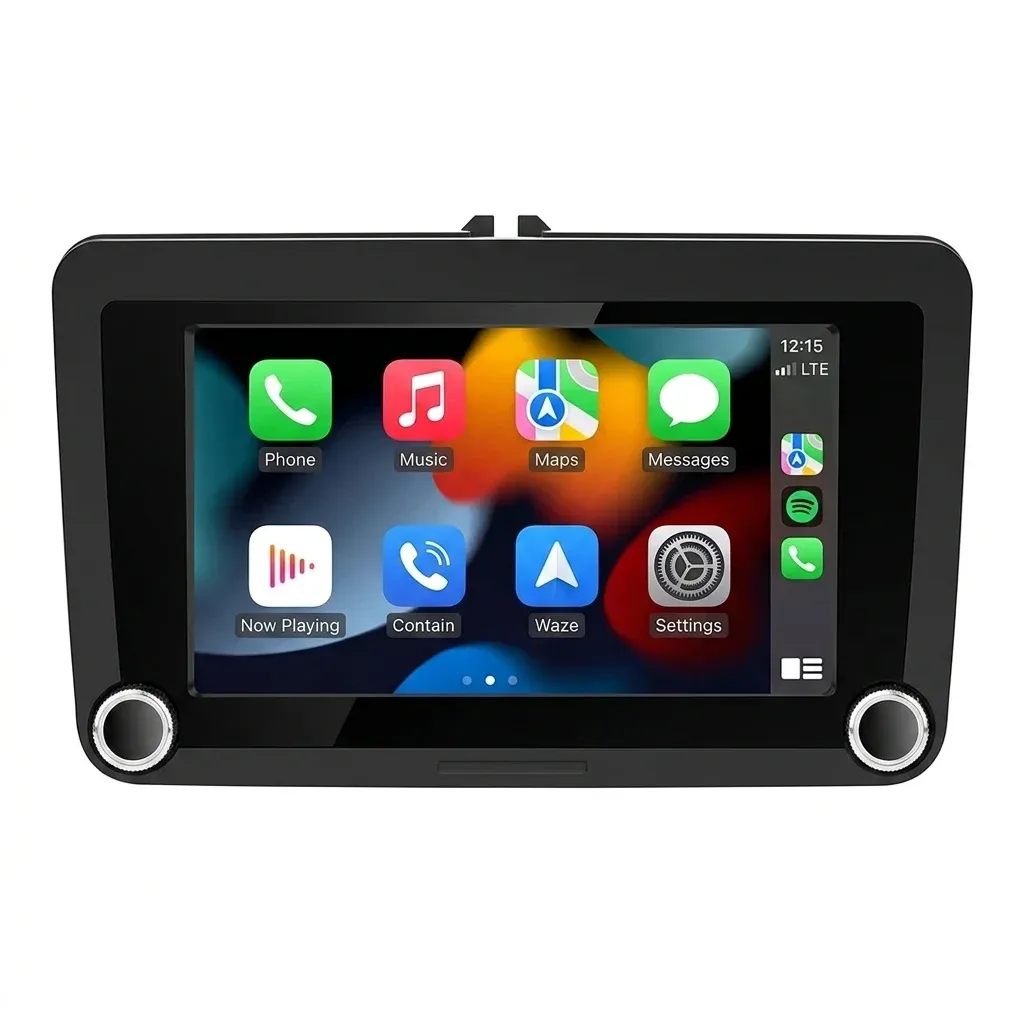
Wireless smartphone integration is the headline feature, and it is the one that changes the driving experience most. Once connected, maps, calls, messages, and voice commands move to the car screen, so your phone can stay in a pocket or bag while the dashboard handles the essentials.

According to users, CarPlay works smoothly, while Android Auto gets mixed comments on wireless smoothness, which is worth noting if that is your main use case. If you prefer a cable for maximum consistency, the dual-USB layout gives you that option, so the next question is how well the screen supports those functions?
IPS display and 1024 x 600 clarity
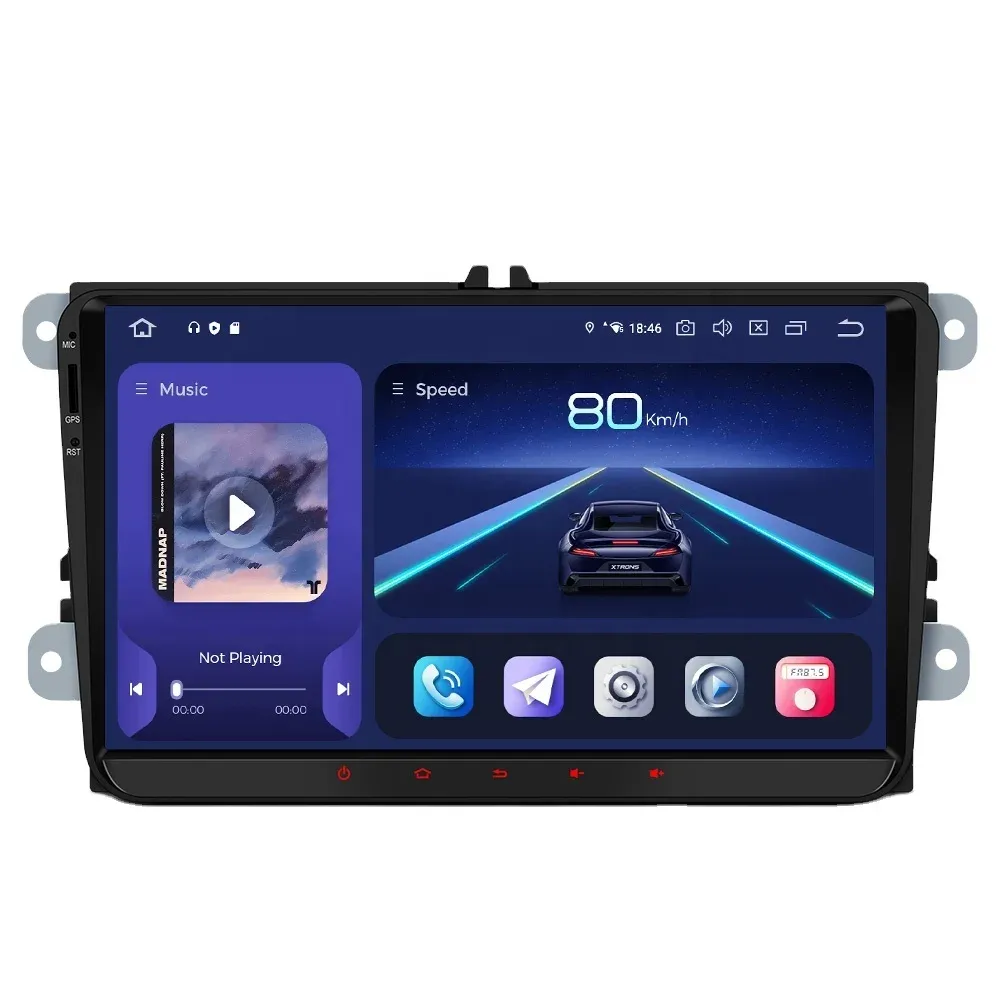
The 6.5-inch IPS panel with 1024 x 600 resolution is not oversized, but it is practical for Toyota centre consoles where fit matters more than theatre. IPS technology helps keep colours readable from the driver’s seat, and that matters when you glance at maps or track titles at an angle.
Users mention strong brightness and touch response, which suggests the panel is tuned for daytime visibility rather than just showroom looks. The smaller size also makes it less visually intrusive than a giant floating screen, and that restraint can be a real advantage in a VIOS, Corolla, Camry, RAV4, or Crown-style dash.
Sound shaping with DSP, amplifier output, and subwoofer support
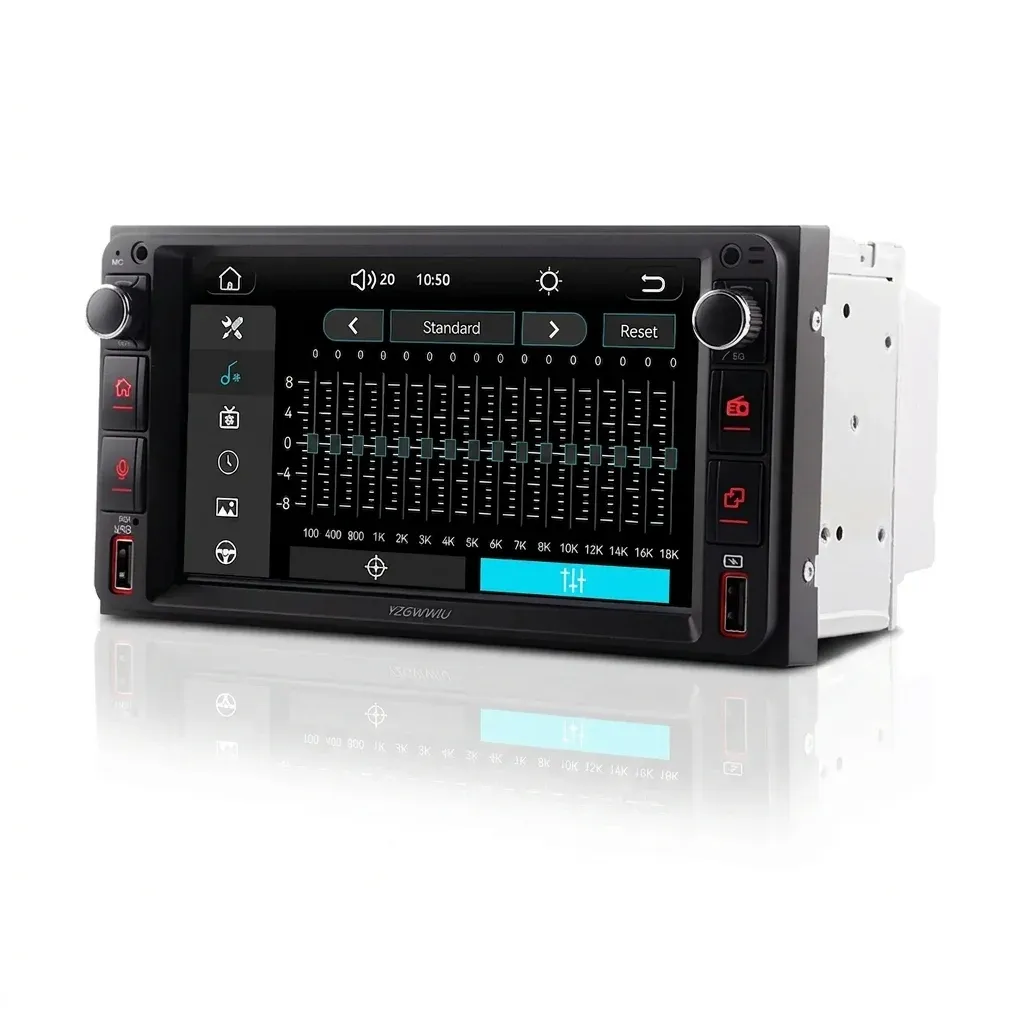
This unit is more interesting than a basic CarPlay screen because it includes DSP, a subwoofer port, and an amplifier wire. That combination gives installers room to improve clarity and bass control instead of relying only on factory speaker tuning.
One reviewer noted that front speakers sounded loud and clear, while rear output felt weaker, which hints that tuning may need attention after installation. For many Toyota systems, that is still a step up from the original radio, and the DSP section is where the real value can be unlocked.

Installation fit for Toyota owners who want OEM-style control
Support for steering wheel controls, Can-Bus integration, reversing input, and a customised boot logo makes this feel closer to an OEM upgrade than a universal gadget. That matters because the less you have to relearn after installation, the more natural the system feels in daily use.
The listing also supports RDS, DAB+, RCA rear camera input, and headlight inspection, which broadens its usefulness beyond basic media playback. The main caution is fitment: the seller explicitly asks buyers to check console size and connector shape before ordering, which is sensible on a universal-style Toyota package.
Where it makes sense, and where it does not
This is a strong fit for drivers who want modern phone mirroring, clean radio reception, and a simple interface at a modest entry point. It is less compelling for users who want full Android apps, built-in GPS hardware, or a large screen with deep customisation.
Real-world feedback is short but encouraging, with a 4.9 average from customers and repeated praise for image quality, touch feel, and sound. The caveat is that some advanced features, such as wireless Android Auto smoothness and camera guidelines, may depend on the vehicle, wiring, and installation quality, so what matters most is matching the unit to your Toyota correctly.