







Rear-seat boredom gets solved with one compact screen
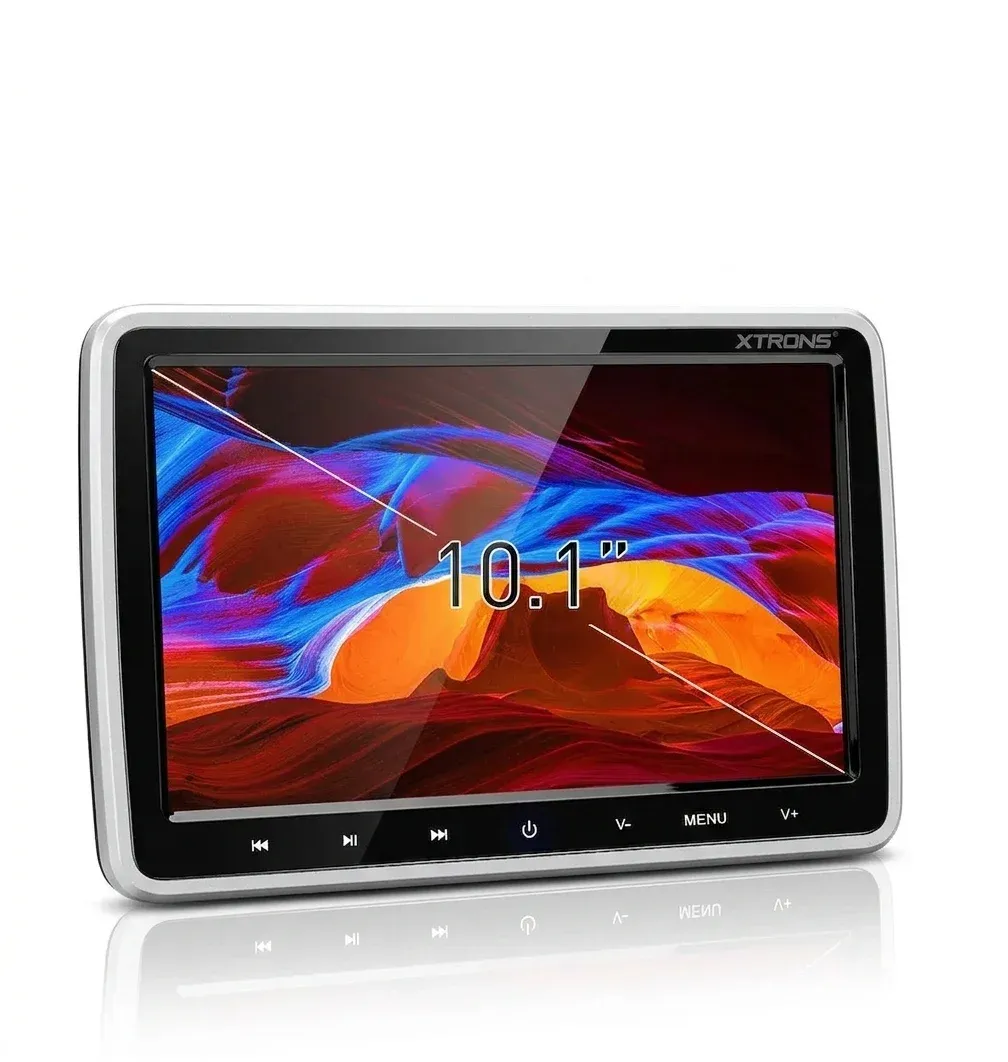
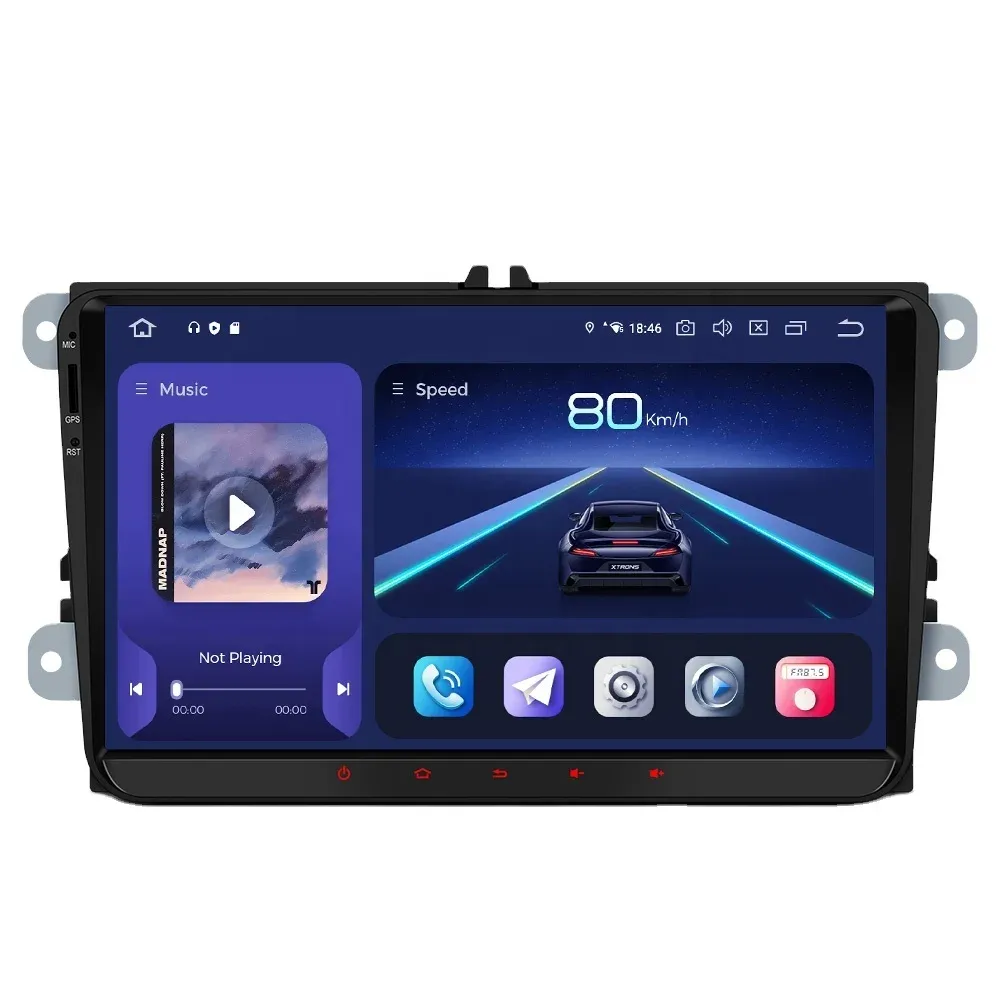
This XTRONS headrest unit is aimed at a familiar car problem: keeping passengers occupied without turning the cabin into a tangle of tablets and cables. It replaces ad hoc entertainment with a fixed rear-seat display that can handle discs, files, and external sources in one place.
XTRONS has built a solid reputation in the AliExpress UK car electronics niche by focusing on practical fitment, broad media support, and hardware that feels designed for real-world use rather than spec-sheet theatre. That matters here, because the unit is less about flashy software and more about dependable playback for family trips, taxis, and shuttle-style use.
10.1-inch 1024 x 600 panel: enough detail for the back row
The 10.1-inch screen size is large enough for children in the second row to follow a film comfortably, yet still compact enough to sit neatly in a headrest position. The 1024 x 600 resolution is not ultra-sharp by tablet standards, but it is appropriate for DVD content, MP4 playback, and casual gaming where stability matters more than pixel density.
Because the panel is capacitive, touch response should feel more modern than old resistive car monitors, with lighter taps and less awkward pressing. That makes navigation easier for passengers, especially when they are switching between a movie, a game, or an input source on the move.
DVD, USB, SD, HDMI: why the source flexibility matters
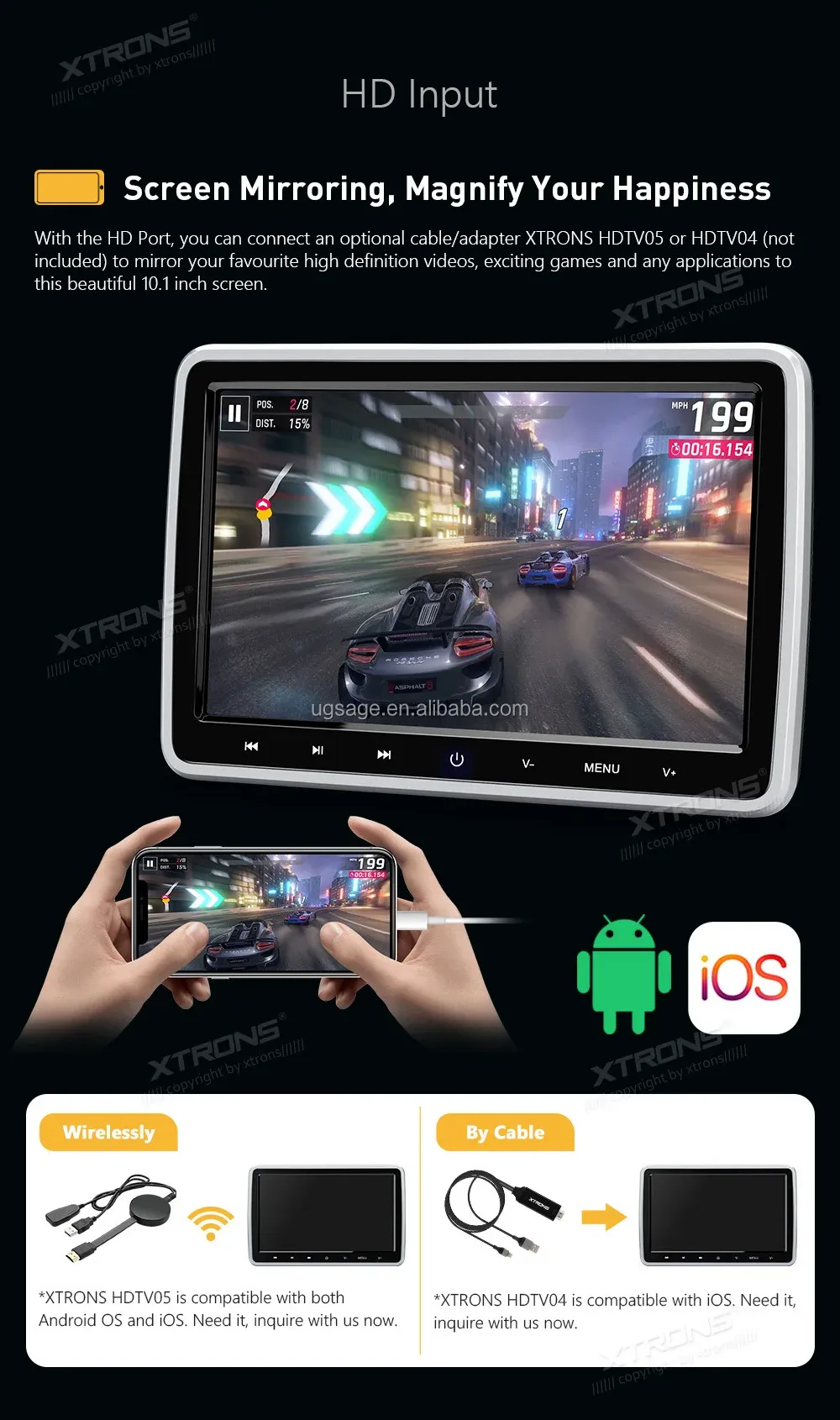
The strongest part of this unit is its input flexibility. Native DVD support, USB and SD playback, and HDMI in/out mean you are not locked into one ecosystem, so older disc collections and newer digital files can live side by side.
For families, that is a practical advantage over tablet-only solutions, which depend on battery life, app compatibility, and mobile data. If you already have a media library in mixed formats, this setup is far easier to keep useful over time, so what else does it do beyond playback?
Built-in games and audio routing for quieter journeys
The advertised 32-bit game support gives the screen a second life when passengers do not want another film. It is a useful distraction for short hops, and the built-in speakers, IR transmitter, FM transmitter, and headset jack give you several ways to keep sound under control in a shared cabin.
That audio flexibility is more valuable than it looks on paper. You can route sound to wireless headphones for one child while leaving the main cabin quiet, or send audio through the car system when you want a fuller, more immersive soundstage.
Power options and installation: built for retrofit use
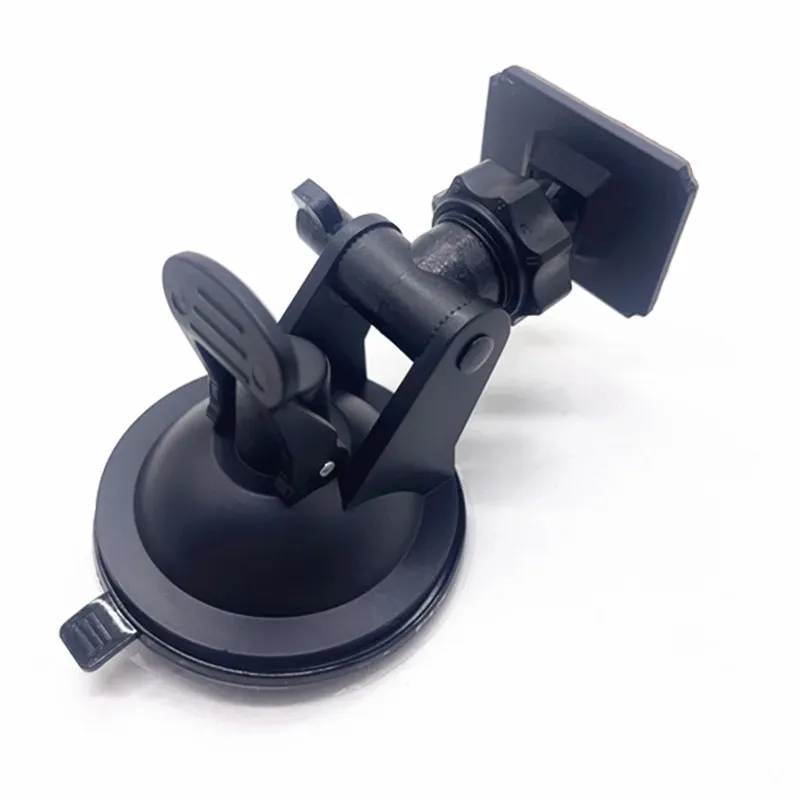
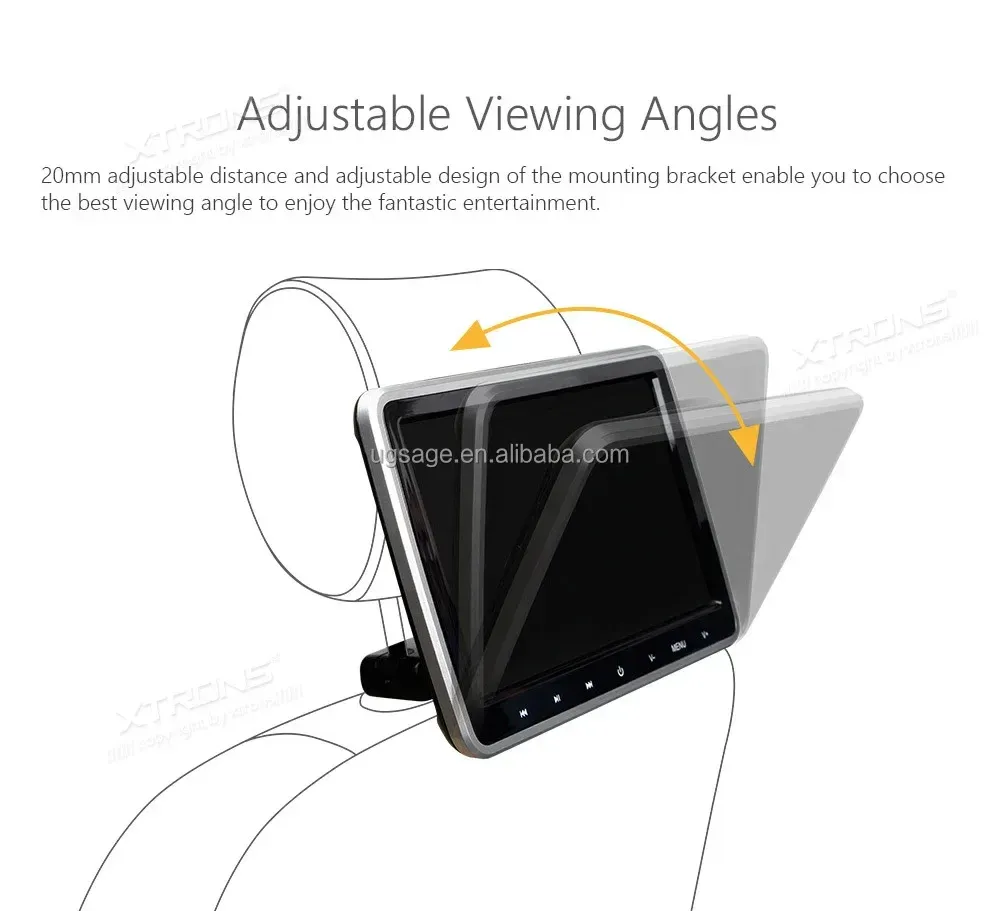
XTRONS includes multiple power paths, including a cigarette lighter adapter and a hard-wiring kit, which makes the unit more adaptable than many generic rear-seat screens. The headrest format and universal fitment also suggest it is aimed at retrofit installations rather than model-specific dashboards, which broadens its appeal.
That said, universal fitment does not mean universal simplicity, and the final result depends on the headrest shape, cable routing, and installer skill. If your vehicle already has a clean path for wiring, this should feel neatly integrated; if not, the installation stage becomes the real deciding factor, and that is where buyers usually have questions.
Where it fits best in daily use
This is most convincing in cars that regularly carry children, long-distance passengers, or ride-share users who want a more polished rear-seat experience. It is also a sensible choice for drivers who prefer a dedicated screen over fragile tablets that need charging, mounting, and constant supervision.
According to users, the appeal is usually in convenience rather than cutting-edge display quality, which is exactly how this category should be judged. If you want a dependable entertainment hub that stays in the car, the feature mix is strong enough to justify a closer look.