







Why this BMW screen upgrade matters in daily driving
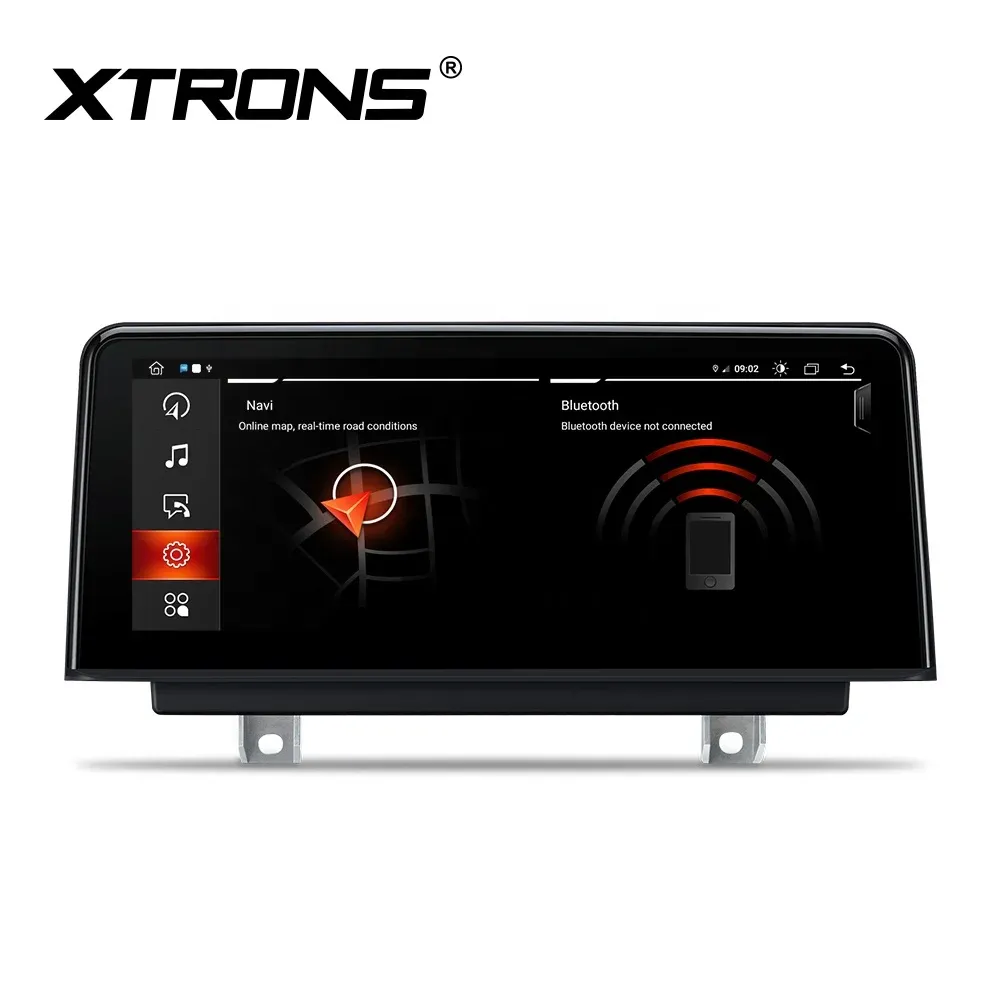
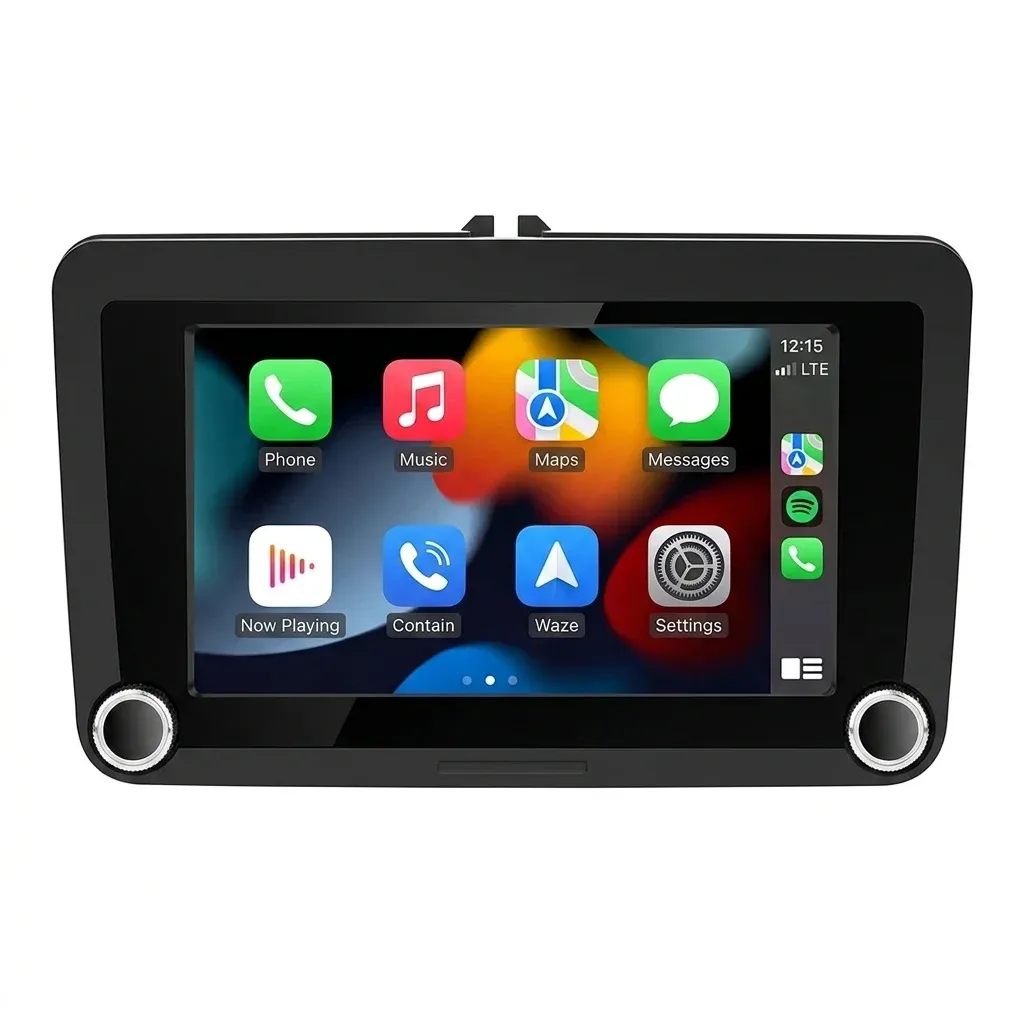
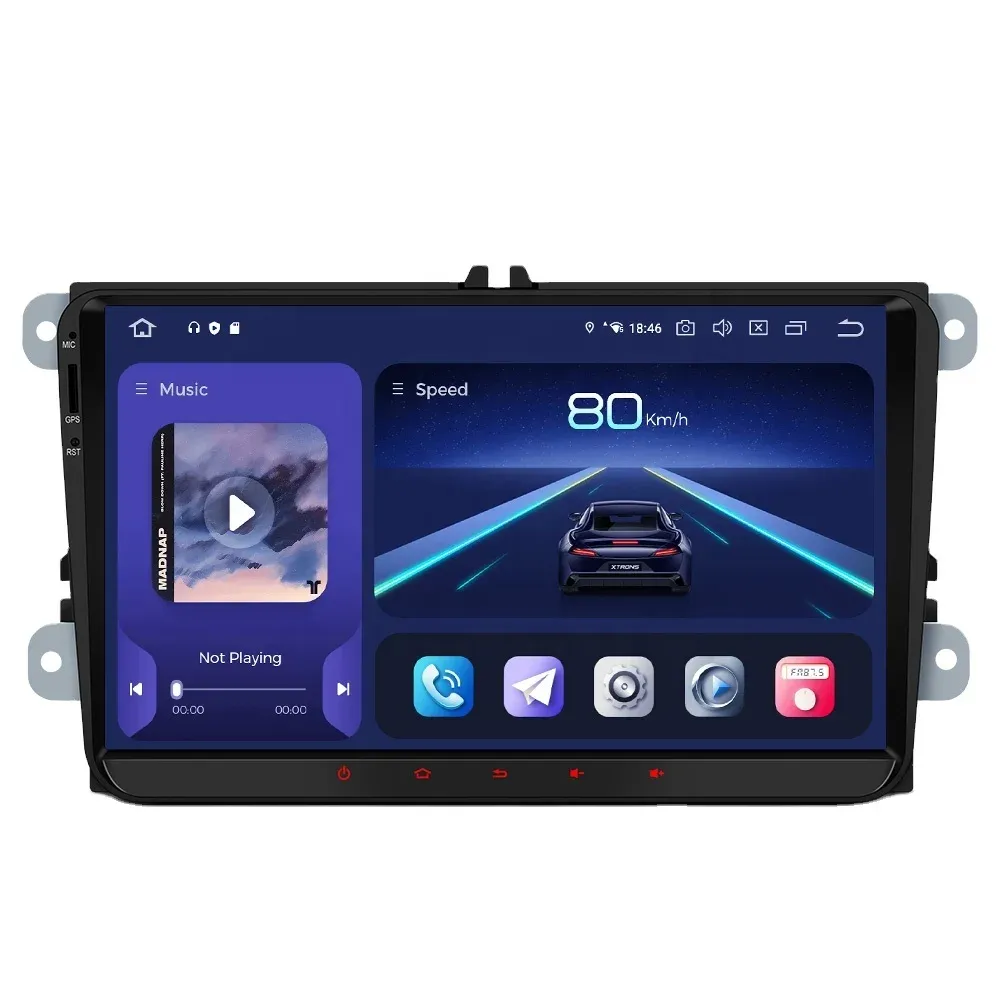
Older BMW infotainment systems can feel cramped when you rely on navigation, streaming, and hands-free calls every day. This XTRONS unit solves that by replacing the factory display with a larger 10.25-inch Android 12 screen while keeping the original car functions intact.
The appeal is not just the extra size, but the way it modernises the cabin without turning it into a universal aftermarket setup. For BMW owners who want smartphone integration that feels built-in rather than bolted on, that balance is the real draw, so how well does it hold up in practice?
XTRONS build quality and why the brand stands out
XTRONS has built a strong reputation in the AliExpress car electronics niche by focusing on model-specific fitment, software flexibility, and feature-rich head units. The brand is often chosen by users who want a more polished upgrade path than generic Android screens, with better support for BMW layouts and factory-style integration.
That matters here because this product is not a one-size-fits-all tablet conversion. It is designed as an original car system and screen upgrade, which usually means less visual mismatch on the dashboard and fewer compromises when you want the OEM look to survive the upgrade.
What the 10.25-inch IPS panel changes on the road
The 1280 x 480 resolution is not aimed at sharp tablet-style detail, but at clear, wide-format dashboard readability. In practice, that means map directions, album art, and app tiles are easy to scan at a glance, while the capacitive IPS panel should keep colours consistent when viewed from the driver’s seat or across the cabin.

The screen size makes split attention easier too, especially when using navigation alongside music or phone controls. Compared with the smaller factory display, the larger canvas feels less crowded, which is useful in stop-start city traffic where quick glances matter more than pixel density.
Wireless CarPlay and Android Auto without cable clutter
Wireless and wired CarPlay, plus wireless and wired Android Auto, give this unit a practical edge for mixed households. Users who switch between iPhone and Android phones can keep the same dashboard hardware and still get fast access to maps, calls, messages, and audio apps.
The wireless setup is the feature most owners will notice first because it removes the need to plug in every time they start the car. Dual-band WiFi, Bluetooth 5.0, and a built-in DSP suggest the system is built for smoother everyday use, but the real question is how much of the BMW’s original character remains?
Factory functions kept, aftermarket feel reduced
According to the product details, original car functions are retained, which is the key reason many BMW owners consider this type of upgrade. That usually means steering-wheel controls, vehicle menus, and other native functions stay available, so the screen adds capability without forcing you to relearn the car.
This is especially important in BMW applications, where a badly integrated screen can look out of place or make the cabin feel less coherent. Here, the goal is clearly to expand the system rather than replace the whole experience, and that is where the value becomes more convincing.

Everyday hardware: memory, connectivity, and expansion
The Android 12 Octa Core platform, 2GB RAM, and 32GB ROM place this unit in the mid-range bracket rather than the performance flagship tier. That is enough for navigation, media, and phone mirroring, but heavy multitasking or large app installs will be more limited than on higher-memory units.
There is useful flexibility in the connections, though: USB, SD card, built-in WiFi, and a worldwide 4G SIM slot can keep the system online even when the phone is not doing all the work. Optional support for OBD, DVR, and reverse camera add-ons makes it a sensible base for drivers who want to build out the system over time.
Who should consider it, and who should look higher up the range
This screen suits BMW 3 and 4 Series owners who care most about wireless smartphone integration, a cleaner dashboard layout, and retaining factory functions. It is also a strong fit for drivers who want a recognised brand name and a straightforward upgrade path rather than a full custom install.
Drivers who routinely run multiple demanding apps at once may want more RAM and storage, since 2GB/32GB is practical but not lavish. Even so, the combination of fitment focus, wireless connectivity, and OEM-style integration makes it a credible upgrade for the right BMW, and the final details are worth checking carefully before installation.