








Rear-seat entertainment that solves the long-journey problem
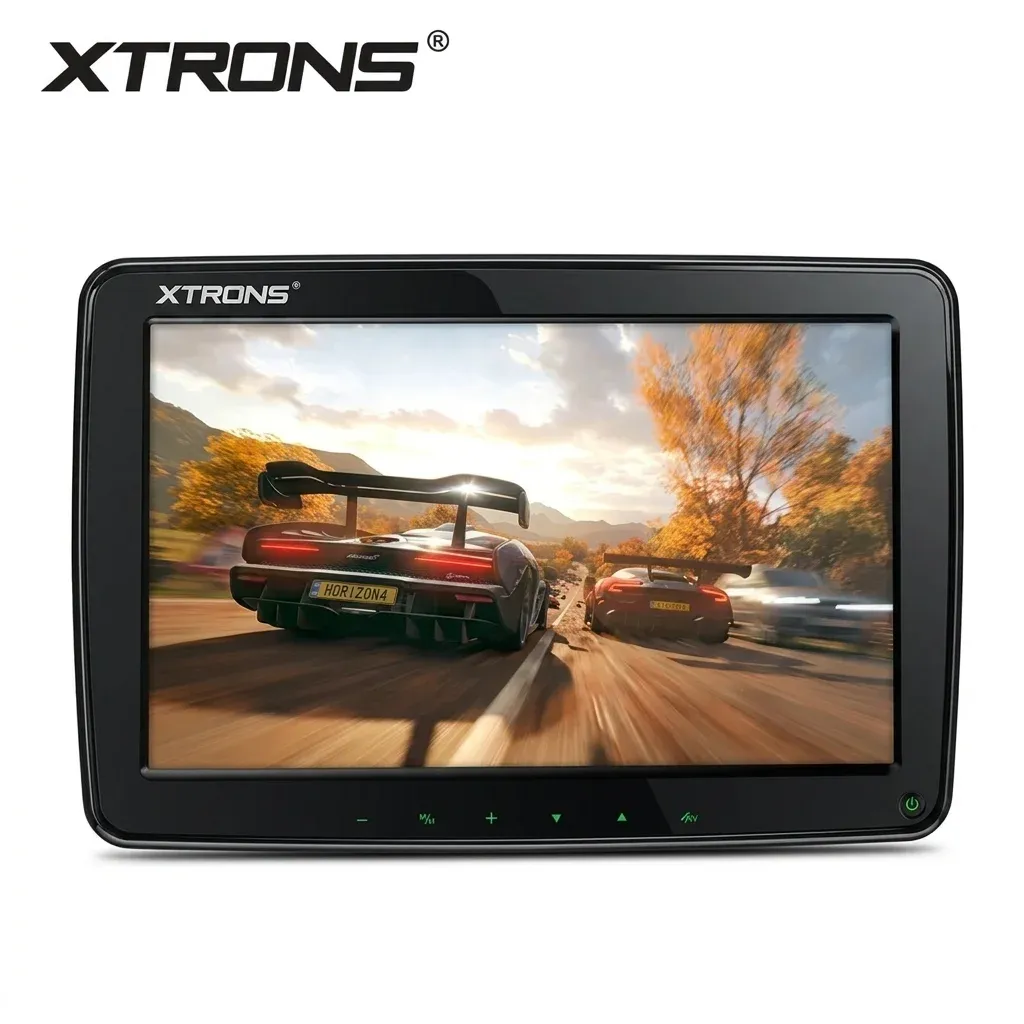
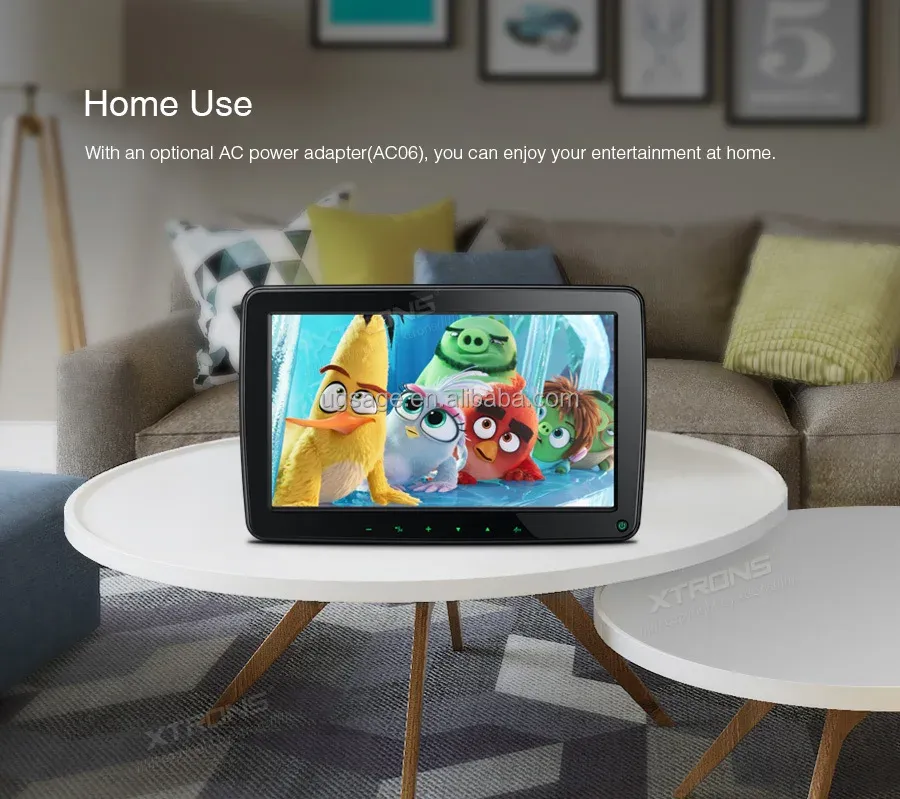
If passengers keep asking for something to watch on long drives, this XTRONS headrest monitor is aimed squarely at that problem. It turns the back seat into a private media zone without needing a full infotainment retrofit, which is exactly why universal portable screens remain popular in the AliExpress UK niche.
The appeal here is straightforward: a large 11.6-inch display, broad file support, and flexible inputs make it easier to keep passengers occupied in family cars, taxis, and shuttle vehicles. The real question is whether the panel and connections are strong enough to justify the space it takes up.
11.6-inch IPS panel: why the screen type matters
The 1366 x 768 resolution is not flagship territory, yet on an 11.6-inch screen it should still look sharp enough for cartoons, downloaded films, and navigation-style media playback. The IPS panel is the important part, because it helps preserve colour and contrast when passengers are viewing from an angle rather than sitting directly in front of the screen.
That matters in a headrest mount, where the viewer is often slightly off-centre and the cabin light changes throughout the day. Compared with cheaper TFT-only units, the IPS layer should give a more stable picture and reduce the washed-out look that can make rear-seat screens feel dated.
HDMI, USB, and SD: a flexible setup for mixed media
The strongest practical feature is the mix of HDMI, USB, and SD support, because it lets the monitor work with both modern sources and simple offline files. Support for 1080P video playback means users can enjoy full-HD content even though the panel itself is 1366 x 768, which is useful for clean playback rather than overcomplicated specs.

This is the kind of setup that suits taxis and family vehicles where internet access may be inconsistent, and it also helps when you want a dedicated screen for a media player or game source. If you are comparing it with tablet-based solutions, the wired inputs here are usually more dependable on the move, so what does that mean for installation?
Built for universal fitment, not a single vehicle platform
XTRONS has designed this as a universal headrest monitor, so it is aimed at broad compatibility rather than one vehicle badge. That makes it more attractive for retrofit work in mixed fleets, where bus operators or taxi owners need a repeatable screen solution instead of a model-specific dashboard unit.
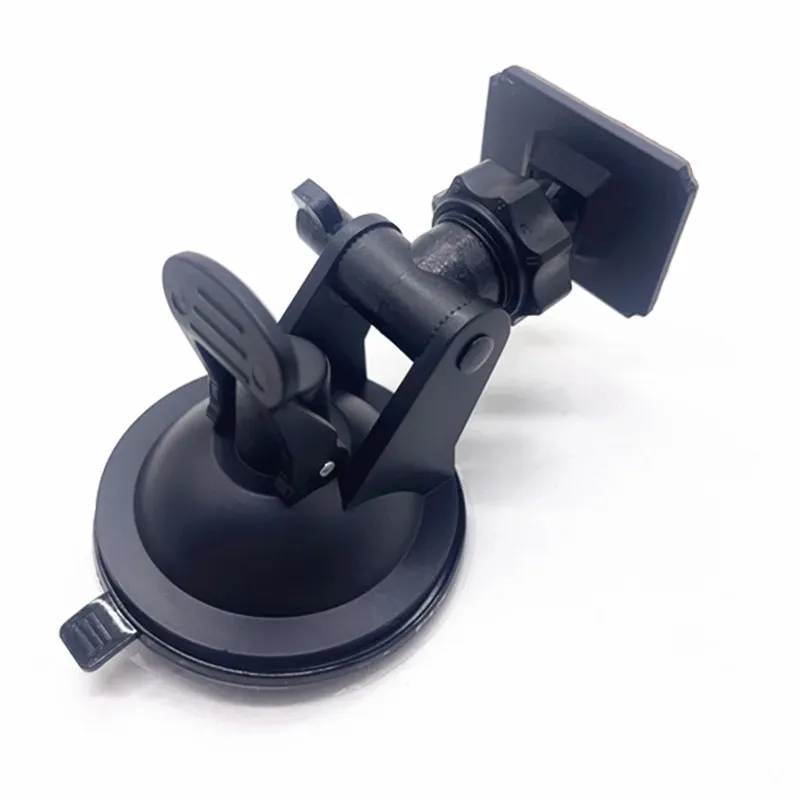
The trade-off is that universal products depend heavily on installation quality, especially cable routing and headrest mounting. Users who want a clean OEM-style finish should expect to spend time on fitting, but the upside is that the screen is not locked to one car generation or one trim level.
IR transmitter, FM transmitter, and 32-bit games: extra functions with a clear audience
The IR transmitter and FM transmitter suggest this unit is designed to integrate with older in-car entertainment setups as well as more basic audio systems. That can be useful in buses or taxis where you want audio distributed through the vehicle without adding a separate media stack.
The inclusion of 32-bit games is a niche bonus that may appeal to families, though it feels more like a convenience feature than a headline reason to choose the monitor. Customers often value these extras once the core video playback is working properly, because the screen becomes a small entertainment hub rather than just a display.
What the price suggests in real-world use
At £148.19, this sits in the mid-range for portable rear-seat monitors rather than the entry-level bracket. The cost makes more sense if you want a recognised brand, IPS viewing, and multiple input paths instead of the cheapest screen available.
Users looking for a simple one-screen passenger solution should find the feature mix practical, especially for regular road use where reliability matters more than showroom polish. The one-year warranty also adds a useful layer of reassurance, particularly for fleet buyers who want predictable service support.
Where it fits best in a vehicle
This monitor makes the most sense in cars used for family travel, taxis, minibuses, and bus seating where rear passengers need their own screen. It is less compelling if you want a fully integrated Android head unit, because this is a dedicated display rather than an all-in-one dashboard computer.
For that reason, it works best as a focused upgrade: one screen, several input options, and enough format support to handle common media files without fuss. If your priority is back-seat comfort rather than front-cabin control, the layout is easy to understand and easy to use, which is often the point of this category.