






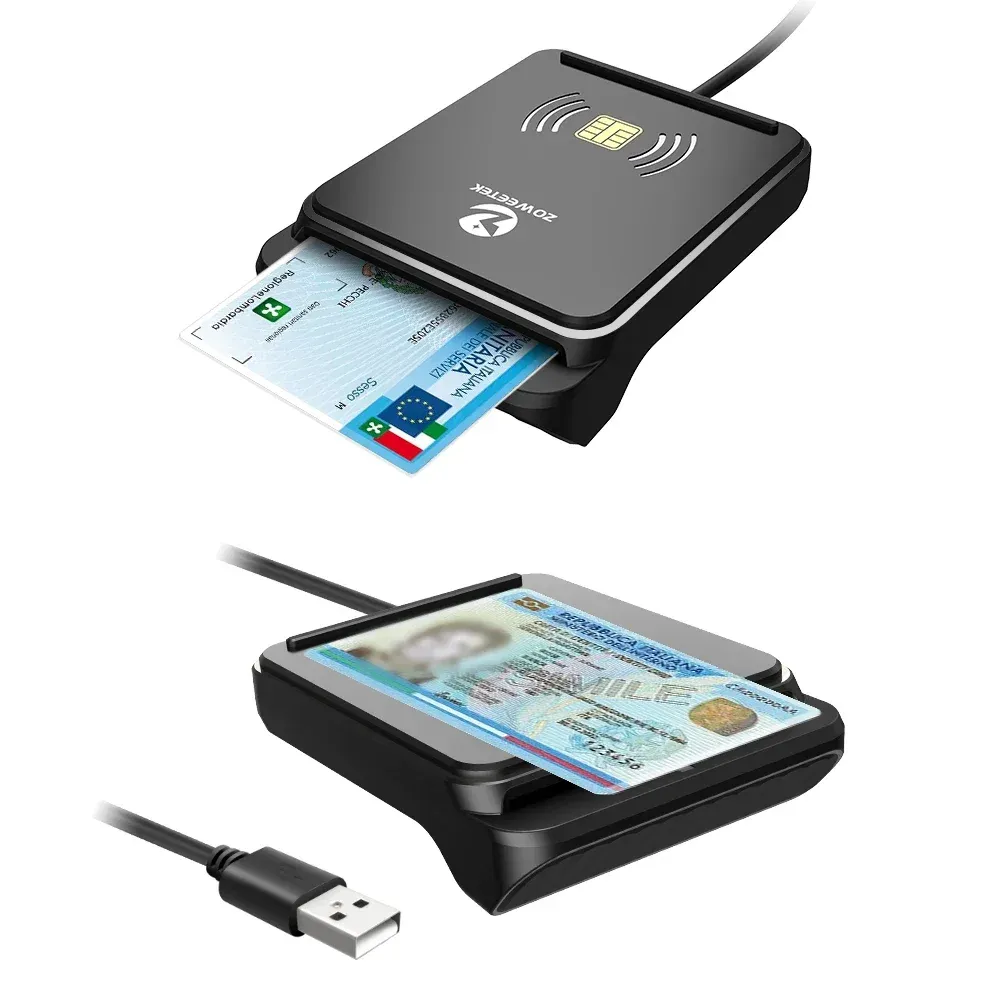



A simple reader that solves a specific access problem
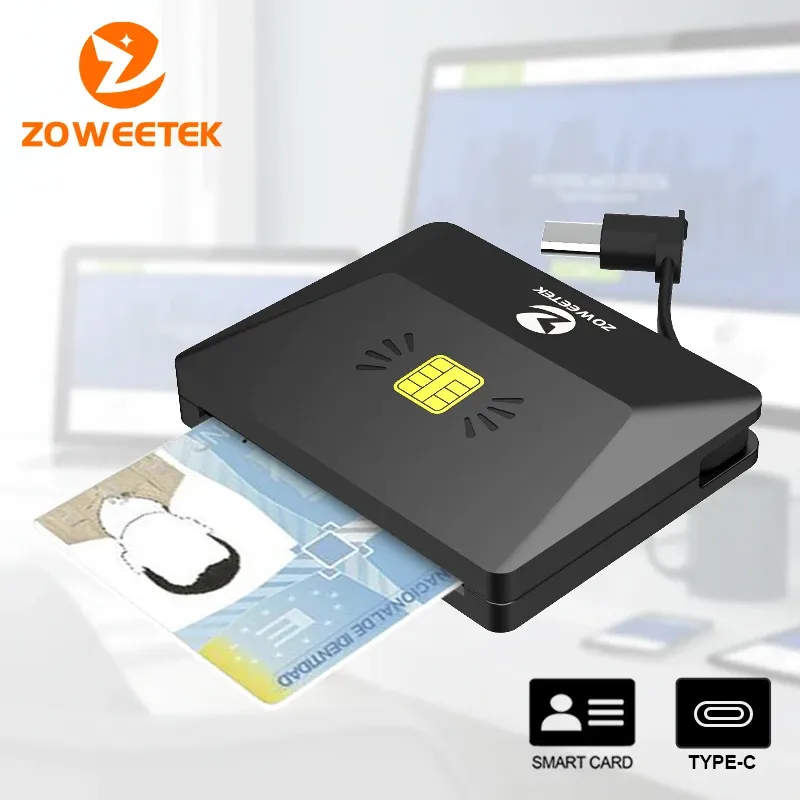
This card reader is aimed at users who need a straightforward way to interact with chip-based IDs, banking cards, and SIM-related workflows from a computer. At this level of pricing, the value comes from getting a working USB 2.0 reader without extra power, bulky housing, or complicated setup.
Its appeal is not in premium materials, but in the fact that it covers a broad list of smart-card use cases on Windows and Linux. That makes it relevant for digital signature tasks, identity verification, and office systems that still rely on contact cards, so the real question is how well that tiny shell performs in day-to-day use?
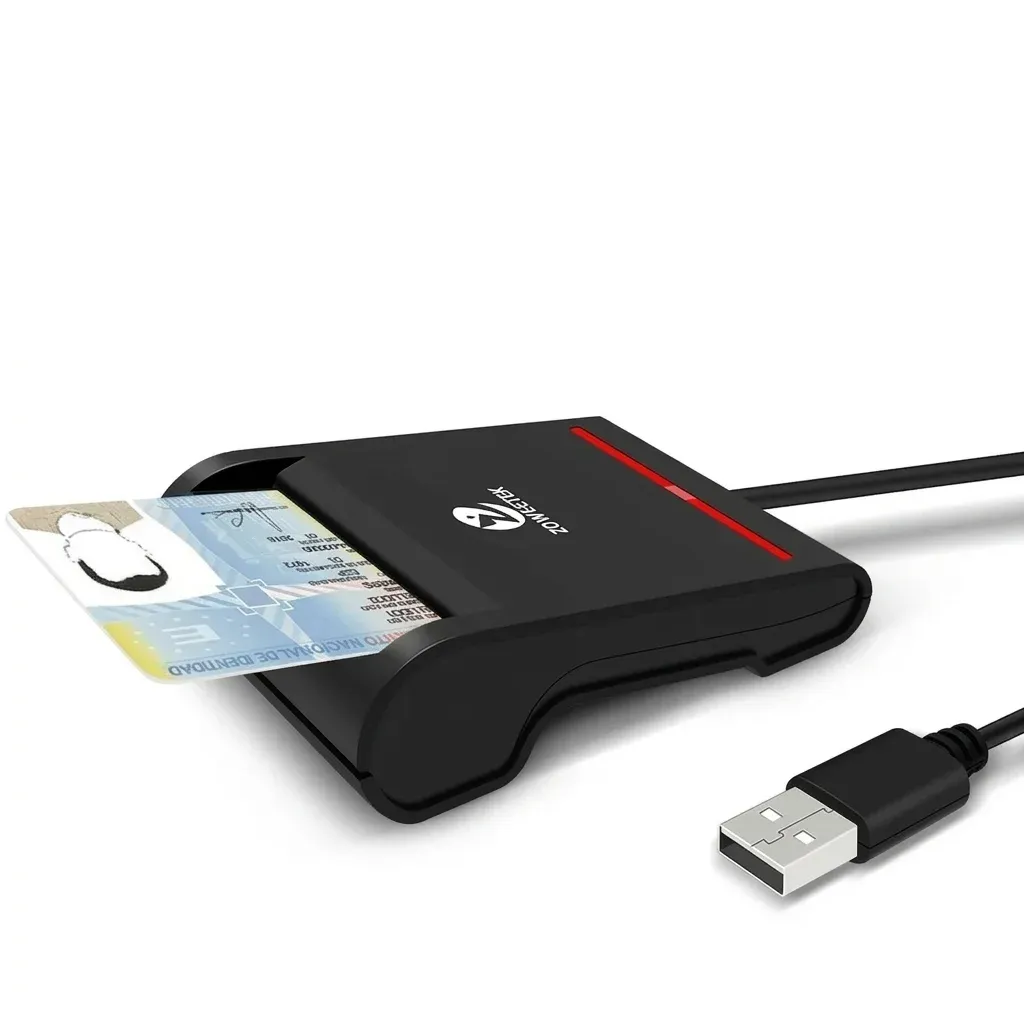
USB 2.0 performance and what it means in practice
The USB 2.0 connection is old-school, but for smart cards it is usually enough because the bottleneck is the card protocol, not raw transfer speed. Users are not looking for file-copy performance here; they want reliable card detection, stable contact, and consistent recognition when software opens the device.

The lack of external power also matters more than it sounds. It keeps the unit portable, reduces desk clutter, and lets it run from a laptop port or a compact hub without hunting for a charger, which is useful if the reader moves between home, office, and travel bags.
ABS body, compact size, and desk-friendly handling
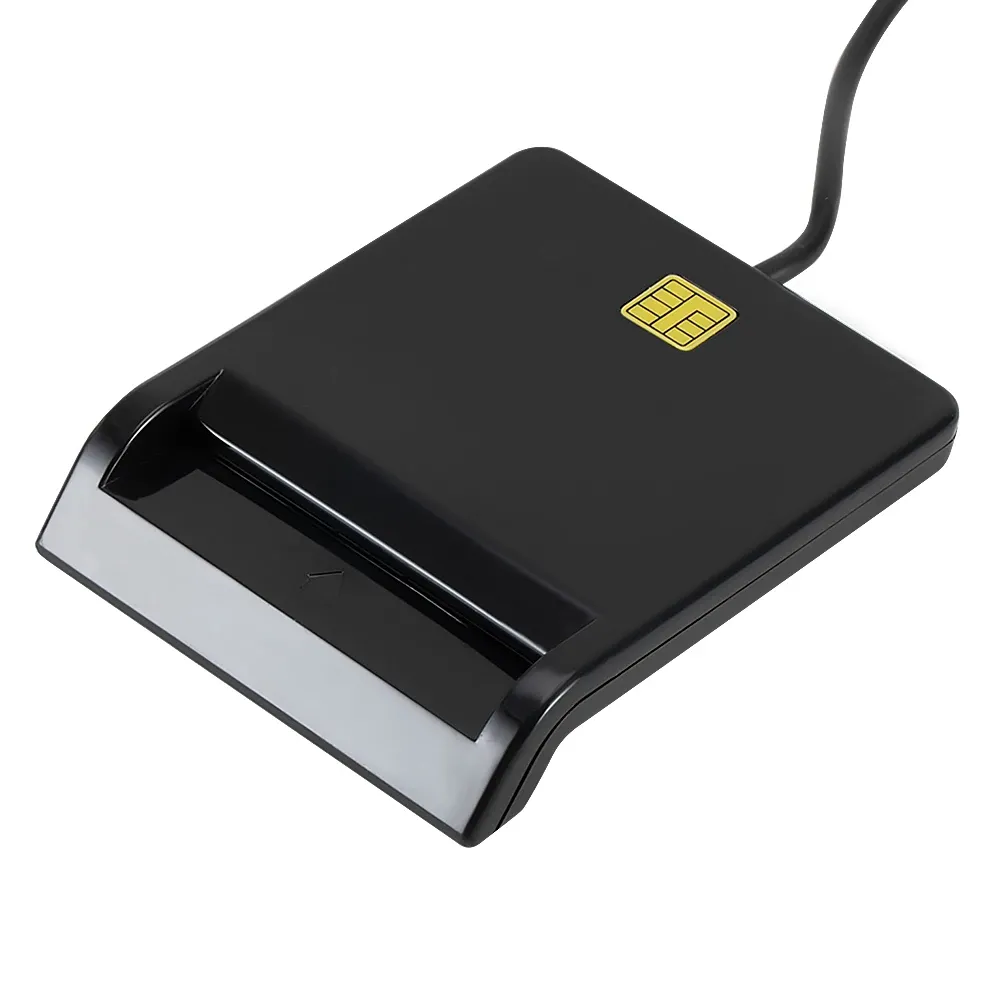
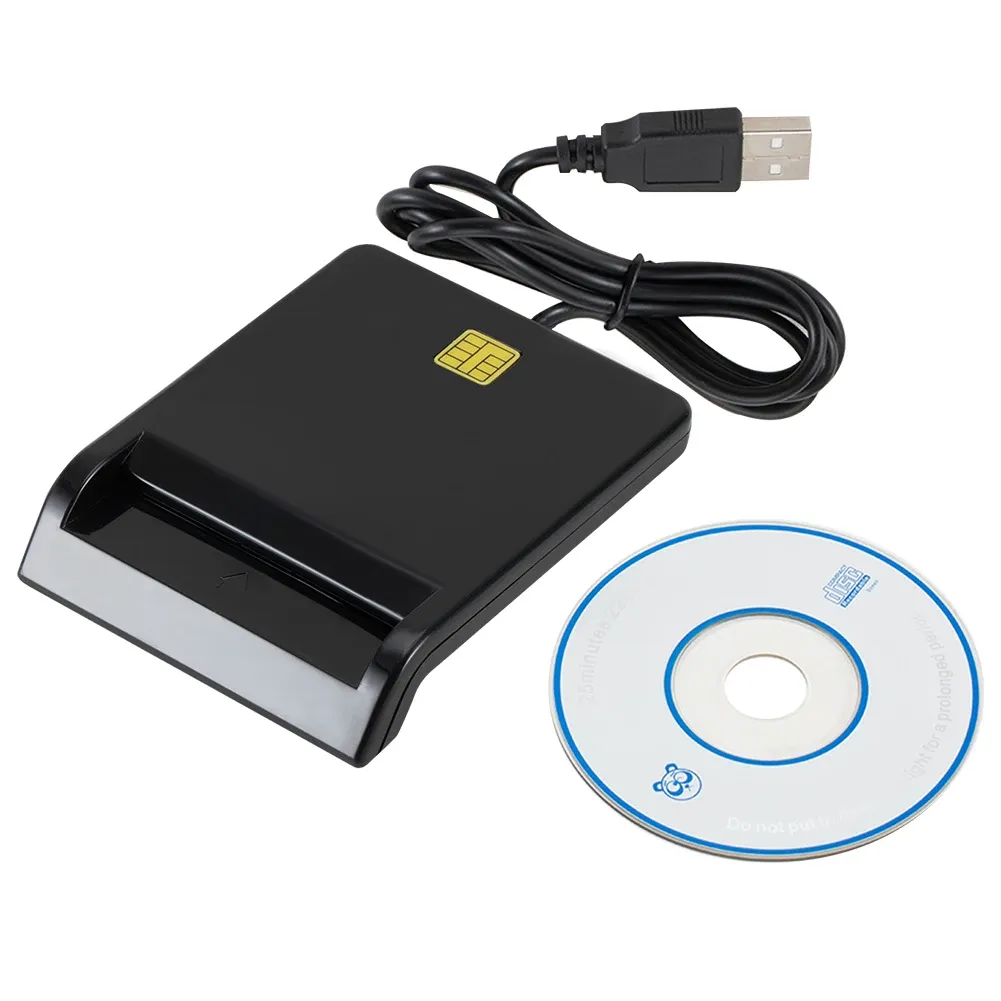
The housing uses ABS with a baked finish, so it should feel light rather than rugged, but the smooth black surface gives it a clean, understated look beside a keyboard or card terminal. At 85 x 65 x 7 mm and 89 g, it is closer to a slim utility tile than a heavy desktop device.

That slim profile helps when the card reader sits next to a laptop, because the cable and card insertion angle are less likely to crowd the workspace. If you need a reader that disappears into a drawer after use, this format makes more sense than a full-size office peripheral.
Status lights that help during card handling
The red and blue LED indicators are a small detail with real practical value, especially when software feedback is delayed. A power light and a read indicator make it easier to tell whether the reader is active, whether the card is seated properly, or whether the issue is with the application rather than the hardware.
That matters for users dealing with electronic IDs or digital signature tools, where a failed read can waste time. According to customers, the reader is generally seen as working well for these tasks, which lines up with the simple design and focused feature set.

Compatibility: broad on paper, software-dependent in reality
The compatibility list is wide, covering Windows versions from older systems through Windows 10 and Linux, plus Windows CE support depending on hardware. In practice, the reader’s success depends less on the operating system and more on whether the correct middleware, driver, or card utility is installed.
This is where a low-cost smart card reader can outperform a more expensive-looking alternative: it does not try to be multifunctional, so setup is often cleaner once the correct software stack is in place. If your workflow already uses standard contact smart cards, this kind of narrow focus is usually an advantage, not a limitation.
Where it fits in an AliExpress UK setup
For an AliExpress UK audience, this is the kind of accessory that makes sense when you need a working tool rather than a branded showpiece. It is suitable for office desks, home document stations, and occasional card-reading jobs where the main requirement is dependable contact access at minimal cost.
The strongest signal comes from user feedback: the large review base is heavily positive, and repeated comments point to solid function rather than flashy extras. If your card type and software are supported, the reader offers an efficient entry point into smart-card handling, and the remaining question is which card formats it will handle best?