










Cleaner drywall finishing without the usual cloud of dust
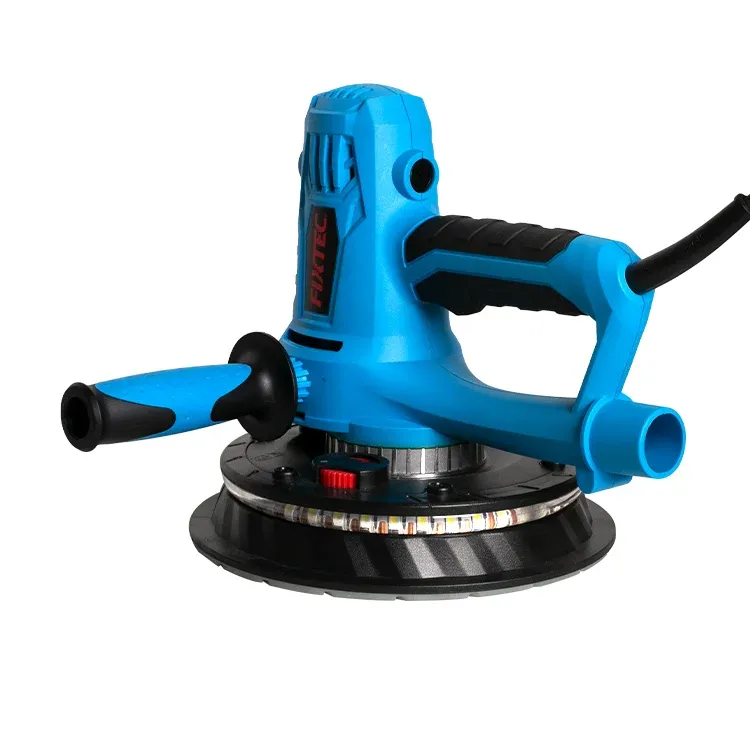
This FIXTEC wall sanding machine tackles one of the most frustrating parts of renovation work: keeping drywall dust under control while chasing a smooth finish. With an 800W motor, variable speed, and integrated dust collection, it is aimed at users who want faster surface prep with less cleanup.
The corded layout suits long sanding sessions better than compact battery tools, especially when you are working on walls and ceilings rather than touch-up patches. That makes it a more serious option for DIY renovators and light industrial jobs, so what does that mean in real use?
800W and 1200-2300rpm: enough control for joint compound and skim coats
The 800W input power gives the machine enough reserve to keep the pad moving through dense compound without feeling underfed. The 1200-2300rpm range matters because lower speeds help reduce gouging on fresh filler, while higher speeds are useful for levelling larger areas more quickly.
Compared with basic hand sanders, this kind of variable control is what separates a neat finish from a surface that needs rework. Users who switch between coarse levelling and finer finishing should notice the difference immediately, but how does the 180mm pad change the workflow?
180mm sanding pad: wider coverage with fewer passes
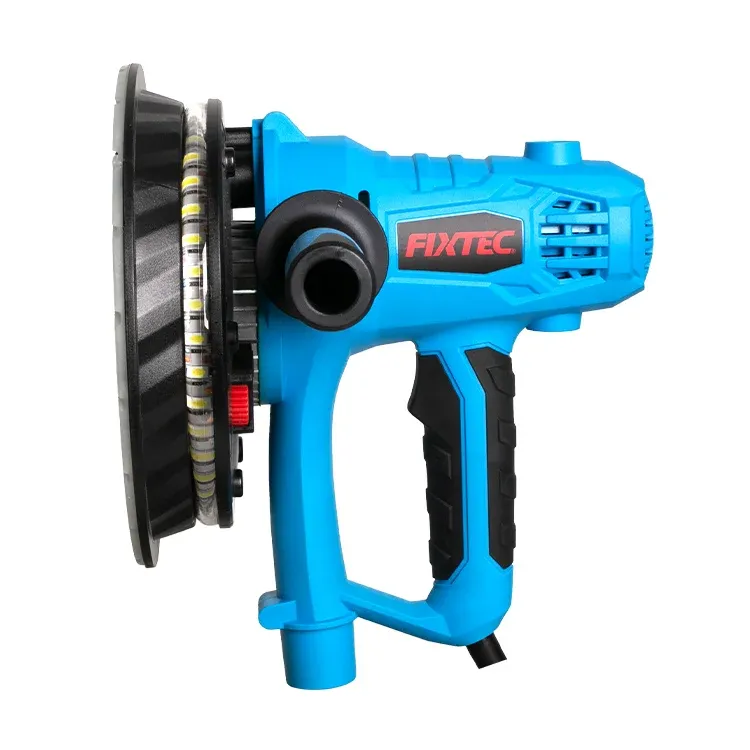
The 180mm sanding disc gives the tool a broad footprint, so each sweep covers more wall area and reduces the number of passes needed on open surfaces. That is especially helpful on plasterboard seams, where a wider pad can blend edges more evenly if you keep the pressure light.
It is not the most compact option for tight corners, and that is the trade-off for speed on large panels. For most drywall jobs, though, the larger pad is a practical advantage, especially when paired with the LED light that helps you spot ridges before they disappear into the dust.
LED lighting and dust collection: two details that improve accuracy
The built-in LED light is more than a cosmetic feature, because it makes surface imperfections easier to see in dim rooms, along stairwells, or near unfinished ceilings. When you are chasing a flat wall, that extra visibility can save time by revealing sanding marks before the final coat goes on.
Dust collection is equally important, since drywall debris can clog sightlines and make the work area feel far rougher than it is. According to users, cleaner extraction also helps keep the sanding pad working more consistently, which is the kind of practical detail that matters on longer jobs.
Who this FIXTEC sander suits best
This model fits homeowners doing renovation work, tradespeople handling occasional finishing jobs, and workshops that want a corded machine with predictable runtime. The 220V-240V supply, GS and CE certification, and one-year warranty make it feel better aligned with regular site use than a casual one-off tool.
It is less attractive if you only need to sand a small repair, because the 16KG/CTN shipping weight and full-size format point to a machine designed for larger tasks. If your projects often involve full wall sections, the next question is whether the build quality matches the spec sheet.
What the spec sheet suggests about build and support
FIXTEC positions this as a DIY and industrial-grade tool with OEM support, which usually signals a brand that expects repeat use rather than occasional novelty. The one-year warranty is not unusually long, but it is a sensible baseline for a corded drywall sander in this category.
For AliExpress UK shoppers, the appeal is the combination of recognisable FIXTEC branding, CE and GS certification, and a feature set that is tuned for actual finishing work rather than headline numbers. That balance is what gives it credibility in a crowded tool segment, especially when compared with lighter but less capable handheld sanders.