










Built for faster sheet-metal trimming without the wrist strain
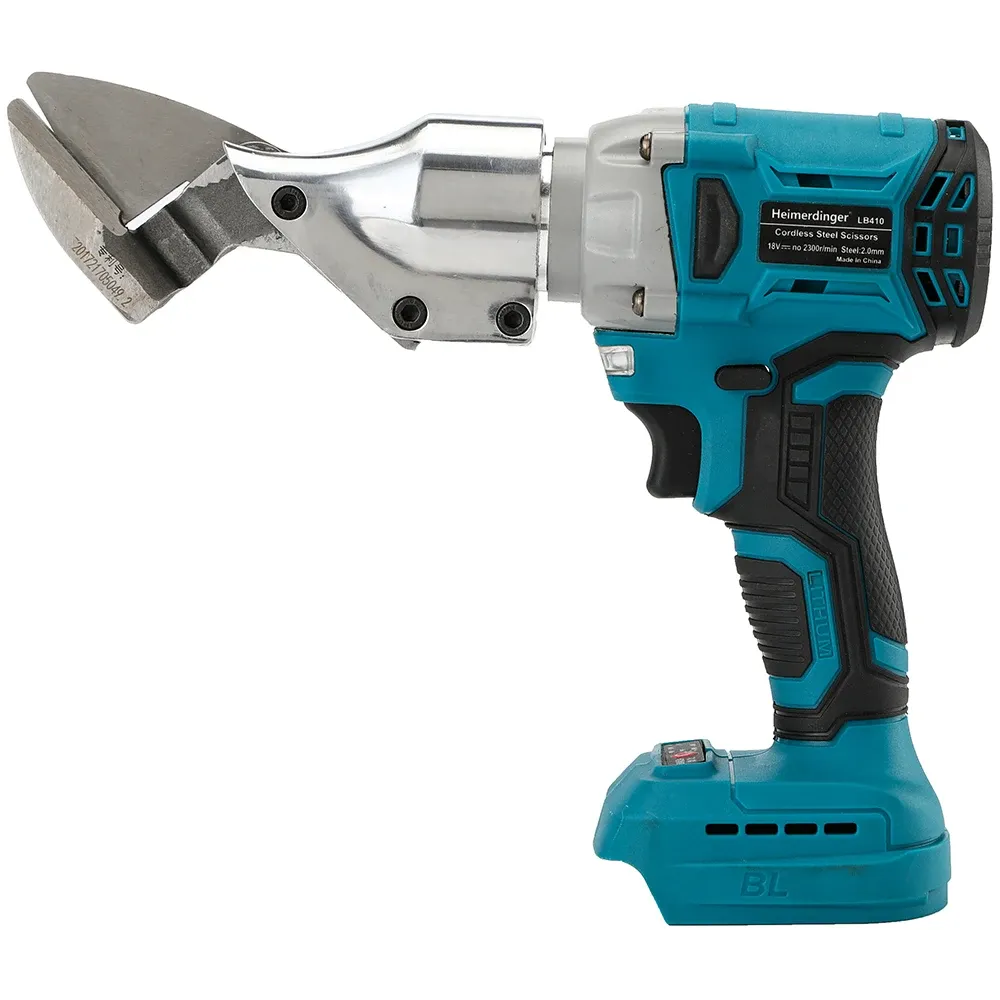
Brushless cordless metal scissors solve a simple workshop problem: repeated hand cutting slows down clean-up work and leaves your wrists doing the hard part. This LB410 body from Makita aims to turn that job into a controlled, battery-powered cut, which is exactly the kind of practical upgrade AliExpress UK readers look for in cordless shop tools.
Because it runs on a Makita 18V battery platform, the appeal is not just the cutting action but the ecosystem fit. Users already invested in Makita packs can keep the tool body only, which keeps the setup lean and avoids extra chargers or duplicate batteries.
What the carbon steel blade changes in real use
The carbon steel blade material points to a tool designed for repeat contact with harder edges, not just occasional craft trimming. In practice, that matters when you are working on sheet metal, thin pipe sections, or repair pieces that would quickly blunt softer cutting edges.
Real-world feedback suggests the motor is not aggressively overpowered, yet it still handles 26-gauge steel pipe and flatter sheet metal well when the cut path stays sensible. That makes it more of a precision helper than a brute-force cutter, and that distinction matters before you expect it to behave like a shear on thicker stock.
Variable speed gives you control where manual snips struggle

Variable speed is the feature that makes this tool feel more deliberate than a fixed-speed cutter. On thin metal, slower movement helps keep the blade from grabbing the material, while a steadier pace can improve finish quality on long runs or curved sections.
That control is useful when the job includes awkward turns, because the blade can be guided without the hand pressure that manual snips demand. It is a better fit for installers and maintenance users than for heavy fabrication benches, so the next question is how far the 18V format can stretch.
Makita 18V compatibility and what it means on the job
The cordless 18V format keeps the tool portable around vehicles, ladders, and site work where mains power is inconvenient. Since it is sold without a battery, the value depends on whether you already run compatible packs, but for existing Makita users that usually means a faster start and less clutter in the kit.
For metalwork, that portability is often more valuable than raw speed because the tool can travel to the cut instead of dragging the work back to a bench. If you trim ducting, cut panel offcuts, or tidy sheet edges after installation, the workflow is easier to manage than with hand shears alone.
Who will notice the difference most
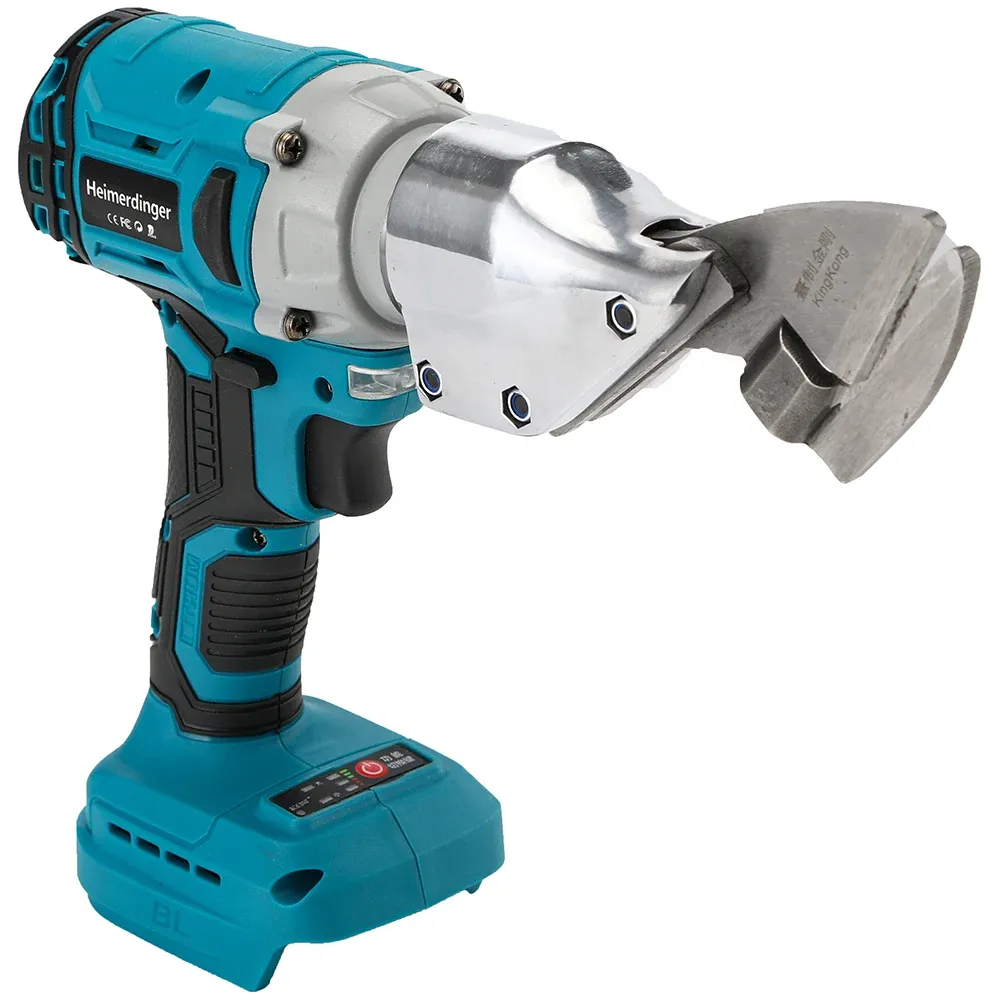
This is most persuasive for users who cut moderate amounts of thin metal and want a cleaner, less tiring process. Customers mention that it works as intended and saves time, which lines up with the product’s design: practical efficiency rather than industrial showmanship.
It is less convincing for thick-gauge metal or jobs that need maximum motor force, because the available feedback already hints at a modest power ceiling. If your work sits in that middle ground, though, the balance of cordless convenience, brushless design, and controlled cutting is the part that makes sense.
What to check before you add it to your kit
The main thing to confirm is battery compatibility, since this is a body-only tool and depends on your existing 18V setup. It also helps to match expectations to the blade’s strength: carbon steel is a solid choice for durability, but it does not change the physics of cutting heavier stock.
- Best for thin sheet metal, light pipe work, and site trimming
- Works best with an existing Makita 18V battery system
- Brushless layout supports efficient cordless use
- Variable speed helps on corners and tighter cut lines