








Why this crimping kit matters on real repair jobs
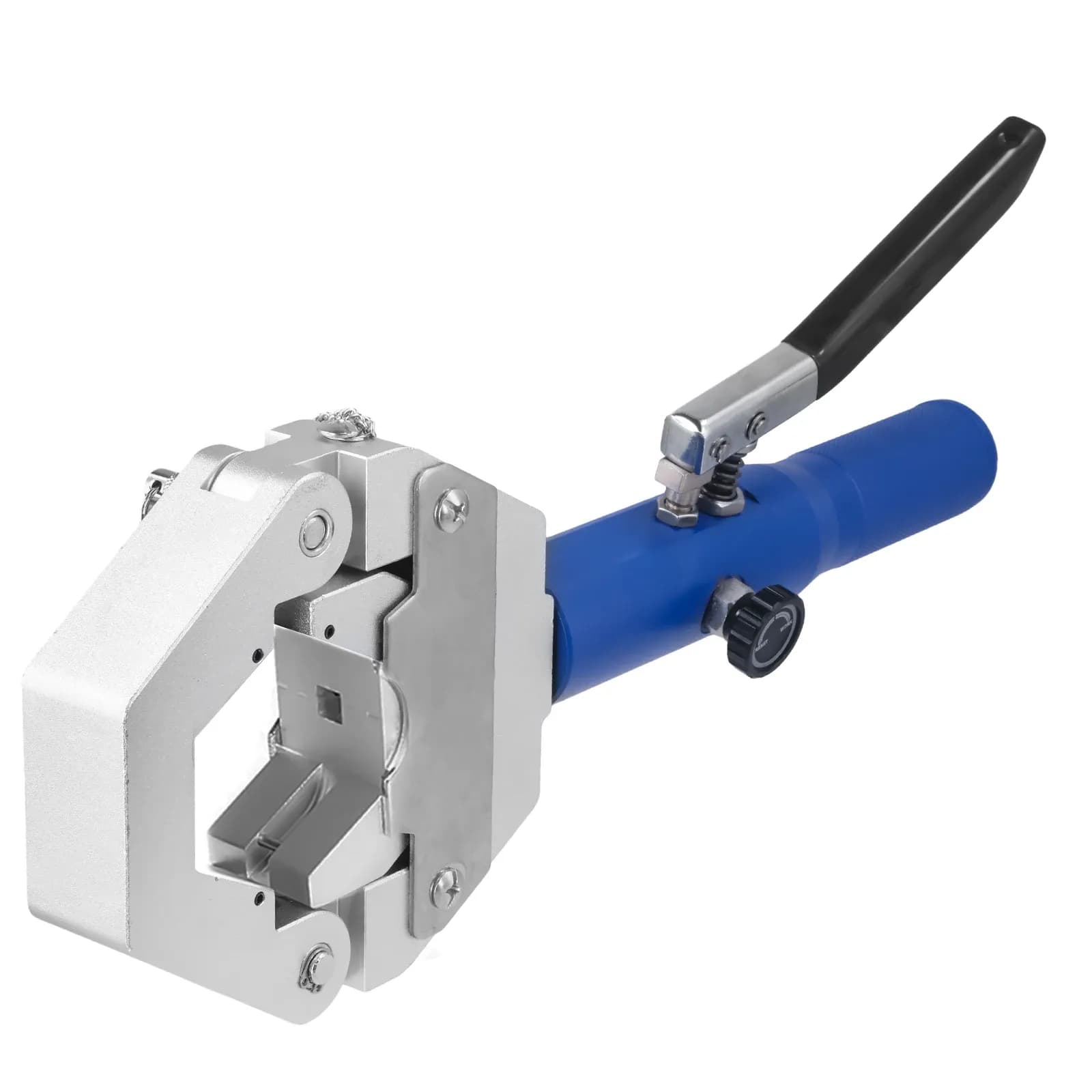
If you need to terminate hydraulic or air-conditioning hose neatly, a hand crimper like this solves the problem of inconsistent field repairs. It gives you a controlled way to compress fittings without relying on improvised clamps or heat, which is where many leaks start.
The appeal is simple: it turns hose assembly into a repeatable workshop task rather than a guesswork job. That matters most on A/C repair, retrofit work, and small hydraulic maintenance, where a poor crimp can undo an otherwise solid installation.
Die coverage for common hose sizes
The included die set covers 6, 8, 10, and 12 sizes, along with reduced-barrier variants, so the kit is aimed at the hose ranges most often seen in automotive and light industrial service. In practice, that means less time searching for a separate die set when the job changes from one line size to another.
For users working on mixed fleets or recurring A/C service, that range is the main value point. It is not a universal press for every hose on the market, but it does cover the sizes this category sees most often, which makes the kit more practical than a single-size tool.
Manual hydraulic action and what it changes

Because the tool uses manual hydraulic force, the crimping motion is steady rather than abrupt. That helps reduce the uneven pressure that can distort a fitting or leave the ferrule under-compressed on one side.
The trade-off is obvious: you gain portability and lower running cost, but you also accept slower operation than a powered crimper. For occasional workshop use, that balance is often sensible, especially when the job site does not justify a dedicated electric unit.
Setup is straightforward, but alignment still matters
The working sequence is direct: choose the correct die, insert the pin, tighten the body, switch to working position, then pump until the crimp is complete. That makes the learning curve manageable for users who already understand hose assembly basics.
What still needs attention is alignment, because the tool can only crimp as accurately as the fitting is seated. A careful setup gives a cleaner finish and a better seal, which is the difference between a tidy repair and one that needs rework later.
Storage, portability, and workshop use

The kit format is useful if you move between benches, service bays, or mobile repair jobs. A boxed set keeps the dies together and reduces the chance of losing the smaller components that make the tool usable across multiple hose sizes.
That matters in real-world AliExpress UK workshop buying, where compact tools often win over bulkier bench equipment. If your work is intermittent rather than high-volume, the portability may be more valuable than raw speed, and that changes the purchase case quite a bit.
Who will get the most from it
This tool makes the most sense for technicians, maintenance users, and capable DIYers who already handle hose replacement or A/C line repair. It is less suited to beginners who want a fully guided system, because the result depends on correct die choice and proper hose preparation.
According to users in this category, the strongest satisfaction usually comes from people who value control and compatibility over automation. If that sounds like your workflow, the next question is whether the build and accessory set match the demands of your own repairs.